
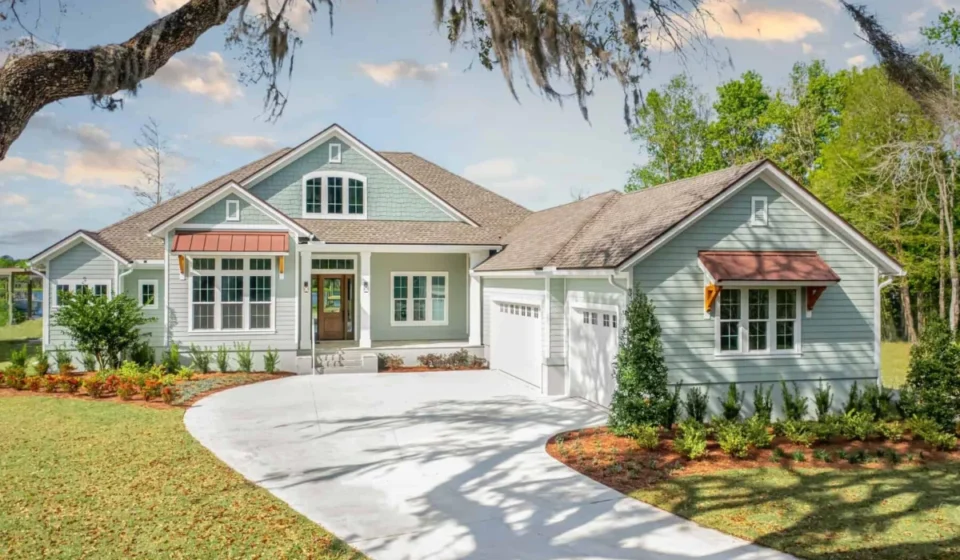

For prospective homeowners, the dream of “new construction” often triggers a split-path decision that defines the entire home-buying experience. Whether you are eyeing a suburban development in Austin, Texas, or a growing master-planned community in Charlotte, North Carolina, you will inevitably face the choice: do you purchase a “spec” home, or do you embark on a custom build?
While both represent the allure of brand-new materials, pristine appliances, and modern energy efficiency, they are vastly different financial and emotional undertakings. A spec home offers the ultimate convenience of a move-in-ready product, while a custom build promises a legacy property tailored to your precise specifications. This guide explores the nuances of both paths to help you determine which aligns with your lifestyle, budget, and timeline.
What is a Spec Home?
A “spec” home—short for speculative home—is a property built by a developer or builder without a specific buyer under contract. The builder acts on their own “speculation” that there is a demand for homes in a specific area. They purchase the land, determine the floor plan, select the finishes, and manage the entire construction timeline.
The Mechanics of the Spec Purchase
Buying a spec home is fundamentally similar to buying a resale property. The home is often already finished, staged, and ready for a walk-through. Because the builder has already absorbed the construction risk and decision-making burden, the process is streamlined. You are essentially stepping into a pre-packaged lifestyle, often within a community where the developer has already established the infrastructure, such as parks, pools, and walking trails.
Why Buyers Choose the Spec Route
The primary driver for the spec home market is efficiency. Buyers who are relocating for work, downsizing, or simply tired of the competitive bidding wars common in the resale market find that spec homes offer a "friction-free" entry into homeownership. There are no architectural blueprints to agonize over, no permit delays to navigate, and no budget-busting change orders to manage.
Wes Hinton, Vice President of Wildlight, notes that the value of a spec home often lies in the community integration. “When buyers choose a curated home collection, they get an intentional, ready-to-personalize design shaped specifically around how people actually live here,” Hinton explains. “It allows homeowners to skip the stress of a custom build and instantly connect to what matters most—dropping the kids at school via a golf cart, biking down a trail to grab a burger, or instantly engaging in community movie nights.”
The Custom Build: A Legacy Investment
A custom build is the antithesis of the spec model. It is a bespoke endeavor where the buyer is the project manager, the visionary, and the primary stakeholder. You are not just buying a house; you are commissioning a structure from the ground up.
The Anatomy of a Custom Project
The custom process begins with land acquisition, followed by architectural design, engineering, and meticulous material selection. Every square foot is a negotiation between your aesthetic desires and your budgetary constraints. You work closely with an architect and a custom builder, making hundreds of decisions ranging from the placement of electrical outlets to the specific grain of the kitchen cabinetry.
The Appeal of Full Control
Custom builders cater to those who have a very specific vision—perhaps a home with a specialized home office, a commercial-grade kitchen for a culinary hobbyist, or a layout designed for multi-generational living. The goal here is not merely to have a new house, but to have an optimal one.
Comparative Analysis: Key Differences
To navigate this decision, buyers must understand how these two paths diverge in reality.
| Factor | Spec Home | Custom Build |
|---|---|---|
| Customization | Limited; builder-selected finishes | Full control; bespoke design |
| Timeline | Immediate to short-term | 9–18+ months |
| Cost | Predictable; fixed pricing | Variable; high potential for overages |
| Involvement | Passive; hands-off | Active; requires frequent meetings |
| Resale Focus | Mass-market appeal | Unique, premium value |
Pros and Cons: The Reality Check
The Spec Home Trade-off
The convenience of a spec home is undeniable, but it comes with caveats. Because these homes are built for the “average” buyer, they often lack the personality of a custom home. More critically, as Erik Jensen, CEO and founder of Sprucehill Homes, points out, the quality can be a concern.
“The biggest hidden compromise in a mass-market spec home is that it’s frequently built strictly to minimum code,” Jensen warns. “While buyers are distracted by flashy listing photos, mass-producers often rush site prep and opt for high-value finishes that look great initially but peel, sag, or crack within a few seasons. A dedicated custom build aims for an A-plus instead of a C-minus.”
The Custom Build Reality
Conversely, while a custom build allows for superior quality, it requires immense emotional and financial stamina. The potential for “decision fatigue” is high, and construction delays—often caused by weather, supply chain issues, or permitting bottlenecks—are common.
However, the payoff is long-term equity. Matt Branagh, CEO of Branagh Development, emphasizes the longevity of custom projects. “A spec home is often designed for the first impression. A custom home is designed for the second decade. It’s not about piling on more ingredients; it’s about choosing the right ones and making them work together: the light, the views, the proportions, the materials, and the land itself.”
Chronology of the Construction Journey
The Spec Timeline (Typically 0–3 Months)
- Selection: Review available inventory in a community.
- Financing: Secure a standard mortgage.
- Inspection: Hire a third-party inspector to check the builder’s work.
- Closing: Final walkthrough and move-in.
The Custom Timeline (Typically 12–24 Months)
- Discovery: Finding land and interviewing architects/builders.
- Design: Architectural planning and interior design phase.
- Permitting: Navigating local zoning and building codes.
- Site Work: Grading, foundation, and utility connection.
- Vertical Construction: Framing, systems, and interior finishing.
- Completion: Final punch-list and move-in.
Implications for Your Wallet and Lifestyle
The decision often boils down to a fundamental question: What is your time worth?
If your priority is a seamless transition into a new neighborhood, a spec home is the logical choice. It provides the security of a new warranty and the peace of mind that comes with a set price. However, you must be prepared to conduct a rigorous inspection to ensure the builder hasn’t cut corners on the systems behind the walls.
If your priority is legacy and precision, the custom build is the superior path. You will spend more, wait longer, and endure the stress of project management, but you will end up with a property that is uniquely yours—one that is built to your specific standards of durability and aesthetics.
Clay Winder of Red Sign Real Estate offers a final piece of advice: "The single biggest thing I tell clients is to invest in the right team upfront—especially the designer and the Realtor. When your design team is dialed in, they guide you through the overwhelming number of decisions before they become costly change orders. Don’t go it alone."
Frequently Asked Questions (FAQs)
1. Can “custom” homes be cheaper than a builder’s model home?
Rarely. While a modest custom home can be budget-friendly, the "economies of scale" that allow large builders to offer spec homes at competitive prices are difficult to replicate on a one-off build.
2. Do spec homes hold their value?
Yes. In a stable market, they appreciate in line with the neighborhood. However, custom homes often carry a higher "prestige" value, which can translate to higher resale premiums if the design is timeless.
3. How long does a custom home actually take?
While 9–12 months is standard for construction, the pre-construction phase (design and permits) can easily add another 6 months.
4. Do I need a real estate agent for new construction?
Absolutely. Even if the builder has their own sales staff, that staff represents the builder’s interests. An independent agent represents yours, helping with contract negotiations and ensuring your interests are protected during inspections.
5. How does financing differ?
Spec homes allow for traditional, conventional loans. Custom builds typically require a “construction-to-permanent” loan, which functions as a line of credit during the build and automatically converts into a mortgage upon completion.