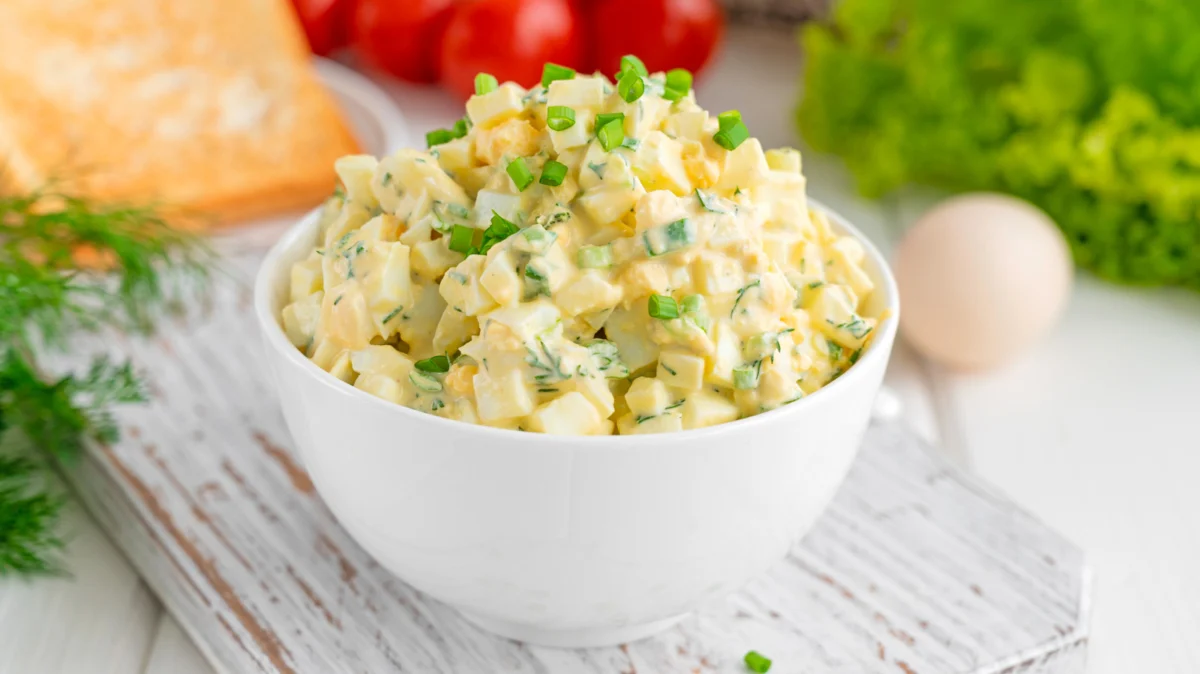
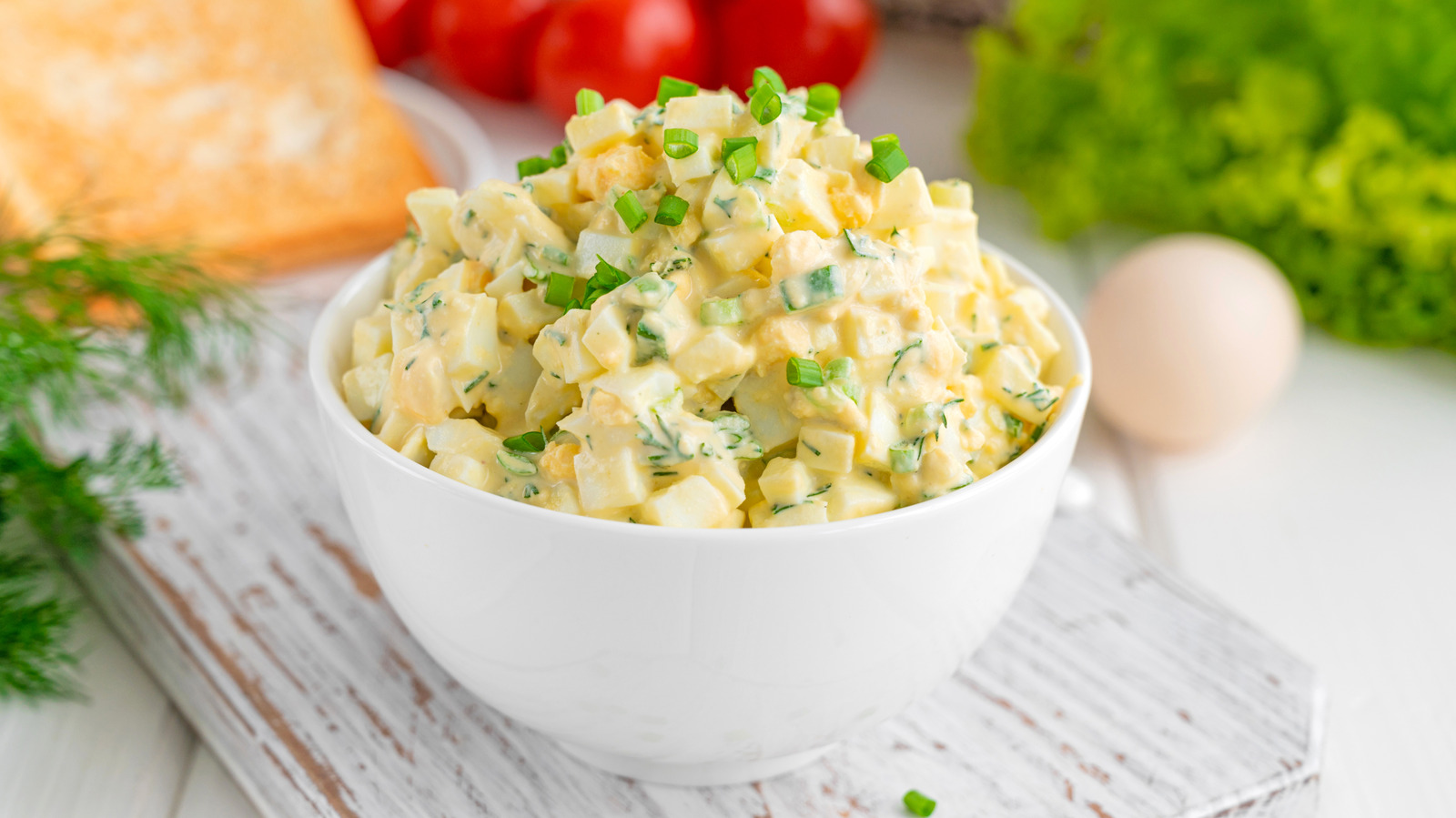
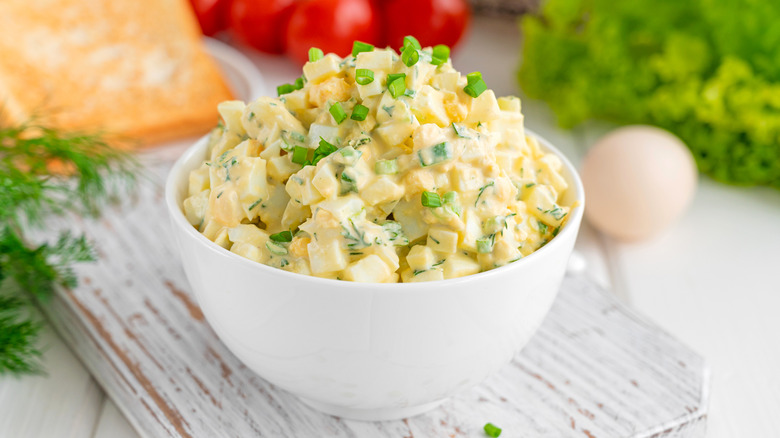
In the vast landscape of comfort food, few staples are as ubiquitous—or as frequently overlooked—as the humble egg salad. A classic of the picnic table and the deli counter, egg salad has long been defined by its soft, creamy texture and its reliance on the simple alchemy of hard-boiled eggs, mayonnaise, and seasonings. However, culinary innovators are now challenging the status quo, transforming this traditional cold dish into a hot, decadent, and remarkably crispy delicacy: the deep-fried egg salad ball.
This evolution represents a significant departure from standard food preparation. By applying the physics of deep-frying to a mixture typically served chilled, chefs and home cooks alike are discovering a new sensory profile for a dish that has remained largely unchanged for decades.
The Core Concept: Engineering the Perfect Popper
The transition from a bowl of creamy salad to a golden-brown appetizer requires more than just a fryer; it requires a structural understanding of ingredients. To successfully deep-fry egg salad, one must manipulate the temperature and binding capacity of the mixture.
The primary technique involves portioning the salad into bite-sized spheres. Because egg salad is inherently soft and high in moisture, it lacks the structural integrity to withstand hot oil on its own. The critical step in this process is the "freeze-set." By chilling the spheres until they reach a solid, firm state, the cook creates a thermal buffer. This allows the breading to fry and crisp before the internal filling liquefies.
The Standard Breading Protocol
- Dredging: The frozen ball is first lightly coated in flour, which acts as a primer for the subsequent layers.
- Binding: An egg wash provides the adhesive quality necessary to hold the final crust.
- The Crunch Factor: A generous coating of panko or traditional breadcrumbs provides the necessary contrast to the soft interior. Seasoning the breadcrumbs—perhaps with smoked paprika, garlic powder, or dried herbs—further elevates the final product.
A Chronology of the Transformation
While the exact origin of the "fried egg salad" trend is difficult to pinpoint, its rise correlates with the broader culinary movement of "reinvention cooking," which gained significant momentum in the early 2020s.
- Early 2020s: Culinary social media began showcasing "leftover hacks," where home cooks sought creative ways to repurpose unused ingredients. Egg salad, frequently made in large batches, became a primary target for such experimentation.
- Mid-2023: Professional kitchens began experimenting with "deconstructed" egg preparations. The concept of the deep-fried egg salad ball migrated from niche home blogs to gastropub appetizer menus.
- Late 2024: The technique solidified into a known culinary method, with major food publications beginning to codify the ratios and temperatures required for success, moving the dish from a "failed experiment" category to a legitimate menu item.
Supporting Data: The Science of Texture and Flavor
Why does deep-frying fundamentally change the perception of egg salad? Food science suggests that the contrast in textures—known as "sensory complexity"—is the primary driver of satisfaction.
According to culinary researchers, the human palate is hardwired to seek out "crunch-soft" combinations. The fried crust offers a brittle, savory experience that hits the palate first, immediately followed by the rich, creamy, and slightly tangy interior of the egg salad. This interplay prevents the palate fatigue that often accompanies eating large quantities of a single-texture food like traditional egg salad.
Furthermore, the heat of the oil enhances the aromatic volatile compounds in the mayonnaise and egg yolks. When heated, the fats in the emulsion become more fluid, intensifying the perception of flavor. This is why a fried egg salad ball feels "fuller" and more luxurious than its chilled counterpart.
Advanced Techniques: Beyond the Basic Ball
The conversation surrounding this dish has moved beyond simply breading and frying the mixture. Culinary enthusiasts are now exploring more sophisticated iterations that push the boundaries of what an "egg salad dish" can be.
The Bread Pocket Method
Instead of frying the filling, some chefs are frying the vessel. By folding a slice of bread into a triangular pocket and securing it with a toothpick, cooks can create a crispy, hollow container. Once fried to a deep gold, the pockets are drained and stuffed with fresh egg salad. This method offers the crunch of a fried sandwich without the risk of the filling breaking down during the frying process.
The Deconstructed "Deviled" Approach
For those seeking a more refined experience, the "deconstructed" method is gaining traction. This involves separating the hard-boiled egg whites from the yolks. The yolks are seasoned and shaped into a core, while the chopped whites are used as a secondary, exterior layer. This ensures that the structural integrity of the fried ball is consistent, providing a uniform bite that mimics the experience of a high-end croquette.
Official Perspectives and Culinary Implications
While there is no formal "Egg Salad Board" governing these practices, culinary educators and professional chefs view the trend as a positive development for home cooking.
"The willingness to take a legacy recipe and subject it to a high-heat technique like deep-frying shows a growth in culinary confidence," notes one industry analyst. "It turns a leftover lunch item into a dinner-party-ready appetizer. It is the democratization of the croquette."
However, chefs warn of the "safety threshold." The most common failure in this process is improper freezing. If the interior remains too soft, the structural failure of the ball can cause oil to splatter, creating a safety hazard in the kitchen. Culinary professionals emphasize that the internal temperature must remain low enough that the breading crisps before the center turns into a soup.
Implications for Future Menu Planning
The success of the deep-fried egg salad ball has broader implications for how we view pantry staples. It challenges the "static" nature of traditional salads. If egg salad can be fried, what else can be?
This trend is prompting home cooks to look at their leftovers not as static entities, but as "raw materials." This shift in perspective could lead to a reduction in food waste, as items previously destined for the trash (or a lackluster sandwich) are now being reimagined as high-value snacks.
Furthermore, the addition of dipping sauces—such as garlic aioli, spicy remoulade, or herb-infused emulsions—allows for an endless variety of flavor profiles. By adding jalapeño slices, imitation crab, or fresh chives to the base mixture before frying, the dish evolves from a simple egg salad into a complex, gourmet-adjacent bite.
Conclusion: The New Frontier of Comfort
The deep-fried egg salad ball is more than just a viral kitchen hack; it is a testament to the versatility of one of the world’s most common ingredients. By embracing the crispy, savory potential of the egg, we can elevate a nostalgic comfort food into a modern culinary delight.
Whether you are looking to impress guests with an unexpected appetizer or simply looking for a new way to enjoy your lunch, the deep-fried approach offers a sensory experience that is truly transformative. As with all culinary arts, the secret lies in the patience of the prep and the heat of the oil. The next time you find yourself with an extra bowl of egg salad, consider the freezer and the fryer—you might just find your new favorite way to eat eggs.