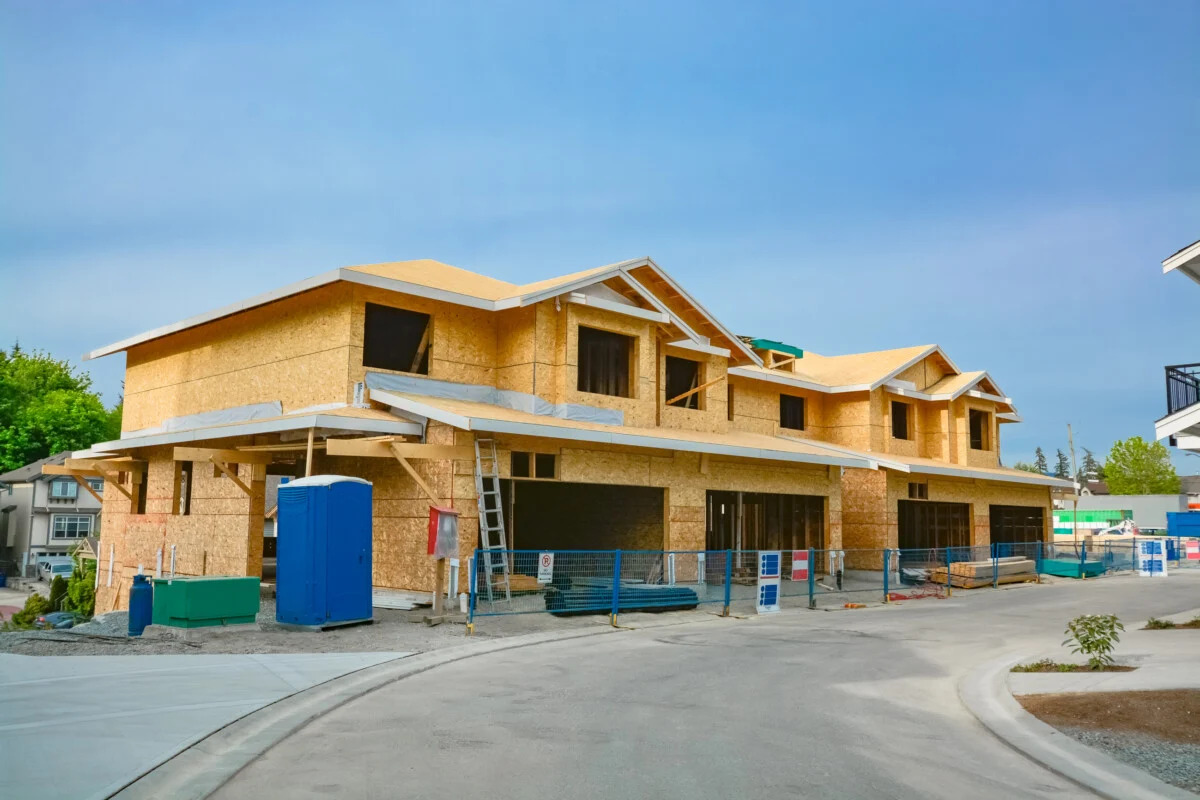
When you walk into a model home, it is easy to get swept up in the allure of high-end finishes, quartz countertops, and designer flooring. However, for those navigating the process of purchasing a new construction home, the "builder’s design center" can be a financial trap or a strategic investment tool. Distinguishing between cosmetic flourishes and structural necessities is the key to maximizing the value of your new property.
The most successful buyers approach new construction not as a shopping spree, but as a long-term capital investment. The cardinal rule is simple: Prioritize upgrades that are difficult, expensive, or disruptive to add once the walls are closed and the concrete is poured.
The Core Philosophy: Why Structure Trumps Aesthetics
Before you select a single paint color or cabinet handle, it is vital to understand the difference between "value-add" structural features and "convenience-based" cosmetic upgrades.
"The most worthwhile upgrades are those that improve the home’s function and long-term value," says Blaire Ryan Wenzel of Ryan Legacy Builders. "Structural upgrades such as additional living space, a larger garage, higher ceilings, expanded windows, a finished basement, or a bathroom rough-in are smart investments because they essentially future-proof the home."
When you consider that retrofitting electrical lines or digging up a basement floor to add plumbing costs significantly more after the home is finished, the builder’s upfront price starts to look like a bargain.
Chronology of Upgrades: What to Do and When
To manage your budget effectively, categorize your potential upgrades into a "Construction Phase" list and a "Post-Closing" list.
Phase 1: The Non-Negotiables (During Construction)
These are features that require access to the building’s skeletal structure. Once the drywall is installed, these upgrades become exponentially more expensive.
- Expanded Square Footage: If the floor plan allows for a bump-out, a larger bedroom, or an extended great room, prioritize this. "Springing to add extra square footage is usually a good ROI since the cost per square foot is usually less than the market value of that same space when the property sells down the line," explains Justin Short of The Short Real Estate Team.
- Structural Wiring and Electrical: Do not settle for the standard package. Add extra recessed lighting, floor outlets, and pre-wiring for smart home technology. More importantly, consider adding an EV charging circuit in the garage. Opening walls later to run heavy-gauge wire is a massive, dusty, and costly undertaking.
- Basement Finishing: If the home includes an unfinished basement, hiring the builder to complete it is almost always the most cost-effective route. Adam Chubbuck of Team Alpha Charlie notes that builders often charge $15,000 to $25,000 for work that would cost double that—or more—when hired out to a private contractor post-settlement.
- Plumbing Rough-ins: Even if you don’t plan to finish a basement bathroom or a wet bar immediately, installing the plumbing rough-ins during the build provides the infrastructure for a future project at a fraction of the cost.
Phase 2: The Strategic Choices (The "Maybe" List)
These are features where the cost-benefit analysis depends on your personal lifestyle and duration of residency.
- Insulation: Upgrading to higher R-value insulation is a long-term investment in energy efficiency. It reduces monthly utility bills and increases the home’s comfort. Before opting in, verify the base code requirements in your area to ensure the upgrade provides a significant enough boost to warrant the cost.
- Kitchen Customization: If you are a culinary enthusiast, investing in high-end appliances or custom cabinetry is worth it if you plan to stay in the home for the long haul. Christopher Lorenzo of Modish Custom Homes advises: "If this is your forever home, spend the money on things you’ll truly enjoy. If you expect to move in three years, be strategic and focus on neutral, high-quality finishes that appeal to the masses."
- Gutter Systems: Often overlooked, a full gutter system is a critical defense against water damage. Yevgen Zakarukin of Above and Beyond Home Solutions warns that many builders skip rear gutters to save costs, which can lead to foundation erosion. In climates with high rainfall, this is an essential upgrade.
Supporting Data: The ROI of Functionality
When analyzing the financial implications of your choices, look beyond the initial invoice. Consider the "Cost-to-Cure."
For example, installing luxury vinyl plank (LVP) flooring through a builder might cost $10 per square foot, whereas an independent contractor might charge $7. If you dislike the builder’s limited selection, it may be worth taking the base carpet and installing the floors of your choice after closing.
Conversely, adding an electrical outlet to a finished room can cost upwards of $300 to $500 depending on the complexity of the wiring and drywall repair. During construction, that same outlet might cost less than $100. The data is clear: labor is the hidden variable that makes "builder-grade" structural work the most economical choice.
Expert Perspectives on Long-Term Value
Industry experts emphasize that a new home should be viewed through the lens of a 5-to-10-year horizon.
"Cosmetic items can usually be upgraded over time," says Shawn Britt of Shawn Sells Raleigh. "But changing the structure or adding something that should have been done during construction can become very expensive."
This sentiment is echoed by builders who see the frustration of buyers who "cheap out" on the bones of the house, only to regret the lack of functional space or electrical capacity when they begin their life in the new home. The consensus is that if your budget is tight, sacrifice the granite countertops or the fancy light fixtures—which are easily swapped—in favor of the permanent, functional upgrades that you simply cannot change later.
Implications for the Modern Buyer
The modern new construction market is highly competitive. Buyers who understand how to allocate their budget gain a significant advantage in both personal comfort and future resale value.
Key Takeaways for Your Strategy:
- Conduct a "Use" Analysis: Map out exactly where you will place your furniture, where you will entertain, and where you will need power. If your desk needs a wall outlet and the plans don’t show one, add it now.
- Request a Detailed Scope: Don’t just look at the price tag. Ask for the specific brand, model, and R-value of all proposed upgrades.
- Get Separate Quotes: For items like flooring or light fixtures, get a rough estimate from a local contractor for the same materials. If the builder’s markup is egregious, opt for the base model and schedule the upgrade for the week after you receive the keys.
- Prioritize the Exterior: Drainage and structural integrity (like gutters) protect your investment from the outside in. Do not ignore these to save money for interior aesthetic upgrades.
Summary Checklist
| Category | Priority | Reasoning |
|---|---|---|
| Extra Square Footage | High | Unbeatable ROI; increases home value. |
| Electrical/Wiring | High | Expensive to open walls later. |
| Basement Finish | High | Massive savings compared to post-build contractors. |
| Insulation | Medium | Improves long-term energy efficiency. |
| Kitchen/Countertops | Medium | Subjective; do only if you will enjoy it daily. |
| Paint/Hardware | Low | Easy, cheap DIY projects for the weekend. |
| Light Fixtures | Low | Simple, inexpensive cosmetic changes. |
Conclusion
Building a home is an exercise in compromise and prioritization. By focusing your budget on the "bones"—the electrical systems, the structural footprint, and the efficiency of the home—you ensure that your property is not just a beautiful space, but a functional, efficient, and high-value asset. While the temptation to focus on the surface level is strong, the most satisfied homeowners are those who invested in the features that provide comfort and value for years to come.