The landscape of automotive safety and driver assistance is shifting, and Volkswagen is positioning itself at the forefront of this evolution. With the announcement of its 2027 IQ.Drive technology suite, the German automaker is introducing a refined, highly intuitive set of features designed to bridge the gap between manual driving and the promise of fully autonomous travel. By integrating advanced sensor fusion with ergonomic user interface updates, Volkswagen is targeting a smoother, more proactive driving experience for the Atlas, ID.Buzz, Golf, and Tiguan.
The Core Innovation: Assisted Lane Changes
At the heart of the 2027 update is a sophisticated enhancement to the Travel Assist system. Volkswagen has reimagined the interaction between the driver and the vehicle’s lane-changing capabilities. Previously, many systems felt intrusive or opaque; the new iteration prioritizes transparency and driver agency.
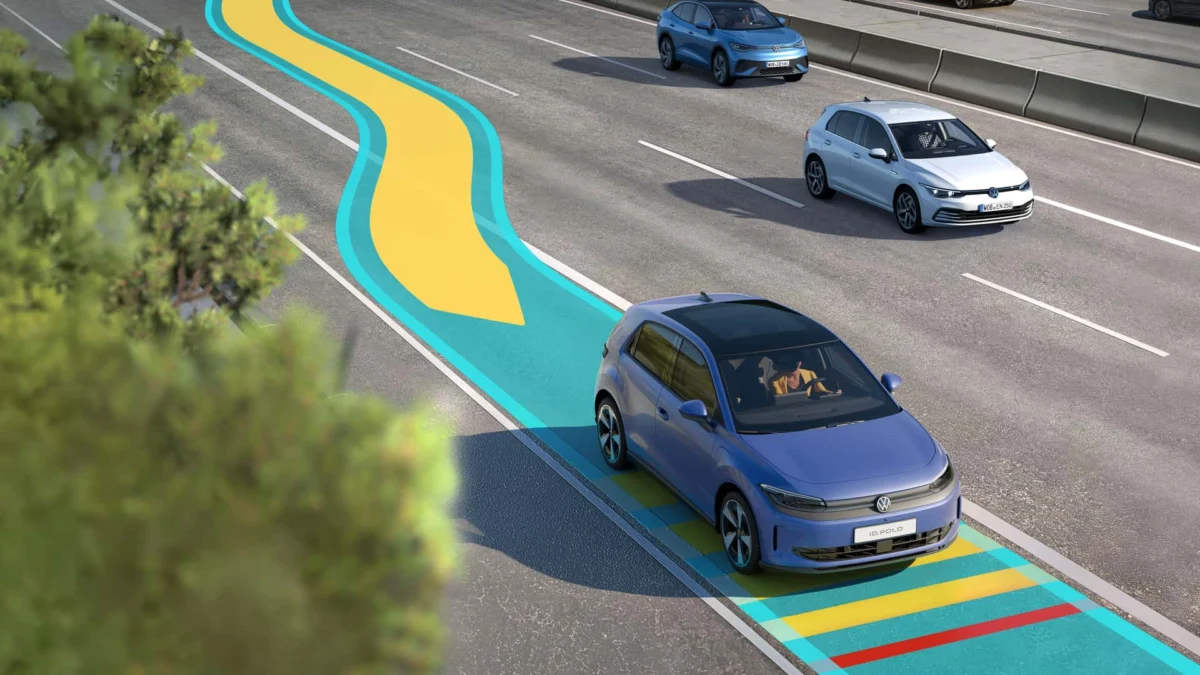
When a vehicle is traveling at speeds exceeding 45 miles per hour with Travel Assist engaged, a simple, partial press of the turn signal stalk triggers a series of automated checks. The vehicle utilizes its comprehensive array of radar and ultrasonic sensors to scan the blind spots and the target lane. Once the onboard computer determines that the maneuver is safe, the car executes the lane change autonomously.
This is not a "set-it-and-forget-it" system, but rather a collaboration. If the radar sensors detect traffic in the intended lane, the system does not simply give up; it holds the request for up to 12 seconds. During this window, the Digital Cockpit displays a directional arrow, keeping the driver informed of the vehicle’s intent while it waits for a sufficient gap in traffic to emerge.
Visual Ergonomics: Tailoring the Experience
One of the most nuanced aspects of the 2027 update is the attention to visual communication. Recognizing that drivers may move between different Volkswagen body styles—perhaps driving an ID.Buzz electric van on weekends and a combustion-engine Tiguan during the week—the company has implemented a distinct visual language.
In internal combustion models, the system utilizes a green directional arrow to signal that a lane change is pending or in progress. Conversely, the ID.Buzz features a unique white flashing arrow. This distinction is subtle yet significant, designed to prevent cognitive load issues for owners of mixed-powertrain households. Furthermore, if the target lane remains occupied beyond the 12-second threshold, a red hash warning appears, clearly indicating that the maneuver has been cancelled, ensuring that the driver is never left guessing the system’s status.
Emergency Assist Plus: The Ultimate Safety Net
Perhaps the most impressive technical leap in the 2027 suite is the introduction of "Emergency Assist Plus." Building upon the foundation of Volkswagen’s existing driver-monitoring technology, this system acts as a sophisticated fail-safe for medical emergencies or driver incapacitation.
If the sensors detect a lack of steering input for a sustained period, the vehicle initiates a multi-stage alert protocol. This begins with visual and acoustic warnings and progresses to "brake jerks"—short, sharp pulses of the braking system designed to regain the driver’s attention. If there is still no response, the vehicle assumes control, maintaining its lane and eventually bringing the car to a controlled, safe stop.
In its most advanced configuration, the system is capable of navigating the vehicle toward the right shoulder, engaging the hazard lights, bringing the car to a complete stop, shifting into Park, unlocking the doors, and automatically initiating an emergency call to local authorities. In instances where the shoulder is obstructed, the system is programmed to guide the vehicle to the rightmost lane of the highway, ensuring it does not remain a stationary hazard in high-speed traffic.
Predictive Technology and Infrastructure Awareness
Volkswagen’s Predictive Adaptive Cruise Control (PACC) has received a significant overhaul for the 2027 model year. By leveraging real-time map data and traffic sign recognition, the system anticipates road conditions—such as sharp curves, highway exits, and changing speed limits—long before they are visible to the driver.
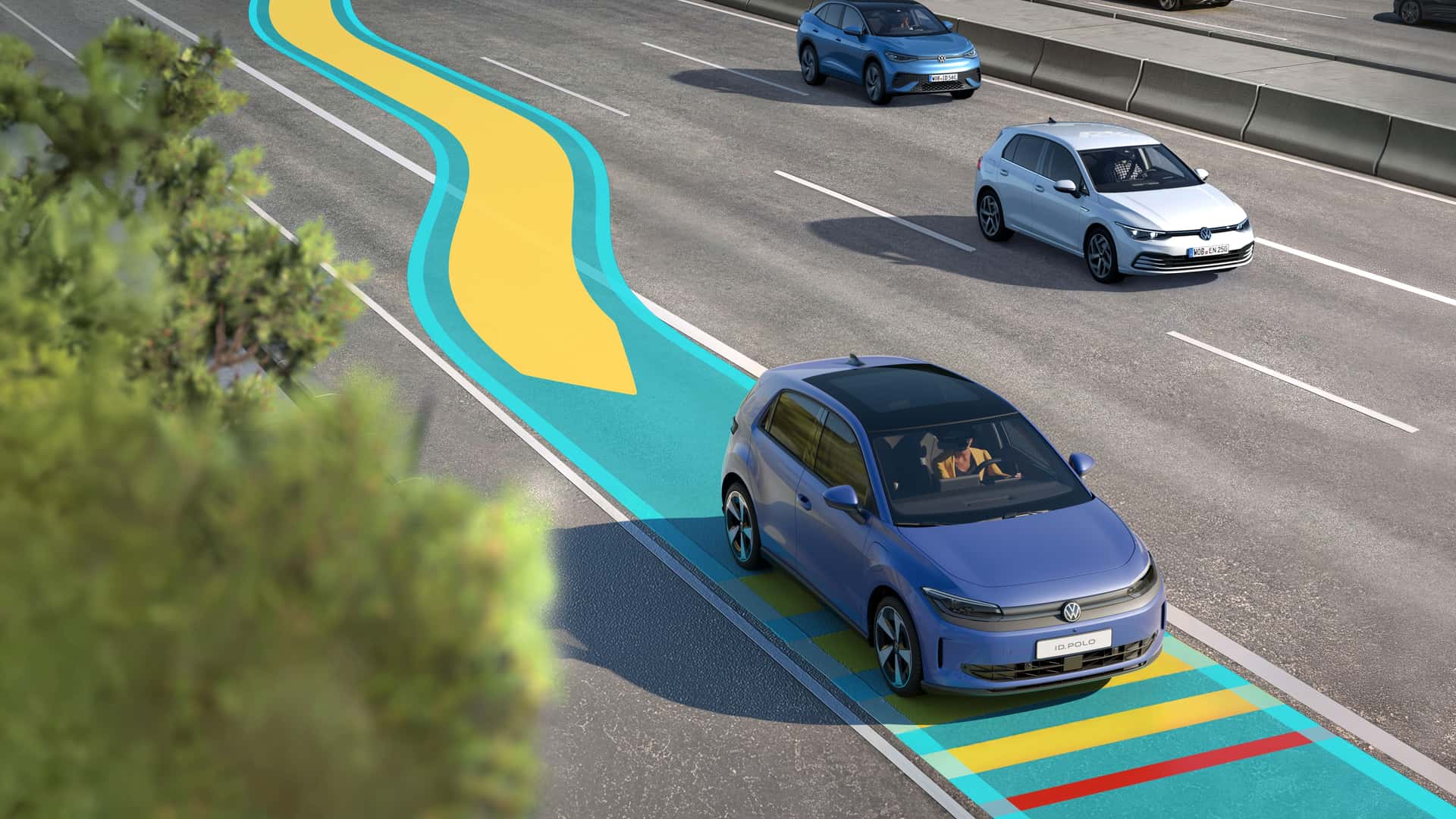
The 2027 update improves the software’s reaction time, allowing for a more fluid adjustment to speed changes. Crucially, the system now extends this management to highway ramps. When the navigation system is active or the turn signal is engaged, the PACC manages deceleration and lane positioning for exits. While this represents a high level of sophistication, Volkswagen is careful to maintain its branding as a Level 2 assisted driving system. The company emphasizes that while the car can handle the nuances of highway travel, the driver remains the primary supervisor, required to stay alert and ready to intervene at all times.
Supporting Data and Technical Integration
The integration of these features is supported by a robust data ecosystem. Road Experience Management (REM) data is now woven into the "In-Vehicle Premium" subscription model. For the 2027 ID.Buzz, this includes a one-year trial of premium services, including advanced navigation, high-speed Wi-Fi hotspot capabilities, and integration with the AirConsole gaming platform.
This move underscores the transition of the modern automobile into a software-defined platform. The ability to pull live traffic, road condition, and mapping data allows the IQ.Drive suite to function with a degree of foresight that static sensors alone could not achieve. The US-spec ID.Buzz, which serves as the flagship for this technology, is scheduled for a production restart in the summer of 2026, with consumer deliveries beginning in the early fall.
Official Stance and Safety Philosophy
Volkswagen has been clear in its messaging: IQ.Drive is an assistant, not a chauffeur. The company’s decision to keep the driver in the loop is a strategic choice aimed at both legal compliance and safety. By requiring a "driver-initiated" lane change, Volkswagen ensures that the human operator is actively engaging with the road, rather than passively observing the vehicle.
This approach mitigates the risks associated with "automation bias," where drivers become over-reliant on technology and lose their situational awareness. By keeping the hands on the wheel and the mind on the road, the driver serves as the ultimate arbiter of safety, while the system handles the repetitive tasks that contribute to driver fatigue on long journeys.
Implications for the Automotive Market
The 2027 Volkswagen update arrives at a critical juncture for the automotive industry. As regulators in the US and Europe begin to scrutinize the efficacy of ADAS (Advanced Driver Assistance Systems), Volkswagen’s focus on clear, intuitive, and redundant safety systems sets a high bar for competitors.
For the average consumer, these features translate to lower stress during long-distance commuting and increased protection in the event of unforeseen health crises behind the wheel. For the industry, the 2027 Golf, Tiguan, Atlas, and ID.Buzz serve as a test case for how legacy manufacturers can successfully bridge the gap between traditional mechanical engineering and modern, software-heavy automation.
Conclusion: The Road Ahead
The evolution of the Volkswagen IQ.Drive suite represents a pragmatic approach to vehicle autonomy. Rather than chasing the hype of "full self-driving," Volkswagen is focusing on the "assisted" aspect of driver assistance—making the car a better, more responsive partner on the road.
As these 2027 models begin to hit dealerships, the focus will shift to real-world performance. How will these sensors handle adverse weather? How will the system perform in the dense, erratic traffic of major metropolitan centers? The answers to these questions will be provided not by press releases, but by the millions of miles driven by everyday owners. For now, Volkswagen has provided a compelling vision of the future: one where the machine does the heavy lifting, but the driver remains the master of the journey. Prospective buyers are encouraged to visit their local dealers for a demonstration, as the nuance of these systems is best appreciated from behind the wheel.