Introduction: A Corporate Drama Unfolds
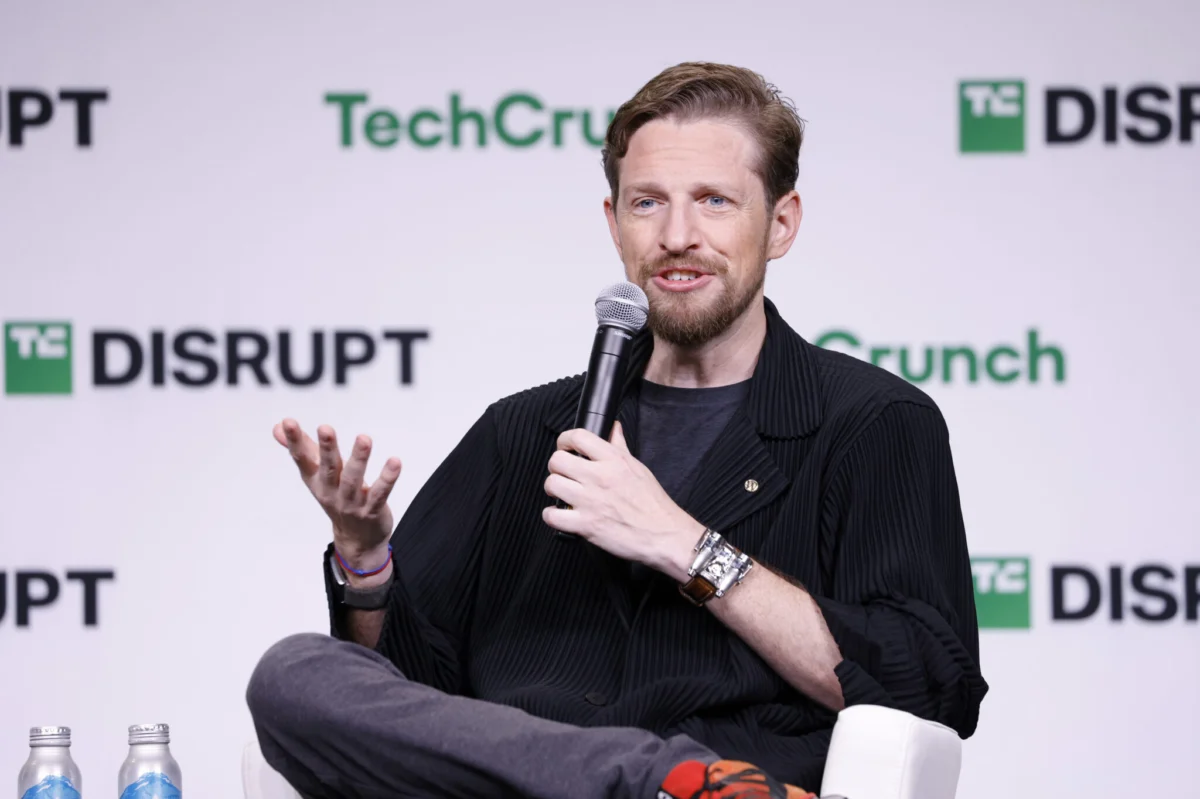
The tech industry is no stranger to boardroom volatility, but few sagas have been as unconventional, erratic, and public as the events that unfolded this past week at Automattic, the parent company of WordPress.com. In a sequence of events that reads more like a scripted political thriller than a corporate management transition, WordPress founder Matt Mullenweg was briefly ousted by his own board of directors, only to mount a defiant, unconventional, and ultimately successful resistance to regain control of the company.
As of late Saturday evening, Automattic has issued a formal statement confirming that Mullenweg remains the chairman and CEO of the company, backed by the "full support of the board." However, the path to this resolution was paved with internal power plays, accusations of conspiracy, and a bizarre digital trail that left the tech world questioning the stability of one of the internet’s most critical infrastructures.
The Chronology of a Corporate Coup
To understand the gravity of this week’s events, one must examine the rapid, almost hour-by-hour degradation of the relationship between the CEO and the governing board of Automattic.
The Ouster
The crisis began early in the week when the Automattic board of directors, acting with sudden finality, voted to place Matt Mullenweg on a mandatory paid leave of absence. The decision was shrouded in mystery; neither the board nor the company provided a clear rationale for the move. During this period, Chief Financial Officer Mark Davies was appointed as the interim CEO, a move the board described as having their "full confidence."
The "Pirate" Counter-Offensive
The boardroom decision was met with immediate, visceral resistance from Mullenweg. Rather than accepting the leave of absence, the founder took to the company’s internal Slack channels to push back. Sources within the company report that Mullenweg began removing other administrators from the platform, effectively seizing control of the internal communication architecture.
In a series of messages that shocked employees, Mullenweg alleged that the board members were "conspiring" against him. His tone shifted from professional to combative, at one point famously declaring, "I’m a pirate now," and abandoning his usual professional demeanor to use explicit language—a deviation from his established public persona. He further challenged the HR department to "wrangle him in," noting dismissively that his usual "wranglers" were occupied with the interim leadership of Mark Davies.
The "Houseboat" Distraction
As journalists and industry analysts scrambled to verify the status of the company, Mullenweg’s public-facing communication only deepened the confusion. When questioned by the press about his claim that he was "back in control," he pointed to an upcoming blog post as the source of truth. The resulting post, however, was a non-sequitur regarding the purchase of a new houseboat, leaving observers to wonder if the CEO was trolling his own board and the media alike. When asked to clarify, Mullenweg replied with characteristic cryptic flair: "I’m not a troll, I’m a pirate, obviously."
The Resolution
By Saturday, the volatility subsided into a structured, if brief, press release. A company spokesperson confirmed to TechCrunch that Mullenweg had officially returned to his position. The statement highlighted the support of "top executives and Automatticians," a nod to the public displays of loyalty Mullenweg had been curating on X (formerly Twitter) throughout the week.
Supporting Data and Personnel Flux
The chaos at the top was not contained to just the CEO’s office. Reliable reports indicate that the board’s composition has been in a state of flux. Among the most notable potential departures is that of Toni Schneider, a founding CEO of Automattic and a long-time member of its board.
Schneider, who currently leads the decentralized social media project Bluesky, has remained silent despite multiple inquiries from the press. His potential departure from the board—or his involvement in the failed ouster—suggests a deep-seated ideological or strategic rift within the company’s leadership. With Automattic declining to comment on the specifics of board changes, industry analysts are left to speculate whether the failed coup was an attempt to change the strategic direction of the company, perhaps regarding its approach to open-source governance or its commercial trajectory.
Official Responses and Public Sentiment
The contrast between the official corporate communications and the personal messaging of the CEO has been stark. Throughout the week, the company’s official stance remained that the situation was a standard, albeit sensitive, HR matter.
Conversely, Mullenweg’s social media presence served as a rallying cry. By reposting supportive messages from employees and industry peers on X, he effectively turned a private boardroom dispute into a public popularity contest. This strategy appears to have been successful; by demonstrating that he still held the "hearts and minds" of the workforce, he put the board in an untenable position. To enforce his removal would have been to risk a mass exodus of talent or a total breakdown of internal operations—a risk the board seemingly decided was too high.
Mullenweg’s own reflection on the event, noted on X, suggests he viewed the attempt as part of a recurring pattern. He characterized the week as the "fifth time" he had faced a "coup," implying that the structure of Automattic’s governance is fundamentally built to withstand such internal pressures.
Implications: The Future of WordPress and Automattic
The implications of this week’s events are profound for the WordPress ecosystem, which powers a significant portion of the global web.
Governance and Stability
The primary concern for the open-source community is the stability of the company behind their primary tool. If the CEO can be ousted and then return through a display of internal defiance, it raises questions about the efficacy and power of the board of directors. Does the board still have real authority, or has the company moved toward a "founder-dictated" model where the board’s influence is purely symbolic?
The "Pirate" Corporate Culture
Mullenweg’s decision to characterize himself as a "pirate" and engage in what appeared to be psychological warfare within the company’s Slack channel is a double-edged sword. To his supporters, it reflects a bold, authentic leader fighting for his vision. To critics, it suggests a lack of professional restraint that could alienate investors, partners, and enterprise clients who rely on Automattic for mission-critical web services.
Strategic Uncertainty
While the immediate crisis has passed, the underlying causes remain unaddressed. If there was a legitimate concern regarding Mullenweg’s leadership, those concerns have likely not evaporated simply because the board backed down. The lack of transparency regarding the initial attempt to remove him suggests a failure in communication that will continue to cast a shadow over Automattic’s operations.
Furthermore, the involvement of figures like Toni Schneider highlights the tension between the "old guard" of the internet—those who built the foundational web—and the current direction of companies like Automattic, which are increasingly under pressure to monetize and scale in a competitive AI-driven market.
Conclusion: A Precarious Peace
The "pirate" is back at the helm, but the ship has sustained damage. The events of the last week have provided a rare, behind-the-curtain look at the internal fragility of a company that is, for all intents and purposes, a pillar of the modern internet. While the official line is one of unity and restored leadership, the tech community remains wary.
For now, the WordPress ecosystem continues to run, the servers remain live, and the code continues to be pushed. However, the events at Automattic serve as a reminder that even the most established digital empires are only as stable as the human relationships—and the governance structures—that underpin them. Whether this week was a necessary correction or the beginning of a long, slow decline remains to be seen. One thing is certain: the corporate culture at Automattic has been fundamentally altered, and the gaze of the tech world will be fixed on the company’s next move with unprecedented scrutiny.