The overlanding movement has evolved from a niche hobby for off-road purists into a multi-billion-dollar global industry. As consumers increasingly trade hotel stays for remote wilderness basecamps, automakers are scrambling to capitalize on the "ready-to-ramble" lifestyle. Ford, having successfully resurrected the Bronco as a formidable rival to the Jeep Wrangler, now appears to be eyeing a deeper, more permanent stake in the adventure-vehicle market.
Recent filings with the U.S. Patent and Trademark Office suggest that the Blue Oval is exploring sophisticated, factory-integrated solutions to turn the Ford Bronco into a turnkey overlanding platform. While the aftermarket community has long dominated this space with modular roof racks and universal tents, Ford’s latest patents hint at a more cohesive, high-tech approach to life on the trail.
The Evolution of the Factory Overlander
For decades, the concept of a "camping vehicle" was largely defined by the campervan or the heavy-duty pickup with a slide-in camper. However, the rise of the modern mid-size SUV—led by the Bronco and the Toyota 4Runner—has shifted the focus toward modularity.
The current overlanding market is defined by a "bolt-on" culture. Enthusiasts purchase a base vehicle and subsequently outfit it with third-party rooftop tents, specialized lighting, and storage systems. While effective, this creates a fragmented ecosystem where warranty coverage is often voided by modifications, and aerodynamics are frequently sacrificed for utility.
Ford’s strategic shift suggests they are analyzing the pain points of this aftermarket reliance. By moving these solutions in-house, Ford could theoretically offer a vehicle that is optimized for long-term habitation straight from the factory floor, backed by a comprehensive manufacturer’s warranty—a significant value proposition for the risk-averse adventurer.
Decoding the Patent: A New Vision for Basecamp
The patent filings detail a series of ingenious design tweaks aimed at maximizing the Bronco’s relatively modest interior footprint.
In-Car Sleeping and Storage Innovations
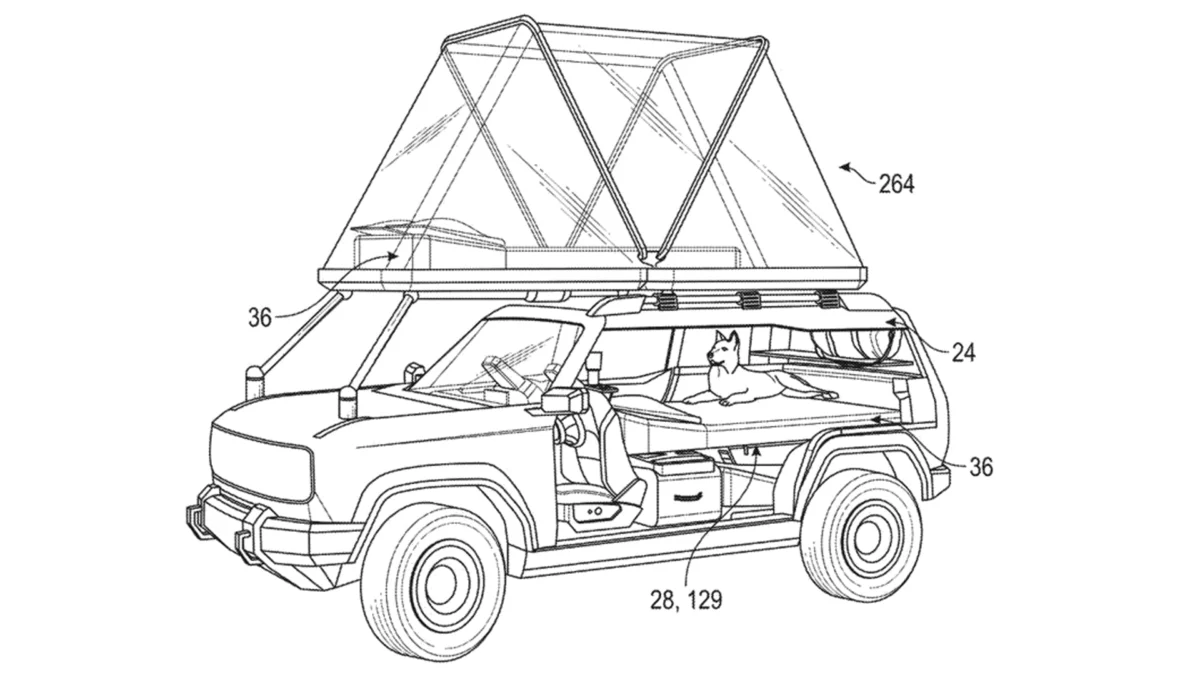
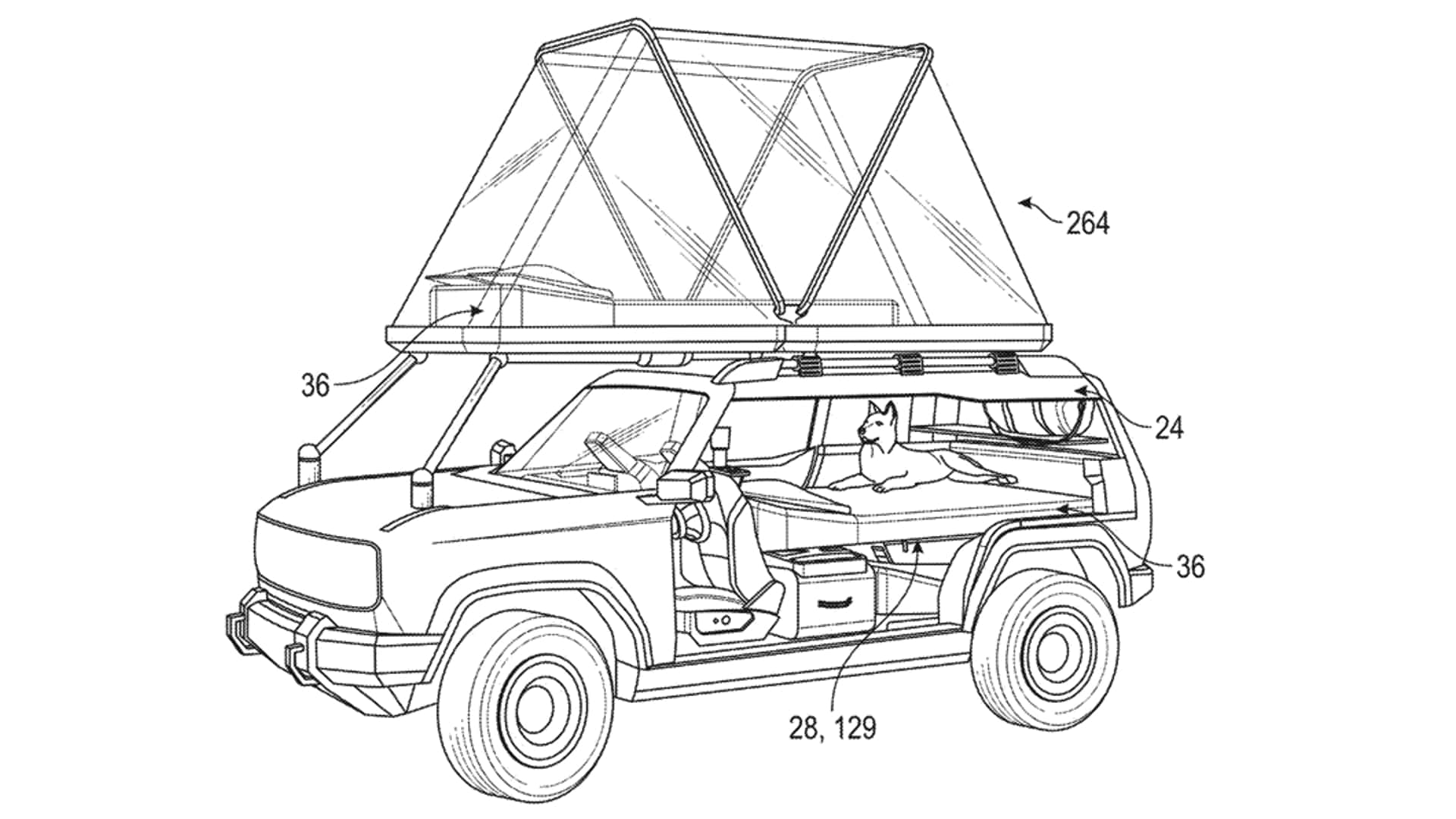
Perhaps the most intriguing element of the patent is a folding platform system designed to create a flat, ergonomic sleeping surface within the vehicle’s cabin. By leveraging the existing seat geometry, Ford proposes a layout that allows the front-row seatbacks to flip or transition into functional nightstands. This solves the classic "where do I put my phone and flashlight" problem inherent in most SUV camping setups.
Rooftop Tent Integration
The proposed tent systems move beyond the universal clamps currently sold by third-party retailers. The patents outline multiple configurations, with the most ambitious design featuring stabilized support legs that extend directly into the Bronco’s fender gunwales. This would provide superior structural rigidity, potentially allowing for larger, more stable tent structures that can withstand inclement weather better than traditional roof-rack-mounted alternatives.
The "Second Floor" Access
The patents also highlight innovative methods for accessing elevated sleeping quarters. Rather than requiring users to climb up a side-mounted ladder—a move that can be difficult in tight spaces or muddy terrain—Ford is exploring ways to utilize the sunroof or a full-length, retractable roof opening. This creates a direct, indoor-to-outdoor transition, effectively turning the vehicle into a two-story habitat.
Furthermore, the inclusion of integrated mesh coverings for these large roof apertures suggests a focus on the "star-gazing" experience, allowing campers to remain protected from insects while maintaining a direct connection to the environment.
Chronology: How the Bronco Became an Overlanding Icon
The journey of the Bronco toward an overland-ready platform has been a calculated, multi-year progression:
- 2020-2021: The Ford Bronco officially returns to the market, generating unprecedented hype. Ford immediately launches the "Built Wild" accessory program, signaling that customization is a core pillar of the vehicle’s identity.
- 2022: The introduction of the Bronco Raptor and the Everglades trim expands the vehicle’s capabilities, proving that Ford is listening to the technical demands of extreme off-roaders.
- 2023: Aftermarket companies solidify their hold on the Bronco space, releasing everything from solar-powered refrigerators to specialized modular kitchen units.
- 2024: Ford’s patent filings emerge, marking the company’s intent to reclaim the "adventure-ready" narrative by integrating these features into the core design architecture rather than relegating them to the accessory catalog.
Supporting Data: The Market Shift
The demand for these features is supported by massive growth in the outdoor recreation sector. According to the Outdoor Industry Association, the number of Americans participating in outdoor activities reached record highs in the post-pandemic era.
The "Overland Expo" series, which showcases gear for off-grid travel, has seen attendance growth of over 300% in the last five years. Within this demographic, the "turnkey" buyer is emerging as a major segment. These consumers are often high-income professionals who have the budget for a premium SUV but lack the time or technical expertise to install complex aftermarket gear.
For Ford, the math is simple: if they can bundle $5,000 to $10,000 worth of "overland-specific" upgrades into a specialized trim package, they can increase the average transaction price (ATP) while simultaneously locking the customer into the Ford ecosystem for service and parts.
Competitive Landscape: The "TrailHunter" Effect
Ford is not operating in a vacuum. Toyota’s recent launch of the "TrailHunter" trim for the Tacoma and Tundra series has set a new gold standard for factory-backed off-road equipment. By partnering with premium brands like ARB and OME, Toyota has proven that consumers are willing to pay a premium for a vehicle that comes pre-outfitted with high-quality gear.
Ford’s current patent strategy is likely a direct response to the TrailHunter. While Toyota focused on suspension and armor, Ford’s patents suggest they may be looking to differentiate the Bronco by focusing on habitability. If the Bronco can offer a superior "living" experience—through better sleeping arrangements and interior climate control—it could successfully steal market share from Toyota among the glamping and weekend-adventure demographics.
Implications for the Consumer and the Industry
Should these patents reach production, the implications for the automotive landscape would be significant:
- Warranty and Reliability: Currently, when an owner installs a heavy rooftop tent, they risk stressing roof mounts and vehicle pillars. If Ford designs these mounting points as part of the vehicle’s structural integrity, the fear of roof fatigue or safety issues vanishes.
- Financing the Adventure: Including these upgrades at the factory level means they can be rolled into the vehicle’s monthly payment. For many, this makes an "overland-spec" Bronco far more accessible than buying a stock SUV and financing $15,000 in aftermarket parts separately.
- Resale Value: A vehicle with factory-integrated, branded camping gear typically retains value better than one with a collection of third-party modifications that may or may not have been installed correctly.
- The "Bronco Lifestyle" Brand: Ford is clearly attempting to pivot the Bronco from being just an "off-roader" to a "lifestyle hub." This is essential for the brand’s longevity, as it creates an emotional attachment that transcends mere horsepower and torque figures.
The Road Ahead
While a patent is not a guarantee of a production model, it is a clear indicator of R&D investment. It is highly probable that we will see a "Bronco Overland" or "Bronco Basecamp" trim level within the next 24 to 36 months.
The question remains: will the aftermarket industry survive this shift? History suggests it will thrive. Just as Jeep enthusiasts continue to modify their vehicles even after buying factory-rubicon editions, Bronco owners will likely use the Ford-integrated base as a starting point for even more extreme modifications.
Ford’s strategy here is a masterclass in reading the room. They understand that the future of the automotive industry isn’t just about how fast a vehicle can climb a rock, but how comfortable the driver is when they reach the top. By focusing on the intersection of rugged capability and domestic comfort, Ford is positioning the Bronco to be the undisputed king of the modern, civilized wilderness.
As we look toward the next iteration of the Bronco, it is becoming increasingly clear: the era of the "ready-to-ramble" factory rig has arrived, and Ford intends to lead the pack.