By International Affairs Desk
September 8, 2026
The relative silence that blanketed the Ukrainian capital of Kyiv for the past 72 hours has been shattered. In a stark demonstration of the fragility of modern diplomacy, Russia launched a significant aerial offensive against Kyiv on Tuesday morning, effectively terminating an unstated, three-day operational pause that had coincided with high-level diplomatic discussions between the United States and Moscow.
The renewed bombardment serves as a grim reminder that despite back-channel communications and the persistent efforts of international mediators, the military conflict remains locked in a cycle of attrition. As air raid sirens echoed across the metropolitan area, the message from the Kremlin appeared clear: geopolitical dialogue will not dictate the tempo of military operations.
Main Facts: The Return to Attrition
The strike, which began in the early hours of September 8, involved a coordinated barrage of long-range cruise missiles and swarms of Iranian-designed Shahed-style loitering munitions. According to the General Staff of the Armed Forces of Ukraine, the attack targeted critical infrastructure in the northern and eastern districts of Kyiv.
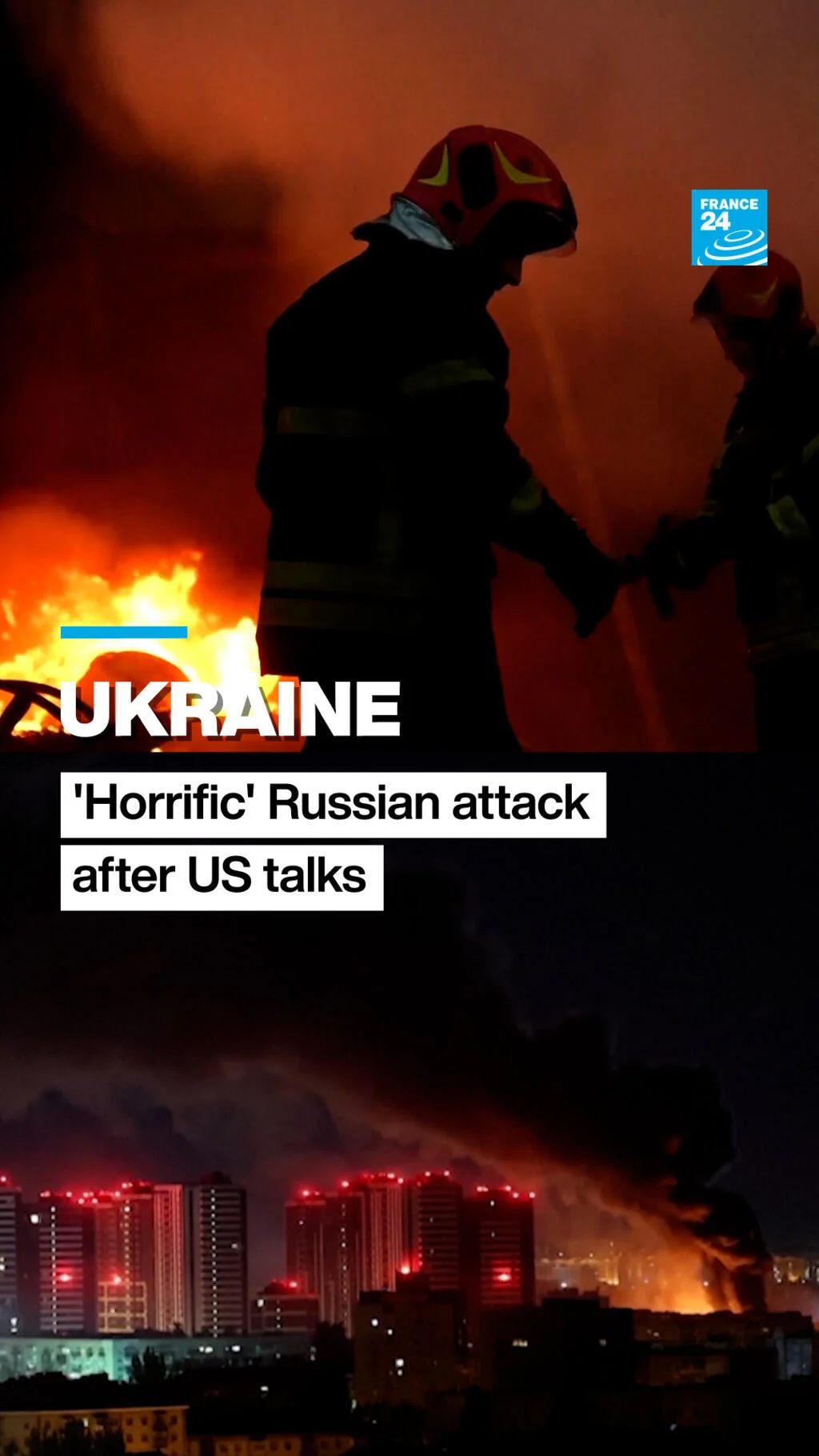
While Ukrainian air defense systems—bolstered by Western-supplied Patriot and NASAMS batteries—reportedly intercepted the majority of the incoming projectiles, the psychological impact of the strike is profound. Debris from intercepted drones fell in residential areas, causing localized fires and forcing thousands of civilians back into the subterranean safety of metro stations and basement shelters.
This escalation comes at a pivotal moment. The three-day window of relative quiet had fueled cautious optimism among international observers that a "de-escalation framework" might be under discussion. Instead, the sudden resumption of hostilities suggests that the Russian military leadership is signaling its intent to maintain pressure on the Ukrainian capital, regardless of ongoing diplomatic overtures.
A Chronology of the 72-Hour Lull and the Resumption of Fire
To understand the weight of this morning’s attacks, one must examine the timeline of the preceding days.
- September 5: Following intense rounds of diplomatic communication between Washington and Moscow, satellite intelligence and local monitors noted a marked decrease in Russian strategic aviation activity. For the first time in weeks, Kyiv experienced a period of relative calm.
- September 6: International markets reacted with a slight uptick in optimism as analysts speculated that the "lull" was a precondition for a more formal dialogue regarding energy security and civilian infrastructure protection.
- September 7: Senior US officials, speaking on condition of anonymity, indicated that the lull was being viewed as a "critical window" to establish a more stable communication channel. However, military analysts warned that the absence of shelling did not constitute a cessation of hostilities.
- September 8, 04:00 AM: The silence ended. Early warning systems detected the launch of missiles from Tu-95 strategic bombers over the Caspian Sea.
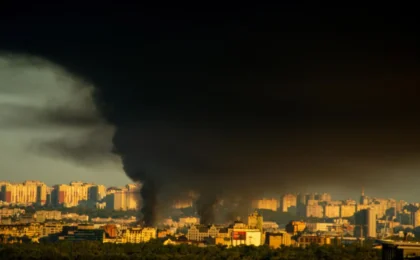
- September 8, 06:15 AM: The first explosions rocked the Kyiv suburbs, as air defense systems engaged targets. The city’s emergency services were placed on high alert, ending the short-lived reprieve for the civilian population.
Supporting Data: The Cost of the Conflict
The intensity of the current bombardment is not an anomaly but a continuation of a strategy focused on "systemic pressure." Since the start of the year, data from the Kyiv City Military Administration indicates that the frequency of aerial attacks has increased by approximately 15% compared to the same period in 2025.
Infrastructure Vulnerability
The focus of these attacks remains largely unchanged: energy distribution hubs, water purification plants, and telecommunications towers. By targeting these nodes, Russia aims to degrade the quality of life in urban centers, forcing the Ukrainian government to divert limited financial resources from the front lines toward domestic recovery and emergency repairs.
The Human Cost
While the government of Ukraine maintains strict operational security regarding casualty figures, reports from the Kyiv Municipal Health Department confirm that emergency rooms are seeing an increase in trauma cases related to blast injuries. Furthermore, the economic cost of these interruptions is mounting, with the World Bank estimating that each day of sustained air raids costs the Ukrainian economy roughly $450 million in lost productivity and repair costs.

Official Responses: Diplomacy vs. Reality
The diplomatic fallout from the renewed shelling was swift and biting.
The Ukrainian Perspective
President Volodymyr Zelenskyy, in an address following the attacks, described the Russian action as a "deliberate provocation aimed at the heart of international diplomacy." He argued that the timing of the strike was not accidental, but a calculated effort to humiliate the mediators involved in the recent US-Russian talks. "One does not negotiate with a sword hanging over their head," a spokesperson for the Ukrainian Foreign Ministry added.
The Russian Position
The Kremlin has maintained a policy of ambiguity. When questioned about the cessation and resumption of the attacks, Russian military spokespeople referred to the strikes as "routine operations aimed at the demilitarization of the Ukrainian regime." There was no mention of the US-led diplomatic efforts, signaling a possible disconnect between Russia’s civilian diplomatic corps and its military high command.
The US Response
In Washington, the State Department issued a statement condemning the strikes as "reckless and irresponsible." A senior official noted that the administration remains committed to pursuing diplomatic channels, even when faced with "clear evidence that the other side is not operating in good faith." The US has reaffirmed its commitment to the defense of Ukraine, with promises of additional air defense interceptors to be delivered in the coming weeks.
Implications: What Comes Next?
The resumption of hostilities in Kyiv carries significant implications for the future of the conflict and global security.
1. The Death of the "Lull"
The primary implication is the definitive end of the "lull" hypothesis. It is now evident that any pause in Russian activity is likely a tactical necessity—such as the refitting of aircraft or the repositioning of cruise missile stockpiles—rather than a strategic shift toward peace. The international community must adjust its expectations: the war is likely to remain in this high-intensity phase for the foreseeable future.
2. Escalation Risks
By targeting Kyiv while high-level diplomatic talks are technically ongoing, Moscow has signaled a high tolerance for risk. This could lead to a hardening of the US stance, potentially resulting in the removal of restrictions on the use of Western-provided long-range missiles against military airfields inside Russia. The "red lines" that have guided the conflict since 2022 are becoming increasingly blurred.
3. Civilian Resilience and Economic Pressure
As winter approaches, the vulnerability of Ukraine’s energy grid remains the most critical variable. The resumption of these attacks suggests that Russia intends to maximize the hardship of the Ukrainian civilian population as the temperature drops. This places immense pressure on Western allies to provide not just weapons, but also the hardware necessary to rebuild the energy sector—an expensive and logistics-heavy endeavor.
4. The Diplomatic Deadlock
The failure of the three-day quiet period to produce a tangible breakthrough underscores the profound lack of trust between the warring parties. Diplomacy in this context has become a secondary instrument, often used to buy time or gain a public relations advantage, rather than a genuine tool for conflict resolution.
Conclusion
The smoke rising over the suburbs of Kyiv on this Tuesday morning is a stark reminder of the realities of the modern battlefield. The brief period of silence was a fragile hope that has been systematically dismantled by the return of ballistic and aerial violence. As the world watches, the conflict continues to demonstrate its capacity to defy diplomatic logic, remaining a war of iron, silicon, and endurance. For the residents of Kyiv, the immediate future holds more of what has defined the last several years: the sound of sirens, the resilience of the community, and the persistent, unyielding shadow of a war that refuses to be silenced by words alone.