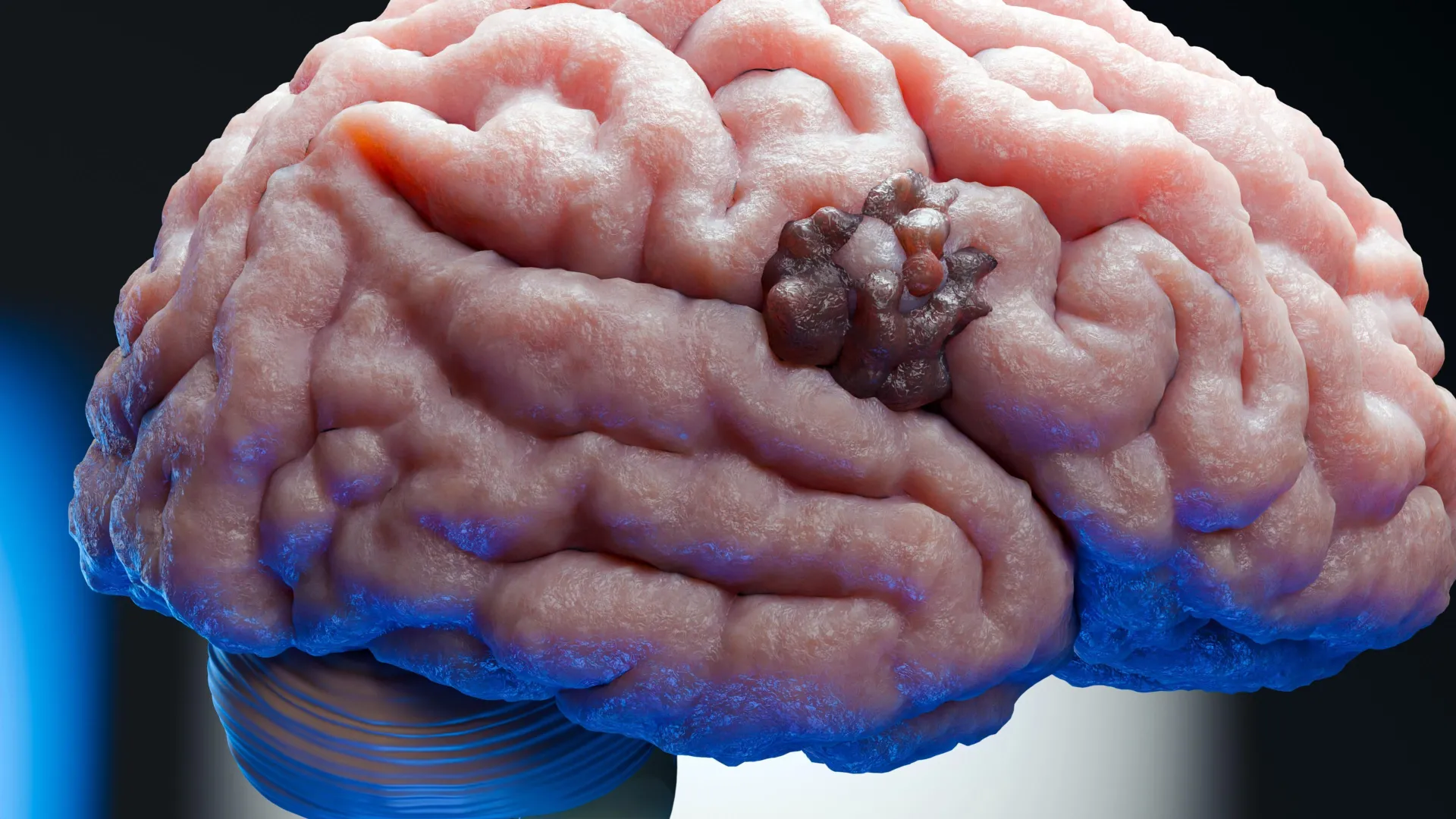
Glioblastoma (GBM) remains one of the most formidable challenges in modern oncology. Characterized by its aggressive nature and a ruthless ability to evade standard medical interventions, this primary brain tumor has long frustrated clinicians and patients alike. For decades, the standard of care—a grueling regimen of surgical resection, radiation, and chemotherapy—has seen little evolution, often yielding only modest extensions in survival.
However, a groundbreaking study from The Ohio State University Comprehensive Cancer Center – Arthur G. James Cancer Hospital and Richard J. Solove Research Institute (OSUCCC – James) may have finally identified a chink in the armor of this resilient malignancy. By focusing on a specific protein known as SET, researchers have uncovered a biological pathway that, if effectively inhibited, could sensitize glioblastoma cells to existing therapies, effectively turning the cancer’s own survival mechanisms against it.
The Core Discovery: Neutralizing the SET Protein
The research, published in the May 2026 issue of Cancer Letters, centers on the enzyme PP2A. In healthy cells, PP2A acts as a critical regulator of cellular signaling, governing growth, survival, and the repair of DNA damage. In glioblastoma, however, this regulatory machinery is hijacked. The cancer cells deploy a trio of inhibitory proteins—ANP32A, CIP2A, and specifically, SET—to suppress PP2A activity, thereby allowing the tumor to grow unchecked and survive the onslaught of radiation and chemotherapy.
The research team found that by suppressing the SET protein in preclinical laboratory and animal models, they could effectively prevent tumor development. More importantly, when they interfered with SET and its related proteins, the cancer cells lost their "shield," becoming significantly more vulnerable to radiation therapy. This discovery represents a fundamental shift in strategy: rather than attempting to replace the current standard of care, the researchers are developing a way to "prime" the cancer to be more susceptible to the treatments already in use.
Chronology: A Path to Understanding GBM Resistance
The journey to these findings was not an overnight success but the result of a long-term investigation into the cellular mechanics of brain cancer.
- Early Phase: Researchers at the OSUCCC – James began by mapping the survival signals within glioblastoma cells. They sought to understand why GBM cells frequently withstand high-dose radiation—a phenomenon known as radioresistance.
- The Target Identification: Through comparative analysis, the team identified that PP2A activity was consistently low in aggressive GBM samples. This led them to investigate the inhibitors of PP2A. They isolated SET, ANP32A, and CIP2A as the primary culprits responsible for "silencing" the tumor-suppressing functions of PP2A.
- Preclinical Validation: Over the past several years, the team utilized both in vitro (cell culture) and in vivo (animal) models to observe what happened when these inhibitors were blocked. The data was consistent: blocking SET triggered a cascade that led to decreased cancer cell survival and increased sensitivity to radiation.
- Drug Screening: Recognizing the clinical potential, the team screened existing compounds. They discovered that an FDA-approved antipsychotic drug possessed the unique ability to increase PP2A activity, offering a potential repurposing strategy that could accelerate clinical translation.
- Publication: The findings were formally peer-reviewed and published in Cancer Letters in May 2026, marking a significant milestone in the ongoing effort to modernize GBM treatment.
Supporting Data: Why PP2A Matters
The biological importance of the PP2A enzyme cannot be overstated. PP2A serves as a master "on/off" switch for numerous signaling pathways that determine whether a cell will repair itself or undergo apoptosis (programmed cell death).
In the OSUCCC – James study, the data revealed that glioblastoma cells rely on a sophisticated defense network. When radiation induces DNA damage, the cell typically triggers a repair response. If the damage is too great, the cell should commit "suicide." However, in glioblastoma, the suppression of PP2A by SET prevents the signaling necessary for this death response. By blocking SET, the researchers effectively "re-enabled" the cell’s natural death-signaling pathways.
The preclinical data showed that in mice models, the combination of SET suppression and radiation therapy resulted in significantly reduced tumor volume compared to radiation therapy alone. This synergy suggests that the "biological ceiling" of current glioblastoma treatment might be raised significantly by simply restoring the cell’s inherent regulatory enzymes.
Official Responses: Insights from the Frontlines
Dr. Arnab Chakravarti, MD, chair of radiation oncology at the OSUCCC – James and lead investigator on the study, emphasized the clinical necessity of this approach.
"Glioblastoma is hard to treat because it can adapt and survive," Dr. Chakravarti noted in a press statement. "Our findings suggest that restoring PP2A activity may make glioblastoma cells less able to survive treatment. That gives us a clear path to test whether this approach can make radiation and chemotherapy more effective for patients with GBM."
Dr. Chakravarti’s perspective highlights the pragmatic nature of the study. By focusing on a targetable protein—SET—the team is moving toward a more personalized approach to oncology. Rather than viewing the tumor as a monolithic entity, they are looking at the specific proteins that allow it to "outsmart" the patient’s medical team.
Regarding the potential use of the FDA-approved antipsychotic drug identified in the study, Dr. Chakravarti offered a word of caution. "This is an important first step," he said. "By understanding how SET and related PP2A blockers help GBM survive treatment, we can test ways to block that protection and make current therapies more effective." He explicitly warned that the drug is not yet ready for use as a GBM treatment and should not be taken by patients outside of the controlled environment of a clinical trial.
Implications: A New Era for GBM Therapy?
The implications of the OSUCCC – James research are broad and potentially transformative.
1. The Strategy of "Sensitization"
The most significant implication is the shift from "killing the tumor" to "sensitizing the tumor." Because GBM cells are so heterogeneous—meaning they have different genetic profiles—they often develop resistance to single-agent therapies. By targeting the underlying survival machinery (the PP2A pathway), clinicians may be able to force the cancer to become vulnerable to the radiation it currently ignores.
2. Repurposing Existing Drugs
The discovery that an existing, FDA-approved antipsychotic can influence the PP2A pathway is a massive advantage. Drug development in oncology typically takes over a decade and costs billions of dollars. If a pre-existing, safe, and regulated drug can be repurposed to enhance the efficacy of radiation, the timeline for bringing this treatment to the clinic is drastically shortened.
3. Future Clinical Trials
The next phase of this research will involve rigorous clinical trials to determine safety and efficacy. Researchers must now identify the optimal dosage and delivery methods for targeting SET without disrupting healthy brain tissue. This will involve phase I and phase II trials aimed at establishing a "therapeutic window" where the drug can safely inhibit SET in tumor cells while sparing normal neurons.
4. A Template for Other Cancers
While this research focuses on glioblastoma, the role of PP2A as a tumor suppressor is well-documented in other cancers, including certain types of leukemia and breast cancer. If the strategy of "re-enabling" PP2A proves successful in the brain, it could serve as a foundational template for treating other treatment-resistant malignancies.
Conclusion: A Cautious Optimism
The findings from the OSUCCC – James team represent a beacon of hope in the often-bleak landscape of glioblastoma treatment. By identifying the SET protein as a pivotal node in the cancer’s survival network, researchers have provided a specific, actionable target that could fundamentally change how we approach brain tumors.
However, the medical community remains cautiously optimistic. As the authors themselves noted, the research is still in the preliminary stages. The transition from a laboratory bench to a patient’s bedside is fraught with challenges, and much work remains to be done regarding drug delivery, potential side effects, and long-term efficacy.
For patients and families facing a glioblastoma diagnosis, the primary takeaway is that the scientific community is making real, measurable progress. We are moving beyond the "one-size-fits-all" era of oncology and into a future defined by molecular precision—where we don’t just hit the cancer harder, but we hit it smarter. The study published in Cancer Letters stands as a testament to the power of fundamental research, reminding us that sometimes, the most effective way to defeat an enemy is to understand exactly how it sustains itself.
The path forward—supported by the National Institutes of Health, the National Cancer Institute, and The Ohio State University Comprehensive Cancer Center—will be paved with clinical trials and further verification. While a cure for glioblastoma is not yet in hand, the identification of the SET protein brings us one significant step closer to a day when this lethal disease can be managed, controlled, and ultimately overcome.