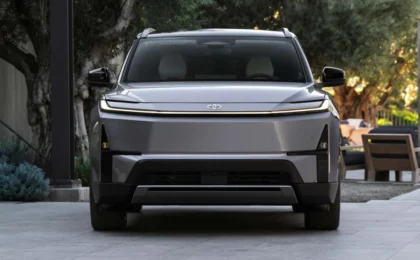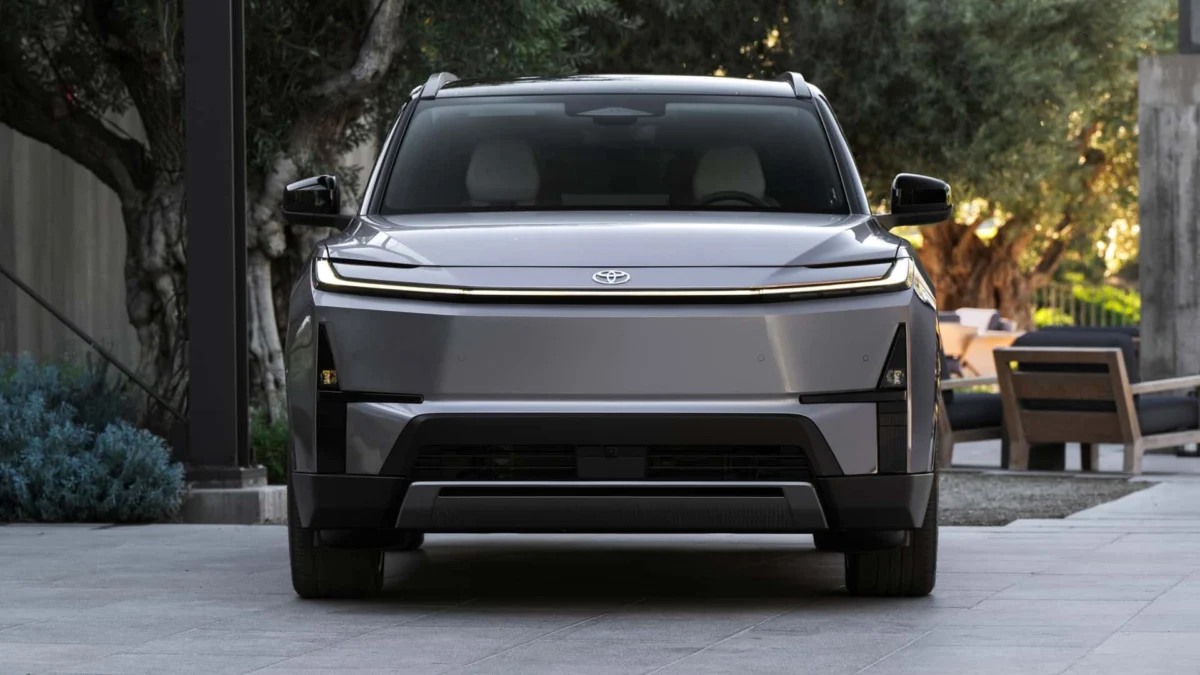
The automotive industry is currently navigating a complex transition toward electrification, and even the most seasoned manufacturers are finding that the road to an all-electric future is rarely a straight line. Toyota, the global titan of hybrid technology, has officially signaled that its highly anticipated three-row electric SUV—the Toyota Highlander EV—will arrive later than originally projected. Initially slated for a mid-2026 debut, the vehicle is now expected to hit the market between mid-2027 and the end of the same year.
This delay, reported first by Nikkei Asia, represents a significant tactical adjustment for the Japanese automaker. Rather than rushing into a crowded and highly competitive electric vehicle (EV) segment with a product that fails to meet its stringent internal benchmarks, Toyota has chosen to prioritize refinement and rigorous final-stage testing.
The Chronology of the Shift
Toyota’s trajectory toward the Highlander EV has been deliberate and methodical. Unlike competitors that pivoted aggressively toward full battery-electric vehicle (BEV) portfolios, Toyota opted for a more cautious, diversified approach. By focusing heavily on its industry-leading hybrid and plug-in hybrid (PHEV) platforms, the company maintained profitability while gradually scaling its electrification infrastructure.
- The Original Roadmap: When Toyota first teased the expansion of its North American EV lineup, the three-row electric SUV—later identified as the Highlander EV—was pinned to a 2026 launch window. This was intended to coincide with the broader rollout of Toyota’s next-generation battery technologies.
- The Internal Assessment: As development moved through the prototype and validation phases, internal reviews likely identified areas requiring further optimization. According to industry insiders, the decision to push back the launch date by four to 12 months was not a reaction to a single failure, but rather a holistic desire to ensure that the vehicle meets the "Toyota standard" for reliability and performance.
- Current Outlook: With the revised timeline, the Highlander EV is now set to arrive at dealerships in late 2027. This extension provides the engineering teams at Toyota’s U.S. manufacturing facilities additional breathing room to integrate final software patches, optimize battery thermal management, and finalize the production processes at the Kentucky plant where the vehicle is expected to be built.
Supporting Data: What We Know About the Highlander EV
Despite the delay, the excitement surrounding the Highlander EV remains palpable. The "Highlander" nameplate is one of the most recognizable and trusted in the automotive world, serving as a pillar of family-oriented transportation for over two decades. Transitioning this badge to a full-electric powertrain is a high-stakes move for Toyota.
Technical Specifications and Performance Targets
The Highlander EV is designed to compete in the heart of the family SUV market. Early data suggests a platform that balances utility with efficiency:
- Range Capabilities: Toyota is targeting a competitive baseline, with the entry-level front-wheel-drive (FWD) model projected to offer at least 287 miles of range on a single charge.
- Long-Range Variants: For consumers looking to mitigate range anxiety, an upgraded version featuring a higher-capacity battery pack is expected to exceed 320 miles of range, placing it firmly in the hunt against established rivals like the Kia EV9 and the Rivian R1S.
- Manufacturing Prowess: The Highlander EV will be the first electric vehicle to be manufactured by Toyota on U.S. soil. This is a critical strategic pivot, as domestic production will allow Toyota to better manage supply chain logistics and potentially qualify for federal tax incentives, making the vehicle more attractive to American consumers.
The Strategic Rationale: Why "Half-Baked" Is Not an Option
In the modern automotive landscape, software-defined vehicles (SDVs) have fundamentally changed the stakes of a product launch. A vehicle that is "half-baked" at release—plagued by buggy infotainment, connectivity issues, or inefficient battery management—can irreparably damage a brand’s reputation.
For Toyota, the "Highlander" name is a legacy asset. It is synonymous with longevity and low cost-of-ownership. Launching an electric version that struggles with charging infrastructure compatibility or poor cold-weather range performance would be a strategic disaster. By delaying the launch, Toyota is signaling to its stakeholders and customers that it would rather weather a short-term market disappointment than risk a long-term brand equity decline.
Furthermore, this delay allows Toyota to benefit from the ongoing maturation of the EV charging ecosystem. By entering the market in 2027, the Highlander EV will arrive at a time when the North American Charging Standard (NACS) and high-speed DC fast-charging networks will be more ubiquitous and reliable than they are today.
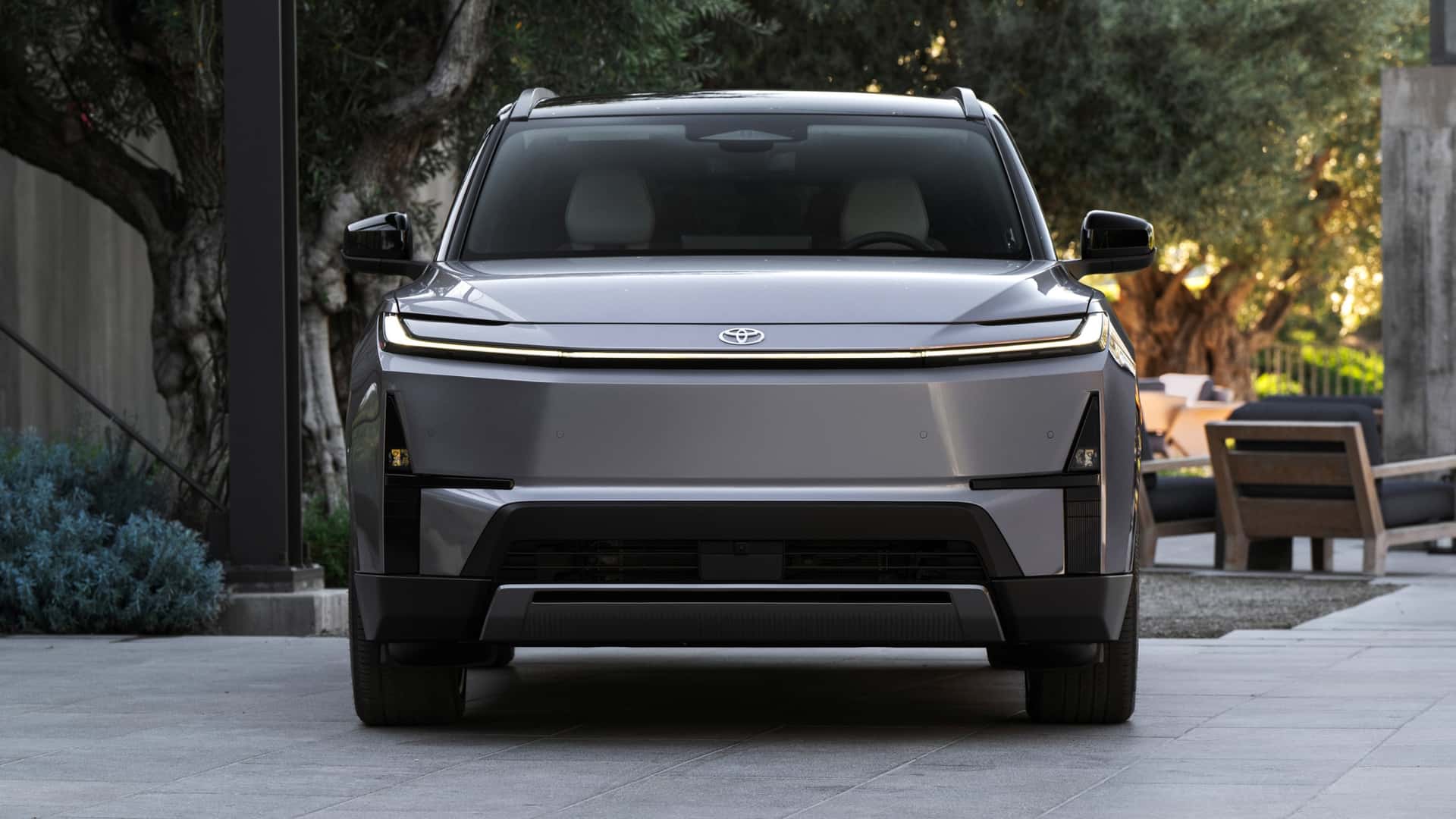
Market Implications and Competitive Landscape
The delay of the Highlander EV ripple effects across the industry, particularly for those watching the "three-row EV" segment.
The Competitive Pressure
The three-row electric SUV segment is becoming the "battleground" for the mid-2020s.
- The Early Adopters: The Kia EV9 has already set a high bar for design, space, and fast-charging capability.
- The Legacy Challengers: With Toyota moving its goalposts to 2027, the vacuum in its lineup remains filled by its successful hybrid offerings. The company is betting that consumers who aren’t quite ready for a full EV will continue to opt for the Highlander Hybrid, which continues to see strong sales.
- The Economic Factor: The delay also protects Toyota from launching into a potentially volatile economic climate. By pushing to 2027, the company hopes for more favorable interest rates and a more stabilized EV supply chain, which could allow for more aggressive pricing strategies at launch.
Implications for Dealers and Customers
For Toyota dealers, the delay is a mixed bag. On one hand, it removes a marquee product from their immediate sales roadmap. On the other, it prevents the frustration of dealing with early-production quality control issues—a headache that many other EV manufacturers have had to navigate at the expense of their service departments.
For the consumer, the waiting game is a test of brand loyalty. Toyota is banking on the fact that the reputation of the Highlander name will keep potential buyers from defecting to competing brands. If the vehicle delivers on its promise of a seamless, reliable, and high-range experience, the 12-month delay will likely be forgotten within weeks of the first deliveries.
Conclusion: A Measured Approach to a Radical Shift
Toyota’s decision to push back the launch of the Highlander EV is a reflection of a company that refuses to compromise on its core identity. In an industry often driven by "first-to-market" hype, Toyota has historically succeeded by being the "best-to-market."
While the delay may be seen by some as a sign of hesitation, it is more accurately described as a calculated, professional pivot. By utilizing the extra time for final-stage testing, tweaking ride quality, and perfecting the software integration, Toyota is positioning the Highlander EV to be a mature, reliable, and highly competitive entry in the electric market.
As the automotive world moves toward 2027, all eyes will be on Kentucky. The success of the Highlander EV will likely determine the pace and scale of Toyota’s subsequent EV efforts. If the extra year of development results in a vehicle that sets the standard for reliability in the electric segment, the wait will have been more than worth it. For now, the automotive giant remains committed to its long-term strategy: evolve the powertrain, but never sacrifice the brand.