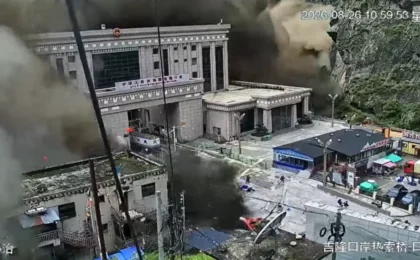
The tragedy that struck the Himalayan borderlands between Nepal and China on August 26 has evolved into one of the most harrowing humanitarian crises in the region’s recent history. A catastrophic flood, triggered by a massive mudslide, has carved a path of destruction through the Trishuli River valley, claiming the lives of at least 1,280 people and leaving more than 5,600 missing. As rescue teams continue to navigate the precarious terrain, the disaster has laid bare the extreme dangers faced by workers in the region’s burgeoning hydropower sector.
The Surge: A Survivor’s Account of the Tunnel Collapse
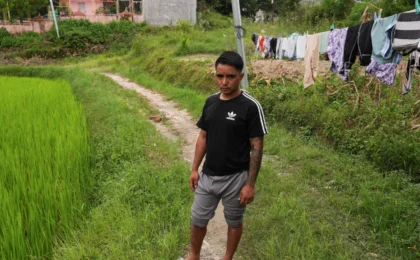
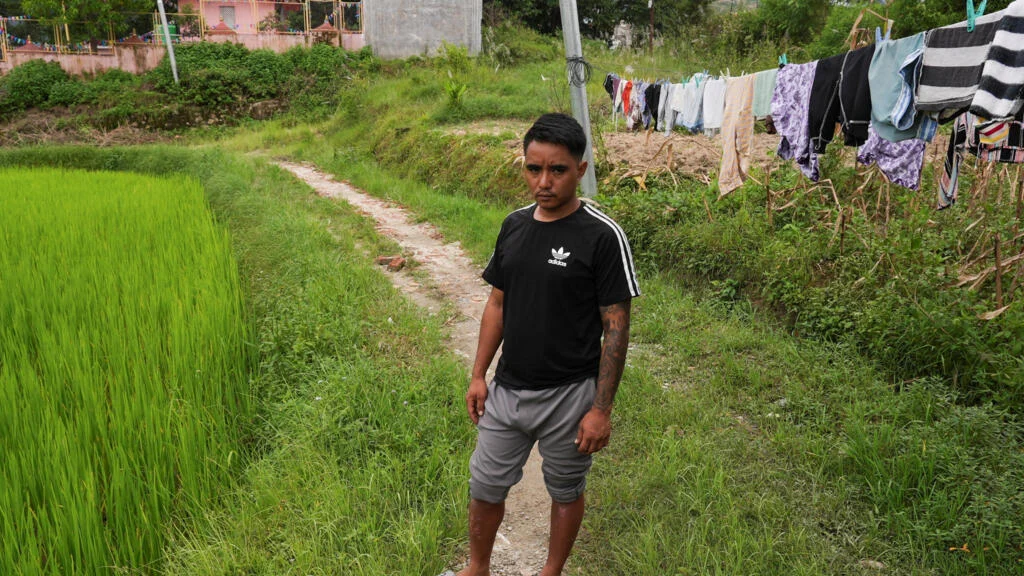
For 32-year-old Dhan Bahadur Tamang, the morning of August 26 began like any other shift at the Upper Trishuli 1 Hydropower Project. Deep within the earth, hundreds of meters into an underground tunnel, the atmosphere was standard—industrial floodlights hummed, and the heavy machinery of construction echoed against the rock walls.
"I sensed a sudden change in air pressure," Tamang recalled, his voice trembling as he recounted the moments before the flood hit. "Under the industrial lights, dust started to rise from the ground. I just knew something was coming."
He had no way of knowing that a colossal surge of water, mud, and debris had already obliterated settlements upstream, transforming the tranquil Trishuli River into a high-velocity weapon of mass destruction. As the flood wave breached the tunnel entrance, the environment shifted instantly from a place of work to a tomb.
"Suddenly, people started running, shouting, and scrambling," Tamang said. "By the time I could have realized what was happening, I was thrown on top of a tanker truck." As the water engulfed the tunnel, the vehicle began to drift, tossed like a toy in the churning current. "I felt again and again that I was going to die," he added.

Chronology of the Disaster and Immediate Aftermath
The disaster began on August 26, when torrential rainfall in the high Himalayas triggered a series of catastrophic mudslides. These slides, surging into the river systems, created a "damming" effect that eventually burst, releasing a massive wall of water that swept down the valley with little warning.
- August 26 (08:00 – 10:00 local time): Initial mudslides strike the border region. The Trishuli River rises rapidly as debris chokes the natural flow, followed by a violent breach of the debris dam.
- August 26 (11:00 – 13:00): The flood wave reaches the Upper Trishuli 1 Hydropower Project and surrounding sites. Hundreds of workers are trapped as tunnels are flooded within minutes.
- August 27 – August 28: Initial local rescue attempts begin, hampered by destroyed infrastructure and persistent mudslides.
- August 29 – September 3: Large-scale military deployments arrive. Search and rescue operations prioritize the six major hydroelectric project sites where roughly 900 workers remain unaccounted for.
Supporting Data: The Scale of the Human Toll
The statistics released by authorities on September 3 highlight the staggering scale of the loss. According to the Nepal disaster authority, the death toll in Nepal alone reached 1,259, with 5,083 individuals currently listed as missing. Across the border in Tibet, Chinese state media reported 21 fatalities and 541 missing.
The total casualty figures—1,280 confirmed dead and 5,624 missing—are expected to rise as search crews gain access to the more remote sections of the tunnel networks. Among those missing are more than 800 foreign nationals, including tourists, trekkers, and pilgrims, originating from at least 34 countries. The presence of so many international visitors in such a volatile region during the monsoon season has triggered diplomatic efforts to identify victims and provide support to grieving families worldwide.
The Fight for Survival in the Dark
For those trapped in the tunnels, the survival struggle was a grueling test of human endurance. After the water receded slightly, Tamang and his colleagues found themselves stranded in near-total darkness, surrounded by the wreckage of their workplace.
"We had to hold hands to make sure we didn’t lose each other," Tamang said. Guided by a single, flickering flashlight, the group began a slow, terrifying trek through the debris. The tunnel, once a site of industrial progress, had become a graveyard. "We started seeing bodies. Some were injured, and some were crushed so badly that there was no help possible."

The journey to the surface was an exhausting fight against fatigue, darkness, and the psychological trauma of passing fallen colleagues. When the group finally reached the tunnel exit, the sudden transition to daylight was overwhelming. "When we finally came out, the outside brightness felt unreal," Tamang remembered.
Official Responses and Search Operations
The scale of the disaster has prompted a massive mobilization of the Nepalese military. Over 9,300 troops have been deployed to the affected districts of Rasuwa, Nuwakot, Dhading, Chitwan, and Nawalparasi East. The primary focus of the military and disaster response agencies is the extraction of trapped workers from the hydroelectric plants.
"Rescue efforts are being concentrated on the tunnel networks of six specific plants," an army spokesperson stated. However, the mission is fraught with difficulty. The geological instability of the region, combined with persistent heavy fog, has significantly stalled helicopter-assisted rescue operations.
Furthermore, international organizations and activists have begun to raise questions regarding the management of these sites. Tibetan activists have accused Chinese authorities of underreporting the death toll, sparking a debate regarding transparency in disaster reporting across the Himalayan region. As of now, both the Nepali and Chinese governments maintain that they are prioritizing life-saving efforts over administrative reporting, though the pressure for accountability is mounting.
Implications: A Future in Jeopardy
The disaster has cast a long, dark shadow over the future of hydropower development in the Himalayas. For decades, Nepal and its neighbors have viewed these projects as the key to economic independence and sustainable energy. However, the events of late August have forced a re-evaluation of the risks involved in building complex infrastructure in some of the world’s most geologically volatile terrain.

The Human Cost
For survivors like Tamang, the psychological scars are as deep as the physical ones. "I have nightmares," he admitted. "My mind keeps going back to the scenes in the tunnel, the faces of my former colleagues." When asked if he would return to the project, his answer was immediate and resolute: "I will not work inside hydropower tunnels again. I do not want to test fate."
Policy and Infrastructure Reform
Experts are now calling for a comprehensive review of the environmental impact assessments (EIAs) for all ongoing and planned infrastructure projects in the Himalayan range. Climate change, which is accelerating glacial melt and increasing the frequency of extreme weather events, has rendered old risk models obsolete.
The tragic loss of life at the Upper Trishuli 1 and other sites highlights the urgent need for:
- Enhanced Early Warning Systems: Implementing real-time monitoring of river levels and slope stability to provide workers with vital seconds of warning.
- Structural Integrity Standards: Reviewing the placement of tunnels and the design of underground safety chambers to ensure they can withstand catastrophic debris flows.
- Strict Monsoon Protocols: Implementing mandatory work stoppages at high-risk sites during peak monsoon windows to protect the workforce from the volatility of mountain rivers.
As the search and rescue mission slowly transitions into a recovery phase, the people of the Trishuli valley are left to mourn. The disaster serves as a sobering reminder that while human ambition seeks to harness the power of the mountains, the Himalayas remain a force of nature that can, in an instant, reclaim the ground on which we stand. For the families of the thousands still missing, the wait for news—or closure—continues, as the world watches the unfolding aftermath of one of the deadliest disasters to hit the mountain region in modern history.