The video game industry has long operated on the principle of the "fall release window," a golden period where publishers clamor to get their titles onto store shelves and digital storefronts before the holiday shopping season peaks. However, as the dust settles following Tuesday’s high-octane PlayStation State of Play, it has become abundantly clear that September 2026 is not merely crowded—it is reaching a level of density that borders on the catastrophic for consumer wallets and publisher bottom lines alike.
What was once a steady ramp-up toward the winter months has transformed into a high-stakes game of musical chairs. With massive AAA titles, cult-favorite RPGs, and long-awaited remakes all fighting for the same thirty days of market attention, the industry is bracing for a "September Squeeze" that threatens to cannibalize sales and bury potential hits under a landslide of competing content.
A Chronological Breakdown: The September Gauntlet
The sheer volume of high-profile releases scheduled for September 2026 is, frankly, unprecedented. To understand the scale of the congestion, one must look at the calendar as a minefield of back-to-back major releases.
- Sept 3: Blood of the Dawnwalker kicks off the month, attempting to secure an early foothold.
- Sept 8: The console release of Mewgenics arrives, targeting a niche but dedicated audience.
- Sept 10: The Trails series dominates the mid-month period with the arrival of Trails from Zero and Trails to Azure.
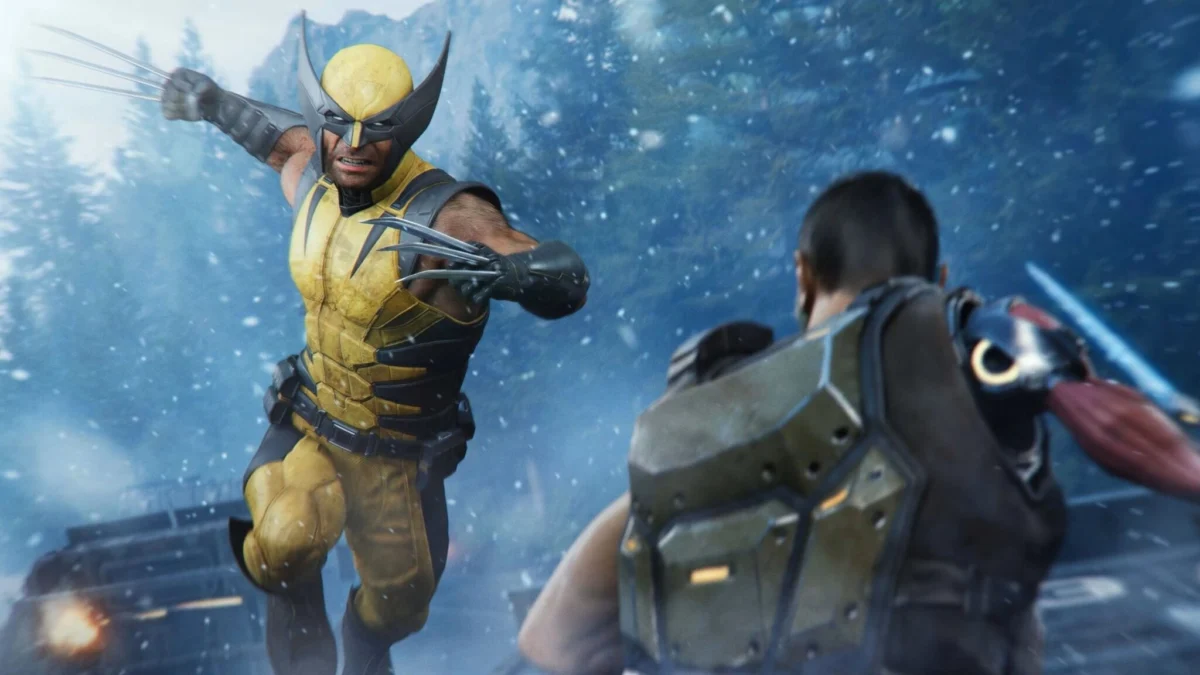
- Sept 15: Sony makes its massive move with the release of Marvel’s Wolverine, a title expected to command significant market share.
- Sept 17: The RPG onslaught continues with Trails in the Sky 2nd Chapter.
- Sept 22: Dune: Awakening arrives on PS5, bringing fresh content to a persistent universe.
- Sept 24: A "double-tap" scenario, with both Control Resonant and Silent Hill: Townfall dropping simultaneously.
- Sept 25: Onimusha: Way of the Sword joins the fray just 24 hours later.
- Sept 28: Early access for Ace Combat 8: Wings of Theve Deluxe Edition holders effectively drags this title into the September fray, despite its Oct 2 official launch.
The most egregious cluster occurs in the final week, where three of the year’s most anticipated titles—Control Resonant, Silent Hill: Townfall, and Onimusha: Way of the Sword—are set to compete for player time within a mere 48-hour window.
The "Near-Miss" Phenomenon: Extending the Pressure
The congestion isn’t contained strictly within the thirty days of September. Publishers are clearly aware of the overcrowding, leading to a phenomenon of "near-misses." Ace Combat 8: Wings of Theve is the primary case study here. While its official street date is October 2, the inclusion of Deluxe Edition early access starting September 28 makes it a September game in practice.
Similarly, Rayman Legends Retold is set for an October 1 launch. While technically outside the month, the reality of modern gaming is that the marketing campaigns for these games overlap entirely with the September heavy hitters. When players are already allocating their budgets and finite gaming hours toward the September slate, an October 1 release date offers little reprieve. In the eyes of a consumer deciding between a limited number of purchases, October 1 is functionally identical to the last week of September.
Data Analysis: The Risk of Market Cannibalization
Why does this matter? For starters, the industry relies on a concept known as the "long tail," where games continue to sell months after release. However, when multiple AAA titles launch in the same week, the "discovery" phase for each game is shortened. Retailers, digital storefronts, and influencers only have so much bandwidth.
When Control Resonant and Silent Hill: Townfall share a release day, they are effectively splitting the audience of psychological thriller and action-adventure fans in half. Instead of two titles enjoying a week of singular spotlight, both are forced to share the social media discourse and critical reviews. This creates a "winner-take-all" scenario where the title that gains early traction often dominates the conversation, leaving the other to struggle in its shadow—regardless of actual quality.
Furthermore, this density creates a "budget fatigue" for consumers. With games retailing at $70 USD, a consumer who might have been willing to purchase three games over the course of three months is now forced to choose just one or two in a single month. This leads to lower day-one sales figures, which often trigger negative stock market reactions and internal company audits regarding the "viability" of the franchises involved.
Official Responses and Industry Strategy
To date, few publishers have officially acknowledged the folly of this scheduling, likely due to the logistical nightmare of moving a release date once the supply chain, marketing contracts, and server infrastructure have been locked in. However, the whispers among industry analysts are growing louder.
The delay of Phantom Blade Zero from its original September 9 slot to October serves as a rare example of a publisher reading the room. By moving out of the mid-month crush, the developers have essentially cleared a path to ensure their product isn’t buried by the looming presence of Marvel’s Wolverine.
Industry insiders suggest that the root cause of this congestion is not a lack of communication, but a lack of flexibility. Major titles require specific windows to satisfy investors and quarterly financial reporting goals. If a game is ready for a Q3 release, it must hit the market before the end of September to be counted in the fiscal data. This arbitrary deadline is forcing companies to play a dangerous game of chicken, with consumers ultimately paying the price in the form of a chaotic and overwhelming release calendar.
Implications for the Future: A Necessary Shift?
As we look toward the final quarter of 2026, the question becomes: Could these games have performed better in November or December?
Consider Silent Hill: Townfall. It is a game perfectly suited for the atmosphere of October and the Halloween season. By launching on September 24, it misses the thematic window that could have boosted its sales and cultural relevance. Similarly, family-oriented titles like Rayman Legends Retold would likely thrive in December, when gift-giving reaches its peak.
The current strategy—cramming everything into September—is a recipe for burnout. Publishers are undoubtedly going to be forced to reconsider their planning cycles as the post-mortem reports for this fall roll in. If the sales numbers for these anticipated titles come in below expectations, it won’t be because the games were bad; it will be because they were launched into a firestorm of their own making.
This fall is set to be one of the most volatile in gaming history. It is a massive, high-stakes game of musical chairs where the music is about to stop, and there are simply not enough seats for the players involved. As gamers, we are spoiled for choice; as an industry, we are witnessing a cautionary tale of how competitive scheduling can diminish the very products it seeks to promote. Whether this leads to a more balanced 2027 or a continued trend of reckless clustering remains to be seen, but one thing is certain: the September Squeeze will be studied by analysts for years to come.