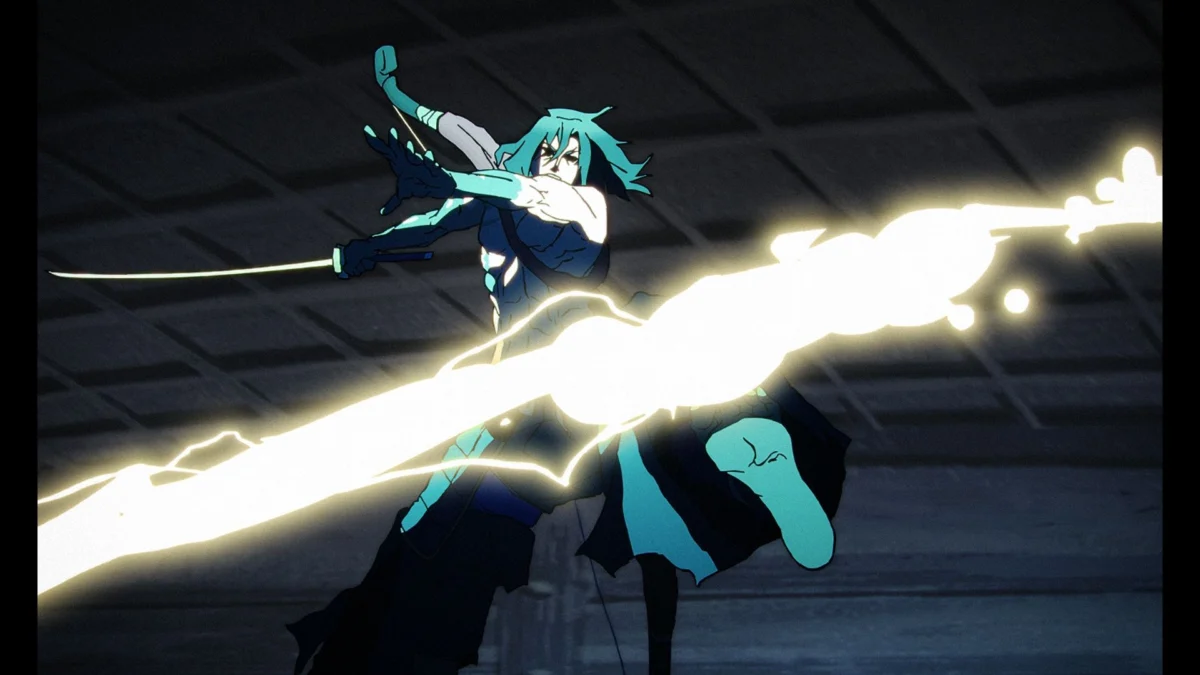
The history of video game adaptations is littered with the wreckage of failed attempts to translate interactive experiences into linear narratives. From the disjointed pacing of early 2000s blockbusters to the struggle of condensing sprawling open worlds into two-hour time slots, the "curse" of the game-to-film pipeline remains a formidable obstacle. However, at the 2026 Annecy Animation Festival, director Kenichi Kutsuna unveiled a project that seeks to break this cycle: Sekiro: No Defeat.
By focusing not just on the narrative beats of FromSoftware’s 2019 hit Sekiro: Shadows Die Twice, but on the visceral, rhythmic tension of its combat, Kutsuna is attempting to bridge the gap between player agency and cinematic observation.
The Core Challenge: Translating Interaction into Observation
For most directors, the primary hurdle in adapting a game is the loss of player agency. In Sekiro, the player is responsible for every deflect, every mikiri counter, and every split-second decision that determines life or death. When you strip away the controller, how do you retain the adrenaline-fueled tension that defines the experience?
During an exclusive interview with Polygon at the Annecy Festival, Kutsuna explained his philosophy: "One of the biggest elements that I put in the movie is the guard that you have in the game. When you watch the movie, you can actually see through the sound and the image where there was a guard and when there wasn’t one."
This focus on the "guard"—the iconic rhythmic deflection mechanic—serves as the backbone of the film’s choreography. By leaning into the auditory and visual feedback loops that made the game’s combat feel so tactile, Kutsuna hopes to replicate the "flow state" that Sekiro players know intimately.
Chronology of the Production
The journey to bring Sekiro: No Defeat to the screen has been a meticulous process of distillation. The project, which involves collaboration between the studio Qzil.la and ARCH, was announced amid high expectations from a community that remains fiercely protective of Hidetaka Miyazaki’s design philosophy.
- Initial Concept and Pitch: Following the immense success of Sekiro: Shadows Die Twice, discussions regarding an expanded universe project began in early 2024. The goal was never to replace the game, but to offer a companion piece that explored the narrative depth of the Sengoku-era fantasy world.
- Production and Direction: Kenichi Kutsuna was brought on board to spearhead the animation, with a mandate to maintain the gritty, high-stakes atmosphere of the source material.
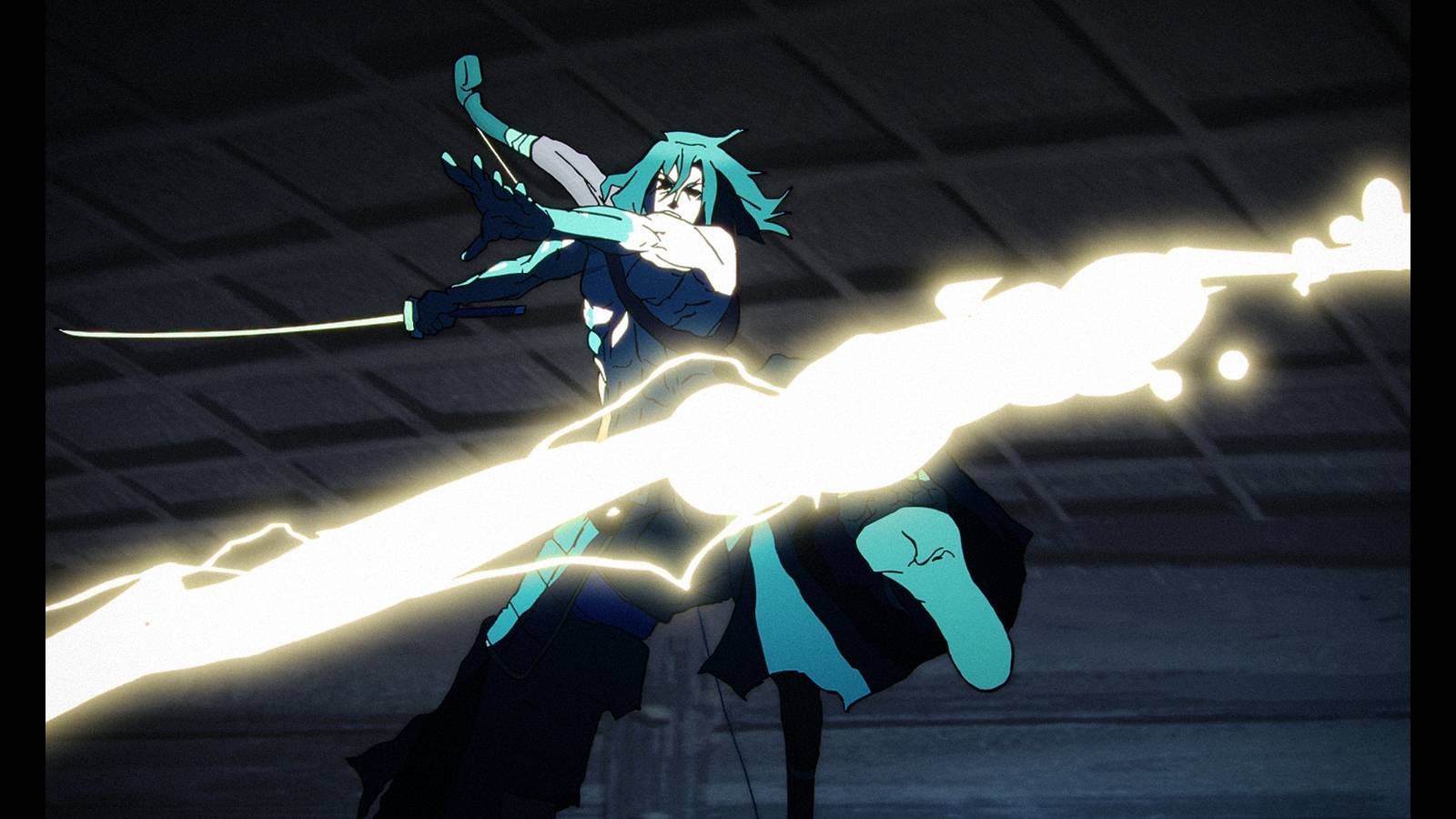
- The Annecy Premiere (June 2026): The film made its public debut at the Annecy Animation Festival, where it received praise for its commitment to the visual language of the game, particularly its use of color palettes and character design.
- Theatrical Release (September 4, 2026): Sekiro: No Defeat is slated for a three-week theatrical run in Japan, serving as a prestige event before its eventual transition to the streaming giant Crunchyroll.
Supporting Data: The Math of Adaptation
Adapting a 30-hour game into a feature film is a mathematical nightmare. The narrative density of Sekiro relies on exploration, backtracking, and the grueling repetition of boss fights—elements that do not naturally translate to a 120-minute format.
Kutsuna noted that the initial drafts of the screenplay were vastly different from the final product. "If we had put everything in, the movie would last maybe eight hours, so we had to make choices," he admitted. These choices involved painful cuts. Iconic locations like the hauntingly atmospheric Mibu Village, while deeply beloved by fans, had to be sacrificed to ensure the film maintained a cohesive narrative pace.
The "data" of the film’s success will likely be measured by how well it communicates the "difficulty" of the game. Kutsuna stated, "I really put a lot of thought into it and through the storytelling, we tried to actually make the viewers feel this difficulty, like after a combat scene people will say, ‘Oh my God, I actually watched something that felt difficult.’"
Official Responses and Creative Vision
The creative team behind Sekiro: No Defeat has been vocal about their respect for the original source material. By working closely with the themes of persistence and the concept of "No Defeat" (a play on the game’s "Shadows Die Twice" motif), the team has sought to capture the feeling of improvement—the moment a player finally overcomes a boss that has been blocking their path for hours.
The film is not merely a summary of the plot; it is an attempt to capture the feeling of a run. In the game, the player’s journey is defined by learning enemy patterns. Kutsuna’s direction mirrors this: the film focuses on the protagonist’s physical and psychological toll, ensuring that every clash of steel carries the weight of a potential failure.
Implications for the Future of Game Adaptations
Sekiro: No Defeat arrives at a pivotal moment in the animation industry. With the success of various high-quality video game adaptations in recent years, the bar has been raised significantly. The industry is moving away from generic action flicks and toward projects that respect the "language" of the medium they are adapting.
1. The Primacy of Sound Design
Kutsuna’s focus on the sound of the "guard" suggests a shift toward sensory fidelity. By prioritizing the rhythmic, percussive nature of the combat, the film aims to evoke a Pavlovian response in those who have played the game. If successful, this could set a new standard for how action-heavy games are translated into film.
2. Selective Adaptation vs. Faithful Replication
The decision to cut major segments like Mibu Village highlights the necessity of "selective adaptation." Instead of trying to cram a 30-hour experience into a limited runtime, Kutsuna has opted to capture the essence of the game’s core loop. This strategy may provide a roadmap for future studios struggling with bloated source material.
3. The Role of the Director as a Player
The most crucial implication is the director’s perspective. Kutsuna’s deep familiarity with the game’s mechanics allows him to identify exactly what "feels" like Sekiro. This suggests that the best game-to-film adaptations will likely come from directors who understand the game’s internal logic, not just its lore.
Conclusion: A New Standard?
As we await the theatrical release on September 4 and the subsequent arrival on Crunchyroll, the conversation surrounding Sekiro: No Defeat serves as a case study in modern adaptation. Can a film truly capture the satisfaction of a perfect parry? Can a movie make an audience feel the "difficulty" of a boss fight without the controller in their hands?
Kenichi Kutsuna believes the answer lies in the details—the sound of the sword, the weight of the movement, and the ruthless efficiency of the protagonist. If Sekiro: No Defeat succeeds in translating these elements, it will not just be a successful adaptation; it will be a milestone in the convergence of interactive and cinematic storytelling. For now, the fans wait to see if the shinobi’s journey can indeed be captured without losing its soul in the editing room.