For the better part of two decades, Mitsubishi Motors has been a cautionary tale of corporate attrition in the North American automotive market. Once a powerhouse of innovation, boasting a record-shattering 345,111 vehicle sales in 2002, the automaker’s footprint dwindled to a mere 94,754 units by the close of the previous year. Beset by an aging product portfolio, a lack of electrification, and a brand identity that struggled to find a foothold between budget-conscious buyers and adventure-seeking enthusiasts, the company appeared to be drifting toward the periphery of the US market.
However, a dramatic shift is underway. Under the banner of the "Momentum 2030" plan, Mitsubishi is leveraging its deep-seated alliance with Nissan to initiate a radical overhaul of its regional strategy. By focusing on portfolio expansion, rugged capability, and modern electrification, the Japanese automaker is signaling that its days of complacency are over.
The State of the Union: Addressing the Decline
The decline of Mitsubishi in North America was not an overnight phenomenon but a slow erosion caused by a lack of capital investment and a failure to adapt to the shifting tastes of the American consumer. As the sedan market collapsed and the industry pivoted toward crossovers and SUVs, Mitsubishi remained tied to legacy models like the Mirage and an increasingly dated SUV lineup.
The "Momentum 2030" plan is, fundamentally, a corrective measure. The company has acknowledged that its dealer network—long starved of fresh inventory—is the lifeblood of its recovery. By committing to increase its US portfolio from four to six vehicles by the end of 2027, Mitsubishi is providing its retailers with the necessary tools to compete in high-volume segments.
A Chronology of the Transformation: 2025 to 2030
Mitsubishi’s roadmap is split into two distinct phases. The short-term goal is to stabilize and diversify the existing lineup, while the long-term objective involves a more profound transformation of the brand’s identity through new architecture and collaborative engineering.
Phase One: Portfolio Refresh (2025–2026)
Between now and the end of next year, the brand will standardize its offerings to include the Outlander Sport, the Eclipse Cross, the new Eclipse Sportback EV, the core Outlander, the Outlander Plug-in Hybrid (PHEV), and a mysterious, yet-to-be-named rugged SUV.
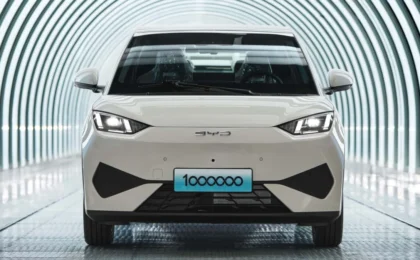
The 2027 Eclipse Sportback EV stands as the vanguard of this era. Acting as a strategic counterpart to the Nissan Leaf, the Sportback EV is designed to capture the burgeoning entry-level electric vehicle market. Equipped with a 75.0-kilowatt-hour battery and utilizing the NACS (North American Charging Standard) port, the vehicle promises a 10-to-80 percent charge in approximately 35 minutes using 150-kW fast-charging capability.
Phase Two: The Post-2027 Offensive
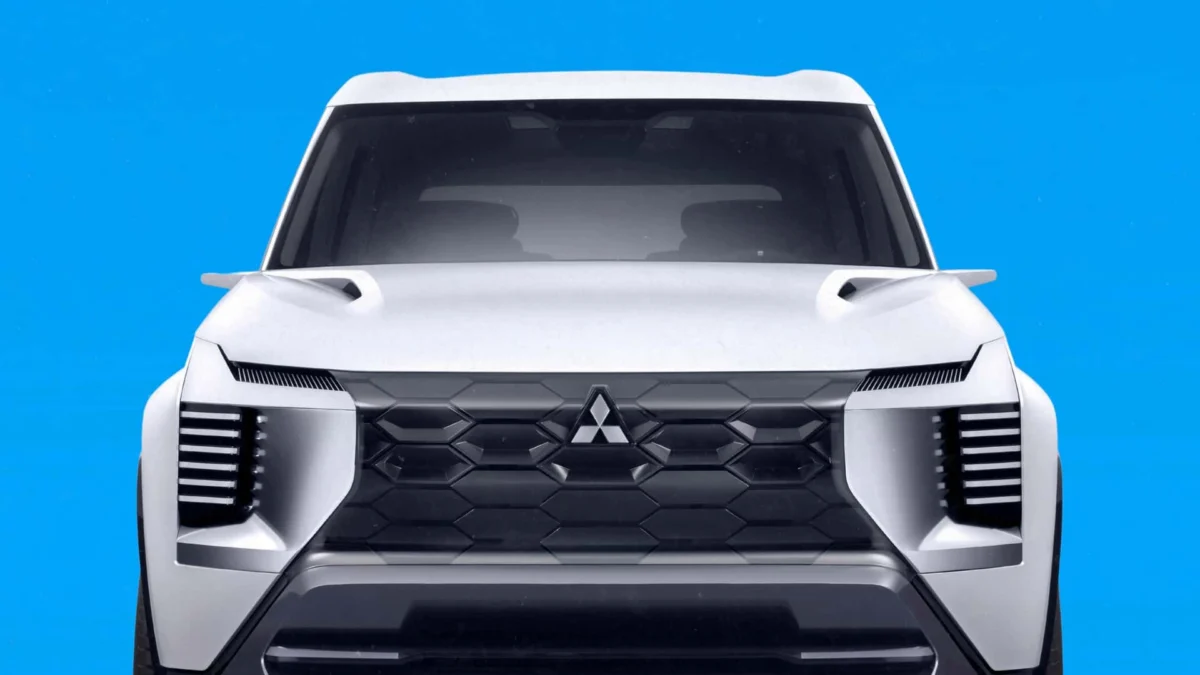
The latter half of the decade will see the introduction of more complex, platform-sharing models. This includes the highly anticipated entry into the mid-size pickup truck segment and a potential body-on-frame SUV. These vehicles represent a move toward "adventure-oriented" utility, a segment where Mitsubishi has historical credibility thanks to the legacy of the Montero (Pajero) and the Lancer Evolution.
Deep Dive: The Technological and Design Shifts
Mitsubishi’s design language is evolving to match its new, rugged mandate. The upcoming facelift for the Outlander serves as a prime example of "evolutionary over revolutionary" design. While the current generation remains a sales anchor, the refreshed model will introduce updated daytime running lights and sharper front-end geometry. The retention of the signature split-headlight aesthetic and the aggressive side-profile crease suggests that while the exterior will remain familiar, the interior technology and powertrain efficiency are expected to see significant gains.
The Nissan Synergy: Badge Engineering or Strategic Masterstroke?
The most critical pillar of the Momentum 2030 plan is the deepened partnership with Nissan. While industry purists often look down on "badge-engineered" vehicles, for Mitsubishi, this is a path to survival.
- Small Crossovers: Rumors persist regarding a small crossover based on the 2027 Nissan Kicks. Given the current void in Mitsubishi’s lineup for a true entry-level, non-sedan vehicle, this move would allow the brand to capitalize on Nissan’s R&D while maintaining a unique aesthetic and brand-specific suspension tuning.
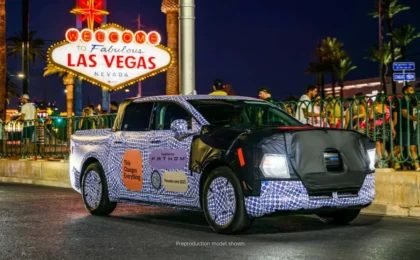
- The Pickup Truck Re-entry: The most ambitious project involves re-entering the US truck market. By utilizing the proven architecture of the Nissan Frontier, Mitsubishi can avoid the prohibitive "Chicken Tax" (the 25% tariff on imported light trucks) by leveraging Nissan’s manufacturing footprint in Mississippi. Whether this vehicle revives the "Raider" moniker remains a point of intense speculation.
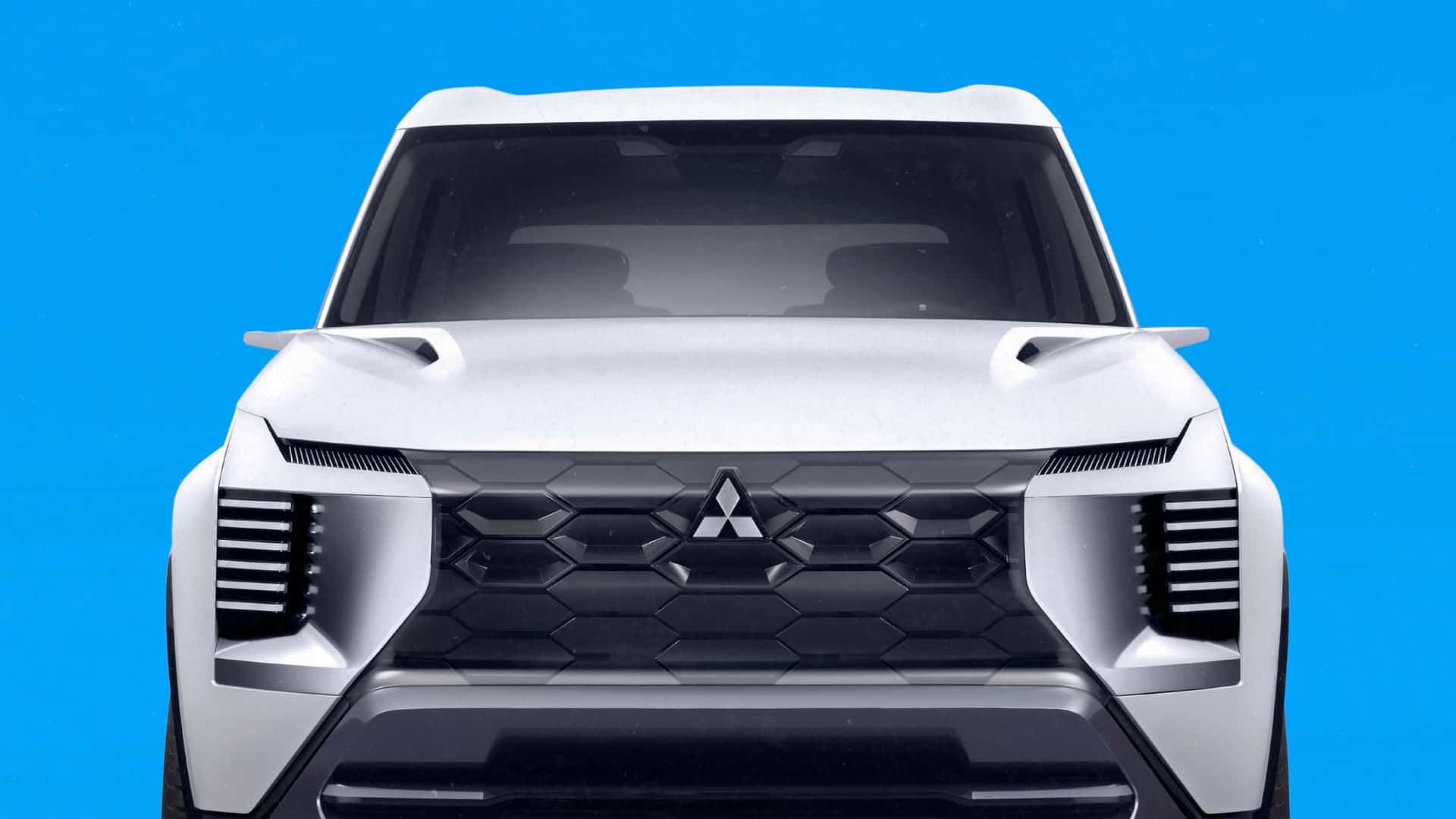
- Body-on-Frame SUV: The teased "mystery SUV" has sparked debates among enthusiasts. Given its proximity to the truck in teaser images, it is highly likely that this vehicle will utilize a ladder-frame chassis. Whether this is a spiritual successor to the Xterra or a rebadged Pathfinder, the prospect of a rugged, three-row off-roader would be the strongest play Mitsubishi has made in years.
Official Perspectives and Corporate Intent
During recent briefings, Mitsubishi executives have been careful to balance optimism with realism. President Keisuke Kishiura has publicly expressed a personal desire to see the legendary "Lancer Evo" return to the lineup. However, the company has clarified that there are no active plans for such a model. Instead, the focus remains entirely on the high-margin utility segments.
Regarding the Montero/Pajero, the ambiguity is strategic. While the global Pajero is set to debut shortly, the company is hesitant to bring it to North America, citing tariff complications and market positioning. Behind closed doors, however, dealers have reportedly seen the vehicle and have been briefed on its potential arrival by 2030, complete with three-row seating and serious off-road credentials. The delay appears to be a calculated gamble on a potential shift in the US political and trade climate after the 2028 election cycle.
Supporting Data: Why "Adventure" Matters
Mitsubishi’s market research indicates that its current customer base has a higher-than-average affinity for outdoor activities, including camping, hiking, and off-roading. By shifting the brand focus from "budget-friendly appliances" to "adventure-capable vehicles," the company is attempting to reclaim the cultural space it occupied in the 1990s and early 2000s.
The "modernized retail sales model" mentioned in the Momentum 2030 brief is equally critical. As buying habits shift toward digital-first, low-friction experiences, Mitsubishi plans to upgrade its showrooms to reflect a more premium, experience-based interaction, moving away from the traditional high-pressure dealership atmosphere that has hindered its brand perception.
The Road Ahead: Challenges and Implications
The transition is not without significant risks. Relying heavily on Nissan platforms risks diluting the "Mitsubishi" brand identity if the vehicles lack distinct driving characteristics. Furthermore, the automotive landscape is increasingly volatile; the move toward electrification is costly, and the competition in the SUV and truck segments—dominated by the likes of Toyota, Ford, and Honda—is relentless.
However, the implications of failure are far worse. If Momentum 2030 fails to gain traction, Mitsubishi risks being relegated to a niche brand with a limited, aging portfolio, eventually leading to a complete withdrawal from the US market. Conversely, if the strategy succeeds, Mitsubishi could emerge as a lean, agile, and highly profitable player, occupying a sweet spot for adventure-seeking, value-conscious consumers who want something more rugged than a standard crossover but less expensive than a full-size luxury off-roader.
Conclusion: A New Dawn?
The "Momentum 2030" plan is not just a list of new models; it is an admission of past failures and a blueprint for a new corporate identity. By embracing its alliance with Nissan to solve its manufacturing and engineering gaps, Mitsubishi is choosing pragmatic survival over pride.
Whether this results in a full-scale renaissance remains to be seen. But for the first time in nearly two decades, there is a coherent, aggressive, and logical path forward. The light at the end of the tunnel may no longer be an oncoming train, but the headlights of a new generation of Mitsubishi vehicles ready to reclaim their spot on American roads. The next five years will determine if this is a genuine recovery or simply a final, valiant effort to keep the lights on. For now, the automotive industry watches with cautious interest as a veteran player attempts a high-stakes comeback.