As Asia ascends to unprecedented levels of affluence, a paradox has emerged in its corridors of power and its bustling middle-class neighborhoods. The region is wealthier, its citizens are living longer than ever before, and there is a burgeoning appetite for the "finer things"—from gourmet dining to vintage wines. However, this prosperity carries a heavy biological price.
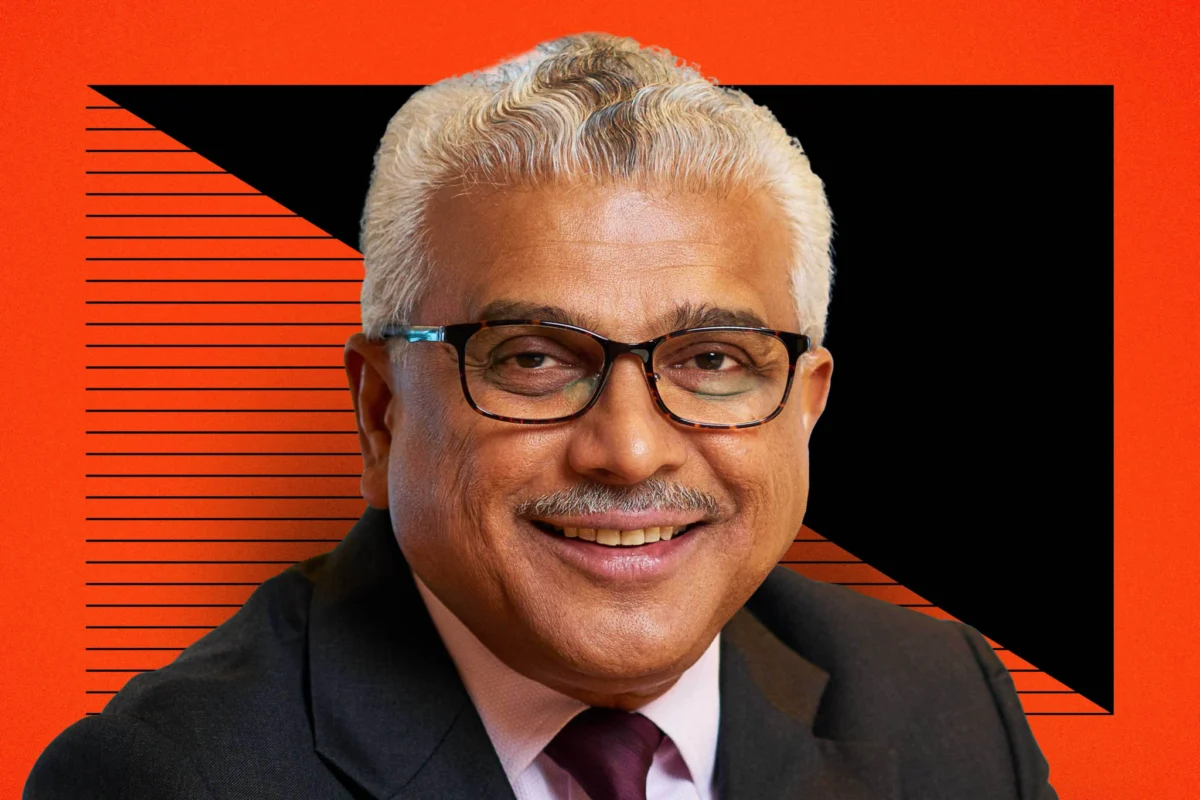
Prem Kumar Nair, the CEO of IHH Healthcare—Asia’s largest private healthcare provider—is currently navigating the complexities of this transition. In a recent comprehensive dialogue regarding the future of the industry, Nair highlighted a sobering reality: as populations grow more affluent and indulge in the trappings of success, the region is witnessing a meteoric rise in lifestyle-related pathologies, including diabetes, hypertension, and high cholesterol.
For IHH Healthcare, a titan dual-listed in Singapore and Malaysia with a footprint spanning 10 countries, the challenge is no longer just about treating the sick. It is about re-engineering the very concept of "healthspan"—the period of life spent in good health—rather than just lifespan.
Main Facts: The Strategic Pivot of a Healthcare Giant
IHH Healthcare’s current trajectory is defined by a fundamental shift from being a traditional "mega-hospital player" to what Nair describes as a "healthcare ecosystem player." This evolution is driven by three primary pillars: clinical longevity, community-embedded care, and technological integration.
The Launch of ‘Healthspan’
In July 2024, IHH launched "Healthspan," a preventive health and longevity program. Unlike the multi-billion-dollar wellness industry, which often prioritizes aesthetics—such as hair restoration or cosmetic supplementation—IHH’s program is anchored in clinical intervention and rigorous science. The program, currently centered in Singapore with plans for a ten-market rollout, focuses on medical milestones:
- Sarcopenia Management: Addressing age-related muscle loss through resistance training to prevent debilitating falls and fractures.
- Metabolic Intervention: Utilizing GLP-1 receptor agonists (the class of drugs including Ozempic and Wegovy) not for cosmetic weight loss, but as clinical tools to prevent obesity-driven arthritis and metabolic syndrome.
Decentralization of Care
The group is aggressively moving away from the hospital-centric model. In densely populated, rapidly aging hubs like Singapore and Hong Kong, IHH is building ambulatory care centers. These facilities, such as the Parkway MediCentre in Singapore’s Woodleigh district, allow for complex procedures—endoscopies and total knee replacements—to be performed in the community without the need for overnight hospital admission.
Financial and Operational Scale
IHH Healthcare currently operates 89 hospitals across 10 countries. With a 2025 revenue projected at approximately $6 billion, the firm ranks No. 58 on the Fortune Southeast Asia 500 list. Its market performance remains robust, with shares rising more than 20% over the past 12 months, buoyed by a strategic pivot toward organic growth over aggressive, integration-heavy acquisitions.
Chronology: The Evolution of IHH (2010–2025)
The history of IHH Healthcare is a study in rapid scaling followed by strategic refinement.
- 2010: The Foundation. IHH was incorporated as a holding vehicle for Khazanah Nasional Berhad, Malaysia’s sovereign wealth fund. It consolidated various high-value healthcare assets, including Singapore’s Parkway Holdings and Malaysia’s Pantai and IMU Health.
- 2012: The Landmark IPO. The entity went public via a dual listing on Bursa Malaysia and the Singapore Exchange (SGX). Raising $2 billion, it was the third-largest IPO globally that year, trailing only Facebook and Felda Global Ventures.
- 2015–2018: The Era of Inorganic Growth. IHH expanded its Indian footprint significantly, acquiring Global Hospitals in 2015 and taking a majority stake in Fortis Healthcare in 2018. This period established IHH as a dominant regional force but created a complex web of entities requiring deep integration.
- 2020: The Leadership Transition. Prem Kumar Nair joined IHH as Singapore CEO (later becoming Group CEO) after 27 years at Raffles Medical Group. His arrival coincided with the onset of the COVID-19 pandemic, forcing an immediate shift into crisis management and public-private partnerships.
- 2021–2024: The Organic Shift. Under Nair’s leadership, the group pivoted toward "cluster growth." Rather than buying new brands, IHH focused on adding 4,000 beds to existing facilities and enhancing operational efficiency within its current markets.
- 2025 and Beyond: The Tech-Enabled Future. The launch of "Healthspan" and the expansion of AI-driven tools like NurseShift.ai mark the current phase of the company’s journey into precision medicine.
Supporting Data: The Demographic Clock and Disease Burden
The urgency of IHH’s strategic shift is supported by stark demographic and clinical data.
The Aging Crisis
According to the Asian Development Bank, one in four people in Asia will be older than 65 by 2050. While Asians generally enjoy longer life expectancies, these additional years are often marred by chronic illness. A Stanford study published in April 2024 revealed that population aging accounted for 33.6% of the increase in disease burden across mainland China, Japan, Singapore, South Korea, and Taiwan.
The Changing Face of Mortality
The medical landscape in Asia is undergoing a "specialty flip." A decade ago, cardiology was the primary focus of most private hospitals. However, due to better management of cholesterol and hypertension, cardiovascular mortality in Asia fell by 26% between 1990 and 2021.
- The Rise of Oncology: Cancer is now becoming the dominant subspecialty. IHH has responded by leading a $20 million Series A round for Lucence, a genomic medicine firm specializing in liquid biopsies that can detect over ten types of cancer at early stages.
- Investment in Precision: The group is increasingly investing in proton beam therapy, a precise form of radiation that targets complex tumors in the brain and liver with minimal damage to surrounding tissue.
Official Responses: Nair’s Vision for a Unified Ecosystem
In his public statements and interviews, Prem Kumar Nair emphasizes that the future of healthcare lies in the breakdown of silos—both between the public and private sectors and between different medical specialties.
On Public-Private Synergy
Reflecting on the COVID-19 pandemic, Nair noted that the crisis "affirmed that the public and private sectors need to work together." While the private sector usually caters to those seeking speed and privacy, a pandemic requires "all hands on deck." This philosophy continues to influence IHH’s collaboration with ministries of health in Singapore and Malaysia.
On Organic vs. Inorganic Growth
Nair has been vocal about the limitations of constant M&A. "A lot of investors were asking us whether M&As were an efficient way to grow," he admits. His response was a pivot to organic growth, leveraging existing hospital executives and infrastructure to improve margins. "Organic growth is always better since the operational efficiency is there," he maintains.
On the Role of Artificial Intelligence
Nair views AI as a tool for standardization and efficiency rather than a replacement for human judgment. The IHH AI transformation team developed NurseShift.ai, which automates hospital rostering—a task that previously consumed over 50% of nursing supervisors’ time. "One of the key reasons behind resource wastage is variation in healthcare," Nair explains. AI helps standardize clinical pathways, providing a framework that reduces unnecessary hospital stays while allowing doctors to make the final, nuanced call.
Implications: The Road Ahead for Asian Healthcare
The transformation of IHH Healthcare provides a blueprint for how the private sector will manage the "silver tsunami" hitting Asia.
1. The Death of the Hospital-Centric Model
The expansion into neighborhood-based ambulatory centers suggests that the "mega-hospital" will eventually be reserved only for the most acute, complex surgeries. Routine management of chronic diseases and minor procedures will move to the community, reducing costs for patients and easing the burden on national healthcare infrastructures.
2. Longevity as a Clinical Discipline
By distancing "Healthspan" from the aesthetics-driven wellness industry, IHH is legitimizing longevity medicine. This will likely lead to a surge in demand for geriatric-specific services, such as muscle mass monitoring and preventive metabolic treatments, across the middle class in India, Turkey, and Greater China.
3. Regional Expansion and Regulatory Shifts
While IHH is focused on organic growth, it is keeping a close eye on new markets like Indonesia and Vietnam. Indonesia, in particular, has recently changed its regulations to allow foreign doctors to practice and permit full international ownership of private hospitals. As markets like Singapore and Hong Kong reach saturation, the next decade will likely see IHH bringing its "ecosystem" model to these emerging Southeast Asian economies.
4. The Oncology Frontier
With cancer becoming the primary driver of hospital revenue and patient needs, the focus will shift toward genomic and precision medicine. IHH’s "Catalyst" program, which nurtures startups in oncology and chronic care, suggests that the next generation of healthcare breakthroughs will likely come from the integration of venture capital and clinical operations.
In conclusion, Prem Kumar Nair’s leadership at IHH Healthcare represents a transition from "crisis management" to "preemptive management." By focusing on the clinical science of aging and the decentralization of care, IHH is not just preparing for an older Asia—it is attempting to ensure that an older Asia remains a productive and healthy one. As Nair aptly puts it, "Healthcare and medicine can be complex… but we have transitioned from being a mega hospital player to a healthcare ecosystem player. That’s going to be the future."