In a decisive move to redefine the contours of Indian filmmaking, Zee Studios has officially pulled back the curtain on its expansive content slate for 2026-2027. Moving beyond the traditional limitations of regional silos, the production powerhouse has curated a diverse portfolio that spans Hindi, Telugu, Tamil, Marathi, Malayalam, Gujarati, and Kannada cinema. By balancing high-octane commercial spectacles with nuanced, mythologically driven narratives and regional gems, Zee Studios is positioning itself as the vanguard of a new, borderless era in Indian entertainment.
A Vision for Diversity: The Core Strategy
The philosophy guiding this massive undertaking is rooted in the recognition of India’s multifaceted cultural landscape. According to a spokesperson for the studio, the strategy is predicated on the belief that a singular cinematic lens cannot capture the depth of the Indian experience.
"Our portfolio strategy is driven by the belief that India cannot be represented through one kind of story, one language, or one cinematic lens," the spokesperson stated. "Every market has its own audience, talent, creative ecosystem, and entertainment sensibility. Our ambition is to reflect that diversity through the films we back."
This commitment to "unconventional content ecosystems" signifies a pivot toward blurring geographical and colloquial boundaries. By fostering collaboration across diverse film industries, Zee Studios is aiming to create a cohesive, pan-Indian theatrical footprint that appeals to audiences from the bustling metros of Mumbai to the vibrant cultural hubs of Hyderabad and Chennai.
Hindi Cinema: From Mythology to Gritty Thrillers
The Hindi-language segment of the 2026-27 slate serves as a microcosm of the studio’s broader ambitions, blending veteran star power with experimental narratives.
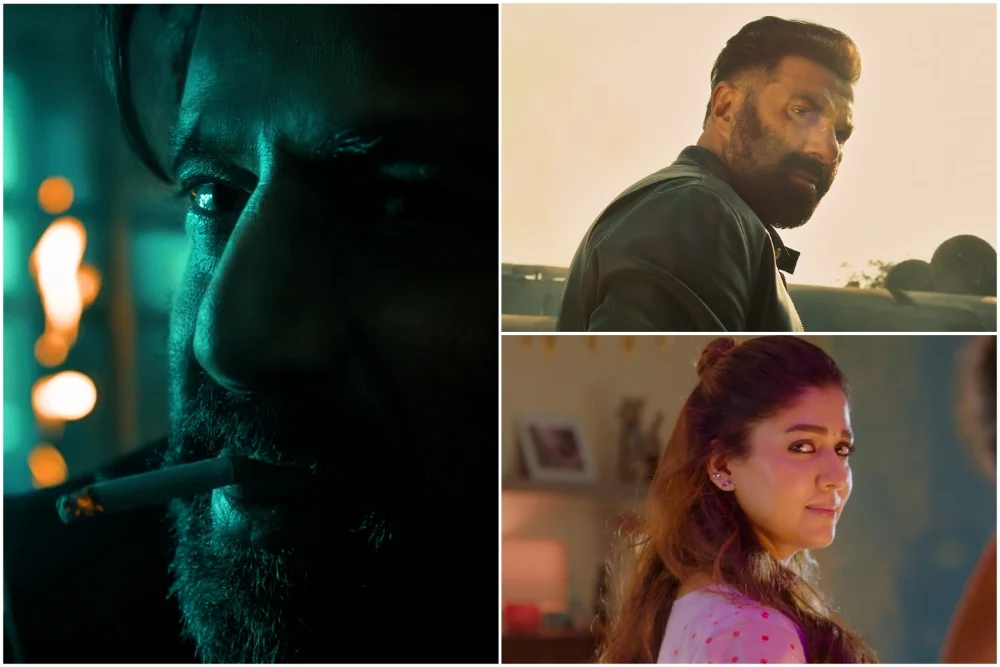
Leading the charge is "Baap," a project that has already generated significant buzz for its casting coup. The film features an ensemble of 90s action titans—Sunny Deol, Sanjay Dutt, Jackie Shroff, and Mithun Chakraborty—under the direction of Vivek Singh Chauhan. This nostalgia-fueled spectacle is expected to be a major box-office draw.
Simultaneously, the studio is tapping into the resurgent interest in Indian history and mythology with "Shri Ram Bhoomi." Directed by Kamakhya Narayan Singh and starring Anupam Kher, Ritwik Bhowmik, and Amruta Khanvilkar, the film promises a grand exploration of the cultural ethos that defines the nation.
Other notable Hindi titles include:
- "Delhi 2021," directed by Abhishek Acharya and starring the powerhouse performer Richa Chadha, promising a gritty, urban narrative.
- "Blind Babu," a character-driven project featuring the critically acclaimed Nawazuddin Siddiqui, helmed by director Ravi Varma.
- "Blind Game," a high-stakes thriller featuring Arjun Rampal and Priyamani, directed by Sangeeth Sivan.
- "Silaa," an intriguing project headlined by Harshvardhan Rane, Sadia Khateeb, and Karanveer Mehra, under the directorial vision of Omung Kumar.
Furthermore, the studio is set to make waves with a prestigious collaboration. For the first time, Zee Studios will join forces with the Anil Kapoor Film & Communication Network for the project titled "Paaltu," signaling a strategic partnership that could bridge the gap between creative pedigree and commercial scale.
The Southern Powerhouse: Telugu, Tamil, and Kannada Expansions
The southern film industries remain the engine room of Indian commercial cinema, and Zee Studios has clearly prioritized heavy-hitting projects in these territories.
In the Telugu market, the focus is on star-led vehicles. The slate includes "NBK111," which pairs the legendary Nandamuri Balakrishna with director Gopichand Malineni, a combination that has historically proven to be a juggernaut. Additionally, "Indraputra," featuring Kiran Abbavaram under Srikanth Puppala’s direction, and the star-studded "January 12 Vidudala"—starring Venkatesh Daggubati, Keerthy Suresh, and Kalyan Ram, and directed by the celebrated Anil Ravipudi—underscore the studio’s intent to dominate the Telugu theatrical landscape. Other titles like "Kanaka Durga" and "Anasuya General Stores" further flesh out a robust Telugu lineup.
The Tamil slate is equally impressive, focusing on talent-driven storytelling. "Hi," starring the iconic Nayanthara alongside Kavin and directed by Vishnu Edavan, is slated as a major release. This is complemented by "Sathyavan Savithri," which pairs Keerthy Suresh with Mysskin, directed by Praveen S. Vijaay, promising a blend of mainstream appeal and artistic flair.
In Kannada cinema, the studio is betting on local flavor with "Anna From Mexico," starring the charismatic Dhananjaya, Reeshma Nanaiah, Umashree, Rangayana Raghu, and Sadhu Kokila, directed by Shankar Guru.
Regional Renaissance: Marathi and Gujarati Growth
Zee Studios continues its deep-rooted commitment to Marathi cinema, building on the critical and commercial success of the National Film Award-winning "Aatmapamphlet." The upcoming slate includes:
- "Jhep," directed by Priyadarshan Jadhav.
- "Phulwara," starring Priyadarshini Indalkar, directed by the acclaimed Ravi Jadhav.
- "Jogai," starring Jitendra Joshi and Sajiri Joshi, under the direction of Vishal Modhave.
- "Maan," a project emphasizing the studio’s dedication to regional storytelling.
Beyond these established strongholds, the studio is making a strategic entry into the Gujarati-language market with "Tom and Cherry." Starring the renowned Siddharth Randeria and Dhanya Doshi, and directed by Dharmessh Mehta, this move indicates the studio’s desire to capture the growing economic and cultural influence of the Gujarati cinema audience.
Chronology and Industry Implications
The 2026-27 slate is not merely a collection of films; it is a meticulously planned commercial timeline. By spreading these releases across a two-year window, Zee Studios is ensuring a consistent supply of content that mitigates the risk of seasonal volatility in the box office.
This chronology reflects a "hub-and-spoke" model: the Hindi and Telugu projects serve as the "hub" for mass-market revenue, while the Marathi, Tamil, Kannada, and Gujarati projects act as "spokes" that deepen penetration into specific demographic and linguistic segments.
The implications for the broader Indian film industry are profound:
- Consolidation of Talent: By bringing together top-tier stars like Sunny Deol, Venkatesh Daggubati, and Nayanthara under one banner, Zee Studios is creating a centralized talent hub that simplifies cross-regional marketing.
- Infrastructure and Distribution: The scale of this slate necessitates a highly sophisticated distribution network. It suggests that Zee Studios is not just a production house but a distribution juggernaut capable of navigating the complex regulatory and theatrical landscapes of India’s disparate states.
- Content Fluidity: The studio’s focus on "blurring boundaries" suggests that these films are being developed with the potential for cross-dubbing, streaming premieres, and international expansion in mind.
Conclusion: The Future of Indian Cinema
As the industry moves further away from the era of "Bollywood-centric" dominance, the Zee Studios 2026-27 slate stands as a definitive marker of change. By investing heavily in regional narratives and providing them with the same production value and distribution muscle as mainstream Hindi films, Zee Studios is effectively democratizing the Indian cinematic experience.
The studio’s spokesperson summarized the sentiment perfectly: "For us, entertainment serves as the backbone for multilingual and multi-genre cinema." With a robust lineup ranging from mythological epics and high-stakes thrillers to poignant regional dramas, Zee Studios is not only prepared for the future of Indian cinema—it is actively authoring it. Whether these films can sustain the massive logistical effort required to bring them to screens remains to be seen, but the sheer ambition on display suggests a studio that is firing on all cylinders, ready to engage a global audience with the unique, vibrant, and diverse stories of India.