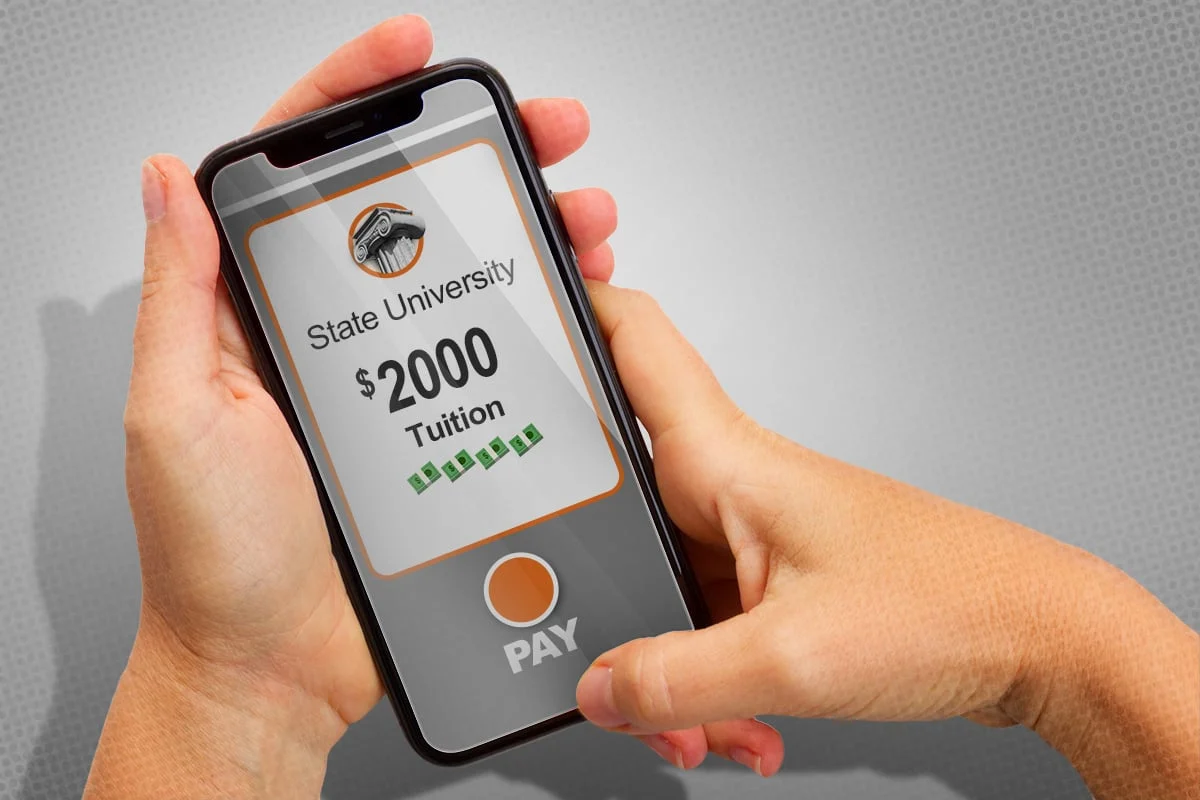
In a move that signals the definitive end of the paper-check era for higher education, financial technology giant PayPal announced on Wednesday a sweeping expansion of its services into the collegiate tuition sector. By partnering with three of the nation’s largest tuition-payment processors—Illumia, Nelnet Campus Commerce, and TouchNet—PayPal and its subsidiary, Venmo, are effectively bringing consumer-grade digital payment convenience to the high-stakes world of university billing.
This integration, which is already live at major institutions such as Michigan State University and Texas Tech University, allows students and their families to settle tuition balances through the same platforms they use to split dinner tabs or pay rent. As universities struggle to keep pace with the evolving financial habits of Gen Z, this partnership represents a significant bridge between legacy administrative systems and the digital-first expectations of today’s students.
A Chronology of Campus Payment Evolution
The trajectory of tuition payments over the last half-century mirrors the broader evolution of the American financial system. For decades, the process was anchored in the physical: paper checks mailed to bursar offices, followed by the slow, cumbersome adoption of bank wire transfers and early-stage credit card portals.
- The Early 2000s: The rise of the internet moved payments from the mailroom to the browser, with the introduction of secure, institution-specific payment portals. However, these systems remained siloed and often clunky.
- The 2010s: As mobile banking matured, universities began optimizing their portals for web browsers, though they remained largely disconnected from the rising popularity of peer-to-peer (P2P) payment apps.
- 2020–2023: PayPal began exploring the education sector through partnerships with athletic departments. Specifically, the company brokered deals with the Big Ten and Big 12 conferences to facilitate revenue-sharing payments to student-athletes via Venmo, testing the regulatory and operational viability of these platforms within a campus ecosystem.
- August 2026: The official announcement of the integration with Illumia, Nelnet, and TouchNet. This marks the transition of PayPal and Venmo from niche athletic payment tools to primary, institution-wide payment channels for tuition and fees.
Supporting Data: Why the Shift to Digital?
The move is not merely a branding exercise; it is rooted in shifting demographic behaviors. PayPal cites forthcoming internal data indicating that 94 percent of Gen Z respondents utilize a payment app on a weekly basis. For this cohort, the "friction" associated with entering credit card numbers or navigating bank routing codes is seen as an unnecessary barrier.
The scale of this implementation is significant. By aligning with Illumia, Nelnet, and TouchNet, PayPal has unlocked access to over a thousand universities across the United States. While the current rollout is limited to a handful of flagship campuses, the company anticipates that the ease of integration—which requires no overhaul of existing university back-end accounting software—will lead to widespread adoption within the next 12 to 18 months.
For institutions, the incentive is clear: streamlined administrative workflows and reduced friction in the payment collection cycle. For students, it provides a familiar interface that allows them to leverage their existing digital balances, linked bank accounts, or stored payment methods without leaving the university’s payment portal.
Official Responses and Strategic Rationale
The stakeholders involved view this as a necessary modernization of the student experience. Don Smith, senior vice president and general manager of integrated payments at Illumia, noted that the primary challenge for universities is balancing student convenience with administrative stability.
"Students and families want the flexibility to use payment methods that fit how they manage their money, while institutions need those options to work within the systems and processes their teams already rely on," Smith stated. "This integration helps schools expand choice in a practical way, improving the payer experience without creating a disconnected path for campus teams."
PayPal, in its own communication to Inside Higher Ed, emphasized the "security and trust" factor. Acknowledging that tuition is often the largest single expense a family incurs in a given year, the company argued that using a trusted, long-standing financial network can make the transaction feel "less daunting."

Bryan Dickson, director of education policy at the National Association of College and University Business Officers (NACUBO), framed the development as a natural, if long-overdue, progression. "Institutions want to meet the demand of the market," Dickson explained. "Just as we’ve seen institutions adjust to the needs of the students when it comes to housing, dining, activities, and campus services—PayPal, Venmo and other tools are fairly ubiquitous these days. This is simply the logical next step in fiscal management."
Implications: Convenience vs. Consumer Protection
While the convenience factor is undeniable, the integration has not been met with universal acclaim. Critics, particularly those focused on the ethics of educational finance, suggest that the entrance of major tech platforms into the tuition space warrants a closer look.
Mike Pierce, executive director and co-founder of Protect Borrowers, a nonprofit organization that monitors predatory lending practices, expressed significant reservations. His concerns are largely informed by a 2020 controversy in which unaccredited, for-profit workforce training programs were discovered using PayPal Credit—a "Buy Now, Pay Later" (BNPL) style service—to entice students into high-interest debt for programs of questionable value.
"I think that advocates for students should be skeptical of these kinds of deals," Pierce said. "Faster and simpler payment processing isn’t really the thing holding people back from going to college; it’s not having enough money. When you have massive companies getting into the student payment scheme, we should be skeptical."
The "No-Credit" Guarantee
In an effort to mitigate these concerns, PayPal has explicitly stated that students will not be able to apply for PayPal Credit or use "Buy Now, Pay Later" financing when settling tuition bills through these new portals. Payments are limited to existing app balances, linked bank accounts, or connected debit/credit cards. Furthermore, the company clarified that it maintains no formal lending relationship with the institutions themselves; the universities simply pay a standard transaction fee for the processing services.
The Broader Landscape of Higher Education Finance
The debate over PayPal’s entry into tuition payments touches on the deeper, more systemic issue of how college is financed in the United States. Proponents argue that in an era where students expect everything from food delivery to academic advising to be available at the tap of a screen, the university bursar’s office cannot remain an outlier.
However, the skepticism remains. As the line between consumer finance and academic debt continues to blur, the role of "Big Tech" in the educational lifecycle will likely face increasing scrutiny. If these platforms succeed in normalizing the ease of tuition payments, it may lead to further innovations—such as automated payment plans or integrated budgeting tools—that could either empower students or lead to further financial complexity.
As universities continue to digitize their operations, the focus will likely shift from the method of payment to the cost of education itself. While PayPal and Venmo have successfully solved the "user interface" problem of tuition, the broader economic questions regarding affordability, loan reliance, and the return on investment for higher education remain outside the scope of any payment app.
For now, the integration stands as a testament to the digital-first world order. Whether this results in a more efficient, student-friendly administrative environment or introduces new risks into an already fragile financial ecosystem remains to be seen as the rollout continues across the nation’s campuses.