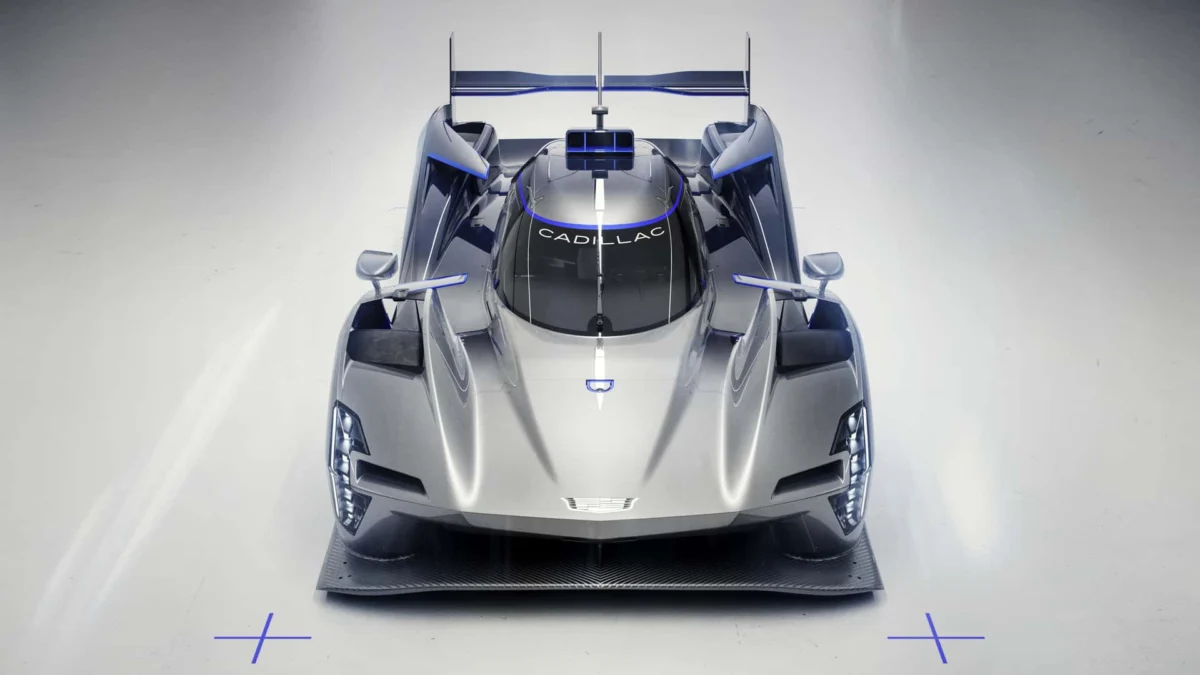
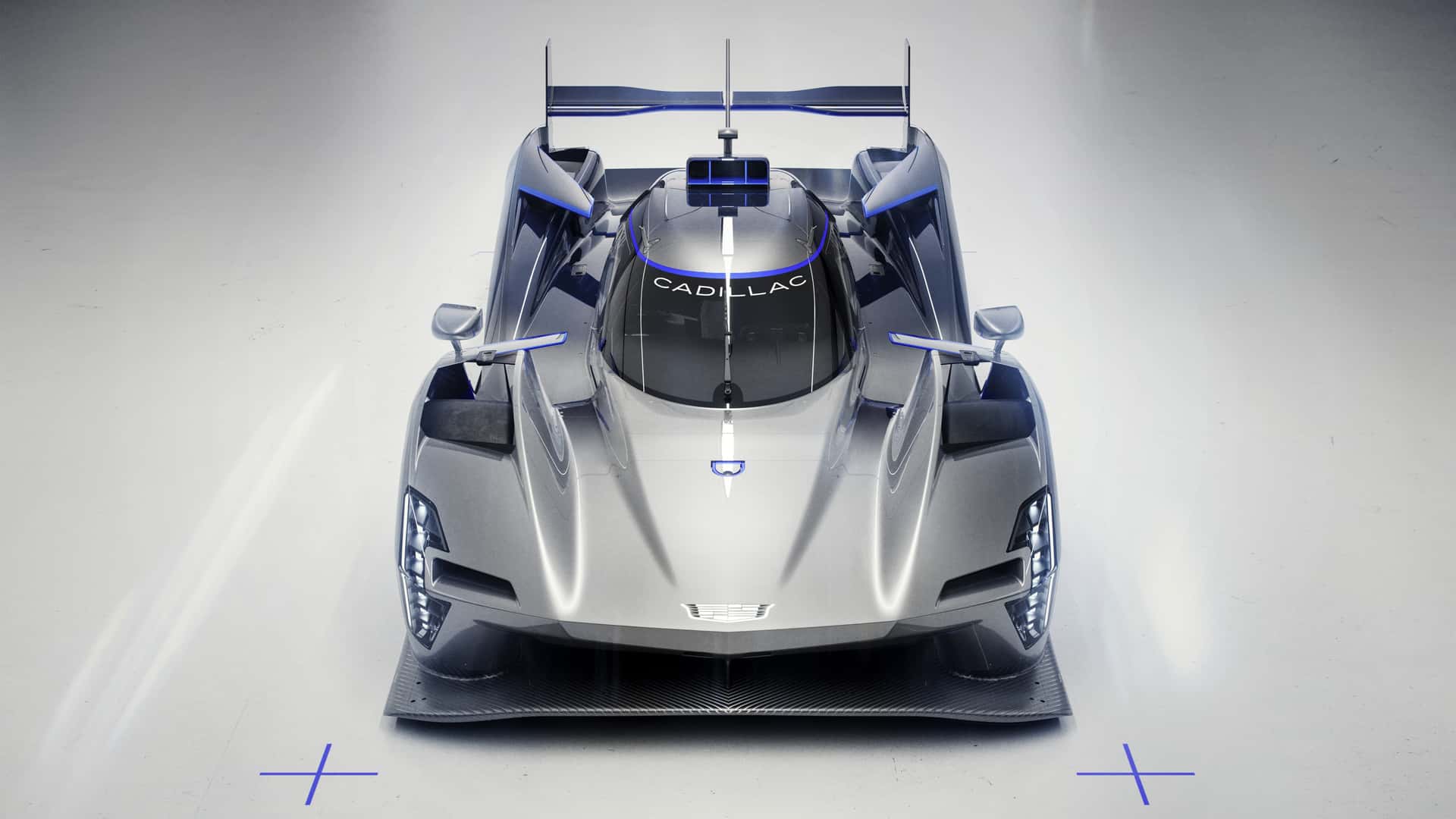
In the high-stakes world of automotive performance, the gap between the racetrack and the showroom is often measured in lightyears. While manufacturers frequently boast of "race-bred" technology, the reality is usually limited to sport-tuned suspensions and aggressive aesthetic packages. However, last week, Cadillac shattered this status quo by unveiling the V-One Concept—a machine that is, by the admission of its own creators, effectively a street-legal, customer-facing iteration of its dominant V-Series.R endurance racer.
As Cadillac navigates a new era defined by electrification and high-performance prestige, the V-One represents more than just a car; it is a statement of intent. It serves as a bridge between the grueling reality of the FIA World Endurance Championship (WEC) and the exclusive world of private, high-net-worth track enthusiasts.
The Genesis: From the Mulsanne Straight to the Private Paddock
The journey of the V-One Concept began in the halls of Cadillac’s performance division, where engineers tasked with dominating the 24 Hours of Le Mans realized they had created a platform so compelling that it deserved a life beyond professional racing.
The V-Series.R has been a revelation for General Motors, proving that American engineering can stand toe-to-toe with the titans of European motorsport. The V-One Concept is the spiritual successor to this competitive spirit. Unlike previous "concepts" that function as design exercises or vaporware, the V-One is, according to Sean O’Shea, the propulsion manager for Cadillac’s LMDh program, "as close as we can get" to the actual race car.
"It’s a concept in name," O’Shea noted in an interview with Road & Track, underscoring that the hardware beneath the bodywork is essentially identical to the machine that carves through the darkness at Circuit de la Sarthe.
Technical Specifications: The Anatomy of a Titan
To understand the gravity of the V-One, one must look at the mechanical architecture that defines it. At its heart lies the same hybrid 5.5-liter V-8 powerplant that powers the V-Series.R. This is not a detuned engine designed for longevity and comfort; it is a fire-breathing, high-revving endurance motor optimized for efficiency and explosive power.
Key Performance Metrics:
- Engine: 5.5-liter naturally aspirated V-8 hybrid system.
- Total System Output: Approximately 830 horsepower.
- Chassis: FIA-approved Dallara survival cell, shared directly with the competition-spec V-Series.R.
- Ergonomics: Heavily modified for operator accessibility without compromising track-focused structural integrity.
Cadillac has gone to extreme lengths to ensure the car remains "easier to operate" for private owners, a task that required re-engineering the complex interface of a modern LMDh prototype. The cockpit, for instance, underwent 36 distinct design iterations for the steering wheel alone. The final product is a masterpiece of functional minimalism—a wheel that houses integrated displays and tactile, race-derived controls, ensuring that the driver remains in command of the 830-horsepower hybrid surge at all times.
The Production Hurdle: Balancing Racing and Retail
The most significant challenge facing the V-One is not the engineering, but the logistics. Cadillac is acutely aware of the delicate balance required to maintain a championship-winning racing program. The company has explicitly stated that any decision to move forward with a production run must not adversely impact the performance or focus of its primary racing efforts.
However, there is a clear path forward. Through consultations with Dallara—the legendary chassis manufacturer—Cadillac has received assurances that the infrastructure exists to support the production of these limited-run vehicles alongside their racing counterparts.
O’Shea framed the project as a brand-elevation exercise: "The V-One is supposed to elevate our brand and bring awareness to everything we’re doing." By placing this vehicle into the hands of a select few, Cadillac hopes to solidify its reputation as a purveyor of world-class, track-ready hardware.
A Chronology of Cadillac’s Performance Evolution
Cadillac’s ascent to this point has been a calculated, multi-year strategy.
- 2021-2022: The foundation of the current performance trajectory was laid with the expansion of the V-Series brand, moving away from luxury-only marketing to a dual-identity strategy involving high-performance track capability.
- 2023: The debut of the V-Series.R at major endurance races signaled Cadillac’s intent to dominate global sports car racing.
- 2024: The company pushed further into the public eye with its commitment to Formula 1, signaling a global shift in brand perception.
- Late 2024: The unveiling of the V-One Concept marks the culmination of this pressure-testing, moving the focus from "what we race" to "what you can own."
The Strategic Implication: Why Now?
Why would a legacy automaker like Cadillac risk the resources required to bring a race car to market for private individuals? The answer lies in the shifting demographics of the automotive market.
High-net-worth individuals are increasingly moving away from mass-produced "supercars" and toward bespoke, track-exclusive machines that offer a genuine connection to professional racing. By offering a car that utilizes the same chassis and hybrid architecture as a Le Mans winner, Cadillac is tapping into an elite market segment that values authenticity above all else.
Furthermore, this move aligns with Cadillac’s broader "upmarket" push. With the introduction of the ultra-luxury Celestiq and a revamped, tech-forward lineup, the V-One serves as the "halo" that justifies the brand’s higher price points and more ambitious engineering goals. It tells the consumer that Cadillac is not just a manufacturer of SUVs and sedans; it is a house of performance.
Design Philosophy: Luxury Meets the Redline
The cabin of the V-One is a study in contrasts. While it features the raw, stripped-back aesthetic required for safety and weight reduction, it is finished with the attention to detail one expects from a Cadillac.
The integration of the infotainment and driver-focused telemetry is seamless. Designers faced the challenge of translating the overwhelming data of an LMDh race car into something a private owner could digest during a weekend track day. The result is a cabin that feels purposeful, luxurious, and technologically superior to virtually anything else on the grid.
The Road Ahead: The Verdict
Will the V-One ever see production? Cadillac has been clear: the final decision rests on customer feedback and market interest. However, given the current buzz and the brand’s aggressive push into elite motorsport, it is highly likely that we will see a limited, high-priced, and highly exclusive run of these vehicles.
If it does hit the production line, the V-One will undoubtedly become an instant collector’s item. It represents a rare opportunity to own a piece of racing history that hasn’t been watered down by the compromises of daily driving.
For the enthusiasts who follow Cadillac, the V-One is more than a concept. It is the realization of a promise—a promise that the spirit of the V-Series is not just a marketing badge, but a living, breathing, 830-horsepower entity. Whether you are watching from the grandstands at Le Mans or preparing to take your own V-One onto the tarmac, the message is clear: Cadillac has arrived, and it has no intention of slowing down.
As we await further news, one thing remains certain: the brand is listening. And in an industry that often ignores the voices of its most passionate drivers, that in itself is a refreshing change of pace.