For centuries, the craft of cheesemaking has been defined by alchemy: the transformation of simple milk, salt, and rennet into complex, flavorful wheels through the patient work of time and microbes. Now, a groundbreaking study from the University of Reading has peered behind the curtain of this process, revealing that the very bacteria responsible for the pungent aroma and creamy texture of British artisan cheese may also function as powerful allies for human health.
The research, published in ACS Food Science & Technology, offers a scientific validation for what connoisseurs have long suspected—that high-quality, traditionally made cheese is far more than a culinary indulgence; it is a living ecosystem with the potential to serve as a sophisticated vehicle for probiotics and prebiotics.
Main Facts: The Intersection of Gastronomy and Microbiology
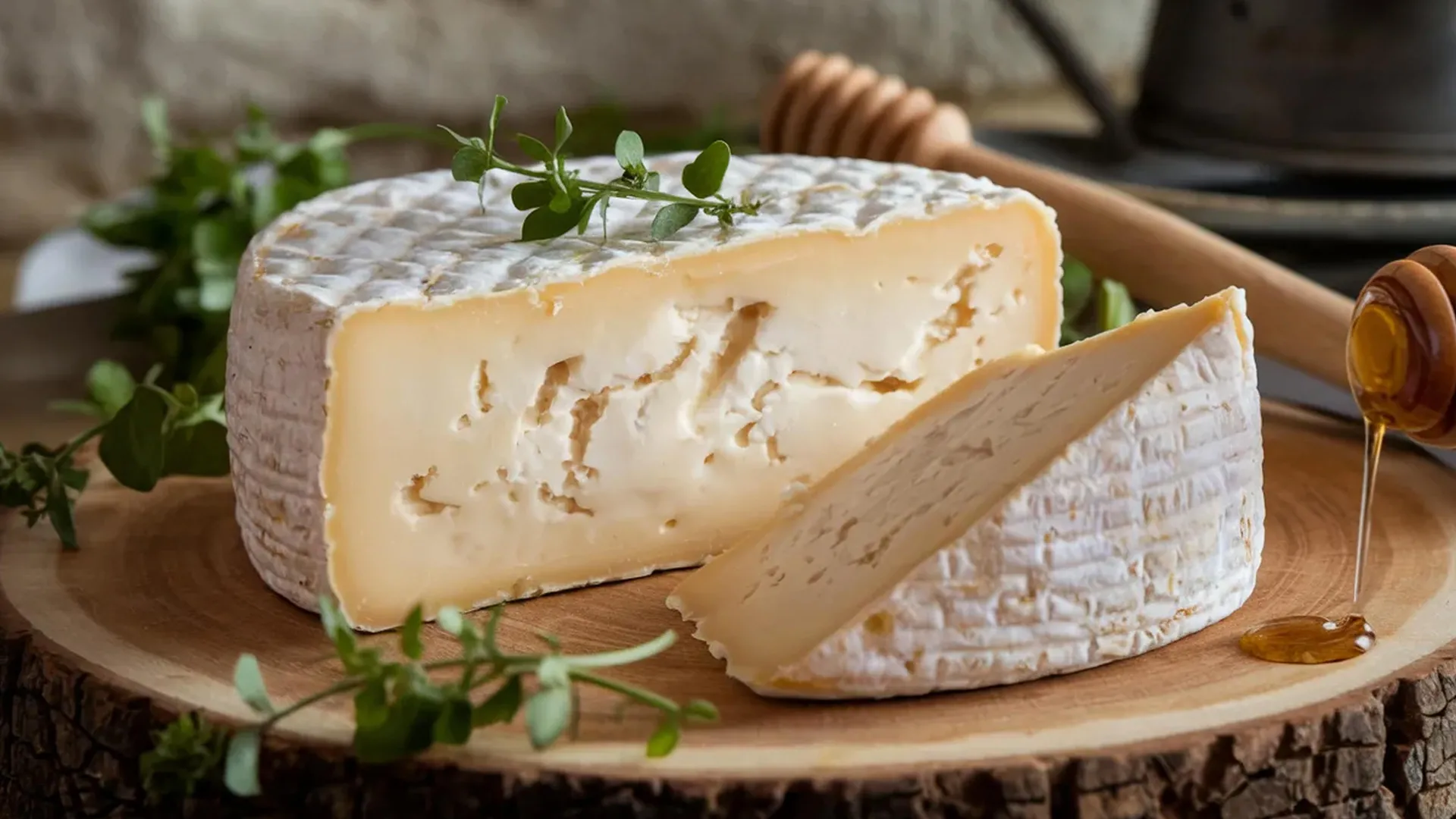
The study, led by researchers at the Food Microbial Sciences Unit at the University of Reading, focused on the maturation process of three distinct varieties produced by the Nettlebed Creamery in Oxfordshire. By meticulously tracking the biochemical and microbial shifts throughout the aging process, the team identified a robust community of "helpful bacteria" that evolve alongside the cheese’s flavor profile.
The three cheeses examined represent a spectrum of the cheesemaker’s art:
- A soft white rind cheese, aged for just over a week.
- A washed-rind semi-soft cheese, matured over several weeks.
- A semi-hard cheese, aged in hay for approximately nine months.
The findings indicate that these cheeses are not merely passive food items but are reservoirs of bacterial life. Many of the microbes identified—such as Streptococcus thermophilus and Lactococcus lactis—are recognized for their probiotic potential. Furthermore, the study suggests that the cheese matrix itself—a dense, protective structure of fats and proteins—may act as a biological "shield," ensuring these beneficial microbes survive the hostile, acidic environment of the human stomach to reach the gut, where they can confer health benefits.
Chronology: The Life Cycle of a Wheel
To understand how these microbial populations stabilize or flourish, the researchers conducted a longitudinal study, collecting samples at multiple intervals throughout the maturation cycle.
The Early Stages: Foundation Building
In the initial stages of cheesemaking, the bacterial landscape is dominated by starter cultures. The researchers observed that Lactococcus lactis was present from the inception of all three varieties, providing a consistent microbial foundation. Streptococcus thermophilus, a staple in yogurt production, proved to be a persistent resident, remaining the dominant species in the semi-soft and hard varieties throughout their entire maturation.
The Mid-Stage Evolution
As the cheeses entered the intermediate stages of aging, the microbial diversity began to differentiate based on the environment. In the washed-rind and hay-aged varieties, the team detected the emergence of Propionibacterium freudenreichii. This specific bacterium is of particular interest to nutritionists; it produces propionic acid, a compound linked to a suite of physiological advantages, including anti-inflammatory properties, the modulation of cholesterol synthesis, and the regulation of appetite.
The Late-Stage Maturation: The "Hay" Effect
Perhaps the most striking discovery involved the hay-aged, semi-hard cheese. As this cheese matured over nine months, it underwent a profound microbial expansion. By the end of the process, the fully mature cheese contained nearly four times as many bacterial species as it did at the beginning of its aging cycle. This suggests that the environment of the hay—often overlooked in industrial production—acts as a rich source of biological complexity, enriching the cheese with a diverse array of microbes that might not be found in mass-produced, factory-aged alternatives.
Supporting Data: The Chemical Composition of Artisan Quality
The data gathered by the University of Reading team provides a rigorous look at the biochemical changes that occur during fermentation and aging.
The Lactose Decline
One of the most significant findings for the lactose-intolerant population is the drastic reduction of lactose levels. The study found that by the time the artisan cheeses reached full maturity, lactose was almost entirely absent. The lactic acid bacteria work systematically during the fermentation process, consuming the milk sugar and converting it into lactic acid. This discovery implies that many traditional, aged artisan cheeses may be safely consumed by individuals who struggle with dairy digestion, provided the aging process is sufficiently long.
Chitin and the Prebiotic Potential of Rinds
The research also offers a compelling argument for consuming the rind of soft, mold-ripened cheeses. The white mold Penicillium candidum, which gives these cheeses their characteristic rind, produces chitin. Chitin is a type of dietary fiber that acts as a prebiotic, serving as fuel for beneficial gut bacteria. By consuming the rind, cheese lovers are not only enjoying a distinct textural element but are potentially fueling the growth of healthy microbiota within their own digestive systems.
Official Responses and Researcher Insight
Sabrina Longley, the lead author of the study and a PhD researcher in the Department of Food and Nutritional Sciences at the University of Reading, holds a unique dual perspective: she is both a scientist and a practicing cheesemaker at Nettlebed Creamery.
"Good cheese is delicious," Longley noted in her summary of the research. "The artisan varieties we studied are full of microbial life that could have benefits to your gut health. The aging process creates more complex aromas and textures through the work of an army of helpful bacteria. Because the matrix of fats and proteins in the cheese protects these bacteria as they travel along the digestive tract, cheese acts as an excellent vehicle for the delivery of probiotics to the gut."
Longley’s journey is itself a success story of academic and community partnership. Her research was supported by a University of Reading regional bursary, a program specifically designed to bridge the gap between academic institutions and the local industries they serve. Her dual role allowed the research team to gain unprecedented access to the cheesemaking process, ensuring the samples were representative of high-quality, authentic artisan production rather than standardized laboratory imitations.
Implications: The Future of Functional Foods
The implications of this study are far-reaching for both the food industry and public health. As consumer interest in the "microbiome" grows, the demand for natural, fermented foods—often categorized as "functional foods"—has spiked.
Rethinking the "Probiotic" Label
Currently, the probiotic market is dominated by shelf-stable supplements and heavily processed yogurt drinks. This research suggests that artisan cheese could be a more effective, natural, and enjoyable alternative. By consuming cheese, individuals are not just ingesting isolated strains of bacteria; they are ingesting a complex, synergistic community of microbes supported by a nutrient-dense food matrix.
The Need for Further Intervention
Despite these promising findings, the researchers remain cautious. While the presence of beneficial bacteria and prebiotic fibers in cheese is scientifically established, the study emphasizes that more work is required. The next phase of research will need to involve dietary intervention trials—human studies that track how these specific bacterial populations behave within the living, breathing, and highly variable environment of the human gut.
"We have identified the potential," the researchers noted, "but we must now determine the impact." Future trials will focus on whether the specific strains found in Nettlebed’s artisan cheeses can successfully colonize the human gut or interact with the existing microbial population to produce measurable health outcomes, such as improved digestion, immune system modulation, or metabolic health.
The Artisan Advantage
For the artisan cheesemaking industry, this research provides a powerful narrative. It shifts the focus of cheese from being a caloric, fat-heavy indulgence to a nuanced, biologically active food. It validates the traditional methods—such as aging in hay—that have been passed down for generations but were previously misunderstood by the lens of modern food science.
As the scientific community continues to explore the gut-brain axis and the profound impact of the microbiome on overall health, the humble wheel of artisan cheese may find itself at the center of a new dietary revolution. For now, the takeaway is clear: the complexity of the flavor is not just a treat for the palate—it is a sign of a vibrant, living ecosystem that, when consumed in moderation, may offer significant, science-backed benefits to the human body.