Finding the perfect rental property—a sun-drenched apartment in a bustling city center or a cozy, quiet home in the suburbs—often feels like the culmination of a high-stakes scavenger hunt. However, the excitement of moving into a new space can easily blind prospective tenants to the underlying risks of the modern rental market. From sophisticated digital scams to predatory lease clauses that trap tenants in years of financial liability, the path to a new home is fraught with potential pitfalls.
As rental demand continues to surge across the United States, so too does the prevalence of rental fraud. Whether you are hunting for high-rise apartments in Austin or searching for family homes in Tampa, the ability to discern a legitimate listing from a financial trap is an essential skill. This guide delves into the mechanisms of rental fraud, the importance of contractual scrutiny, and the steps you must take to protect your investment before you sign on the dotted line.
The Anatomy of a Rental Scam: Key Facts
At its core, a rental scam is a deceptive practice where a bad actor poses as a property owner or manager to collect application fees, security deposits, or first-month rent for a property they do not own or have no legal right to lease.
The "Too Good to Be True" Phenomenon
The most common hallmark of a scam is an unrealistically low price point. In an era where rental data is transparent and accessible, a property listed for 30–50% below the market average for its neighborhood is rarely a "hidden gem." It is almost invariably a red flag. Scammers often scrape photographs and descriptions from legitimate listings on sites like Zillow or Redfin and repost them on platforms with less stringent verification processes, such as Craigslist or social media marketplace groups.
The Emotional Manipulation Tactic
Paul Rowan, owner of The Key to Rentals, notes that scammers often employ specific psychological tactics to bypass a renter’s skepticism. “Scammers often rely on overly emotional language to manufacture trust,” Rowan explains. “They might weave a sob story about why they are out of the country or why they need to rent the property ‘urgently.’ This creates a sense of manufactured pressure, encouraging the tenant to skip due diligence in fear of losing a ‘perfect’ deal.”
Chronology of a Secure Rental Search
To avoid falling prey to these traps, renters should follow a structured, chronological approach to their search.
- Verification Phase: Before reaching out, verify the listing on multiple platforms. Does the same property appear with different contact information or prices? If so, proceed with extreme caution.
- Professional Interaction: Once you make contact, assess the communication style. Is it strictly business-like, or is it overly personal? A professional landlord or property manager will use official company email addresses and adhere to standard disclosure processes.
- The Physical Walkthrough: Never sign a lease or pay a deposit for a property you have not toured in person. If a landlord claims to be "out of town" and insists you pay a deposit to receive the keys via mail, terminate the interaction immediately.
- Contractual Audit: Once a property is verified, the focus shifts to the lease agreement. This is the most critical stage of the process, as the document acts as the legal arbiter of your tenancy.
- Execution and Documentation: After the lease is signed, retain a copy of all correspondence, receipts for deposits, and a move-in checklist.
Vague Terms and the Hidden Costs of Leasing
A lease is more than just a document stating your monthly rent; it is a complex legal contract that dictates your quality of life. Janaka Perera, principal broker at Perch Properties, emphasizes the necessity of forensic-level scrutiny.
The Danger of Ambiguity
“Make sure the lease clearly identifies who is responsible for repairs, utilities, yard or pool care, and appliance maintenance,” says Perera. “Watch for vague language or provisions that could create unexpected costs.”
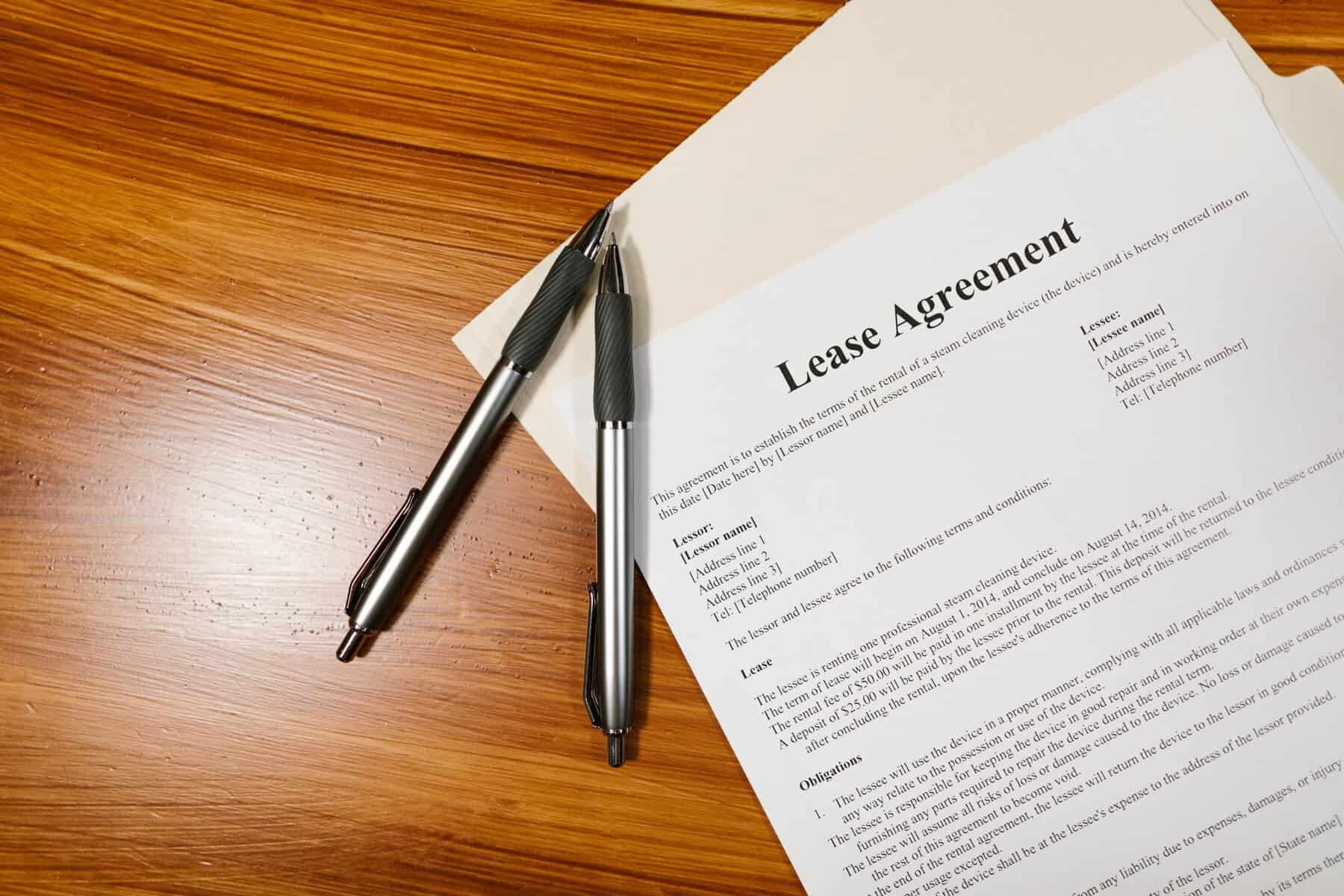
For instance, a clause stating the tenant is responsible for "general maintenance" without defining the scope is a liability trap. Does this include the HVAC system? Is it limited to changing lightbulbs? Without explicit definitions, a landlord can legally shift the burden of expensive structural repairs onto the tenant. Always request written clarification for any clause that feels overly broad.
The "As-Is" Trap
Many prospective tenants tour a home that is cluttered or in need of minor repairs. A landlord may verbally promise to repaint, fix a leaky faucet, or replace a carpet before move-in. However, if the lease contains an "as-is" clause, those verbal promises become legally unenforceable the moment you sign. Always ensure that any agreed-upon repairs are explicitly written into an addendum of the lease agreement.
Supporting Data and Industry Observations
Recent trends in the real estate sector indicate that as professional property management firms move toward digital-first models, scammers have become more adept at mimicking professional communication.
- Platform Safety: Industry experts consistently recommend sticking to verified platforms that mandate identity verification for listers.
- The 50-Page Rule: While lease length is not a crime, excessive length (often exceeding 30–50 pages) is frequently used to bury "arbitration clauses" or "excessive fee schedules" that are designed to disadvantage the tenant. Conversely, a one-page, hand-scrawled lease is a major red flag indicating a lack of professional legal oversight, which can leave both parties vulnerable.
Professional Verification: The First Line of Defense
In many states, the law requires property managers to hold a real estate broker’s license or operate under the supervision of a licensed broker. This is a crucial piece of information for any prospective renter.
How to Check Credentials
- Locate the License: If you are dealing with a property management company, ask for their license number.
- Consult the State Board: Most states provide an online portal via the Department of Real Estate where you can verify if a broker or manager is in good standing.
- Demand Professionalism: If a manager refuses to provide their credentials or tries to deflect the question, they are likely unlicensed. Working with unlicensed individuals removes your ability to file a complaint with state real estate commissions should a dispute arise.
Implications of Signing a Predatory Lease
The consequences of failing to vet a lease agreement can extend far beyond the loss of a security deposit.
- Financial Ruin: Unexpected "administrative fees," "mandatory move-in insurance," or "utility service fees" can inflate the cost of your rent by hundreds of dollars per month, effectively pricing you out of your own home.
- Legal Entanglements: A poorly drafted lease may include illegal clauses—such as an agreement that you waive your right to a habitable home—which could lead to long, expensive litigation if the property experiences a major issue like mold, fire, or plumbing failure.
- Credit Impact: If a lease includes hidden, predatory late fees that you weren’t aware of, these can accumulate rapidly, eventually impacting your credit score if you fall behind on payments you didn’t realize you were obligated to make.
The Essential Pre-Signature Checklist
Before you commit, ensure you have completed the following:
- In-Person Tour: Have you walked through every room, including the basement and attic?
- Verify the Owner: Have you checked the local property tax records to see if the person you are talking to is the owner?
- Clarify All Fees: Are there any monthly costs outside of the rent? Are these costs fixed or variable?
- Defined Repair Clauses: Is there a clear, written understanding of who handles emergency repairs?
- Review the Break-Clause: What are the penalties for breaking the lease early? Are there provisions for subletting?
- Read the "Small Print": Do not skip over the "rules and regulations" section of the lease. This is where most restrictive (and potentially illegal) clauses are hidden.
Conclusion: Empowering Your Next Move
Securing a rental should be an exciting milestone, not a source of anxiety. By approaching your search with a critical eye, verifying credentials, and refusing to settle for vague contractual language, you move from being a vulnerable target to an informed consumer.
The rental market is competitive, but your peace of mind is worth more than any "quick deal." Use reputable platforms, demand transparency, and never be afraid to walk away if something feels wrong. By taking the time to protect your interests today, you ensure that your next house truly feels like home.