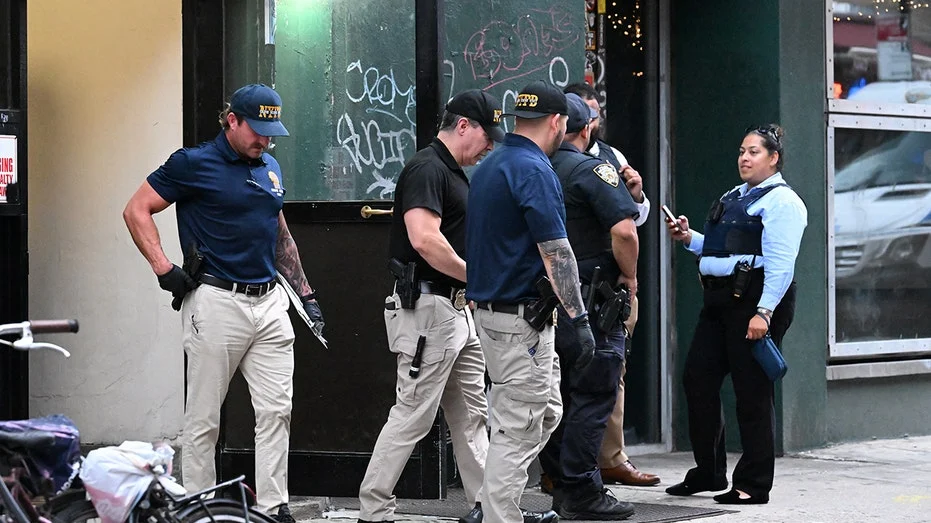
NEW YORK — A violent domestic dispute inside a Lower East Side apartment building escalated into a fatal police-involved shooting on Sunday afternoon, leaving a 54-year-old man dead, his elderly father hospitalized, and a community grappling with the complex intersection of law enforcement and mental health crises.
The incident occurred on August 16, 2026, at 126 Ludlow Street, a multi-story residential building located in one of Manhattan’s busiest historic neighborhoods. According to the New York City Police Department (NYPD), responding officers shot and killed Wei Chan, 54, after he allegedly advanced toward them on a narrow staircase while brandishing a large butcher knife.
Subsequent investigations revealed that Chan had severely injured his 75-year-old father, Cheung Chan, prior to the arrival of the police. The tragedy has renewed public debates surrounding municipal emergency responses to individuals with documented histories of psychiatric illness.
Main Facts of the Incident
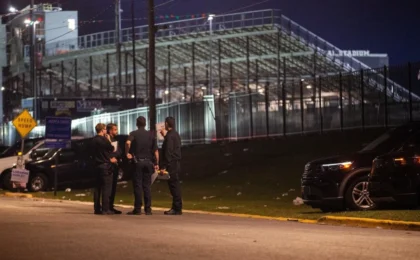
The confrontation, which unfolded shortly after 4:00 p.m., drew a massive police presence to the Lower East Side, temporarily cordoning off portions of Ludlow Street between Delancey and Rivington Streets.
The primary elements of the event include:
- The Suspect: Wei Chan, a 54-year-old resident of 126 Ludlow Street. He had no prior criminal record with the NYPD but possessed a documented history of mental health challenges known to the department.
- The Victim: Cheung Chan, the suspect’s 75-year-old father, who suffered a significant laceration to his head during an assault perpetrated by his son.
- The Location: A residential stairwell inside 126 Ludlow Street, a typical tenement-style apartment building characterized by confined spaces and limited avenues of retreat.
- The Outcome: Wei Chan was shot multiple times by responding officers and was later pronounced dead at a local hospital. Cheung Chan was treated for non-life-threatening injuries and is expected to survive. Responding officers were transported to an area hospital for psychological and physical evaluation following the high-stress encounter.
Chronology of the Confrontation
The sequence of events on Sunday afternoon progressed rapidly, transitioning from a domestic disturbance call to a lethal tactical engagement in a matter of minutes.
[4:00 PM] Multiple 911 calls report active assault at 126 Ludlow St.
   │
[4:05 PM] NYPD officers arrive, discover trail of blood in the lobby.
   │
[4:07 PM] Officers ascend stairs; encounter Wei Chan armed with a butcher knife.
   │
[4:08 PM] Officers issue repeated commands to drop the weapon; Chan advances.
   │
[4:09 PM] Officers discharge firearms; Chan is neutralized.
   │
[4:15 PM] Medical personnel transport Wei Chan and injured father to hospital.
The Initial 911 Dispatch
At approximately 4:00 p.m., the NYPD’s communication dispatch received a flurry of urgent 911 calls from residents at 126 Ludlow Street. Callers reported a violent assault in progress inside one of the residential units, with screams audible from the hallways. Officers from the local precinct were immediately dispatched to the scene under high-priority protocols.
Discovery of the Crime Scene
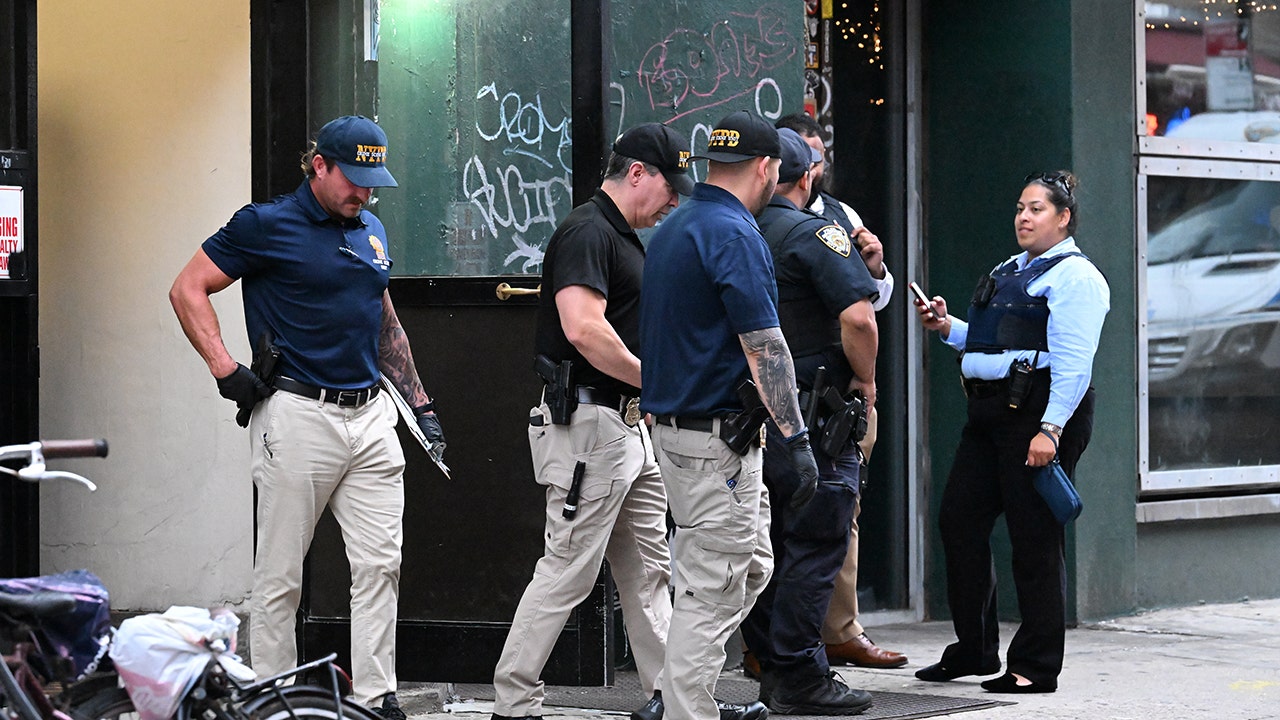
Upon arriving at the scene, officers entered the building’s ground-floor lobby and were immediately met with physical evidence of a severe struggle. NYPD Assistant Chief Melissa Eger later confirmed during a press briefing that officers discovered a visible trail of blood beginning in the lower common area and leading directly up the building’s central staircase.
Recognizing the immediate threat to life, officers began ascending the stairs to locate the source of the violence and render aid.
The Stairwell Encounter
As officers navigated the tight staircase, they encountered Wei Chan descending toward them. According to police reports, Chan was actively wielding a large butcher knife.
The physical layout of the building placed the officers in a tactically vulnerable position, with limited space to maneuver or establish a safe defensive perimeter.
Escalation and Use of Force
Assistant Chief Eger stated that officers immediately attempted verbal de-escalation, issuing numerous clear commands for Chan to stop his descent, show his hands, and drop the butcher knife.
"Officers repeated multiple commands for the male to show his hands in an effort for him to drop the weapon," Eger explained to reporters. "As officers issued repeated commands, the male continued to advance towards the officers armed with the large butcher knife."
Fearing for their physical safety and trapped in the narrow stairwell, officers discharged their service weapons, striking Chan multiple times. The gunfire neutralized the threat, and officers immediately transitioned to providing emergency first aid while summoning emergency medical services (EMS).
Medical Intervention and Aftermath
Wei Chan was rushed by ambulance to a nearby hospital, where emergency medical staff attempted life-saving measures. He was pronounced dead shortly after arrival.
Upon securing the stairwell, officers continued up to the apartment, where they located Cheung Chan, 75. The elderly man was suffering from a severe head laceration. Paramedics treated him at the scene before transporting him to an area hospital. Medical officials have since confirmed that his injuries, while serious, are not life-threatening.
Supporting Data and Contextual Background
This fatal shooting underscores broader systemic issues facing New York City, particularly regarding how law enforcement interacts with individuals experiencing acute psychiatric distress.
Mental Health and Police Encounters
According to police statements, Wei Chan had no established criminal history, meaning he had never been arrested or prosecuted by New York authorities. However, Assistant Chief Eger confirmed that Chan had a "documented mental health history with the department."
This status indicates that the NYPD had previously responded to calls for service involving Chan under "Emotionally Disturbed Person" (EDP) protocols.
Data compiled by municipal watchdogs and mental health advocacy groups reveals the frequency of these high-stakes interactions:
| Metric / Statistic | Annual Estimate (NYC) |
|---|---|
| Annual 911 Mental Health Calls | Over 150,000 |
| NYPD EDP Call Response Rate | ~400 per day citywide |
| Percentage of Officer-Involved Shootings Involving Mental Illness | Estimated 30%–40% of fatal encounters |
The Danger of Tight Spaces in Domestic Responses
Tactical analysts frequently point out that residential stairwells and narrow hallways are among the most hazardous environments for police officers. The "21-Foot Rule"—a law enforcement guideline suggesting that an suspect armed with an edged weapon can close a distance of 21 feet before an officer can effectively draw and fire a sidearm—becomes a critical factor in confined spaces.
In a tenement stairwell, the distance between an officer and a suspect is often less than ten feet, severely reducing the time available for non-lethal alternatives, such as Tasers or chemical irritants.
Official Responses
The shooting prompted immediate reactions from both NYPD leadership and city hall, emphasizing the dangerous nature of police work while promising a thorough, transparent review of the tactics used.
"Their actions are a reminder of how officers run towards danger and not away from it."
— NYPD Assistant Chief Melissa Eger
NYPD Leadership
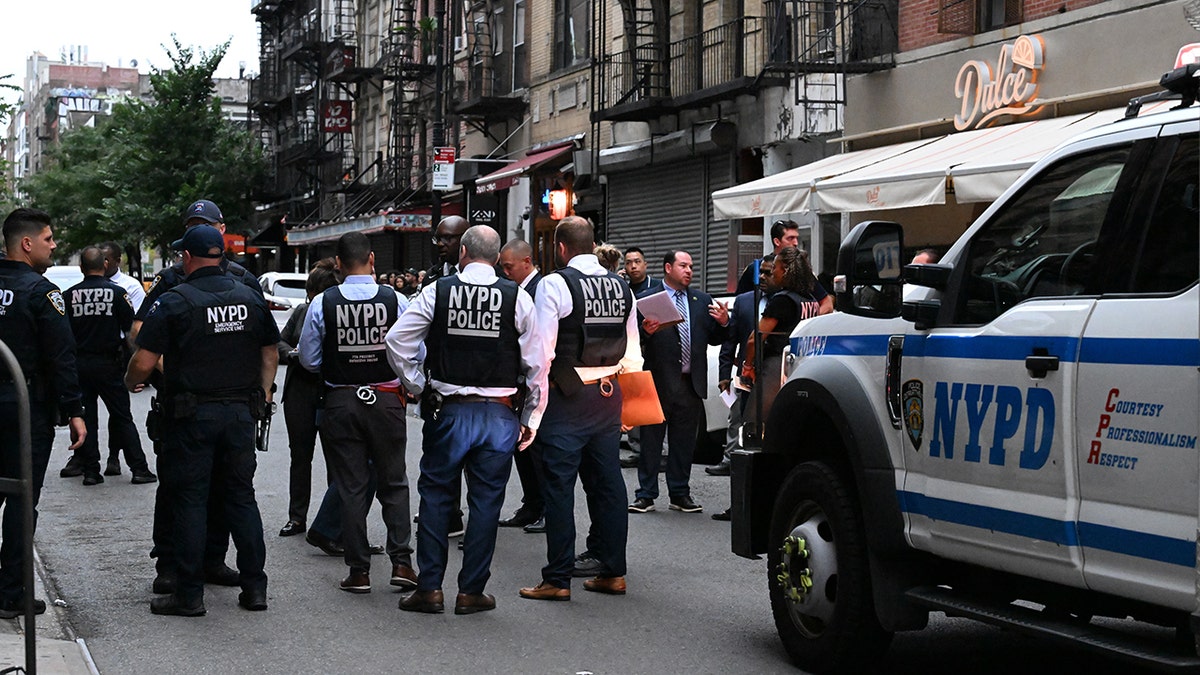
During a Sunday evening press conference held near the cordoned-off scene, Assistant Chief Melissa Eger defended the rapid response of the officers while acknowledging the tragic loss of life. She emphasized that the officers acted to prevent further harm to the community and themselves.
"Their actions are a reminder of how officers run towards danger and not away from it," Eger stated, highlighting that the officers did not hesitate to enter a building where a violent, blood-yielding assault was actively taking place.
Municipal Government
Mayor Zohran Mamdani addressed the incident on Sunday evening, confirming that he had been fully briefed by the NYPD command staff. In a public statement posted to the social media platform X, the Mayor sought to reassure the public that the shooting would be scrutinized under standard oversight protocols.
"As with every incident in which NYPD officers discharge their weapons, there will be an internal investigation, and body-worn camera footage of the incident will be released," Mamdani wrote.
Implications and Broader Analysis
The fatal shooting of Wei Chan is expected to reignite debates over municipal policy, police training, and the deployment of mental health resources.
Body-Worn Camera (BWC) Transparency
Under current NYPD guidelines and state law, the department is required to release body-worn camera footage of critical incidents—particularly those involving officer-issued gunfire—within a designated timeframe. The release of this footage is viewed by civil rights advocates and police oversight boards as an essential step in verifying the official sequence of events.
The upcoming footage will likely clarify the exact distance between the officers and Wei Chan, the duration of the verbal warnings, and Chan’s physical posture prior to the discharge of firearms.
The Co-Response Model Debate
This incident occurs amid ongoing discussions regarding the efficacy of New York City’s mental health emergency response programs, such as the Behavioral Health Emergency Assistance Response Division (B-HEARD).
These programs pilot the dispatch of mental health professionals alongside, or instead of, police officers for non-violent psychiatric emergencies.
However, policy experts note that in cases involving active physical violence, such as the domestic assault on Cheung Chan, standard operating procedures dictate that armed law enforcement officers must secure the scene before medical or psychiatric professionals can enter. The presence of a weapon (the butcher knife) and an active victim (the bleeding father) disqualified this incident from a non-police psychiatric intervention.
Psychological Support for First Responders
The decision to hospitalize the responding officers for medical and psychological evaluation reflects a growing recognition within law enforcement of the acute trauma associated with lethal force encounters.
Modern policing protocols mandate immediate post-incident psychological de-briefings and temporary administrative leave for officers involved in shootings, aimed at mitigating the long-term effects of Post-Traumatic Stress Disorder (PTSD).
As the NYPD Force Investigation Division continues its investigation, the Lower East Side community remains focused on the recovery of 75-year-old Cheung Chan and the systemic changes needed to prevent similar tragedies in the future.