Middle Eastern oil producers have initiated a massive, clandestine "shuttle" operation to move crude out of the Persian Gulf, successfully insulating global markets from a catastrophic price spike despite the ongoing regional conflict involving Iran. By utilizing "dark" transits and high-stakes ship-to-ship transfers, these nations are maintaining a lifeline that has kept Brent crude well below the $100 mark, even as the world’s most vital energy chokepoint remains a theater of active hostility.
Main Facts: The Clandestine Logistics of Global Energy Security
In the face of a protracted and volatile conflict involving Iran, the global economy has remained surprisingly resilient against energy-driven inflation. This stability is not a result of decreased tensions, but rather a sophisticated and dangerous logistics operation dubbed the "shuttle trade." Middle Eastern oil producers, led by the United Arab Emirates (UAE) and increasingly joined by Iraq, Kuwait, and Qatar, are bypassing traditional shipping norms to ensure their crude reaches international buyers.
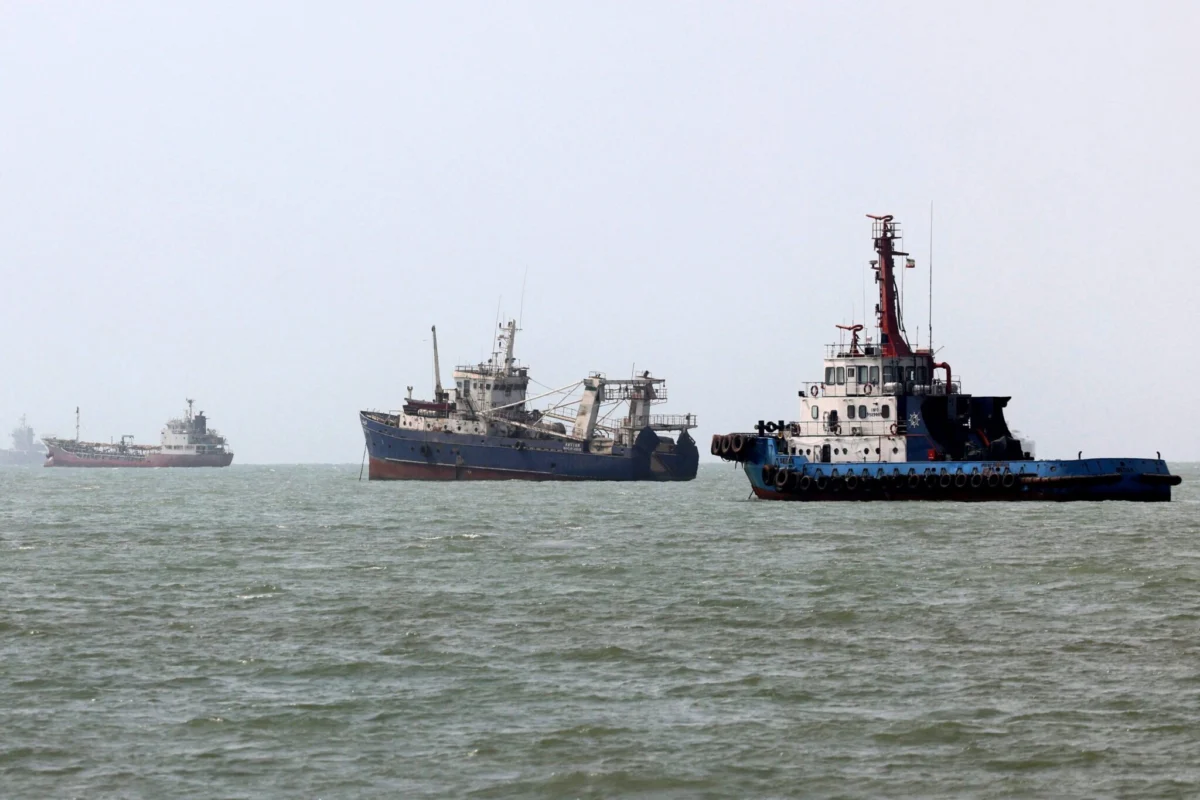
The operation centers on the Strait of Hormuz, a narrow waterway through which roughly 20% of the world’s oil supply traditionally flows. To mitigate the risk of seizure or missile attacks by Iranian forces, producers are employing a "dark shuttle" system. Vessels turn off their Automatic Identification System (AIS) transponders—effectively going "incognito"—to traverse the Strait undetected. Once they reach the safer waters of the Gulf of Oman, these smaller "shuttle" tankers transfer their cargo onto massive Very Large Crude Carriers (VLCCs) waiting in international waters.
Currently, this shadow trade is running at "full tilt." While market analysts initially feared that a conflict in the region would choke off supply and send prices soaring toward $150 per barrel, Brent crude futures have instead spent much of August trading in a manageable range between $80 and $90. This price ceiling is being maintained by volumes that significantly exceed early wartime estimates. While the U.S. government recently reported that approximately 9 million barrels a day are still transiting the Strait—nearly half of pre-war levels—insiders suggest the actual figure, including "dark" volumes, may be even higher.
Chronology: From Open Markets to Wartime Subterfuge
The transition from standard maritime operations to the current state of "dark" logistics has been a rapid evolution necessitated by the "Iran war."
The Pre-War Baseline
Prior to the outbreak of hostilities, the Strait of Hormuz was the heartbeat of the global energy market. Approximately 20 million barrels of crude and refined products passed through the 21-mile-wide passage daily. Shipping was transparent, with AIS data providing real-time visibility to traders and port authorities.
The Onset of Hostilities and Market Panic
As the conflict erupted, the immediate reaction of the global market was one of panic. Insurance premiums for transiting the Persian Gulf skyrocketed, and many international shipowners refused to send their vessels into the "hot zone." In the early weeks, there were widespread predictions of a global recession triggered by an energy supply shock.
The Birth of the Shuttle (Early Months of Conflict)
Recognizing that their national economies and global reputations depended on reliable exports, regional state-owned oil companies began experimenting with the shuttle model. Initially, this involved a small number of vessels with high-level military escorts. However, as Iranian attacks on merchant shipping intensified, the strategy shifted toward stealth rather than just force.
August 2026: Full-Scale Dark Operations
By August, the shuttle trade had become a standardized, albeit high-risk, operation. Satellite imagery and industry data now show a massive buildup of vessels outside the Strait. In the Gulf of Oman, the number of ships waiting for cargo transfers has jumped from 40 in January to over 150. Despite 23 confirmed attacks on UAE-affiliated vessels alone since the conflict began, the pace of shipments has not slowed.
Supporting Data: Mapping the Flow of "Dark" Oil
The scale of the operation is reflected in maritime data and satellite observations, which provide a glimpse into a trade that producers would prefer to keep off the books.
- Flow Volumes: While pre-war levels sat at 20 million barrels per day (bpd), U.S. Energy Secretary Chris Wright confirmed that 9 million bpd crossed the Strait in a single week in August. However, industry experts at Kpler and Vortexa suggest that when "dark" shipments are accounted for, the total volume is significantly higher, likely exceeding 4 million bpd beyond the publicly tracked figures.
- Vessel Congestion: European Union Sentinel-1 satellite data reveals the dramatic shift in maritime traffic. The waters off the coast of Oman have become a de facto "floating terminal." The jump from 40 ships in January to 150 in August underscores the sheer volume of ship-to-ship (STS) transfers occurring outside the immediate conflict zone.
- The Saudi Shift: Saudi Arabia, which had previously relied on its East-West pipeline to the Red Sea to bypass Hormuz, is now redirecting barrels back toward the Persian Gulf. This is due to the increased threat from Houthi militants in the Red Sea. Currently, 16 Saudi supertankers are positioned off the Omani coast, with a collective capacity to haul 38 million barrels of crude.
- Price Resilience: The primary indicator of the shuttle trade’s success is the price of Brent crude. Despite the loss of several vessels and the deaths of seafarers, the market has not seen the $150 "apocalypse scenario." The $80–$90 range suggests that supply is meeting demand, thanks to these unconventional methods.
Official Responses: Determination Amidst Danger
The organizations involved in this trade are walking a fine line between maintaining operations and acknowledging the severe risks to their personnel.
Abu Dhabi National Oil Co. (ADNOC)
The UAE’s state energy giant has been the most vocal regarding the challenges of the current environment. In a statement, ADNOC emphasized its commitment to global energy security while condemning the "unprovoked attacks" on its fleet.
"Despite the repeated targeting of our vessels, we are determined to continue meeting our responsibility to safely deliver energy to global markets," the company stated. "An attack on the infrastructure that keeps energy flowing is not simply an attack on a company… the disruption in the Strait of Hormuz is inflicting profound damage far beyond those directly impacted in this region."
ADNOC also revealed the human cost: 23 of its vessels have been attacked, resulting in one fatality and 20 injuries to crew members.
The United States Government
US Energy Secretary Chris Wright expressed surprise at the high volume of oil still moving through the region. The U.S. has maintained a presence in the area to provide "defensive actions" against forces harassing merchant ships, though the extent of this military protection is often kept classified to avoid escalating the conflict further.
Industry Experts and Insurers
Pankaj Khanna, CEO of Heidmar Maritime Holdings Corp., provided a blunt assessment of the situation: "It’s a dark trade. It’s the only option right now as not all owners are willing to take the risk." Insurers have noted a "steady stream" of requests for coverage from Gulf producers, though the premiums reflect the extreme danger of the "dark" transits.
Implications: The High Cost of Lower Prices
While the shuttle trade has successfully prevented a global economic meltdown, the long-term implications of this "clandestine" energy market are troubling.
1. The Normalization of High-Risk Shipping
The success of the "dark" shuttle sets a precedent for how energy can be moved during a conflict. By turning off transponders and engaging in STS transfers in the open ocean, producers are bypassing the transparency that international maritime law usually demands. This could lead to a permanent "shadow fleet" in the Middle East, similar to those used by sanctioned nations like Russia or Venezuela, but on a much larger and more institutionalized scale.
2. Environmental Catastrophe
One of the most immediate risks is environmental. Satellite images have already detected mysterious oil spills in the Gulf of Oman. Because these ships are operating with transponders off and often in a state of high tension or under duress, the risk of collisions or mechanical failures during STS transfers is significantly elevated. Tracking the source of a spill becomes nearly impossible when the vessels involved are "dark," leaving coastal nations like Oman to deal with the ecological fallout.
3. The Human Toll
The maritime industry is facing a crisis of safety. With seafarers dying and dozens being injured, the "shuttle trade" is being built on the backs of workers who are essentially operating in a war zone without the formal protections of a combatant. If attacks continue or escalate, there may come a breaking point where even the most lucrative "dark" contracts cannot entice crews to man these vessels.
4. Global Inflationary Pressure
While the shuttle trade has "kept a lid" on prices for now, the added costs of these operations—higher insurance, ship-to-ship transfer fees, and the costs of military escorts—are being baked into the long-term price of energy. Even if the war ends, the infrastructure of the global oil trade has been fundamentally altered, and the "peace dividend" of low-cost, transparent shipping may not return for years.
5. Geopolitical Leverage
The ability of Middle Eastern producers to maintain flows despite Iranian hostility limits Iran’s primary geopolitical weapon: the threat to close the Strait. However, this also means the conflict could drag on longer, as the "economic pain" intended to force a diplomatic resolution is being mitigated by the ingenuity of the shuttle trade.
In conclusion, the "dark shuttle" of the Persian Gulf is a double-edged sword. It is the only thing standing between the current global economy and a devastating energy crisis, yet it operates in a legal and environmental grey zone that poses significant risks to the future of maritime safety and regional stability. As long as the war continues, the world will remain dependent on this high-stakes game of hide-and-seek on the high seas.