At 53, I have spent a lifetime governed by the principles of fiscal prudence. I am the person who reads the fine print, calculates depreciation curves, and perpetually optimizes for long-term value. For decades, this mindset served me well, but it also forced me into a cycle of "sensible" compromises. I bought cars I could justify, not cars I adored. That was until a bizarre alignment of market forces and a moment of personal clarity led me to break my own rules.
This is the story of how I traded a "practical" SUV for a machine that serves no purpose other than the pure, unadulterated joy of driving—and why, for the first time in my life, I don’t feel a shred of guilt about it.
The "Maxi Cooper" Regret: A Case of Compromise
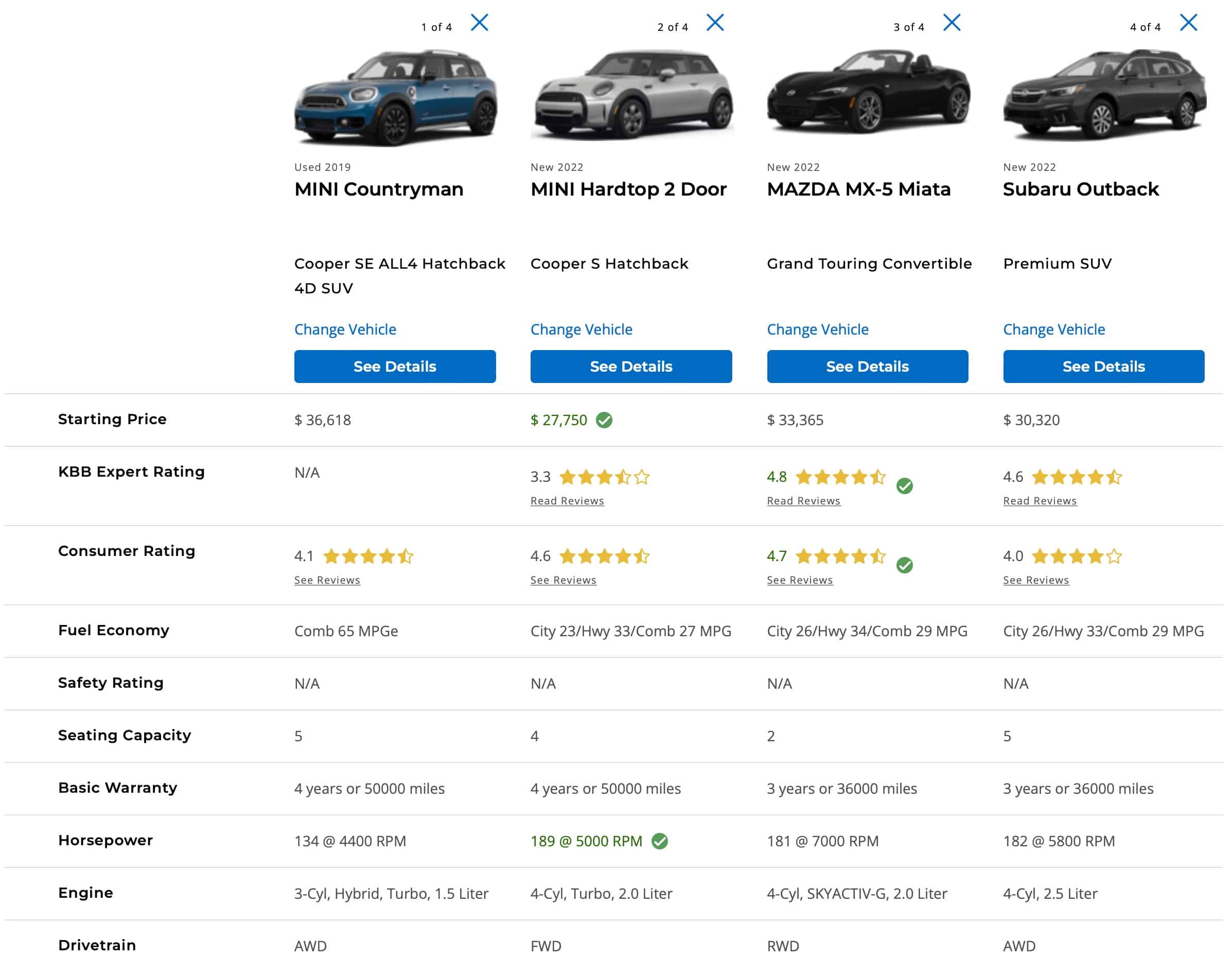
In July 2020, at the height of the global pandemic, I made a purchase that felt logical at the time: a used 2019 Mini Countryman SE All4. I paid $35,990. My intention had been to replace my aging 2004 Mini Cooper with a newer iteration of the same model, but I allowed myself to be steered toward the Countryman—a compact SUV that felt more "adult" and "versatile."
I affectionately dubbed it the "Maxi Cooper," but the name was an irony that wore thin quickly. For two years, I drove a vehicle that wasn’t inherently bad, but it was fundamentally wrong for me. I am a small-car enthusiast. I crave the intimacy of a low-slung, nimble vehicle. The Countryman was a compromise, and in the world of personal finance, compromising on a major asset is rarely a recipe for satisfaction.
Market Volatility and the "Miracle" Trade-In
The automotive landscape in the United States underwent a seismic shift between 2020 and 2022. Driven by global supply chain disruptions, a critical shortage of semiconductor chips, and rampant inflation, the used-car market became an anomaly. According to data from the U.S. Federal Reserve, prices for used vehicles surged by 55% between July 2020 and mid-2022.
This context is vital to my story. When I brought my Maxi Cooper in for a routine oil change last month, the dealership offered to buy it back. Expecting a low-ball figure, I was stunned when they quoted $33,000 for a car I had purchased 26 months prior.
I reached out to a contact in the automotive industry, a former salesman named Jeremy, to gut-check the offer. His assessment was blunt: "It’s not just a good deal; it’s a miracle. You’ve essentially leased a vehicle for $115 a month. Sell it. Now."
The Philosophy of "Self-Centered Shopping"
With the prospect of an unexpected windfall, I was suddenly in the market for a new vehicle. However, I decided to approach this process differently. I had spent a lifetime practicing "self-centered shopping"—a strategy that prioritizes one’s personal values and desires over external expectations of "value" or "utility."
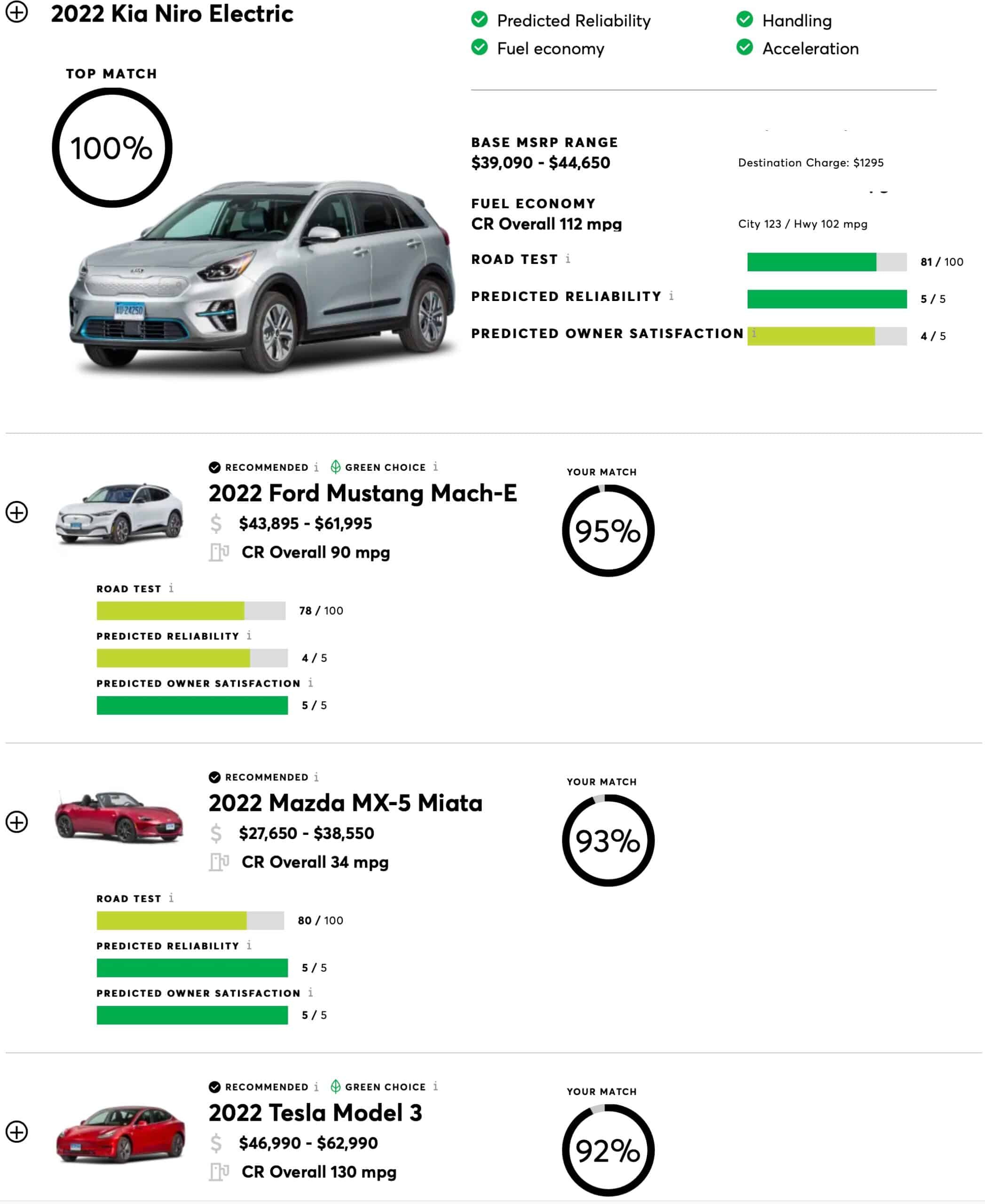
I realized that every car I had ever owned involved a sacrifice: cost, size, or reliability. This time, I refused to compromise. I began a rigorous 24-hour research phase. My criteria were specific: I wanted a car that was small, reliable, fun to drive, and aesthetically pleasing. I ignored the traditional advice of looking for the "best resale value" or the "most cargo space." I was hunting for soul.
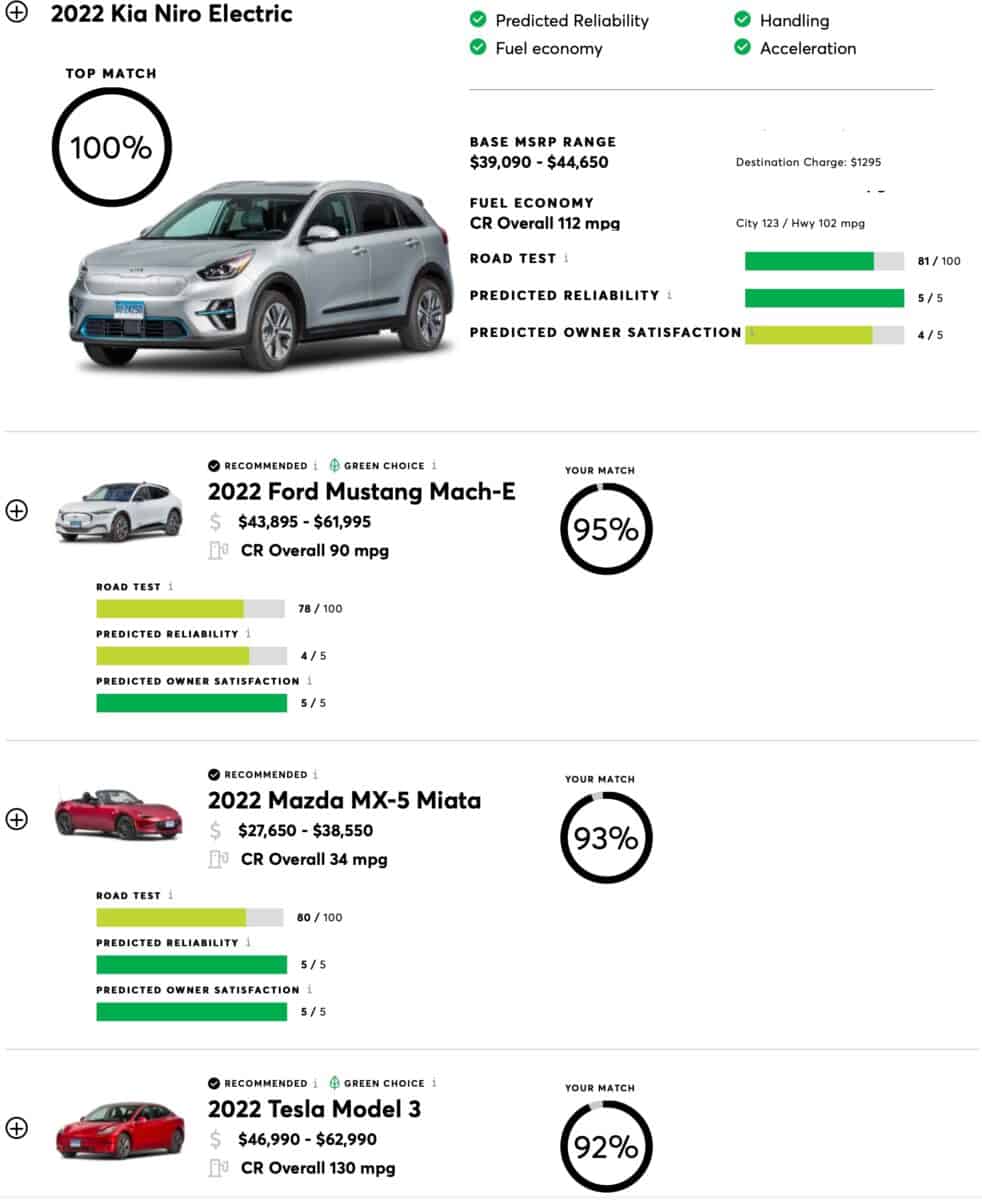
Using tools like Consumer Reports, I filtered for vehicles that matched my personality. While the site suggested several electric SUVs and sedans, I systematically eliminated them based on my specific requirements. The Tesla Model 3 was ruled out due to reliability concerns and price; the Kia and Hyundai options lacked the driving dynamics I craved.
One car kept rising to the top: the Mazda MX-5 Miata.
The Case for the Miata: Why Impracticality is a Virtue
The Miata is, by almost any objective metric, an "impractical" vehicle. It seats two, has minimal cargo space, and offers a cabin that many would describe as noisy. Yet, as the Consumer Reports review noted, "There isn’t a better fun-per-dollar performance car on the market."
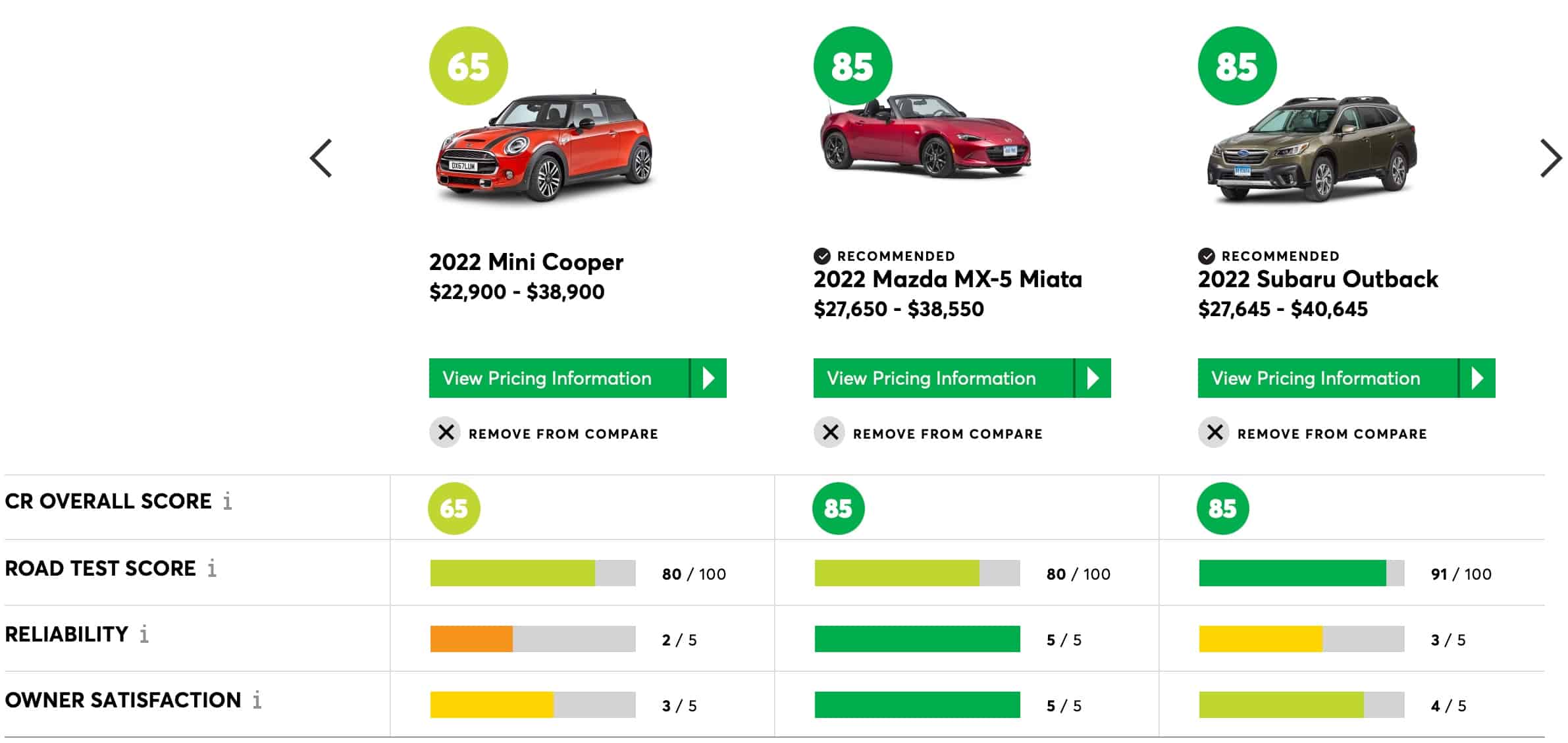
The car is an artifact of a bygone era of motoring—intimate, visceral, and balanced. It forces the driver to engage with the machine. As I watched various automotive reviews, one sentiment echoed across every platform: "It will bring joy to your heart every time you drive it." For a man who had spent years driving "responsible" vehicles that did nothing for his spirit, that statement was the deciding factor.
The Negotiation: Standing Firm on Preferences
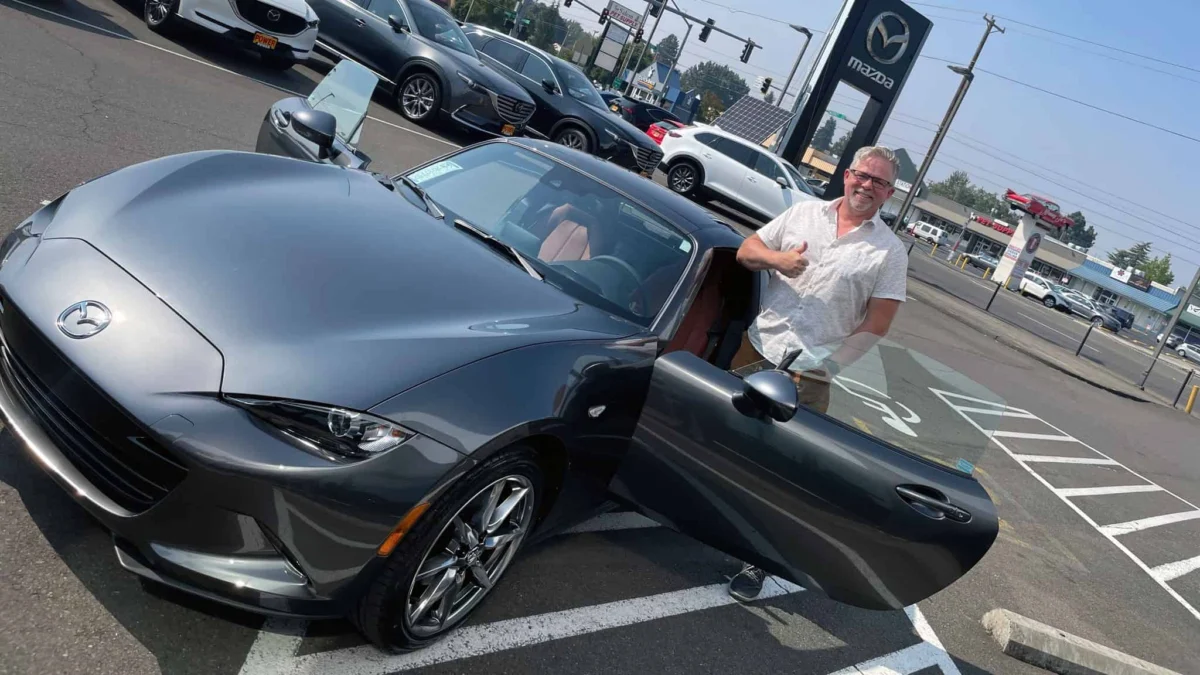
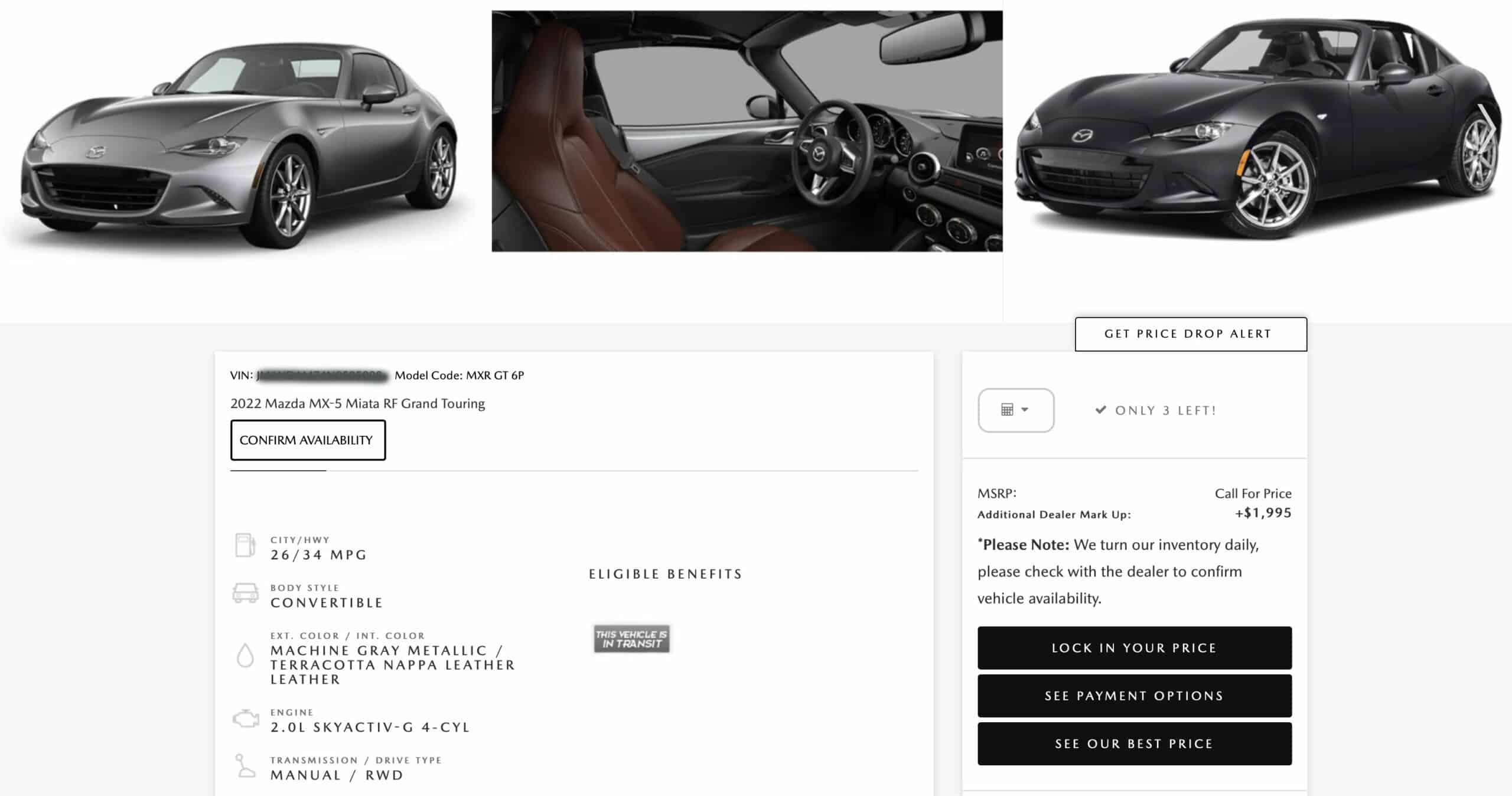
On the final Thursday of August, I visited a Mazda dealership in Salem, Oregon. I had a clear objective: I wanted a gray, manual-transmission hardtop. The dealership had five Miatas in stock, but none matched my specific configuration.
When the salesman attempted to push me toward the available inventory using the "four-square" negotiation tactic, I held my ground. I told him, "I’m not going home with a car today. You don’t have the car I want."
I had already secured the $33,000 trade-in value for my Mini, and I was willing to pay the market-adjusted price for the Miata I actually wanted. We reached a tentative agreement on a $39,245 price point, including a $1,995 market markup, and I walked away to wait for my specific vehicle to arrive.
Financial Implications and Emotional Returns
Is $40,000 a lot of money? By any objective standard, yes. I could have continued driving my 1993 Toyota pickup or searched for a used economy car. However, I had to ask myself the fundamental question: Would I rather have the 2019 Mini and $7,000, or a brand-new 2022 Mazda Miata?
The answer was immediate. The Miata represented an investment in my quality of life. As I sought counsel from friends—including financial blogger "The Happy Philosopher"—the consensus was unanimous: life is short, and if the purchase is within one’s means, it is a valid use of capital.
Conclusion: Driving Toward a Richer Life
When I finally picked up my Miata—a car with only five miles on the odometer—the experience was transformative. Driving home on winding riverside roads with the top down, I realized that this purchase wasn’t just about a machine; it was about breaking the cycle of guilt that often accompanies money.
Growing up with limited resources often leaves an indelible mark on one’s psyche, creating a lingering feeling of shame when purchasing "nice things." By choosing the Miata, I wasn’t just buying a car; I was reclaiming my agency. As financial expert Ramit Sethi often preaches, the goal of money is to build a "rich life." For me, that life includes the wind in my hair, the precision of a manual transmission, and the joy of driving a car I truly love.
I have spent my life optimizing for the future at the expense of the present. With the Miata, I have finally decided that the present is worth the investment. It is not a logical purchase, and I am perfectly content with that. Sometimes, the most important financial decision you can make is the one that brings you the most happiness.