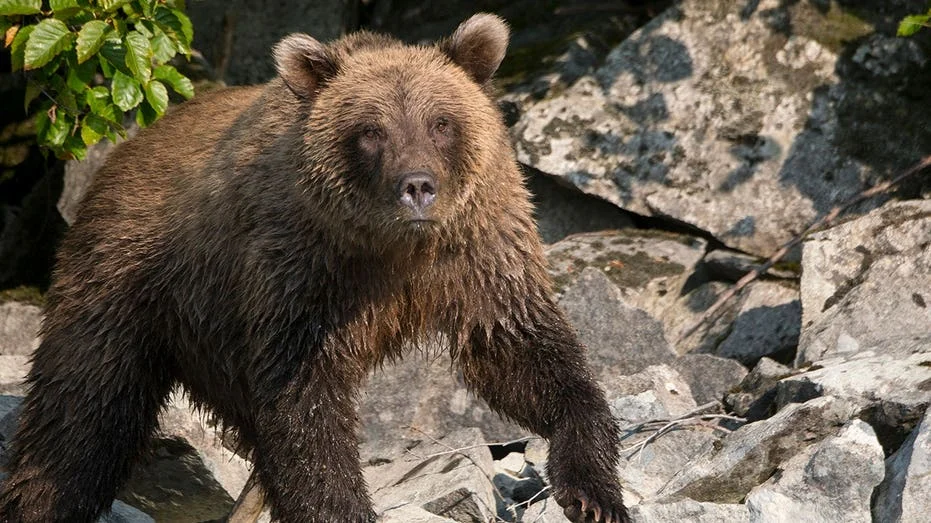
ANCHORAGE, Alaska — A solo runner was hospitalized this week after surviving a brown bear attack along a popular trail system in Anchorage, Alaska. The incident, which occurred on the Wolverine Bowl trail in the Prospect Heights area, marks the second major bear encounter in the municipality within a month. State wildlife officials confirmed that the runner successfully deployed bear spray to halt the attack, a defensive action that likely saved her life.
The encounter has renewed intense discussions regarding wildlife management, trail safety, and the delicate balance of human-wildlife co-existence in a city known for its immediate proximity to rugged wilderness.
Main Facts
The attack took place on the Wolverine Bowl trail, a heavily frequented route accessible via the Prospect Heights trailhead in the foothills of the Chugach Mountains. According to the Alaska Department of Fish and Game (ADFG), a female runner was traversing the trail alone when she was suddenly confronted and attacked by a brown bear (Ursus arctos).
Key Details of the Incident:
- Location: Wolverine Bowl trail, Prospect Heights, Anchorage, Alaska.
- Victim: An unidentified female runner who was recreating alone.
- Deterrent Used: EPA-approved capsaicin-based bear spray.
- Injuries: Non-life-threatening but severe enough to require transport to a local hospital.
- Immediate Response: ADFG biologists and park rangers swept the area, collected biological samples, and posted warning signs at the trailhead. No bears were located during the immediate search.
The runner’s ability to maintain composure and deploy her bear spray under extreme duress has been highlighted by authorities as a textbook example of proper defense. Despite suffering injuries that required emergency medical treatment, she managed to escape the bear and seek help.
Chronology
To understand the context of this encounter, it is necessary to examine both the timeline of the Wolverine Bowl attack and the preceding events that suggest heightened bear activity in the Anchorage Bowl this season.
[Early July] -------------------> [Late July] ---------------------> [Post-Incident]
Bear Valley Attack                Wolverine Bowl Attack              ADFG Investigation &
(Friend, 3 dogs, dense alders)    (Solo runner, bear spray deployed) Trail Safety Closures
The Wolverine Bowl Attack
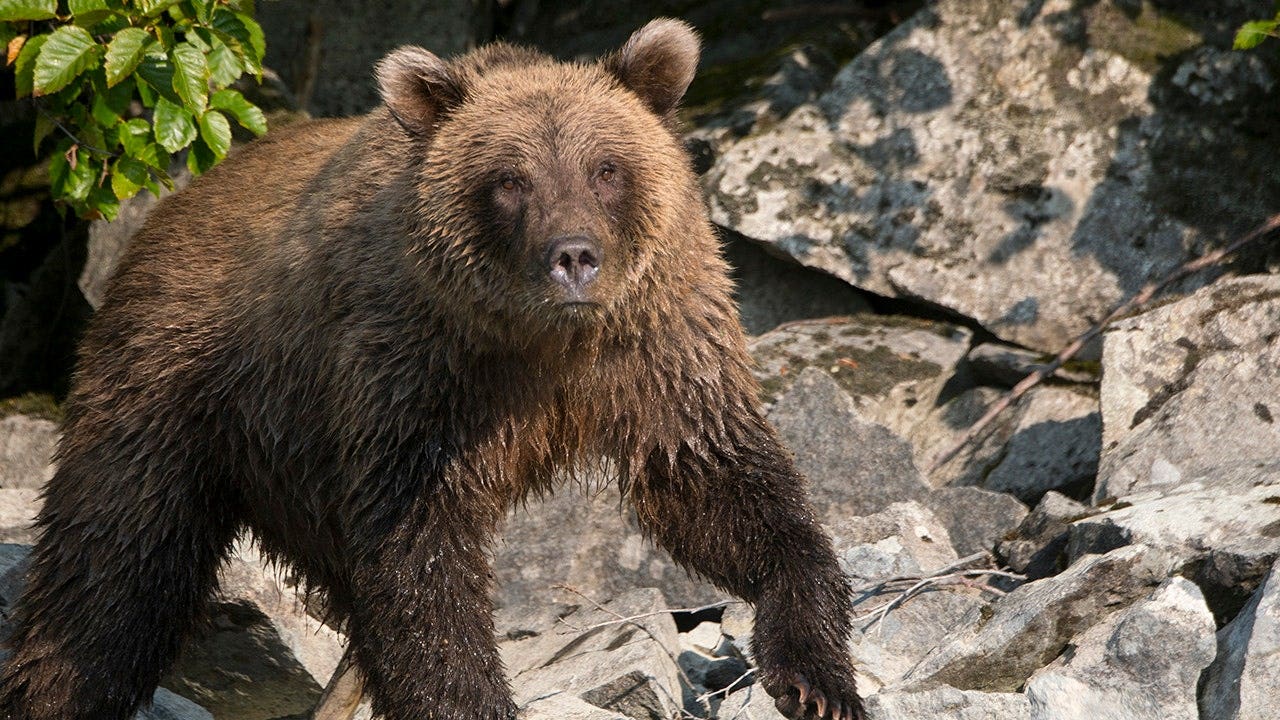
- The Encounter: On the morning of the incident, the victim was running alone along the Wolverine Bowl trail. As she rounded a bend, she surprised a brown bear at close range.
- The Attack and Defense: The bear charged and made contact. The runner managed to reach for her bear spray and discharged the canister directly at the animal. The chemical deterrent successfully broke the bear’s aggression, causing it to retreat into the dense brush.
- The Escape: Despite her injuries, the runner retreated toward the trailhead, where emergency services were contacted. She was subsequently transported to an Anchorage-area hospital.
- The Field Investigation: Shortly after the incident was reported, ADFG wildlife biologists and local law enforcement arrived at the scene. Biologists conducted a thorough sweep of the trail section to locate the bear, assess if it was wounded, and collect physical evidence.
- Evidence Collection: While no bears were sighted during the sweep, biologists successfully gathered DNA samples (such as hair and saliva) from the site to identify the individual bear involved. Warning signs were promptly erected at the Prospect Heights trailhead.
Precedent: The Bear Valley Incident
The Wolverine Bowl encounter occurred less than a month after another high-profile mauling in south Anchorage, highlighting a pattern of close-range summer encounters.
- The Setting: In July, a woman was hiking with a friend and three dogs in the Bear Valley residential neighborhood, which directly borders Chugach State Park.
- The Terrain: The hikers were navigating an unofficial, user-made trail characterized by a steep, zigzagging path heavily overgrown with dense alders and devil’s club.
- The Confrontation: A brown bear emerged suddenly from the thick brush, leaving the hikers with zero reaction time. The bear made brief physical contact with one of the hikers before retreating into the forest.
- The Outcome: The victim sustained non-life-threatening injuries and was treated at a hospital. Wildlife officials noted that the combination of a dense canopy, a lack of trail maintenance on the unofficial path, and the presence of off-leash dogs likely contributed to the surprise encounter.
Supporting Data
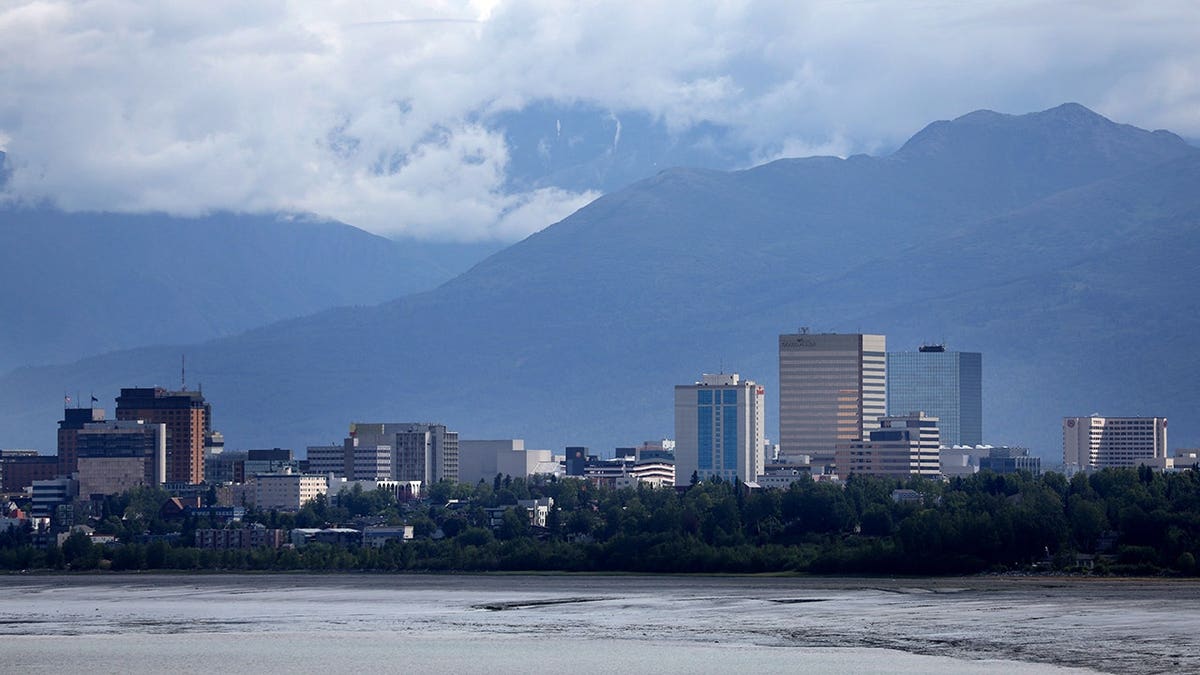
The municipality of Anchorage is unique among major American cities. It is home to approximately 300,000 human residents, but it also overlaps with the habitats of an estimated 250 to 350 black bears and up to 65 brown bears.
The Efficacy of Bear Spray vs. Firearms
The recent survival of the runner has reignited interest in scientific data regarding wildlife deterrents. A landmark study led by Dr. Tom Smith, a wildland conservation professor at Brigham Young University and a leading expert on Alaskan bears, analyzed decades of bear encounters in Alaska.
| Deterrent Type | Success Rate | Injury Rate to User | Notes |
|---|---|---|---|
| Bear Spray | 92% – 98% | Under 2% | Highly effective at stopping aggressive behavior; does not require lethal accuracy. |
| Firearms | 84% | Approx. 50% | Requires high accuracy under extreme stress; wounded bears often continue charging. |
The data strongly supports the Alaska Department of Fish and Game’s recommendation that recreationists carry bear spray in an easily accessible location—such as a hip or chest holster—rather than inside a backpack.
Environmental Variables and Visibility
The mid-to-late summer months in Southcentral Alaska present specific environmental challenges that increase the risk of surprise encounters:
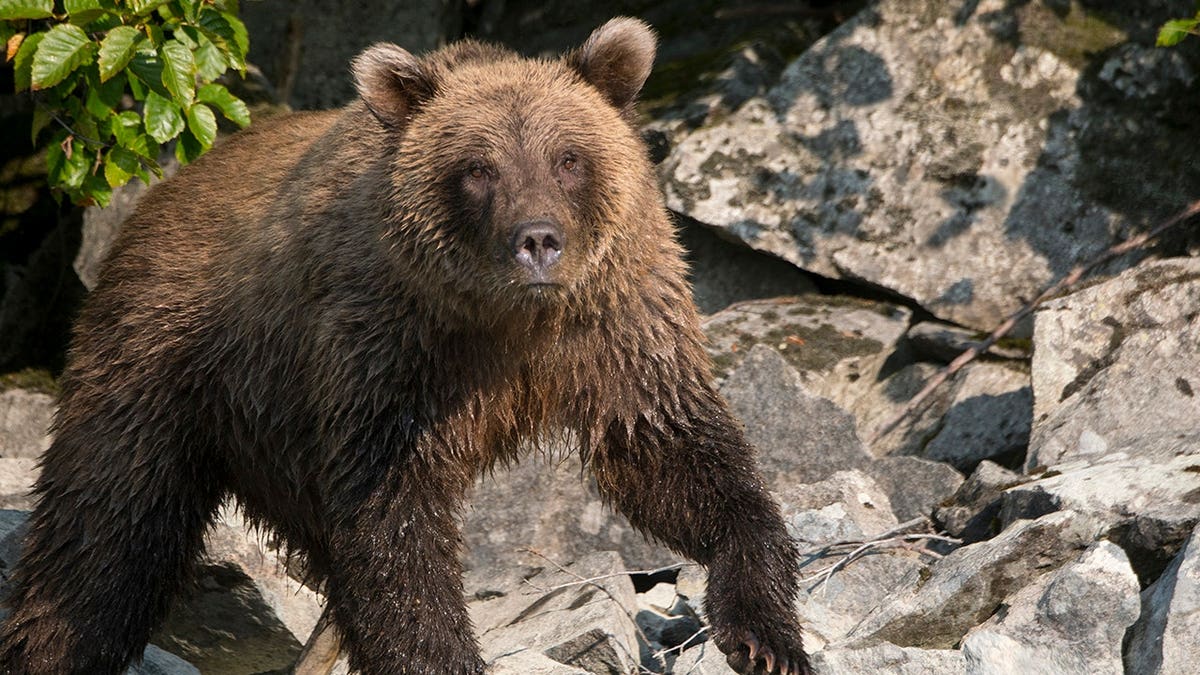
- Dense Foliage: Heavy summer rains promote rapid growth of cow parsnip, alders, and devil’s club, reducing visibility on winding trails to less than ten feet in some areas.
- Salmon Runs: Anchorage-area creeks (such as Campbell Creek and Ship Creek) experience active salmon runs during this period. Brown bears frequently travel along these riparian corridors, which often intersect public trail systems.
- Hyperphagia: As winter approaches, bears enter a state of hyperphagia—an urge to consume vast quantities of calories. This drives them to search for food more actively, increasing their overlap with human recreational zones.
Official Responses
Following the Wolverine Bowl incident, the Alaska Department of Fish and Game issued several formal advisories aimed at mitigating further conflict.
ADFG Management Actions
Wildlife biologists have posted warning signs at all major access points of the Prospect Heights trail system. While the trail has not been fully closed, authorities are urging hikers, runners, and mountain bikers to exercise extreme caution or choose alternative routes with higher visibility.
"Thick, dense summer foliage can block sightlines, making surprise encounters more likely," the ADFG stated in an official press release. "We advise all trail users to choose hiking routes with good visibility and to stay away from known attractants, such as salmon-bearing streams."
Official Safety Protocols
State wildlife officials have reiterated the core safety guidelines for navigating bear country:
- Carry a Deterrent: Always carry bear spray or a firearm, and ensure it is immediately accessible.
- Do Not Run: Running can trigger a bear’s predatory chase instinct.
- Make Noise: Call out, clap, or sing to avoid surprising an animal. Surprise is the leading cause of defensive bear attacks.
- Travel in Groups: Bears are far less likely to approach larger, noisier groups of people.
- Keep Pets Leashed: Off-leash dogs can track down bears and lead them back to their owners in an agitated state.
             [Visual Cue: Bear Body Language]
                    Is the bear agitated?
                             |
         +-------------------+-------------------+
         |                                       |
       [YES]                                    [NO]
         |                                       |
  - Huffing/Stomping                      - Stationary or grazing
  - Jaw popping/Salivating                - Slowly backing away
  - Ears laid back                        - Eyes on you
         |                                       |
   [Stand Ground / Ready Spray]            [Slowly back away]
   [Do NOT run]                            [Keep eyes on bear]
Implications
The successive attacks in the Anchorage area highlight a growing challenge: managing the wild-urban interface in a state that prides itself on wilderness access.
Urban Planning and Trail Development
The contrast between the two recent attacks highlights the dangers of "social" or unofficial trails. While the Wolverine Bowl trail is an official, maintained path, the July attack in Bear Valley occurred on an unmaintained, user-made trail.
Urban planning experts and trail advocates argue that as Anchorage’s population and interest in outdoor recreation grow, the state must invest more in trail maintenance. Clearing brush along high-use corridors improves sightlines, giving both humans and bears the time and space necessary to avoid direct confrontations.
The Impact of Climate and Resource Shifts
Changes in seasonal salmon runs and berry yields also influence bear behavior. When natural food sources are scarce or delayed, bears are forced closer to residential areas to forage in garbage cans, bird feeders, and chicken coops. This habituation reduces their natural fear of humans, creating a higher probability of defensive or predatory behavior on public trails.
Ultimately, the survival of the runner on the Wolverine Bowl trail serves as a powerful reminder of the realities of living in Alaska. While modern technology and trail access bring the wilderness closer to urban centers, the fundamental rules of wilderness safety remain unchanged. As authorities continue to monitor the Prospect Heights area, the message to the public is clear: preparation, vigilance, and the proper use of deterrents are the keys to sharing the landscape with Alaska’s apex predators.