For decades, the freezer aisle has been dominated by legacy brands. When shoppers reach for a pint of rocky road—that nostalgic, marshmallow-studded classic—the instinct is often to grab the familiar red-and-white tub of Breyers or the sophisticated, heavy-bottomed carton of Häagen-Dazs. However, a recent shift in consumer preference and comparative analysis suggests that the hierarchy of the freezer aisle is changing.
In a recent comprehensive taste test conducted by Tasting Table, a new frontrunner has emerged to claim the title of the best store-bought rocky road ice cream: Tillamook. By outperforming established industry giants in texture, ingredient quality, and flavor balance, the Oregon-based dairy cooperative has proven that modern consumers are increasingly prioritizing premium manufacturing over long-standing brand heritage.
The Main Facts: Defining the New Gold Standard
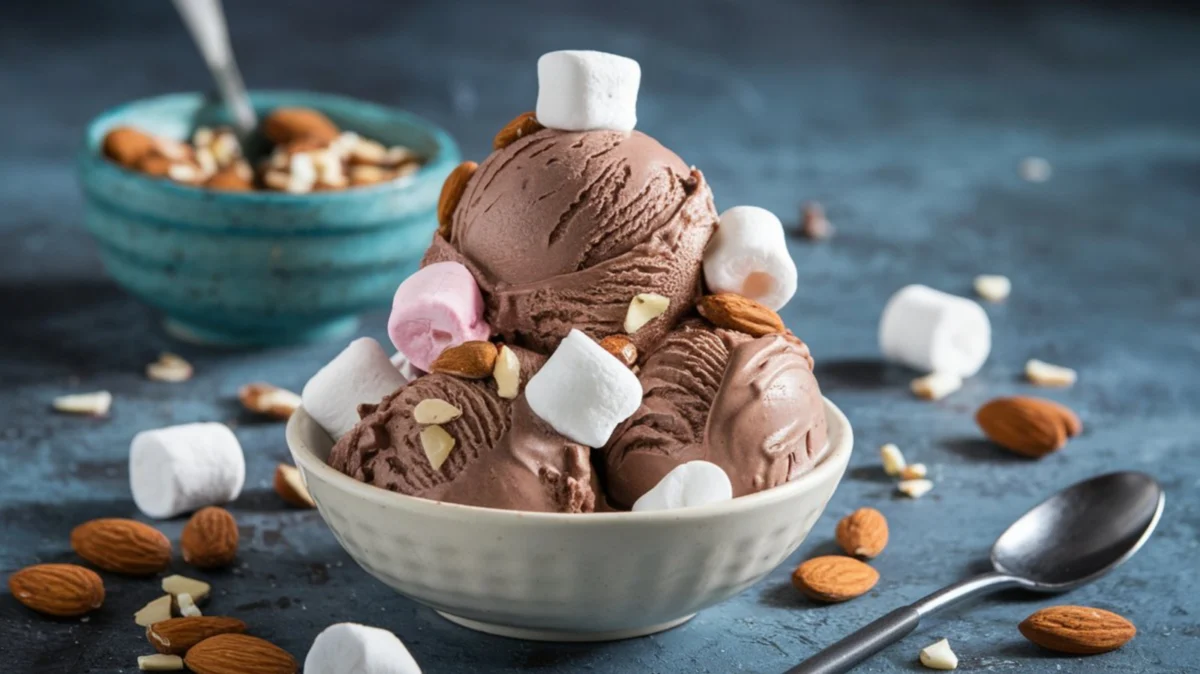
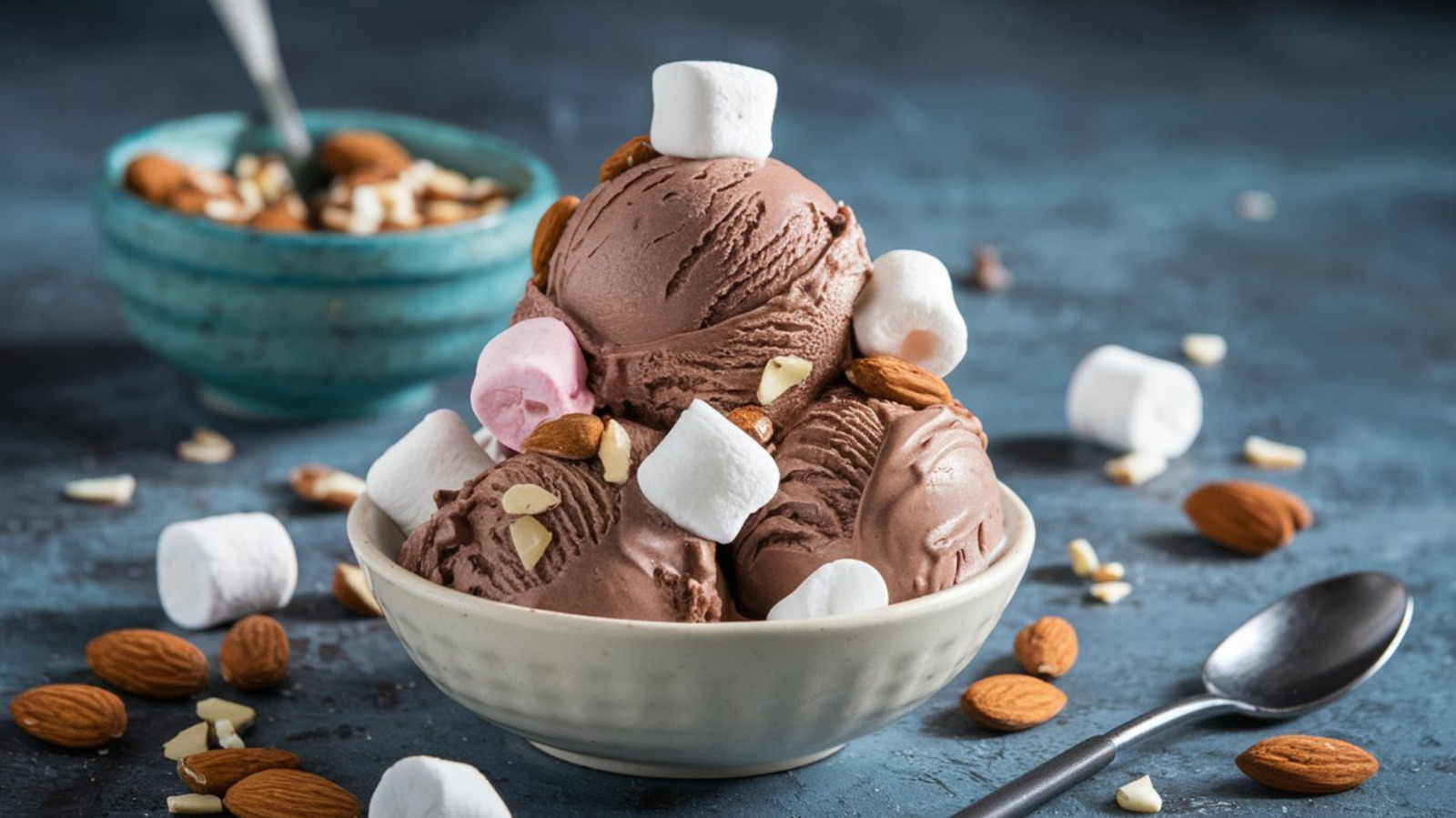
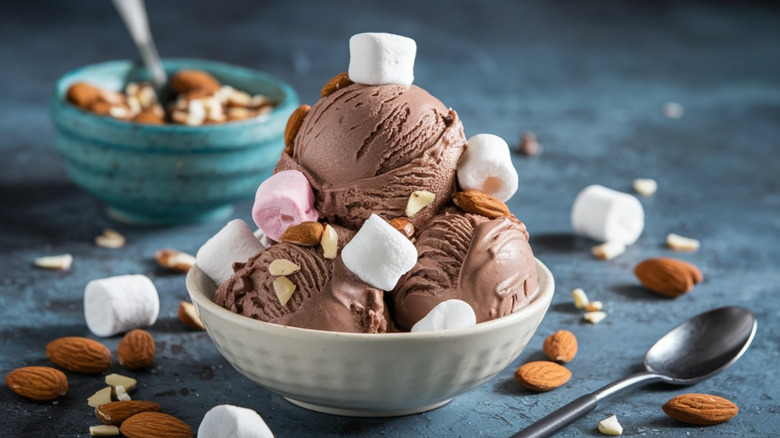
The appeal of rocky road lies in its complexity. It is not merely a chocolate ice cream; it is a textural journey. A successful iteration must maintain the structural integrity of its mix-ins—the crunch of the nut and the pillowy chew of the marshmallow—while delivering a high-quality chocolate base.
Tillamook’s version of the classic flavor has been identified as the superior choice due to its precise execution of these elements. Unlike many competitors that rely on stabilizers to prevent ice crystals from forming, Tillamook’s formulation utilizes a cream-heavy base that provides a rich, velvety mouthfeel. The chocolate profile is pronounced but not cloying, serving as the perfect canvas for its mix-ins.
Crucially, the "road" in this rocky road is composed of high-quality almonds, which provide a superior snap compared to the softer, sometimes oily pecans found in budget-tier alternatives. The marshmallows, often the most difficult element to get right in a frozen medium, remain soft and pliable, avoiding the common pitfall of turning into icy, rubbery pellets.
Chronology: The Evolution of a Frozen Classic
To understand why Tillamook’s success is significant, one must look at the history of the flavor itself. Rocky road was invented during the Great Depression, specifically in 1929 by William Dreyer and Joseph Edy. The flavor was intended to provide a "rocky road" of sorts for Americans to navigate during the economic turmoil of the time, using marshmallows and nuts to mimic the ingredients of a candy bar.
- 1929: The inception of the flavor, characterized by its inclusion of chocolate ice cream, nuts, and marshmallows.
- 1990s: The "Golden Era" of supermarket ice cream, where mass-produced brands like Breyers and Häagen-Dazs solidified their dominance in the American consciousness.
- 2010s: The rise of "super-premium" ice cream. As consumer palates became more sophisticated, the demand for higher butterfat content and natural ingredients surged.
- 2026 (Present Day): The current market landscape shows a pivot toward regional cooperatives like Tillamook, which have successfully scaled their production while maintaining a "farm-to-table" marketing narrative that resonates with younger, health-conscious, and ingredient-aware shoppers.
Supporting Data: Why Consumers Are Switching
The dominance of Tillamook is not merely the opinion of a single publication; it is backed by a growing consensus among consumers. At major national retailers such as Target, Tillamook’s Rocky Road currently boasts a 4.6-star rating derived from nearly 300 verified customer reviews.
The data highlights a specific trend: consumers are willing to pay a slight premium for the 48-ounce tub (typically retailing around $6) if it guarantees a higher ratio of mix-ins. Social media discourse, particularly on platforms like TikTok and Reddit’s r/icecream communities, reflects a growing fatigue with "airy" ice creams—a common criticism leveled against brands that use higher overrun (the amount of air whipped into the ice cream).
Tillamook’s product, characterized by a denser composition, feels more substantial. When compared to the lighter, fluffier texture of Breyers, the Tillamook experience feels indulgent. Furthermore, the inclusion of almond pieces rather than pecans appears to be a major selling point for purists who believe that the almond provides the authentic "snap" required by the traditional recipe.
Official Perspectives and Industry Insights
Industry analysts point out that Tillamook’s success is a result of a highly successful "branding as quality" strategy. While legacy brands often rely on long-standing name recognition and massive marketing budgets, Tillamook has leaned into its cooperative business model. By emphasizing its heritage as a farmer-owned organization, the brand positions itself as a more transparent, ethical, and high-quality alternative to corporate-owned ice cream conglomerates.
While representatives from brands like Breyers or Häagen-Dazs rarely comment on individual comparative reviews, industry experts note that these companies are currently facing a "identity crisis." They are caught between the need to lower costs to maintain shelf space and the pressure to elevate ingredients to meet the standards set by competitors like Tillamook.
According to food scientists, the specific challenge in creating a shelf-stable rocky road lies in the "moisture migration" between the marshmallow and the ice cream. If the marshmallow absorbs too much water from the dairy base, it loses its texture. Tillamook’s proprietary processing appears to mitigate this, suggesting a superior approach to cold-chain logistics and ingredient stabilization.
Implications: The Future of the Freezer Aisle
The rise of Tillamook as the market leader for a classic flavor like rocky road signals a broader shift in consumer behavior. The "Big Ice Cream" era is being challenged by brands that prioritize ingredient transparency and dense, high-fat dairy compositions.
1. The Death of the "Standard" Ice Cream
For decades, many brands lowered the quality of their ingredients to maintain price points. Consumers are now actively rejecting this, opting for brands that are transparent about their dairy sources. The success of this specific flavor indicates that shoppers are no longer loyal to a brand; they are loyal to the quality of the pint.
2. The Return to Simplicity
Tillamook’s formula is notably traditional. It avoids the trend of "over-stuffing" pints with excessive ribbons of caramel or fudge, which can often mask the taste of the ice cream itself. By sticking to the foundational elements of chocolate, marshmallow, and nut, the brand has demonstrated that perfection in basics is more appealing than gimmicky additions.
3. The Impact on Retail Shelf Space
Retailers like Target and Walmart are hyper-aware of consumer ratings. As brands like Tillamook continue to climb in popularity, we can expect to see them occupying more "prime" eye-level shelf space, potentially displacing the legacy brands that have held those spots for decades.
4. A New Bar for Competition
Competitors are now forced to respond. Whether through "premium" product lines or reformulating their classic recipes, the ice cream industry is entering a period of forced innovation. For the consumer, this is the best possible outcome: a higher standard of quality across the board.
Conclusion: A Scoop Above the Rest
While taste will always remain subjective, the overwhelming evidence—from consumer ratings to sensory analysis—points to a clear winner. Tillamook has managed to take a century-old flavor profile and execute it with such precision that it has effectively reset the expectations for what a store-bought pint should be.
As you navigate the frozen food aisle this weekend, the choice is no longer about which brand you recognize, but which experience you value. If you are looking for the quintessential rocky road—a balance of rich chocolate, satisfying almond crunch, and perfectly textured marshmallow—the numbers and the taste buds agree: it is time to leave the legacy brands behind and reach for the blue-and-white carton. Whether you are a long-time fan of the flavor or a newcomer, the evolution of this classic is one that is best enjoyed by the spoonful.