In the modern culinary landscape, characterized by global supply chains, artisanal food trends, and the ubiquity of high-end kitchen gadgets, it is easy to lose sight of the foundational principles of cooking: economy, utility, and sustenance. However, as grocery prices fluctuate and household budgets tighten, many home cooks are looking backward to move forward. The Great Depression-era potato soup—a humble, three-ingredient dish born of necessity—has emerged as a surprisingly relevant solution for the contemporary kitchen.
This dish is more than a relic of the 1930s; it is a blueprint for how to transform meager pantry staples into a nourishing meal. By examining the history, the science of the ingredients, and the modern adaptations of this soup, we gain a deeper appreciation for the resilience of the American kitchen.
The Genesis of Thrift: The Historical Context
To understand the significance of potato soup, one must understand the economic devastation of the 1930s. Following the 1929 stock market crash, the United States plunged into the Great Depression. Unemployment skyrocketed, and millions of families were forced to navigate a landscape of severe food scarcity.
The "Depression diet" was defined by a shift away from meat-heavy, complex recipes toward ingredients that offered maximum caloric density for minimal cost. In this environment, the potato—cheap, shelf-stable, and incredibly versatile—became the cornerstone of the working-class diet.
The Chronology of the Crisis Meal
- 1929–1932: The onset of the Great Depression saw a rapid decline in household purchasing power. During this period, "scarcity cooking" became the norm. Households relied on government-issued staples or whatever could be grown in small "relief gardens."
- 1933–1935: The peak of the crisis. Community kitchens and home cooks alike standardized recipes that required zero specialized equipment. Potato soup became a staple because it could be prepared over a simple coal stove or a wood-burning range.
- 1936–1939: As the economy showed signs of sluggish recovery, the habits formed during the "lean years" persisted. The frugality of the era became a badge of honor, embedding recipes like potato soup into the cultural fabric of American families for generations.
The Anatomy of the Dish: Essential Components
The brilliance of Depression-era potato soup lies in its radical simplicity. It requires only three primary components: potatoes, onions, and a liquid (milk or broth).
The Potato: The Foundation
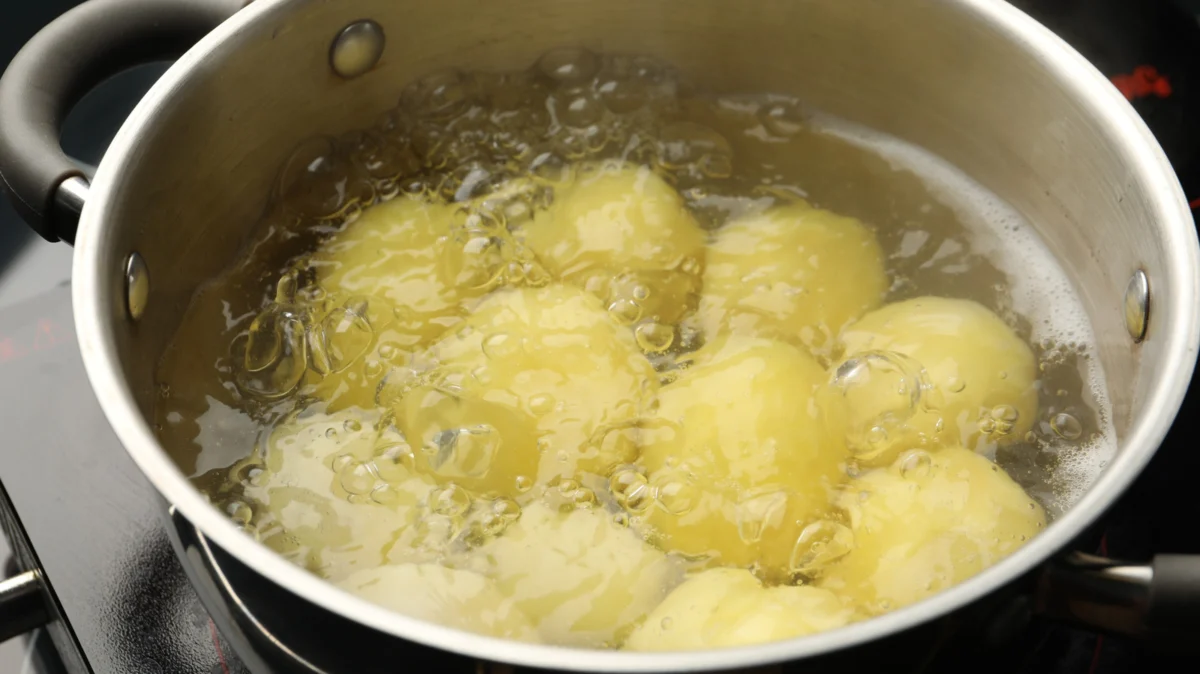
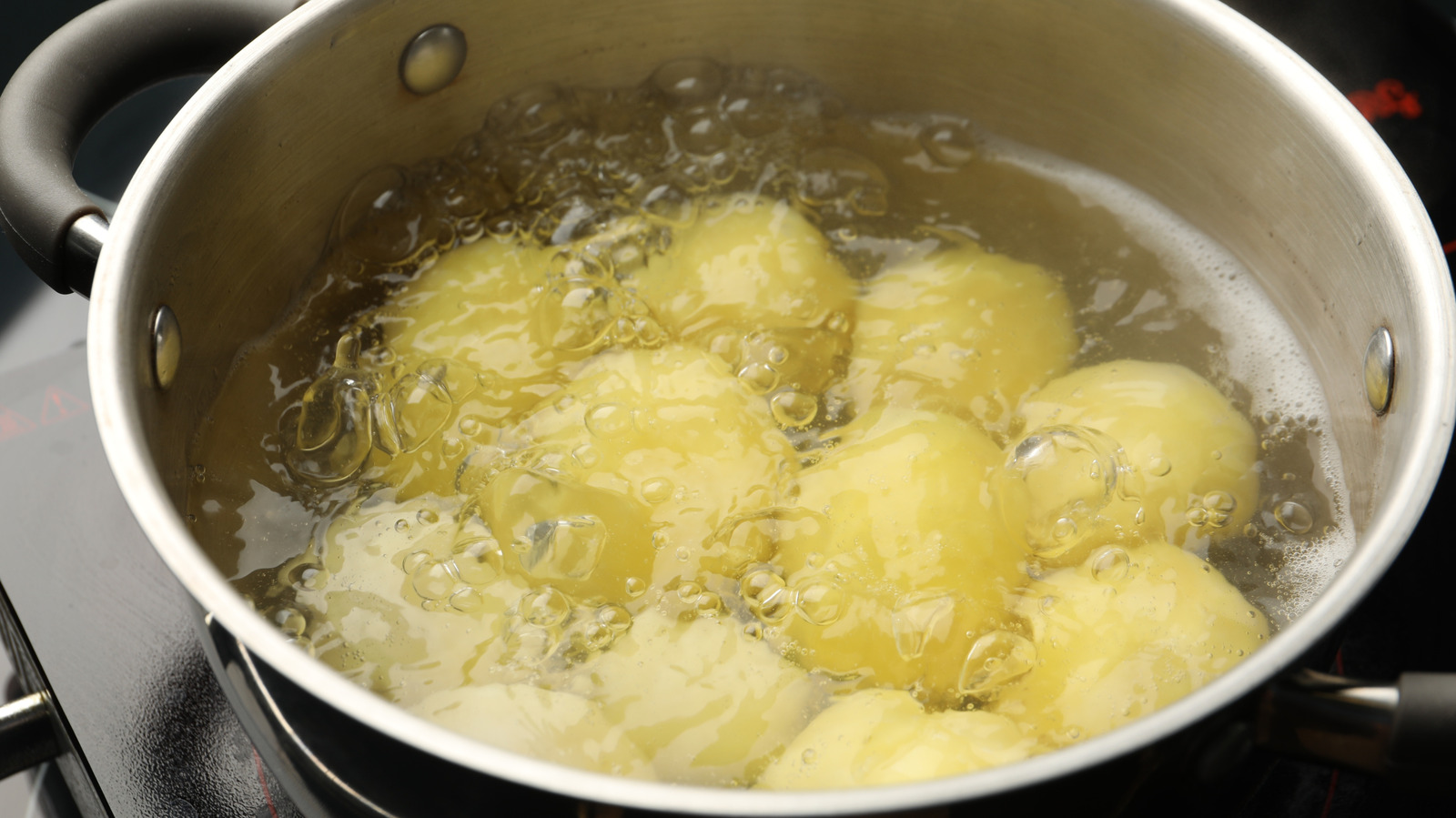
The potato is the most widely consumed vegetable in the United States for a reason. Nutritionally, it is a powerhouse, providing essential potassium, fiber, and vitamins B6 and C. In the context of a soup, the potato serves a dual purpose: it provides the bulk of the calories and, through its natural starches, acts as a thickening agent. Whether mashed into a rustic, chunky consistency or pureed into a silky potage, the potato provides the "rib-sticking" quality necessary to satisfy hunger.
The Onion: The Aromatic Engine
If the potato provides the body, the onion provides the soul. During the Depression, spices were often a luxury item that many families could not afford. The onion, when boiled or sautéed, releases sulfurous compounds that provide a depth of savory flavor—or "umami"—without the need for expensive bouillon cubes or complicated seasoning blends.
The Liquid: The Vehicle for Texture
Depending on the family’s resources, the liquid base varied. Milk provided fat and protein, making the soup richer and more satiating. Broth, often made from the scraps of a Sunday chicken or vegetable trimmings, offered a more savory, mineral-rich profile. Both options demonstrate the era’s commitment to "zero-waste" cooking.
Modern Implications: Why We Still Need This Soup
In an era where "inflation-busting" recipes are high in demand, the Depression-era approach to cooking has profound implications for the modern consumer.
Economic Sustainability
The current rise in food costs has forced many to re-evaluate their grocery spending. A batch of potato soup can be produced for a fraction of the cost of a standard restaurant meal. By utilizing base ingredients that are often sold in bulk, families can ensure they have a safety net of nutrition that is both reliable and inexpensive.
Nutritional Value and Flexibility
While the original recipe was created to combat hunger, it is surprisingly easy to elevate for modern nutritional requirements.
- Protein Integration: By adding beans, lentils, or even leftover shredded rotisserie chicken, the soup transitions from a side dish to a complete protein-rich main course.
- The "Vegetable Drawer" Strategy: The soup serves as the perfect repository for fading produce. Wilting celery, carrots, or even leafy greens can be tossed into the pot, preventing food waste while increasing the vitamin profile of the dish.
Culinary Creativity: Dressing Up the Classic
While the original recipe is complete on its own, modern home cooks have found numerous ways to honor the spirit of the dish while adapting it to 21st-century palates.
Techniques for Depth
- Sautéing the Aromatics: While traditional Depression-era recipes often called for boiling everything together for speed and fuel efficiency, modern cooks suggest sautéing the onions in a small amount of fat (butter or oil) first. This caramelization process adds a layer of sweetness that complements the earthiness of the potatoes.
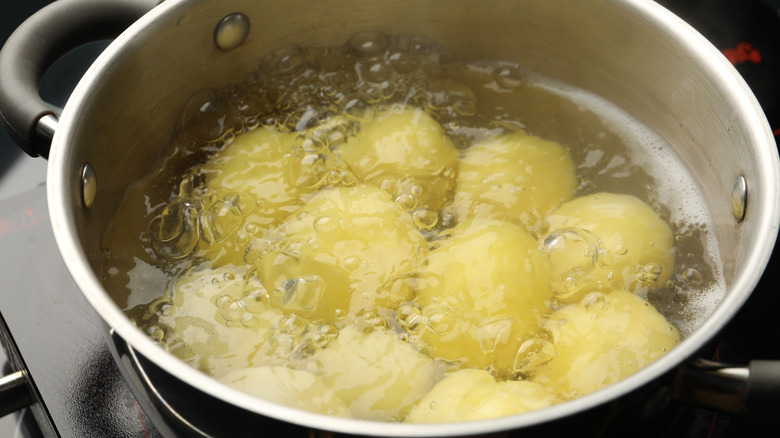
- The Choice of Potato: Yukon Gold potatoes offer a buttery, creamy texture that makes for a more luxurious soup. Russet potatoes, on the other hand, have a higher starch content, resulting in a thicker, heartier consistency.
- Flavor Enhancers: A splash of Worcestershire sauce, a dash of hot sauce, or a pinch of smoked paprika can transform the flavor profile without requiring a trip to a specialty grocery store.
Dietary Adjustments
For those with dietary restrictions, the recipe remains remarkably adaptable. Modern plant-based milks—such as oat or hemp milk—provide a creamy mouthfeel that mimics traditional dairy without the lactose. Furthermore, the use of vegetable broth makes the dish accessible to those adhering to vegetarian or vegan diets.
Expert Perspectives on Heritage Cooking
Food historians and nutritionists often point to these survival recipes as a masterclass in "culinary intelligence."
"When people were forced to cook with so little, they learned the chemistry of food," says a culinary consultant specializing in historical diets. "They learned that starch thickens, that onions provide aromatic depth, and that heat and time can transform hard vegetables into comfort. These aren’t just ‘cheap’ recipes; they are lessons in how to manipulate ingredients to get the best result."
Official health organizations also emphasize that such meals encourage the consumption of whole foods. By avoiding processed, pre-packaged soup mixes, cooks can control the sodium and preservative content of their meals, proving that the simplest ingredients are often the healthiest.
Conclusion: A Legacy of Resilience
The Great Depression-era potato soup is more than just a recipe; it is a historical document. It reminds us that at our most vulnerable, human ingenuity finds a way to provide. The act of peeling a potato, chopping an onion, and simmering them in a pot is a ritual of care.
As we look toward the future, the lessons of the 1930s offer a path forward. By embracing simplicity, reducing waste, and focusing on the nutritional potential of basic pantry staples, we can create meals that are not only delicious but also deeply connected to the history of those who navigated harder times before us. The next time you find yourself staring into a pantry with only a few items to spare, remember the resilience of the humble potato. You have everything you need to create a meal that is, in every sense of the word, substantial.