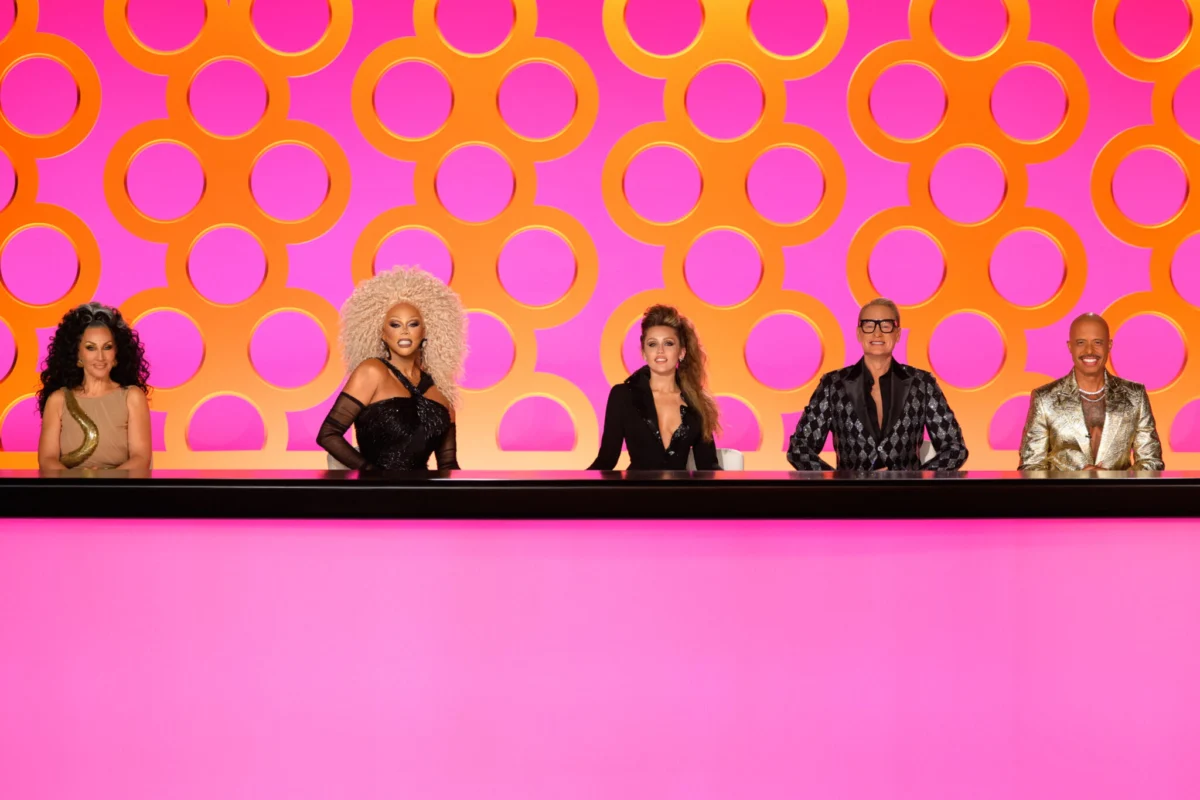
In an industry where longevity is rare and cultural relevance is fleeting, RuPaul’s Drag Race has proven itself to be a permanent fixture in the entertainment landscape. MTV and Paramount+ have officially announced a major renewal package, ensuring that the flagship series, All Stars, and their respective Untucked companion shows will continue to captivate audiences for new seasons. As the franchise approaches its two-decade mark, it remains an unstoppable force in television, defying trends to maintain high viewership and critical acclaim.
The Main Stage: Season 19 and Beyond
The backbone of the franchise, RuPaul’s Drag Race, has been greenlit for its 19th season on MTV. This renewal comes on the heels of a monumental 18th season, which not only sustained the series’ popularity but actively propelled it to new heights. According to recent network data, Season 18 delivered double-digit growth compared to its predecessor, shattering previous franchise premiere viewership records.
The numbers tell a story of a show that is gaining momentum rather than slowing down. Season 18 saw a 19% increase in the P18-49 demographic rating (0.564 vs. 0.472) and a 7% climb in P18-49 share (2.43 vs. 2.27). In a landscape where cable television is fighting to retain younger viewers, Drag Race secured a spot among the Top 3 cable series of 2026 within the key demographic. The success of the season was bolstered by a high-wattage lineup of guest judges, including superstars such as Cardi B, Teyana Taylor, and Benny Blanco, culminating in the crowning of Myki Meeks, who joined the prestigious pantheon of Drag Race winners.
The Evolution of the Franchise: A Chronological Look
To understand the significance of this renewal, one must look at the trajectory of the show. What began in 2009 as a niche program on the Logo network has transformed into a global juggernaut.
The early years established the format: a search for "America’s Next Drag Superstar." However, the show quickly evolved from a reality competition into a cultural phenomenon that bridges the gap between queer underground performance art and mainstream pop culture. As the show transitioned to VH1 and eventually to its current home on MTV, the production scale expanded exponentially.
- The Early Years: Establishing the "Charisma, Uniqueness, Nerve, and Talent" mantra.
- The Expansion Era: The introduction of All Stars allowed the franchise to create a "Hall of Fame" dynamic, enabling fan-favorite queens to return for redemption and high-stakes competition.
- The Global Movement: The introduction of Untucked—originally a companion piece for backstage drama—became an essential storytelling vehicle, providing the emotional depth and behind-the-scenes context that fans now view as mandatory viewing.
- The Modern Peak: The most recent cycle, marked by the return of the "Tournament of All Stars" format in All Stars Season 11, proved that the format could still surprise audiences. The crowning of Crystal Methyd—who triumphed in the franchise’s first-ever all-disco Lip Sync Smackdown—served as a testament to the show’s ability to innovate within its own structural rules.
Supporting Data: Why the Franchise Reigns Supreme
The decision by MTV and Paramount+ to double down on the Drag Race universe is a calculated business move rooted in hard data. While many legacy reality shows see viewership erosion, Drag Race exhibits a unique "sticky" factor.
The integration of Untucked into the renewal package is a strategic imperative. By offering the backstage aftershow, the franchise keeps the narrative conversation going on social media, where the show thrives. This multi-platform approach creates a 360-degree experience for viewers.
Furthermore, the recent awards season recognition serves as an industry-wide confirmation of the show’s quality. With 11 Emmy nominations this year, including a record-extending 11th consecutive nomination for RuPaul as Outstanding Host for a Reality or Reality Competition Program, the show has solidified its status as an awards darling. This historic run is not merely a reflection of habit; it is a reflection of a show that consistently refines its craft, production values, and storytelling arcs.
Official Responses: World of Wonder Reflects on the Legacy
Following the renewal announcement, the production company behind the franchise, World of Wonder, released a statement that underscored the emotional and social weight of the series.
"Nearly twenty years later, what began as a dream has become an extraordinary global movement," the statement read. "We owe endless thanks to our partners at MTV and Paramount+, along with every queen, judge, crew member, and fan who has built RuPaul’s Drag Race. Drag brings people together in powerful ways—and we are honored to keep celebrating new voices and sharing iconic moments with the world."
The sentiment reflects a shift in how the production perceives its own work: no longer just a television show, but a platform for advocacy and artistic expression. The involvement of judges ranging from Kate Hudson and La Toya Jackson to rising pop stars like Reneé Rapp highlights the show’s unique ability to act as a cultural nexus where Hollywood elite and underground queer artists meet on equal footing.
The Road Ahead: What’s Next for Season 12 of All Stars?
While the flagship series prepares for its 19th season, the spin-off All Stars has been confirmed for its 12th season, with All Stars: Untucked returning for its 9th. The return of the "Tournament of All Stars" format—which pits seasoned veterans against one another in a bracket-style elimination—has been a fan favorite, creating intense pressure and high-stakes television that keeps viewers returning to Paramount+.
The challenge for the producers moving forward will be the same challenge they have faced for nearly two decades: maintaining the "wow" factor. As drag becomes more mainstream, the show must continue to find ways to push the boundaries of what is expected. The shift to more complex challenges, such as the all-disco Lip Sync Smackdown, suggests that the show is moving toward more thematic, high-concept competition cycles that reward both performance skill and conceptual design.
The Implications: A Secure Future in a Volatile Market
The renewal of the Drag Race franchise carries significant implications for the television industry. Firstly, it signals that networks are increasingly reliant on "tentpole" reality franchises—shows with massive, dedicated, and highly active fan bases that can anchor a network’s schedule.
Secondly, the success of Drag Race demonstrates the viability of the "companion show" model. By pairing the main competition with Untucked, networks can double their content output while deepening the engagement of their core audience. This model is one that many other reality franchises are now attempting to replicate, though few have achieved the same level of synergy.
Lastly, the longevity of the series serves as a powerful testament to the commercial power of queer-centered storytelling. What was once considered "niche" programming has become a mainstream pillar, proving that audiences are hungry for stories that celebrate intersectional identities, high-fashion artistry, and the resilience of the human spirit.
As the cameras begin to roll on the next cycles of filming, one thing is certain: the work is far from finished. With an ever-growing roster of alumni, a global footprint, and a production team that is constantly iterating, RuPaul’s Drag Race is not just staying—it is leading. The queens are ready, the judges are prepared, and for the fans who have followed this journey since the early days of Logo, the best is yet to come. Shantay, you stay, indeed.