While the gaming zeitgeist often converges on singular titles that define a genre—such as Supergiant Games’ Hades—the landscape of indie roguelikes is vast and populated by hidden gems that arguably paved the way for modern hits. Among these, Children of Morta, developed by the Iranian studio Dead Mage and published by 11 bit studios, stands as a masterclass in blending procedural dungeon-crawling with intimate, multi-generational storytelling.
Years after its full release, the title remains a must-play experience for those seeking high-stakes action anchored by a deeply human heart.
A Legacy of Development: From Concept to Cult Classic
The journey of Children of Morta is one of ambition meeting reality. The project officially began its life on Kickstarter in 2015, where it successfully secured the funding necessary to bring its unique vision of a "family-based roguelike" to life.
For the team at Dead Mage, the goal was never just to create a cycle of "die, retry, repeat." They wanted to capture the essence of a lineage tasked with a burden greater than themselves. The game entered Early Access in 2019, a period that proved vital for the developers. During this window, the studio utilized community feedback to refine the balance of their diverse cast of characters. By the time the full version launched in 2020, the game had evolved significantly, incorporating a wealth of playable characters, complex build items, and narrative beats that exceeded the team’s original scope.
The Bergson Clan: A Narrative Architecture
At its core, Children of Morta follows the Bergson family, guardians of the sacred mountain of Morta. When the Corruption begins to consume their home and the lands beyond, the family must set aside their personal lives to face the darkness.
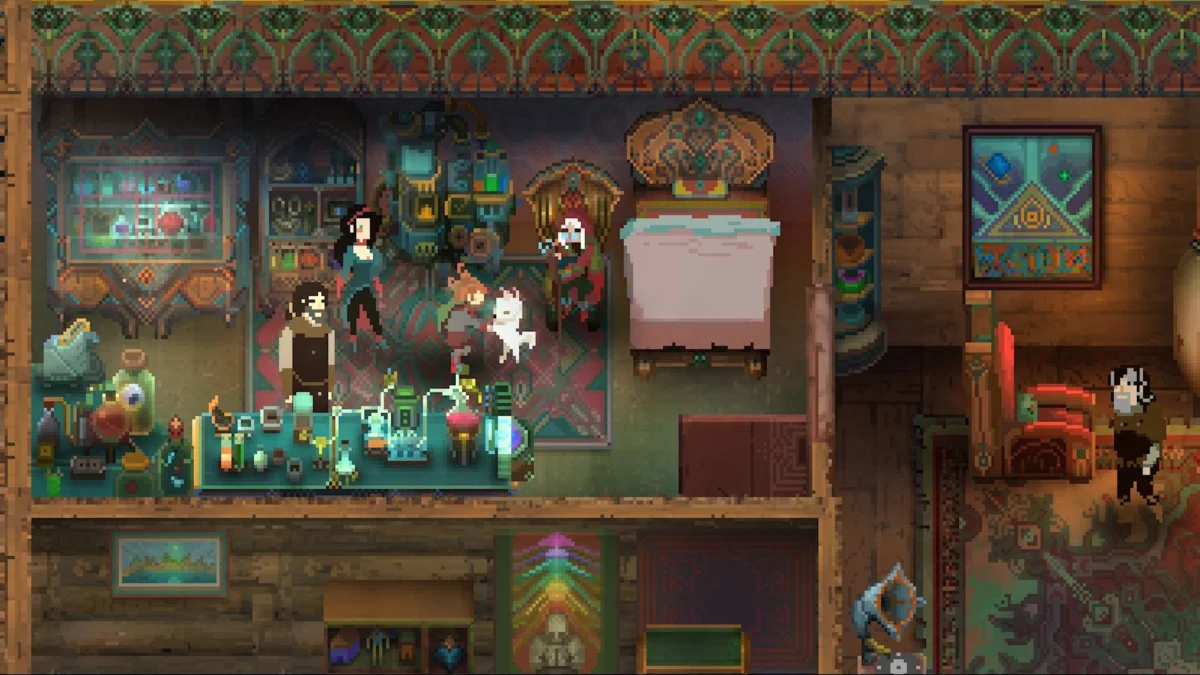
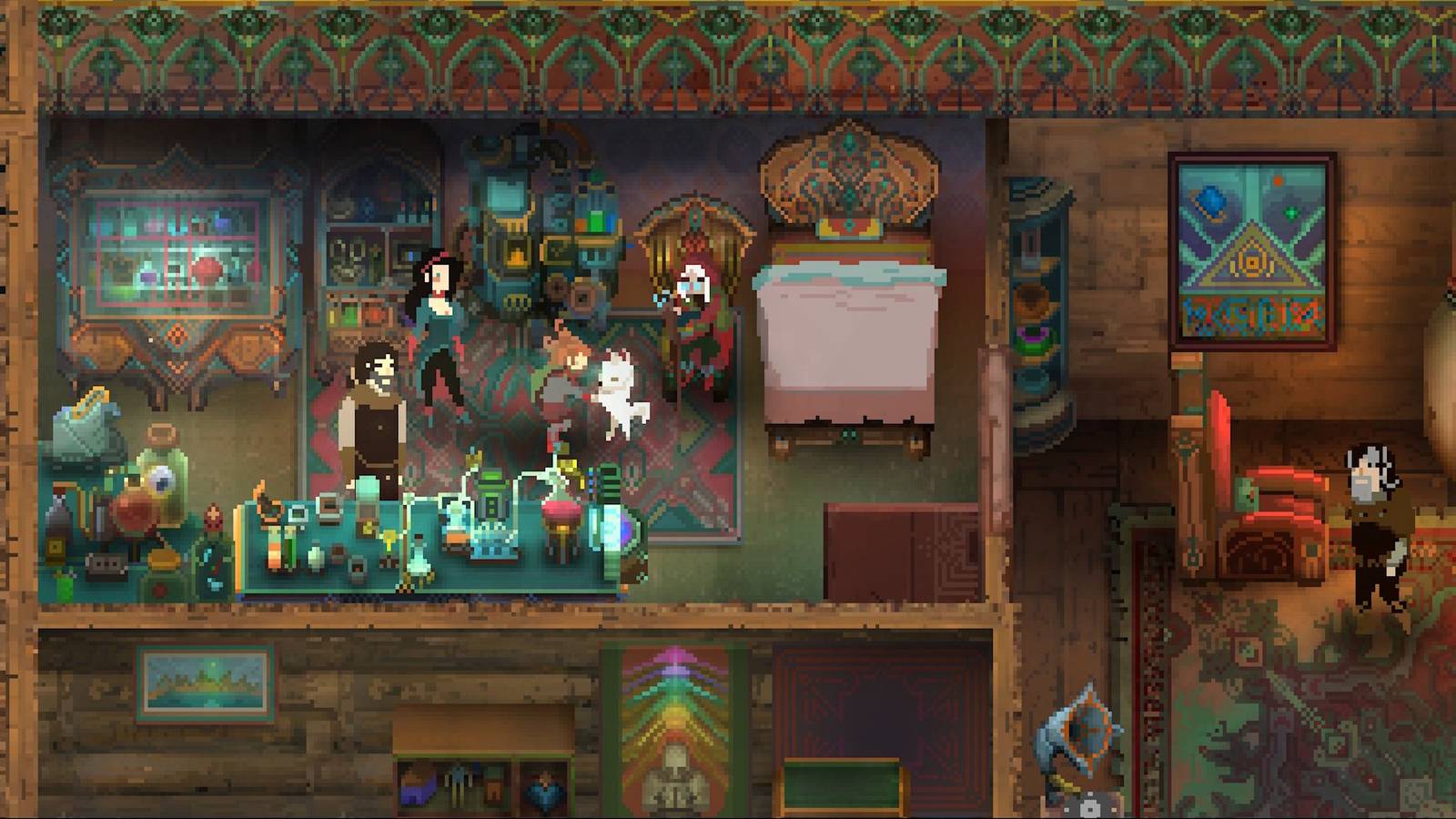
Unlike many roguelikes where the protagonist is a blank slate or a lone wanderer, the Bergsons are a fully realized family unit with distinct personalities and internal dynamics. The narrative structure is unique: death is not merely a reset button; it is a narrative catalyst. Each time a character falls in the dungeons, they return to the family home at the base of the mountain. These "home" sequences provide the game’s emotional anchor.
Players witness the Bergsons eating dinner, sharing quiet moments of grief, or arguing about the dangers of the mountain. This cycle of heroic exploration followed by domestic vulnerability creates a unique rhythm. It turns the family house into a sanctuary where the player understands the why behind the what—why they fight, who they are protecting, and the personal cost of their mission.
Mechanics as Metaphor: Gameplay Diversity
The brilliance of Children of Morta lies in how it translates personality into gameplay mechanics. Each family member offers a vastly different playstyle, forcing the player to adapt to the inherent strengths and weaknesses of each sibling and parent.
- John, the Father: As the archetypal protector, John utilizes a shield and sword. His playstyle is deliberate and defensive, mirroring his role as the family’s patriarch who places his body between his children and the encroaching corruption.
- Linda, the Mother: An archer with a focus on precision, Linda represents the observant, tactical nature of a mother who keeps her family safe from afar.
- Lucy, the Mage: The "baby" of the family, Lucy is loud, volatile, and immensely powerful. Her magic covers the screen in fire and windstorms, yet her fragility highlights the innocence and vulnerability of youth in a war-torn world.
This variety makes the game exceptionally well-suited for co-op play. When two players coordinate, they can cover each other’s blind spots, turning the Bergson family into a synergistic machine. In solo play, however, the game becomes a strategic puzzle. Because the dungeons are procedurally generated, players cannot rely on a single "meta" build. They must experiment with randomized item drops and skill trees, forcing them to learn every character’s nuances.
The Roguelike Loop: Why Failure Matters
The hallmark of a great roguelike is how it handles the "fail state." In many titles, death feels like a waste of time. In Children of Morta, it feels like a chapter break.
The game’s progression system is tied to the family’s collective growth. As you play, you earn experience not just for individual characters, but for the family unit as a whole. This unlocks passive bonuses that benefit everyone. By dying, you aren’t just losing progress; you are triggering new dialogue, new cutscenes, and new developments in the overarching plot. You are learning about the Bergsons’ history, their intergenerational trauma, and the political tensions within their community. This narrative delivery system ensures that even a "bad run" leaves the player feeling like they have moved the story forward.
Technical Execution and Aesthetic Brilliance
The aesthetic of Children of Morta is one of its most defining features. The developers opted for a stunning, high-fidelity pixel art style that emphasizes lighting, shadow, and fluid animation. The atmosphere of the mountain is oppressive and beautiful, with each biome—from the ancient, dusty ruins to the shimmering, crystalline caves—feeling distinct.
The sound design complements this, with a haunting score that captures the melancholic nature of a family fighting a losing battle against a corrupting force. The voice acting, while sparse, is delivered with a somber gravity that grounds the more "over-the-top" fantasy elements of the combat.
Implications for the Genre: A New Standard
The success of Children of Morta has had a ripple effect on the independent gaming sector. It demonstrated that players are hungry for "narrative-heavy roguelikes." Before this, the genre was often characterized by minimal storytelling and maximum difficulty. Morta proved that you could have both.
For developers, the game serves as a case study in how to marry mechanical depth with character development. By tethering the skill progression to the narrative arc of the family, Dead Mage created a feedback loop that is both addictive and emotionally resonant. It challenges the notion that procedural generation must come at the expense of character depth.
Final Verdict: Why You Should Not Sleep on Morta
In an era where AAA games often prioritize scale over soul, Children of Morta remains a poignant reminder of the power of indie development. It is a game that respects the player’s intelligence, rewards their curiosity, and moves them with its story of a family struggling to stay whole in a broken world.
Whether you are playing solo or with a friend, the journey up the mountain is one of the most rewarding experiences in the genre. It is accessible enough for newcomers to the roguelike format, yet deep enough for veterans who crave the challenge of optimizing builds.
You can currently experience the Bergson family’s saga on Nintendo Switch, PlayStation 5, Windows PC, and Xbox Series X. If you have yet to climb the mountain, now is the time to start. The corruption is waiting, and the Bergsons need your help.
Summary of Key Features:
- Genre: Action Roguelike / RPG
- Developer: Dead Mage
- Core Hook: Multi-generational family management combined with dungeon-crawling.
- Platform Availability: PC, PS5, Xbox Series X/S, Nintendo Switch.
- Narrative Style: Episodic storytelling delivered through home-based character interactions.
- Co-op: Fully functional local and online co-op modes, allowing for synergistic character combinations.