Whether you are preparing your property for the competitive real estate market or simply seeking to enhance your daily living experience, "curb appeal" remains the single most influential factor in how your home is perceived. Often described as the "curtain-raiser" of the home-buying process, the exterior of your property serves as the primary indicator of the care and investment poured into the interior.
For homeowners, the goal is simple yet nuanced: to create an inviting, polished aesthetic that resonates with potential buyers the moment they pull into the driveway. In this comprehensive guide, we explore the psychology behind home aesthetics, the maintenance priorities that yield the highest returns, and the expert-led strategies to transform any property into a standout beacon of value.
The Psychology of the First Impression: Why Exterior Matters
The "five-second rule" is a common concept in real estate: buyers often form an emotional opinion of a home before they even step foot inside. This initial judgment is subconscious, driven by the visual harmony of the property’s facade, the condition of the landscaping, and the overall cleanliness of the approach.
"A home’s exterior tells a story before the front door even opens," notes Gigi Gallinghouse of McCarthy Group Realtors. "Buyers often decide how they feel about a home within the first few moments of arriving, so details matter."
When a home looks neglected from the street, buyers often project that negligence onto the home’s mechanical systems, roof, and interior maintenance. Conversely, a well-curated exterior builds immediate trust, suggesting that the property has been well-cared for and is move-in ready.
Chronology of Home Enhancement: A Step-by-Step Approach
Transforming a home’s exterior is best approached in stages, moving from structural health to aesthetic refinement. Following a logical order ensures that your time and budget are spent effectively.
Phase 1: The Foundation of Maintenance
Before you consider decorative enhancements like potted plants or new paint, you must address the "functional" curb appeal. A beautiful door looks diminished if the surrounding siding is covered in grime.
- The Deep Clean: Begin with a professional pressure washing of walkways, siding, and driveways.
- Structural Integrity: Address loose railings, cracked pavement, or rotting wood trim. These are not just eyesores; they are red flags for home inspectors.
- The "Invisible" Fixes: Ensure your gutters are free of debris and that your exterior lighting is fully functional. A dark house at dusk is uninviting and suggests a lack of security.
Phase 2: The Landscaping Refresh
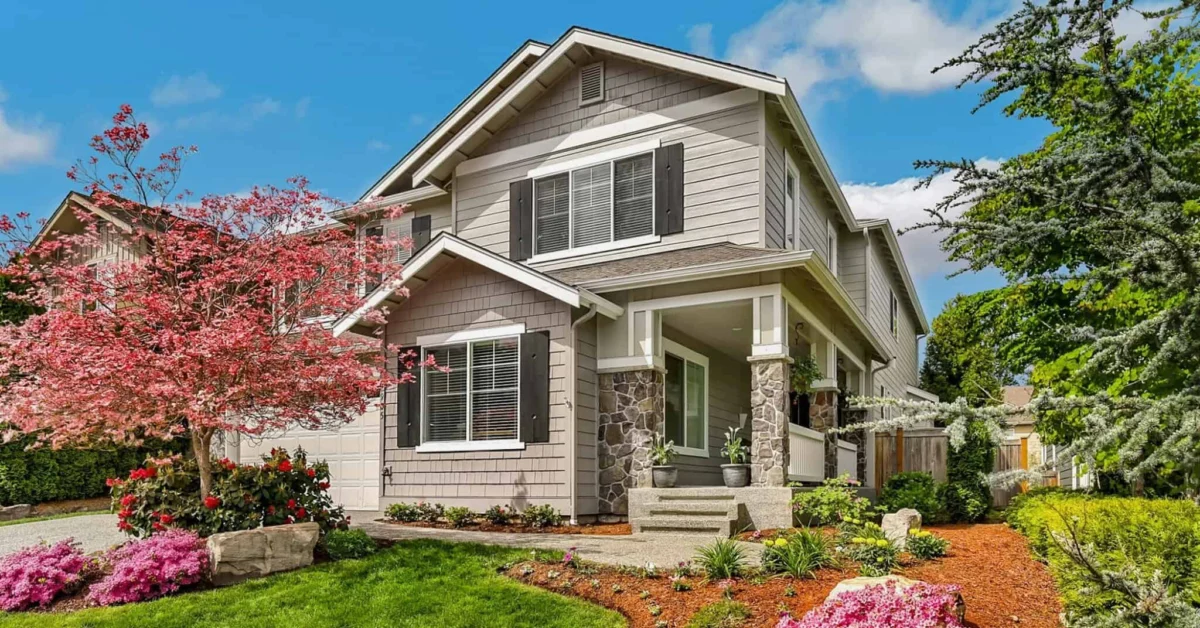
Once the home is clean and repaired, the landscaping acts as the frame for your house. This does not require a total redesign. Instead, focus on defining the spaces. Use fresh mulch to provide a crisp contrast between your garden beds and your lawn. Prune overgrown shrubs that obscure windows or doorways, as natural light is a key selling point.
Phase 3: The Entryway Makeover
The front door is the focal point of the entire exterior. Because it is the threshold between the outside world and your home, it deserves the most attention. Whether it’s a fresh coat of high-quality paint, upgraded hardware, or a modern, readable set of house numbers, these elements signal to the buyer that the home is modern and well-maintained.
Supporting Data and The "Return on Investment" (ROI)
Real estate market data consistently shows that exterior improvements offer some of the highest ROIs in home renovation. While a full kitchen remodel may be costly, a minor exterior refresh—painting the door, upgrading hardware, and cleaning the facade—can be completed for a fraction of the cost while yielding a significant increase in perceived value.
According to industry experts, homes with exceptional curb appeal typically spend less time on the market. In regions as diverse as South Burlington, VT, and Stillwater, OK, the principles remain the same: clean, bright, and orderly exteriors attract the widest pool of buyers.
Expert Perspectives: Advice from Industry Leaders
The importance of curb appeal is universally recognized by real estate professionals. Here is what the experts recommend for those looking to elevate their home’s status.
On the Importance of the Approach
Megan Brenn-White, founder and CEO of Upstate Curious, emphasizes that the experience begins at the curb. "To give a great first impression, make sure you’ve got an attractive and well-lit number sign and mailbox, your gate fits the style of the home, and any number pad is clean," she says. "The driveway should have fresh gravel or paving, and parking areas should feature attractive lighting."
On Low-Cost, High-Impact Upgrades
Pantea Bionki of Bionki Interiors highlights that luxury is often found in the details. "A home’s exterior is its most powerful marketing tool. Swapping outdated light fixtures, updating house numbers, and adding a new doormat are low-cost, high-impact details that communicate pride of ownership. When the outside is polished and inviting, buyers walk through the front door already sold."
On Elevating for the Luxury Market
For high-end properties, the expectations shift toward sophistication and ambiance. Joseph Satto of the Fresh Air Team suggests, "Invest in professional landscaping that fits the buyer profile in your particular market. Exterior lighting, which is often overlooked, can elevate the feel of a property. Layered uplighting on trees and architectural wash lighting on a facade can create a dramatic, resort-like presence at dusk."
Strategic Implications: Creating a Year-Round Exterior
Curb appeal is not a one-time event; it is a commitment to the maintenance of your property. By prioritizing these 20 key areas, you ensure that your home remains a competitive asset regardless of the season.
The 20-Point Curb Appeal Checklist
- Mulch: Provides a clean, finished appearance.
- Seasonal Greenery: Adds life and color.
- Pressure Wash: Removes years of grime.
- Window Cleaning: Increases interior brightness.
- Exterior Lighting: Improves safety and mood.
- Yard Maintenance: Mow, trim, and weed.
- Damage Repair: Fix fences and railings.
- Paint Touch-ups: Refresh trim and shutters.
- Gutter Cleaning: Prevents water damage signals.
- Bulb Replacement: Brighten the entrance.
- Front Door Paint: The "pop" of color matters.
- Walkway Sweep: Keep the path to the door clear.
- Welcome Mat: A warm, stylish invitation.
- De-clutter: Remove hoses and toys.
- Potted Plants: Adds symmetry and personality.
- House Numbers: Ensure high visibility.
- Professional Landscape: Tailor to your specific buyer.
- Layered Lighting: Use uplighting for architectural drama.
- High-End Hardware: Use refined finishes for doors and fixtures.
- Strategic Staging: Use exterior furniture to imply a lifestyle.
Conclusion: Investing in Your Home’s Future
Improving your curb appeal is more than just a chore; it is an investment in your home’s marketability. By focusing on the details—from the mailbox at the street to the finish on the front door—you are crafting a narrative of quality.
Whether you are preparing to list your property or simply want to take pride in your home, remember that the exterior is the first chapter of the story your house tells. By maintaining a clean, well-lit, and thoughtfully landscaped environment, you ensure that the story is one that buyers are eager to continue. Start small, stay consistent, and watch as your home transforms into a property that captures attention and commands value.