For over a decade, the literary world—and the sprawling, impatient fanbase of the A Song of Ice and Fire series—has been locked in a state of suspended animation. Since the release of A Dance with Dragons in 2011, George R.R. Martin has navigated the treacherous waters of global fame, television production, and the crushing weight of fan expectations regarding The Winds of Winter. However, as of July 2026, the discourse has shifted. While the main saga remains shrouded in the mystery of its own non-publication, new insights from the production of HBO’s A Knight of the Seven Kingdoms suggest that Martin’s creative energy is increasingly channeled into the smaller, more intimate chronicles of Ser Duncan the Tall and young Aegon V Targaryen.
The State of the Saga: A Chronology of Waiting
To understand the significance of recent revelations, one must examine the timeline of Martin’s output. The "Dunk & Egg" novellas—The Hedge Knight, The Sworn Sword, and The Mystery Knight—were published between 1998 and 2010. They provided a reprieve from the high-stakes political maneuvering of the Iron Throne, offering a grounded, "road-trip" style perspective of Westeros roughly 90 years before the events of Game of Thrones.
For years, Martin maintained a public stance that The Winds of Winter remained his absolute priority. Yet, the reality of his output has painted a different picture.
- 2011–2015: Peak speculation regarding the conclusion of the main series.
- 2016–2021: A period of frequent, often vague updates regarding "progress" on Winds.
- 2022: Martin publicly acknowledged anxiety regarding the production of the Dunk & Egg television adaptation, noting that the show might outpace his writing.
- 2024: Martin claimed that he intended to finalize Winds of Winter before diving deeper into the Dunk & Egg literary backlog.
- 2026: Showrunner Ira Parker confirms the existence of "canon" prose pages provided by Martin to the production team, signaling a shift in focus toward the Targaryen prequel era.
The Showrunner’s Revelation: Prose as Canon
The most significant development stems from a recent interview with Ira Parker, the showrunner for HBO’s A Knight of the Seven Kingdoms. As the production moves into its second season, the necessity of mapping out the future of the series has forced a closer collaboration between the author and the writers’ room.
Parker revealed that Martin has provided the production team with more than just structural outlines. "We used actual written prose he found in his files somewhere," Parker noted. These pages, which Parker describes as "extra stuff that—as far as George’s filing cabinets are concerned—is canon," represent a vital bridge between the existing novellas and the future of the show.
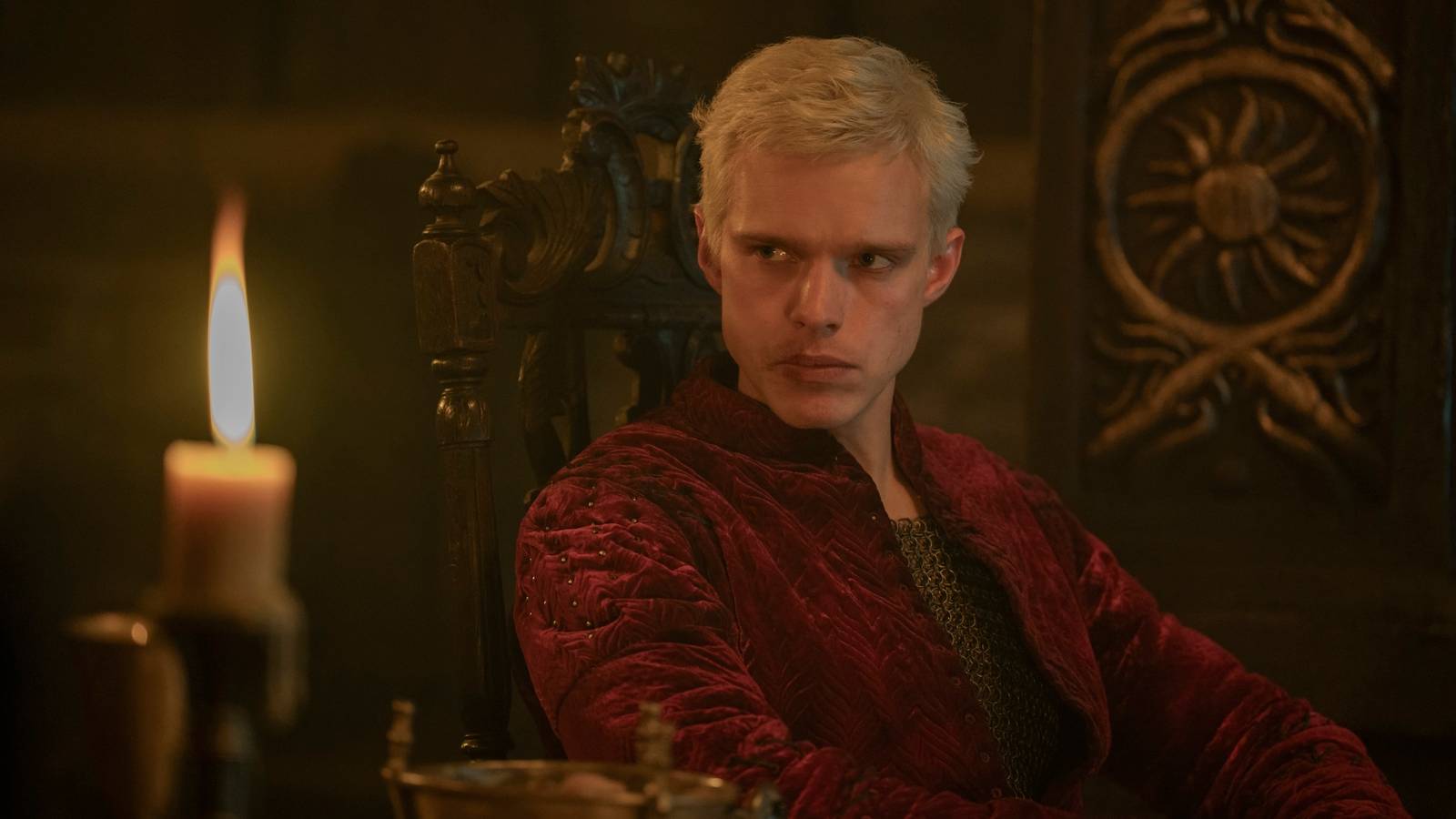
This is a departure from the "outline-only" model previously assumed by fans. By handing over completed prose, Martin is effectively deputizing the showrunners to expand the Dunk & Egg universe with a level of authority that has rarely been granted for other adaptations. Whether these pages belong to the long-awaited fourth novella—often referred to by fans as The She-Wolves of Winterfell—remains unconfirmed, but the implications for the franchise are profound.
Supporting Data: Why ‘Dunk & Egg’ Offers a Path Forward
The shift toward the Dunk & Egg narrative is not merely a byproduct of writer’s block on the main series; it is a strategic pivot. Unlike the dense, multi-POV structure of A Song of Ice and Fire, the novellas offer a linear, character-driven focus that translates more effectively to television.
Strategic Advantages for HBO:
- Narrative Stability: By focusing on the bond between Dunk and "Egg" (the future King Aegon V), the show avoids the "bloated cast" problem that plagued the later seasons of Game of Thrones.
- Canonical Flexibility: Because the novellas are shorter and fewer in number, there is more "white space" for showrunners to fill, provided they have the author’s blessing and original prose to guide them.
- Longevity: Parker has hinted at a plan that extends into a fourth season, potentially covering the politics of King’s Landing and the tragedy at Summerhall. This allows for a multi-year narrative arc that doesn’t require the resolution of the Game of Thrones primary conflict.
The Aging Challenge and the Future of the Cast
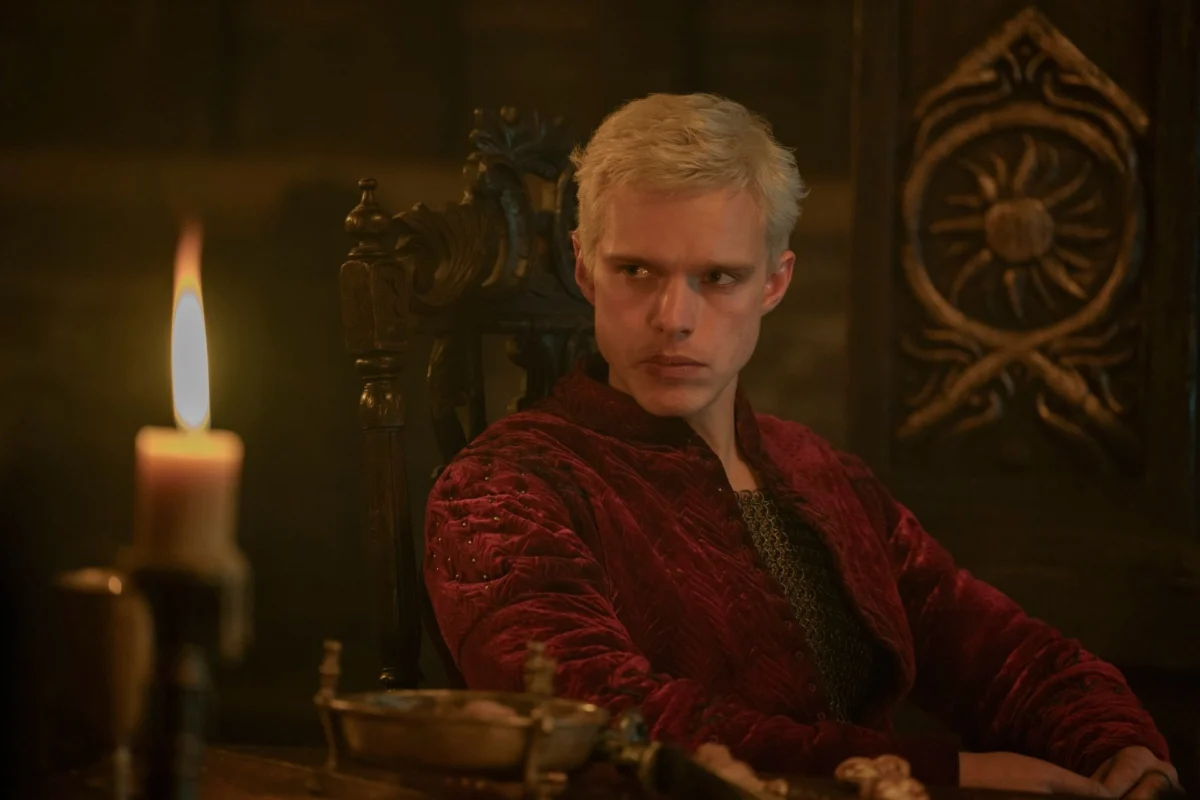
One of the most pressing concerns for the production is the biological reality of its stars. Dexter Sol Ansell, who portrays Egg, is subject to the same passage of time as any other performer. Parker has acknowledged that while the current production focuses on the "road" phase of their journey, the long-term plan involves transitioning the show into a more mature political drama.
"We can do Egg the Prince, do some politics, do some fun stuff in Summerhall and King’s Landing, and get a different vibe where they’re not on the road all the time," Parker explained. This pivot addresses the aging of the cast, turning a potential production hurdle into a creative opportunity to show the evolution of the characters from wandering hedge knights to figures of central political importance.
Implications: The ‘Winds’ Paradox
The most painful implication for the hardcore readership is what this means for the main series. If Martin is actively writing and refining prose for the Dunk & Egg cycle, it suggests that his creative reservoir is not empty, but rather redirected.

For years, the community consensus was that Martin was "stuck" on Winds of Winter due to the sheer complexity of the "Meereenese Knot" and the interwoven plotlines of dozens of characters. The Dunk & Egg stories, by comparison, are structurally simpler. For a writer who has spent two decades managing an increasingly unmanageable story, the allure of a more contained, manageable narrative may be simply too strong to resist.
There is now a genuine, albeit uncomfortable, possibility that we will see the completion of the Dunk & Egg cycle—and potentially an entire season of television—before the final pages of The Winds of Winter are ever made public.
Conclusion: A New Era for Westeros
As we move into the latter half of the 2020s, the "George R.R. Martin" brand is no longer synonymous with the singular wait for the next A Song of Ice and Fire installment. Instead, it is becoming a modular universe.
The collaboration between Martin and Parker serves as a new model for the author’s late-career output: one where his prose is treated as the bedrock for a television legacy that he can curate, even if he cannot finish his main project at the pace the public desires. While the fans continue to wait for the winds to blow, they are finding that the journey of a hedge knight and his squire might just be the substitute they didn’t know they needed—or, perhaps, the only one they are going to get.
For now, the files in Martin’s cabinet remain the most precious commodity in fantasy literature. And if those files contain the end of Dunk and Egg’s story, then perhaps, in a small way, the world of Westeros is moving forward after all.