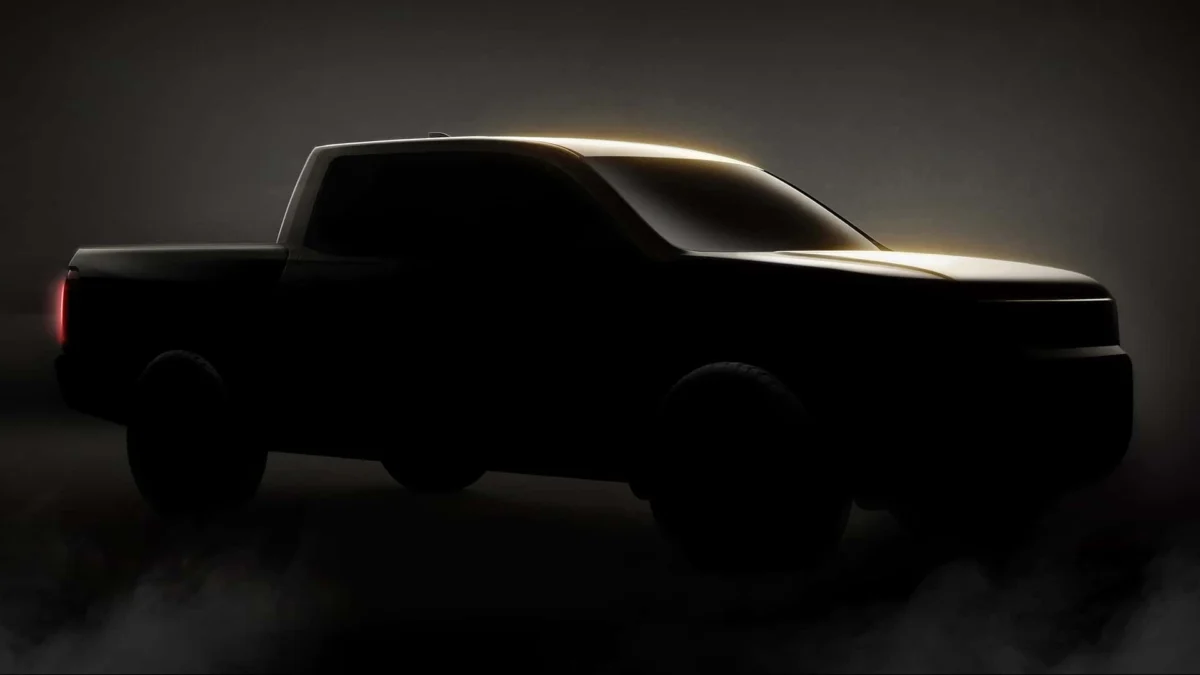
Honda has officially confirmed that the third-generation Ridgeline is currently in active development. This announcement signals a pivotal shift for the brand’s midsize pickup offering, marking the end of the current iteration’s lifecycle as the automaker pivots toward a more rugged, technologically advanced, and performance-oriented successor. As the automotive landscape leans heavily into lifestyle-oriented utility vehicles, Honda is preparing to redefine what the Ridgeline represents in a segment dominated by traditional body-on-frame competitors.
Main Facts: The Transition Begins
The transition is already underway. Honda has confirmed that production for the outgoing Ridgeline will cease later this year, clearing the floor for a complete retooling of its manufacturing processes. This move is not merely a cosmetic refresh; it is a full-scale redesign aimed at maintaining the Ridgeline’s unique position in the market.
The development process is a collaborative domestic effort. The design phase is being spearheaded by Honda’s dedicated design studio in Southern California, a facility known for its influence on the brand’s North American aesthetic. Concurrently, the technical and engineering development is taking place at the Honda Auto Development Center in Ohio, the nerve center for the brand’s engineering prowess in the United States.
Honda has set an ambitious but measured timeline for the launch. While fans of the brand are eager for a debut, the company has stated that the next-generation Ridgeline is expected to arrive within the next two years. Industry insiders and supply chain reports suggest a production start date in the third quarter of 2028, positioning the vehicle for a 2029 model year release.
Chronology: The Evolution of a Different Kind of Truck
To understand the weight of this announcement, one must look at the historical trajectory of the Ridgeline. Launched originally in 2005, the Ridgeline was met with skepticism by traditional truck enthusiasts because of its unibody architecture and transverse-mounted engine—a departure from the conventional steel-ladder-frame, rear-wheel-drive blueprint of its rivals.
However, the Ridgeline proved that a segment of the population valued comfort, handling, and daily usability over extreme towing capacity.
- 2005–2014: The first-generation Ridgeline introduced the world to the dual-action tailgate and the innovative In-Bed Trunk, features that would become staples of the model’s identity.
- 2016–Present: The second-generation model refined the concept, aligning the styling more closely with the Honda Pilot and introducing more sophisticated all-wheel-drive technology.
- 2024–2025: Honda begins the transition phase, sunsetting the current generation to prepare for a platform overhaul.
- 2026–2028: The intensive R&D phase, focusing on next-generation emissions standards and the implementation of a new V6 powertrain.
- 2029: Targeted market arrival of the third-generation model.
Supporting Data: Engineering and Performance Targets
The most significant change accompanying the new Ridgeline will be found under the hood. The current model utilizes the 3.5-liter J35Y6 V6 engine, a reliable workhorse that has powered many of Honda’s successes. However, as global emissions regulations tighten and the need for greater fuel efficiency increases, Honda is shifting its focus to a new iteration of its V6 architecture.
Reports indicate that the new truck will likely transition toward the J35Y8 engine architecture—a dual-overhead-cam (DOHC) design that deviates from the current model’s single-overhead-cam (SOHC) configuration. While the current J35Y6 produces 280 horsepower and 262 pound-feet of torque, the new engine is expected to improve upon these figures, likely aligning with the 285 hp output seen in the latest Honda Passport.
This shift is not just about raw numbers; it is about thermal efficiency, torque delivery at low RPMs, and integration with modern transmission systems. The move to a DOHC design will allow for better power management and potentially cleaner emissions profiles, ensuring that the Ridgeline remains compliant in a regulatory environment that is increasingly hostile to traditional internal combustion engines.
Official Responses and Strategic Vision
Lance Woelfer, Honda America’s vice president of auto sales, has provided the clearest insight into the company’s strategic vision for the next truck. While he remained tight-lipped regarding specific technical specifications, he emphasized that the upcoming Ridgeline will offer "even more capabilities" than the current model.
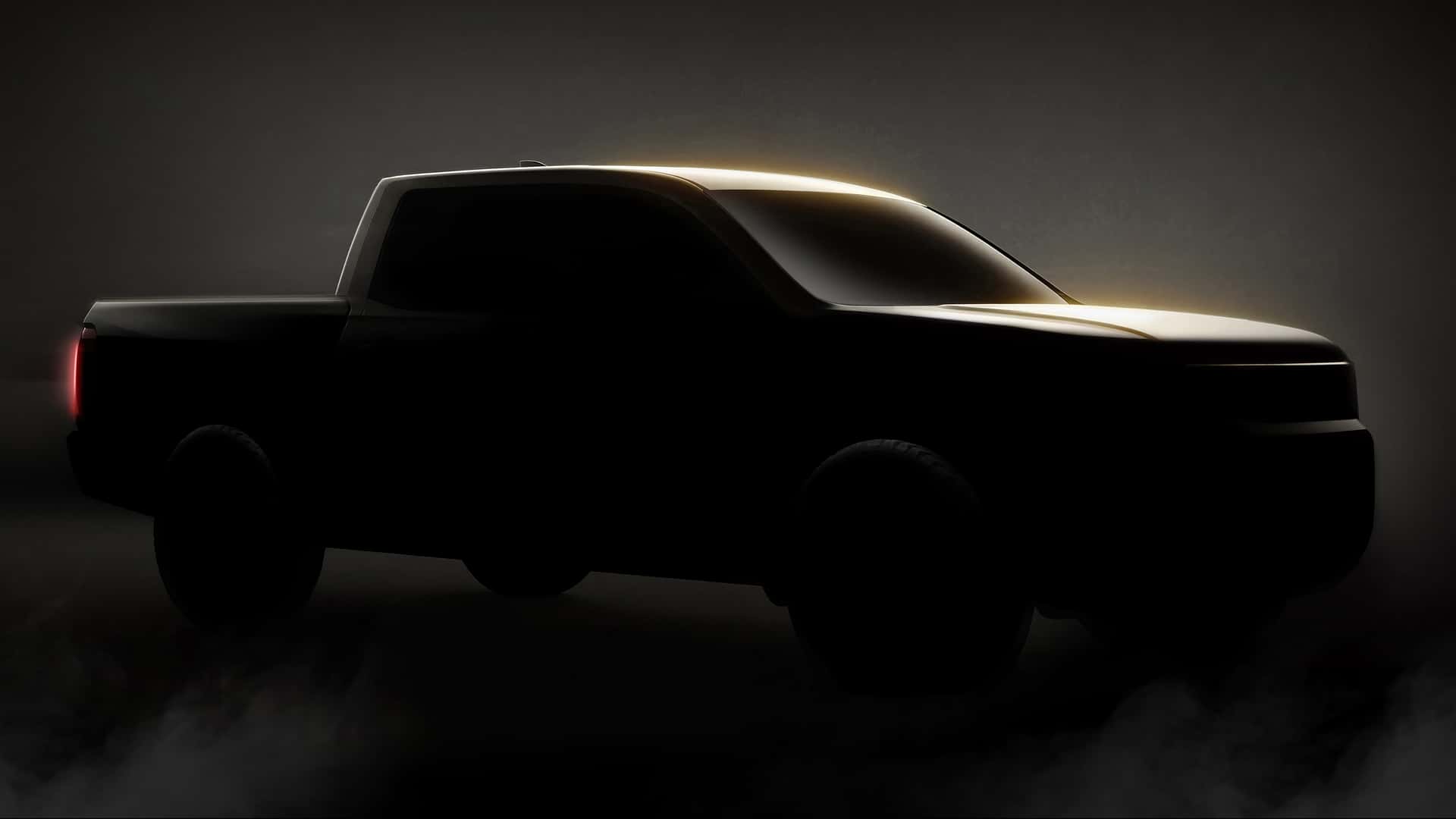
Industry analysts interpret this as a commitment to closing the gap between the Ridgeline and the "hardcore" off-road trucks that have surged in popularity, such as the Toyota Tacoma and the Ford Ranger. By adopting styling cues from the new Passport—a vehicle designed with an emphasis on outdoor adventure and rugged aesthetics—Honda is signaling that it wants the new Ridgeline to look the part of a trail-ready vehicle.
Furthermore, the decision to maintain production at the Alabama factory is a vote of confidence in Honda’s existing manufacturing ecosystem. The Alabama plant is a high-volume facility that currently handles the Passport, Odyssey, Pilot, and the outgoing Ridgeline. By keeping production in-house, Honda retains control over quality assurance and logistical efficiency, ensuring that the transition to the new model is as seamless as possible.
Implications for the Market
The decision to redesign the Ridgeline at this juncture has profound implications for the midsize truck segment.
1. The "Lifestyle" Truck Segment Grows
Honda has effectively pioneered the "crossover-truck" segment. While others have tried to emulate this, the Ridgeline remains the gold standard for buyers who want a vehicle that functions like an SUV during the week and a truck on the weekend. The shift to a more rugged design suggests that Honda is moving to capture a larger share of the overlanding and outdoor enthusiast market.
2. Competition and Brand Loyalty
Honda is currently operating in a landscape where electrification is being pushed aggressively. By committing to a new, optimized V6, Honda is making a calculated bet that there is still significant consumer demand for high-performance internal combustion engines in the pickup segment. This approach differentiates them from manufacturers who are rushing to release EV pickups with limited towing ranges.
3. Supply Chain and Dealer Impact
The cessation of the current Ridgeline production later this year will likely lead to a period of inventory tightening. For potential buyers, this could mean that current-generation models may become highly sought after as "final year" editions. Meanwhile, dealerships will have to manage the gap between the end of the current model and the arrival of the 2029 iteration, a period that will likely be filled with marketing campaigns focusing on the technological advancements of the forthcoming truck.
Conclusion: A Calculated Leap Forward
The news of the third-generation Honda Ridgeline is a testament to the company’s ability to evolve without abandoning its core identity. By leaning into the rugged design language of the Passport and investing in a modern, efficient V6, Honda is positioning the next Ridgeline to be more than just a comfortable commuter.
As we look toward the 2029 model year, the anticipation centers on how Honda will balance the inherent comfort of its unibody platform with the increased demands for off-road capability. If the brand’s history of innovation is any indicator, the next Ridgeline will likely continue to challenge the status quo, proving once again that a pickup truck doesn’t need to be traditional to be capable.
For now, the focus shifts to the Alabama assembly line and the design studios in Ohio and California, where the next chapter of the Honda pickup is currently being written. Whether it will successfully capture the hearts of the hardcore off-road community while retaining the loyalty of its current, comfort-focused customer base remains to be seen. However, one thing is certain: Honda is not backing away from the truck market; it is simply preparing to redefine it on its own terms.