The post-pandemic landscape for the film industry was, by all conventional metrics, a graveyard for the theatrical experience. As COVID-19 lockdowns shuttered screens worldwide, a grim narrative took hold: the era of the neighborhood arthouse cinema was nearing its sunset, eclipsed by the relentless rise of streaming giants and a shift in consumer behavior that favored the convenience of the couch over the communal ritual of the auditorium. For several years, these fears seemed justified, as independent theaters shuttered at an alarming rate and older demographics—the historical bedrock of the arthouse circuit—remained elusive.
However, a surprising and vibrant counter-narrative has emerged in the last twenty-four months. Far from fading into obscurity, the independent film sector is undergoing a profound, grassroots revitalization. This revival is not being led by the traditional audiences of the past, but by a digital-native generation whose cinephilia was cultivated in the glow of internet archives, curated social media feeds, and discovery platforms like Letterboxd. This new cohort of film fans is actively rejecting the passive, algorithm-driven consumption of streaming services in favor of the curated, high-touch experience of repertory screenings and independent events.
A Chronology of a Crisis and its Surprising Antidote
The timeline of this transition is as sharp as it is telling. From 2020 through 2022, the "apocalyptic" sentiment dominated industry discourse. Distributors were paralyzed, and theaters were struggling to justify their existence in a world where major studios were pivoting to "day-and-date" releases on home platforms. The "arthouse" model, which relied on word-of-mouth and the sustained attendance of an older, affluent demographic, hit a wall.
By 2023, however, the tide began to shift. The very platforms once blamed for killing cinema—social media and online communities—began to function as the modern-day equivalents of the local film club. Young audiences, starved for social connection and eager to participate in a shared aesthetic, began to treat film screenings not as a commodity, but as a cultural event.
Charlie Sextro, the Senior Vice President of Acquisitions and Business Development at Utopia Distribution, has been at the center of this metamorphosis. Speaking at the Costa Rica Media Market, Sextro—a veteran curator who spent 13 years shaping the programming at the Sundance Film Festival before joining Utopia in March 2025—offered a sobering yet optimistic assessment of the current climate.
"It is, quite frankly, a very difficult time right now for releasing films," Sextro admitted. "In the United States, it is perhaps as tough as it has ever been to gain traction. But there is a silver lining: everything is being destroyed right now to be rebuilt into something new."
Supporting Data: The Shift from Quantity to Quality
The "old-school" model of independent distribution—buying a well-reviewed film, providing a modest theatrical rollout, and relying on passive word-of-mouth—is, according to Sextro, largely obsolete. The data reflects a harsh reality: VOD licensing, which once served as a financial safety net for independent distributors, has dried up.

"In the past year alone, we’ve seen virtually no major streaming licensing deals," Sextro noted. "The streamers have largely abandoned the independent and arthouse space. Every time they view our titles, they dismiss them as ‘too small.’ Furthermore, the discovery mechanisms on platforms like Apple and Amazon are virtually non-existent for independent work."
Faced with this reality, Utopia Distribution has made a radical pivot. Rather than attempting to maintain a high volume of releases, they are shrinking their slate, choosing to focus on a handful of projects per year that can be treated as "events."
"We are moving from a model of nine or ten releases a year to four or five," Sextro explained. "We want to be transparent about the fact that the old way is no longer sustainable. We are shifting toward a ‘roadshow’ style of release—complicated, labor-intensive, and highly curated—that most companies are unwilling to undertake."
Official Perspectives: The "Eventivization" Strategy
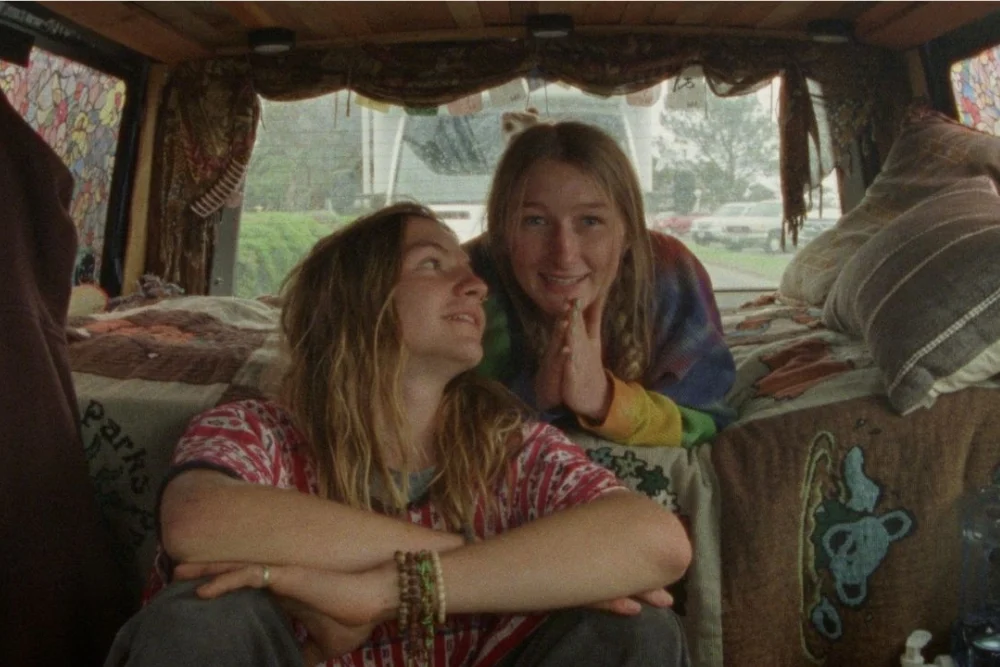
This strategy of "eventivizing" films is predicated on the idea that audiences are not looking for more content, but for more connection. A prime example of this is Utopia’s recent release of Summer Tour, a documentary directed by Mischa Richter and produced by Chloë Sevigny.
Rather than a standard theatrical run, the film, which chronicles the culture surrounding Grateful Dead fans, was toured through music venues for six weeks prior to its general release. Each screening was followed by a 90-minute live set from the Grateful Dead cover band featured in the documentary.
"We are creating the material for six weeks before we ever hit the traditional arthouse circuit," Sextro said. "We use that time to generate buzz, build a community, and create revenue through the events themselves. The films are excellent, but the model of how they connect to the audience is what needed to be fixed. We are moving away from the traditional, passive release and toward something that feels tailor-made for the audience."
This approach relies heavily on the "fandom" model, a strategy that has seen recent successes with films like Obsession and Backrooms. By targeting specific, passionate subcultures—be they music fans, horror enthusiasts, or genre-defying cinephiles—distributors can bypass the noise of the mainstream market and build a dedicated base of ticket buyers.

The Future: Building a New Global Pipeline
The implications of this shift are profound for the global film market. When asked about the potential for international titles, particularly from Latin America, Sextro expressed an "agnostic" but deeply interested stance.
"We are not tied to any one region," he explained. "We release documentaries, foreign-language films, and American indies. But we are acutely aware of the massive, Spanish-language-driven audience in the United States. It is a demographic that is consistently under-served."
Sextro emphasized that the success of future releases hinges on a collaborative partnership between the distributor and the filmmaker. "We rely on filmmakers to be partners in the release. They have lived with these movies for years; they have the best ideas for how to reach the audience. If there is passion behind the release, there is a place for it in the American market."
Implications for the Industry
The "apocalyptic" phase of the post-pandemic era has effectively forced a Darwinian selection process upon the film industry. The survivors will not be those who attempt to return to the pre-2020 status quo, but those who embrace the new, younger, and more demanding cinephilic audience.
- The Death of the "Passive" Release: The industry is signaling that simply placing a film in a theater is no longer enough. The "roadshow" model, where the distributor actively creates an immersive environment, is becoming the gold standard for independent survival.
- The Rise of the "Producer-Distributor" Dynamic: As budgets tighten and VOD income vanishes, the distributor must become a creative partner, working with filmmakers from the earliest stages of the campaign to identify niche audiences.
- The Generational Pivot: The industry is finally acknowledging that the "older audience" is no longer the sole gatekeeper of success. The "Letterboxd generation" is proving to be a highly engaged, ticket-buying force that values the experience of the cinema over the convenience of the algorithm.
As Sextro concludes, the path forward is one of hope, but it requires a fundamental change in mindset. "The independent film world was once defined by the cornerstone of older audiences. That went away with COVID, and now we have this young generation that is driving arthouse, which, to me, is the dream. It’s what I’ve always wanted. Young cinephiles are the greatest thing in the world, and they are the ones who are going to build the new version of this industry."