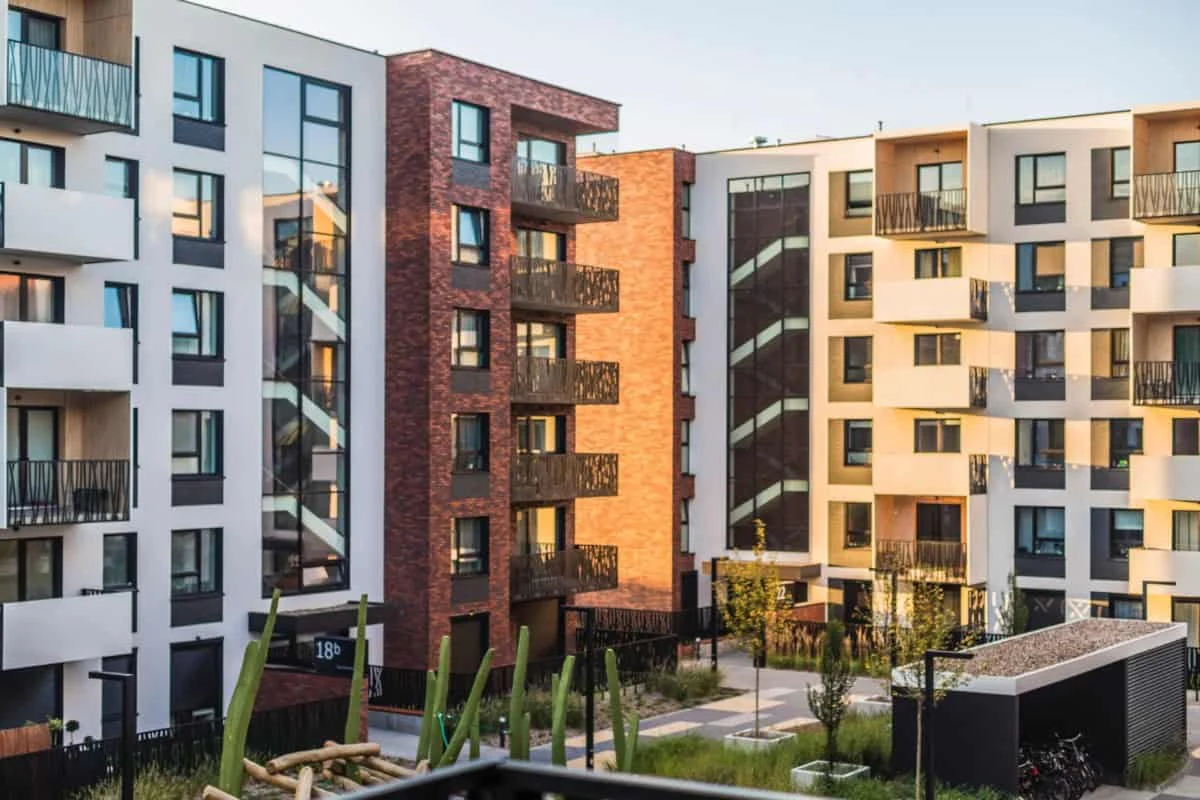
For millions of urban dwellers, the allure of the condominium or apartment complex lies in the promise of a "lock-and-leave" lifestyle. These communities offer a unique blend of communal amenities and perceived safety, often bolstered by gated perimeters and access-controlled entryways. However, as high-density living continues to evolve, property experts warn that residents should not mistake the presence of a front gate for total immunity against crime.
Whether you are scouting for a new condo in a bustling hub like Austin or securing a long-term rental in Chicago, understanding the nuances of multi-family security is vital. Your home is your sanctuary, and taking a proactive, informed approach to its protection is the most effective way to ensure peace of mind.
The Foundation of Multi-Family Security: Access Control
The first line of defense in any multi-family residential building is its access control system. These systems range from basic key-fob entries to sophisticated biometric scanners and remote-monitored surveillance.
Understanding Building Infrastructure
When evaluating a potential residence, you must go beyond the aesthetic appeal of the lobby. Ask the leasing office or the Homeowners Association (HOA) board about their security protocols. Are the access systems updated regularly? Is there a log for maintenance workers or delivery personnel?
A building that relies on outdated, easily duplicated physical keys may present a higher security risk than one utilizing encrypted digital credentials. Always perform your due diligence; a security-conscious building management team will be transparent about their systems and eager to demonstrate their commitment to resident safety.
Hardening Your Unit: Practical and Lease-Friendly Solutions
While building-wide security is the responsibility of management, the security of your individual unit falls squarely on your shoulders. The front door remains the most common point of entry for intruders, followed closely by first-floor windows and sliding glass doors.
Low-Cost, High-Impact Reinforcements
For renters who cannot make permanent alterations, "lease-friendly" security is the gold standard. Dr. Karrie Fuller, Blog Manager of AptAmigo, notes that you don’t need a contractor to bolster your defenses. "For sliding glass doors or windows on a first-floor rental, we suggest a simple wooden dowel cut to fit in the door or window track," she explains. "This removable piece prevents the window from sliding open while in place, but still allows the renter to get out quickly in an emergency. It is an easy, fast, and inexpensive way to add a physical barrier."
Beyond dowels, consider portable door jammer bars, which provide significant resistance against forced entry, and adhesive wireless alarms that trigger a high-decibel alert if a window or door is tampered with.
Mitigating Risks in Shared Amenities
Condo living comes with the perks of rooftop lounges, fitness centers, and lush communal gardens. However, these areas are often the most porous parts of a complex. Because they are designed to be accessible to a large number of residents and guests, they can inadvertently become magnets for opportunistic trespassers.
The Vulnerability of Common Areas
Property management must maintain a delicate balance between convenience and security. For instance, mailrooms and package delivery zones are high-risk areas. "Package theft can happen anywhere with shared entryways," says Patrick Bartlett, Head of Property Operations at Rove Travel. "Use secure lockers when available, and for expensive items, choose signature delivery or a nearby package pickup location to avoid leaving valuables unattended."
If you notice a malfunctioning gate, a broken latch on a gym door, or a flickering light in a common stairwell, report it to management in writing immediately. A written record creates a paper trail, ensuring that the community remains accountable for safety standards and incentivizing rapid repairs.
Financial Accountability: Security and HOA Fees
One of the most overlooked aspects of condo security is the correlation between HOA fees and protective measures. When you purchase a unit, a portion of your monthly dues is ostensibly earmarked for building maintenance and security infrastructure.
The "Security Red Flag"
If a complex charges premium HOA fees but lacks basic security features—such as functional garage cameras, well-lit parking lots, or secure lobby access—it is a significant red flag. You should expect your financial contributions to manifest in a professional, secure environment. If the security standards are sub-standard, it is not just an inconvenience; it is a financial discrepancy that you should address with the HOA board before committing to a purchase.
Garage and Bicycle Security
Parking structures are frequently targeted for petty theft, such as vehicle break-ins or the theft of catalytic converters. If your complex has a garage, ensure it is well-lit and monitored by CCTV.
Furthermore, bicycle storage rooms have become prime targets for thieves. Because bikes are high-value, mobile, and often left in semi-public storage areas, they are easy to steal. If you must use a shared storage facility, invest in a high-quality, heavy-duty U-lock and ensure that the bike is secured to a fixed, permanent rack rather than a wire fence or railing.
The Power of Community: Knowing Your Neighbors
Security is not solely about hardware; it is about social cohesion. Getting to know your neighbors is a cost-free, highly effective security strategy.
In a large building, it is easy to become anonymous. However, when you can recognize your neighbors, you are much more likely to spot someone who doesn’t belong in your hallway or your garage. A "neighborhood watch" mentality within a building—where neighbors look out for one another’s deliveries and report suspicious activity—can be more effective than a dozen cameras.
Integrating Modern Technology
For those who want an extra layer of protection, modern home security systems offer unprecedented control. With smart cameras, motion sensors, and remote-monitored doorbells, you can maintain a "digital eyes-on" approach to your unit from anywhere in the world.
However, always check your building’s bylaws before installing external cameras. Many HOAs have strict rules regarding common-area privacy. In such cases, consider indoor-only cameras or "peephole" cameras that do not require drilling or permanent alterations to the building’s facade.
Conclusion: Leave No Stone Unturned
Your sense of safety is paramount to your quality of life. While property managers have a legal and ethical obligation to maintain secure facilities, the ultimate responsibility for your unit’s security is yours.
Before signing a lease or closing on a condo, walk the property at night. Check the lighting in the parking garage. See if the lobby door actually latches shut behind you. Ask questions about the security protocols and, most importantly, trust your instincts. If a building feels insecure, no amount of rent reduction or lower HOA fees can compensate for the loss of your peace of mind.
Frequently Asked Questions
Can I install a security camera outside my apartment door?
Always consult your lease or HOA guidelines first. Because hallways are shared, private cameras may violate the privacy rights of your neighbors. If external cameras are banned, a "smart" peephole camera is often a great, non-intrusive alternative.
What are the most common entry points for intruders?
Statistically, the front door is the most common entry point, often because it was left unlocked. First-floor windows and sliding glass doors follow closely behind. Always double-check your locks before leaving or retiring for the evening.
Is my landlord responsible if I am burglarized?
Generally, no. Landlords are typically only liable if they failed to maintain "basic required security," such as a broken lock that was reported but never fixed. This is why obtaining renter’s or condo insurance is non-negotiable—it provides the financial safety net that the landlord’s building policy does not.
What are some low-cost, budget-friendly ways to secure my home?
Beyond the wooden dowels for windows, consider:
- Door Jammers: Portable devices that provide extra resistance against kicking in a door.
- Smart Lightbulbs: Timers that make it look like someone is home while you are away.
- Window Alarms: Inexpensive, battery-operated stick-on alarms that emit a high-pitched siren if a window is opened.
What if a common area security feature is broken?
Report it to management immediately via email or a formal maintenance portal. Do not rely on verbal requests. A written record is your best protection, as it holds the property management team accountable for timely repairs.