In an era where the insatiable energy demands of artificial intelligence are pushing the limits of the aging electrical grid, Google has taken a definitive step toward reconciling compute growth with climate commitments. This week, the tech giant announced its most significant investment in renewable energy to date: the Steel River Energy Center. Located in Arkansas, just 30 miles north of Memphis, Tennessee, this massive solar-plus-storage project represents a fundamental shift in how hyperscalers approach infrastructure.
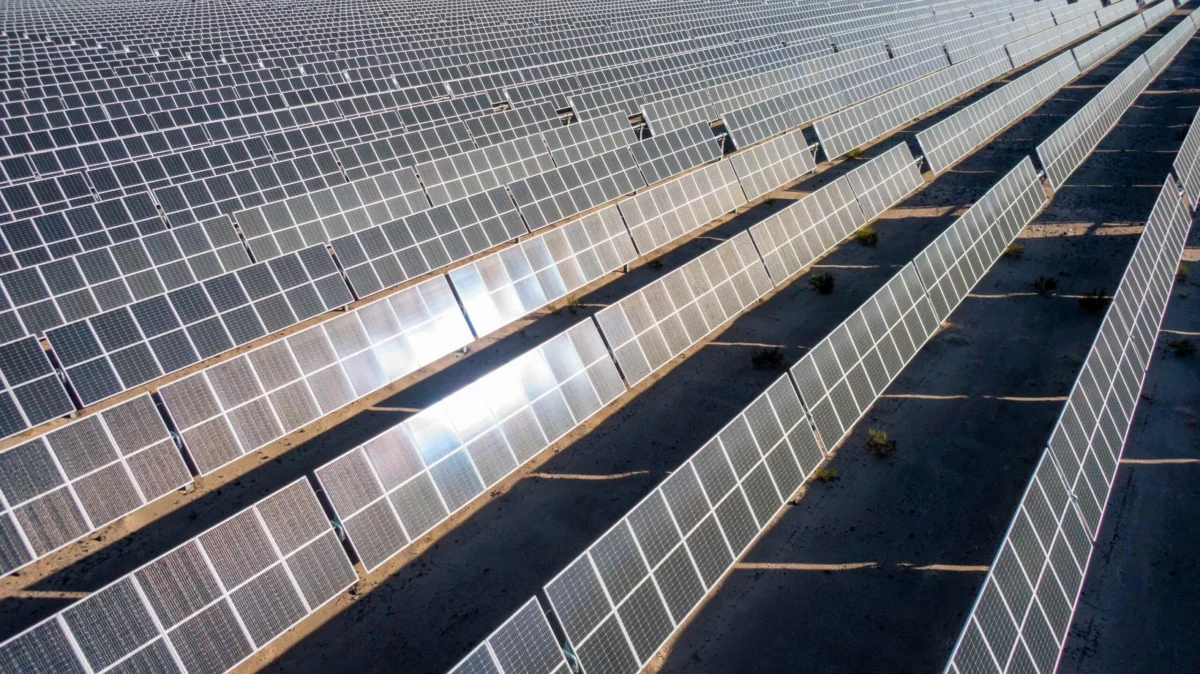
By investing directly alongside developer Cypress Creek Energy, Google is not merely purchasing renewable energy credits; it is actively shaping the landscape of the U.S. power grid. The project, which will ultimately boast 1.8 gigawatts of solar capacity and 2.9 gigawatt-hours of battery storage, highlights a growing divergence in the tech industry’s approach to powering the AI revolution. While some competitors pivot toward fossil-fuel-intensive infrastructure, Google is betting on a hybrid, renewables-first strategy.
The Anatomy of the Steel River Project
The Steel River Energy Center is a three-phase undertaking designed to maximize grid stability through the integration of solar power and large-scale battery storage. By pairing photovoltaic arrays with robust battery systems, the facility can mitigate the inherent intermittency of solar energy, allowing for power delivery long after the sun has set.
Phase Breakdown
- Phases I and II: Currently under development with $3.5 billion in secured financing, these initial stages will inject 1 gigawatt of solar capacity and 1.9 gigawatt-hours of battery storage into the grid. Google has committed to purchasing the entire output of these phases to offset the energy draw of its data centers.
- Phase III: Scheduled to reach commercial operation by 2029, this final phase will push the facility’s total capacity to 1.8 gigawatts of solar and 2.9 gigawatt-hours of storage.
At its peak, the output from the first two phases alone will provide enough electricity to satisfy approximately 6% of the entire state of Arkansas’s peak demand. This scale is unprecedented, and when the project is fully realized, it will stand as the largest solar facility in the United States.
A Strategic Divergence: Google vs. xAI
The unveiling of the Steel River project arrives at a moment of intense scrutiny regarding the environmental footprint of AI. The industry is currently split between two philosophies: the rapid, often unpermitted, deployment of fossil-fuel-powered data centers, and the long-term, capital-intensive pursuit of clean energy infrastructure.
The xAI Controversy
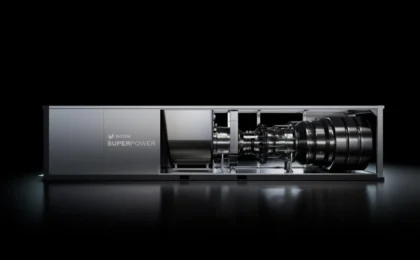
Contrastingly, Elon Musk’s xAI has faced significant backlash for its approach to powering its "Colossus" data centers. Situated approximately 40 miles south of the Steel River site in Mississippi, xAI has been accused of operating nearly 60 natural gas turbines without the requisite federal clean air permits.
Reports from organizations like Reuters have highlighted that these turbines are not only bypassing regulatory oversight but are also disproportionately impacting air quality in predominantly Black neighborhoods. Despite Musk’s leadership of Tesla—a company ostensibly built on the promise of a sustainable, electrified future—the infrastructure supporting his AI ambitions relies heavily on carbon-heavy, modular natural gas power plants, a strategy recently reinforced by his acquisition of APR Energy.
Google’s Balancing Act
Google is not immune to the pull of traditional energy. The company has previously partnered with Crusoe to develop a 933-megawatt natural gas plant in West Texas. However, industry analysts view that project as an outlier. Unlike the xAI approach, which relies on the rapid installation of unregulated turbines, Google’s strategy is heavily weighted toward "24/7 carbon-free energy." This internal mandate aims to match every hour of energy consumption with clean, carbon-free sources, a goal that requires the exact type of hybrid solar-plus-storage capacity Steel River provides.
The Implications for Grid Infrastructure
The Steel River project is more than a corporate power purchase agreement; it is a blueprint for the future of grid resilience. As data centers become the primary drivers of load growth in the United States, the utility of traditional baseload power is being tested.
The Shift Toward Hybridization
The integration of 2.9 gigawatt-hours of battery storage at Steel River is critical. As Google moves toward hourly carbon matching, the ability to store solar energy and dispatch it during peak evening hours is essential. This capability reduces the strain on the grid during periods of high demand and discourages the reliance on "peaker plants"—typically older, dirtier power plants that are fired up only when demand spikes.
By financing such large-scale projects, Google is de-risking the development process for renewable energy providers. The $3.5 billion in financing secured for the first two phases proves that when tech giants bring their balance sheets to the table, project developers can accelerate timelines significantly. Completing nearly 2 gigawatts of solar capacity in just three years is an aggressive timeline that traditional utilities often struggle to meet without the impetus of a major corporate buyer.
Regulatory and Environmental Challenges
While Google’s investment is being hailed as a win for the climate, it also highlights the regulatory hurdles inherent in modern energy development. The disparity between the permitting process for a renewable facility like Steel River and the "unpermitted" operations at xAI’s Mississippi facility raises questions about the oversight of AI infrastructure.
Environmental justice advocates have long argued that the rapid proliferation of data centers creates a "hidden" pollution burden. When companies bypass environmental review processes to meet the immediate, ravenous power needs of AI training clusters, the communities surrounding those data centers pay the price. Google’s commitment to a more transparent, permitted, and renewable-first path may set a new standard—or at least provide a counter-narrative—to the "move fast and break things" approach currently seen in some segments of the AI sector.
Future Outlook: The Race for Power
The next five years will be decisive for the relationship between AI and the energy sector. Estimates suggest that AI-related power demand will double or triple by 2030, necessitating a massive build-out of new generation capacity.
Key Drivers for the Coming Years:
- Regulatory Scrutiny: As the environmental impact of data centers becomes a matter of national security and public health, regulators are expected to tighten oversight on power plant permits, potentially hindering projects that follow the xAI model.
- Corporate Accountability: Investors and employees are increasingly holding companies accountable for their carbon pledges. Google’s continued investment in renewables—and its ability to demonstrate the tangible success of projects like Steel River—will be used as a benchmark for other tech companies.
- Technological Innovation: The success of the Steel River project will depend on the performance of its large-scale battery storage. If these systems can successfully provide consistent, reliable power, it will validate the hybrid model and encourage more utilities to adopt similar configurations.
Conclusion
The Steel River Energy Center represents a pivot point in the evolution of the internet economy. As artificial intelligence fundamentally reshapes the global economy, the infrastructure supporting it is becoming a political, environmental, and economic battleground.
Google’s decision to commit to a massive, long-term renewable facility underscores a recognition that the sustainability of its business model is tethered to the sustainability of the grid itself. While the temptation to deploy quick, fossil-fuel-based power remains a reality for companies desperate to maintain their competitive advantage in the AI arms race, the long-term cost—both in terms of reputation and regulatory liability—is becoming increasingly clear.
As the industry moves forward, the contrast between the Steel River model and the unregulated natural gas turbine model will define the standard for corporate environmental responsibility. For now, Google has signaled that for the largest players in the tech space, the most reliable power is not the quickest to install, but the most robustly engineered and integrated into a decarbonized future.