For many prospective homeowners, the journey to property ownership begins with a fundamental dilemma: should you purchase a pristine, never-lived-in new construction, or opt for the character and established footprint of an existing home? Whether you are hunting for a modern retreat in Albuquerque, NM, or a coastal escape in Hilton Head Island, SC, the choice carries significant financial and lifestyle implications. To avoid buyer’s remorse, it is essential to look beyond the surface-level aesthetics and conduct a deep dive into the long-term realities of both options.
The Landscape of Modern Real Estate: Defining the Options
What is a New Construction Home?
A new construction home is defined as a property that has not been previously occupied. These homes are typically delivered by developers or merchant builders and can take several forms: custom-built residences tailored to your specifications, move-in-ready "spec" homes built on speculation, or units within large-scale master-planned communities.
What is an Existing Home?
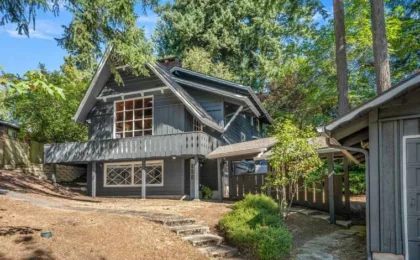
An existing home—often referred to as a "resale" property—is one that has been previously owned and lived in. These properties range from mid-century modern classics and historic homes to suburban houses built within the last decade. They are the backbone of the American housing market and often represent the most available inventory in established neighborhoods.
The Financial and Structural Implications of New Construction
Day-One Benefits and Long-Term Value
The appeal of new construction is often tied to the "new car smell" factor—pristine finishes, modern floor plans, and the latest smart-home technology. However, industry experts argue that the true value lies in the long-term cost of ownership.
"The real advantage of new construction is the lower cost of ownership, not just the purchase price," explains Peter Kachan, Co-Founder of Realty AI. "The median U.S. home is now over 40 years old and nearing expensive replacements like roofs, HVAC, plumbing, and electrical. A new home avoids those capital expenditures for years. Furthermore, new homes come with cheaper insurance thanks to modern building codes and lower monthly utility bills driven by today’s energy standards and high-efficiency appliances."
The Hidden Hurdles of New Builds
Despite these advantages, the path to owning a new build is not without its obstacles:
- The Timeline: Construction delays are common, often caused by supply chain issues, labor shortages, or weather events.
- Location Constraints: New developments are frequently located on the outskirts of cities, potentially leading to longer commutes and limited initial access to mature amenities.
- The "Beta Test" Reality: Modern homes are often packed with cutting-edge tech that may not have stood the test of time.
William Seth-Ward, a licensed Florida mold assessor with Hope Home Inspections, cautions that newer isn’t always simpler. "New homes tend to be built with trending systems that haven’t been around long enough to be refined. They require specialized technicians who may not always be available. Older homes, by contrast, often feature ‘tried-and-true’ systems that have been in use for 50 years. While you must account for the age of those systems, their maintenance is often more straightforward."
The Existing Home Experience: Character vs. Capital Risk
The Benefits of an Established Footprint
Existing homes offer immediate advantages that new builds often struggle to replicate. First, there is the benefit of "immediate occupancy"—you know exactly what you are getting, and there is no risk of construction delays.
Furthermore, existing homes are usually located in established neighborhoods with mature trees, walkability, and proximity to city centers, schools, and hospitals. From an investment standpoint, an existing home in a prime, high-demand neighborhood often offers better long-term appreciation, as the land value is often already maximized.
The Financial Vulnerability of "The Unknown"
While the lower upfront price tag of an older home is attractive, the trade-off is the potential for hidden wear and tear. Kamil Andrukiewicz, owner and broker of New Haus Group, notes that the lack of a builder’s warranty is a critical factor.
"The hidden costs of purchasing an older home are the unknowns—the surprises that arise after the inspection," says Andrukiewicz. "Home inspections are generally non-invasive; inspectors cannot open sheetrock or inspect plumbing behind finished material. You might only discover issues after you move in. With a new home, you have a builder’s warranty. If issues arise, the builder is responsible for the fix, which provides significant peace of mind."
Comparative Analysis: A Chronological View
| Feature | New Construction | Existing Home |
|---|---|---|
| Move-in Readiness | Varies (Can be months away) | Immediate |
| Maintenance | Low (Warranty-backed) | High (Potential for repairs) |
| Energy Efficiency | High (Modern standards) | Varies (May need upgrades) |
| Neighborhood | Developing (New roads/amenities) | Established (Mature infrastructure) |
| Price Predictability | High (Fixed contract) | Moderate (Competitive bidding) |
Expert Insights: How to Decide
When to Choose New Construction
You should lean toward new construction if:
- You value efficiency: You want lower monthly utility costs and insurance premiums.
- You want customization: You prefer to pick your finishes, flooring, and layout.
- You prioritize warranty: You want the security of knowing major system failures are covered for the first few years.
- You have a flexible timeline: You can handle the potential for construction delays.
When to Choose an Existing Home
You should consider an existing home if:
- You prioritize location: You want to be in the heart of a city with established schools and mature landscaping.
- You value character: You prefer architectural styles, crown molding, or historical charm that new builds often lack.
- You want an immediate move: You need a place to live on a specific schedule without waiting for a groundbreaking.
- You have a renovation budget: You are comfortable managing projects and updating a space to fit your vision.
Frequently Asked Questions
Are new construction or existing homes cheaper?
While new construction carries a higher upfront sticker price due to modern materials, existing homes often require immediate capital injections for repairs, updates, or modernization. When calculating the total cost of ownership over five to ten years, the gap often narrows.
Are mortgage options different?
Generally, no. Whether you are buying a brand-new home or a fifty-year-old property, standard mortgage products (FHA, VA, Conventional) apply to both. However, builders often provide financial incentives, such as covering a portion of closing costs or offering rate buydowns, to encourage the purchase of their inventory.
Which is a better investment for resale?
Resale value is heavily dependent on location. A new build in a rapidly growing suburb may appreciate quickly as the area develops. Conversely, an existing home in a highly desirable, "walkable" historic district often holds its value better because the supply of such homes is inherently limited.
Conclusion: Making the Right Move
Deciding between new construction and an existing home is not just about the structure itself; it is about your lifestyle, your risk tolerance, and your financial goals. By utilizing tools like online mortgage calculators to stress-test your budget and working with a trusted local real estate agent, you can navigate these complexities with confidence.
Whether you choose the efficiency and peace of mind offered by a new build or the soul and location of an existing residence, the key to avoiding buyer’s remorse is conducting thorough due diligence. Ensure that your home inspection is comprehensive, your finances are clear, and your expectations align with the realities of the property you choose to call home.