By Global News Desk
July 11, 2026
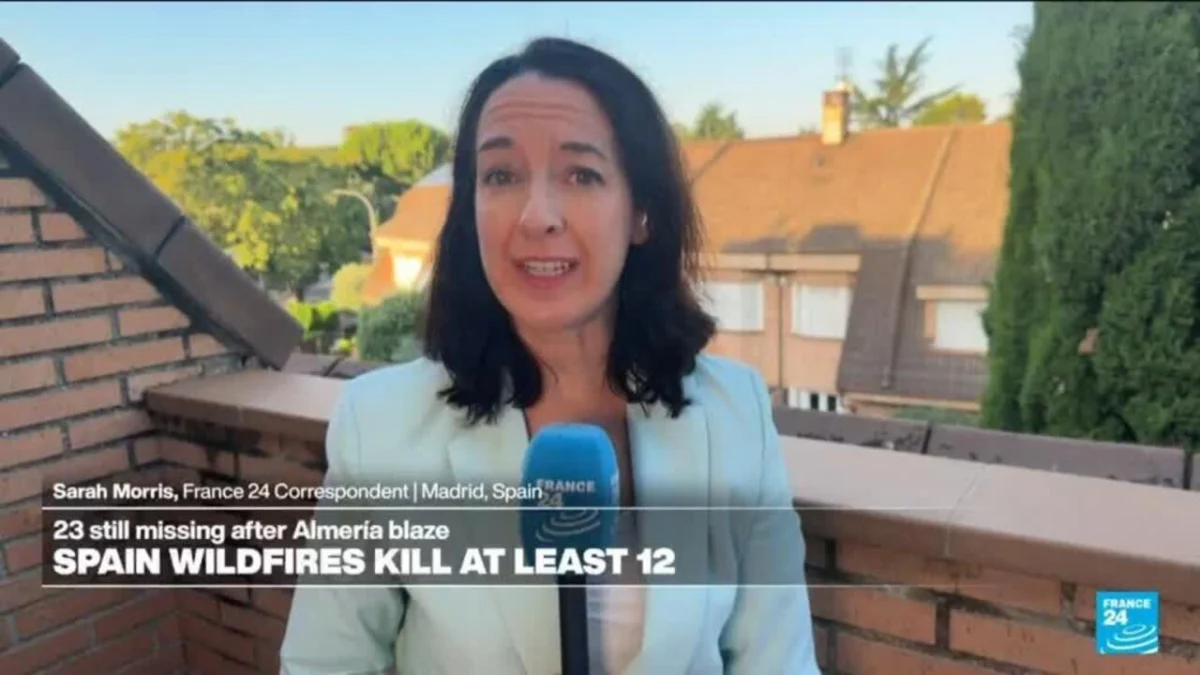
As the smoke begins to clear over the scorched landscapes of Spain, the nation is coming to terms with one of its most devastating environmental tragedies in recent memory. Officials have confirmed that the wildfires, which have ravaged thousands of hectares of forest and agricultural land, are finally beginning to ease. However, the respite comes at a staggering human cost: at least 12 people have lost their lives in the inferno, leaving communities in mourning and sparking a fierce national debate regarding climate adaptation and emergency preparedness.
The Main Facts: A State of Emergency
The fires, which broke out during an unprecedented early-summer heatwave, spread with terrifying speed across several provinces. Fueled by tinder-dry vegetation, record-breaking temperatures exceeding 42°C (107°F), and unpredictable winds, the blazes quickly became uncontrollable.
Emergency services, including the Military Emergencies Unit (UME) and local firefighting brigades, were pushed to their absolute limits. Thousands of residents were forced to flee their homes in the middle of the night, turning historic villages into ghost towns almost overnight. While meteorological reports suggest that temperatures are beginning to stabilize, the scale of the destruction is profound. Authorities are currently assessing the structural damage to homes, critical infrastructure, and the fragile biodiversity of the affected regions.
Chronology of the Infernos
The tragedy unfolded in a rapid, cascading series of events that overwhelmed local resources.
- July 7 – The Spark: Initial reports of small brush fires began to emerge in the early hours of the morning. While initially considered routine, high-velocity winds turned localized ignitions into massive fire fronts within hours.
- July 8 – The Escalation: By mid-day, the fires had breached containment lines. Authorities upgraded the alert status to Level 2, necessitating the evacuation of several rural municipalities. It was during this period that the first reports of missing persons began to circulate.
- July 9 – The Human Cost: The situation took a tragic turn as firefighting crews and rescue workers located the bodies of 12 individuals, including both civilians trapped in their homes and emergency personnel who were caught in a sudden wind shift.
- July 10 – The Turning Point: A shift in atmospheric pressure brought cooler, humid air from the Atlantic, providing the first major advantage to the thousands of firefighters on the ground.
- July 11 – Containment: As of this morning, officials declared that the most dangerous fronts are now contained. Attention has shifted from active firefighting to "mop-up" operations to prevent re-ignition.
Supporting Data: The Climate Context
The severity of the 2026 fires is not an isolated incident but part of a troubling trend observed across Southern Europe. Climate data analysts point to several contributing factors:
- Prolonged Drought: Spain has endured the driest winter and spring in over four decades. Soil moisture levels in the affected regions were at historic lows, creating a perfect environment for ignition.
- Heatwave Frequency: The frequency of heatwaves in the Iberian Peninsula has doubled since the 1990s. The 2026 event reached "Level Red" status, which indicates extreme danger to human health and natural ecosystems.
- Vegetation Management: Experts note that the abandonment of traditional rural agriculture has led to "fuel accumulation" in forests. With fewer people grazing livestock or managing underbrush, forests have become denser and more susceptible to explosive fire growth.
- Economic Impact: Initial estimates from the Ministry of Agriculture suggest that the economic impact will reach into the hundreds of millions of euros, affecting the olive oil, viticulture, and forestry industries.
Official Responses and Political Repercussions
The government in Madrid has faced immediate pressure to provide a comprehensive response. Prime Minister Pedro Sánchez visited the command center on July 10, promising an "unwavering commitment" to the victims’ families and a robust reconstruction plan.
"We are facing a climate reality that demands a fundamental shift in how we approach land management and civil protection," the Prime Minister stated during a press briefing. "The loss of 12 lives is a wound that will not heal quickly, and we owe it to them to ensure our nation is better fortified against the threats of the future."

The opposition, meanwhile, has been critical of the response times, calling for a parliamentary inquiry into whether the budget cuts for fire prevention services over the last three years played a role in the lack of early containment. Regional leaders are also calling for a unified national firefighting strategy, arguing that the current patchwork of regional emergency services is ill-equipped to handle the mega-fires of the modern era.
The Broader Implications
The tragedy in Spain serves as a grim harbinger for the rest of Europe. As climate patterns shift, the traditional "fire season" is no longer confined to the peak of August; it is expanding, lengthening, and intensifying.
The Human Toll and Community Resilience
The 12 lives lost represent more than just statistics; they are the faces of a changing society. Many of the deceased were elderly residents who lived in remote areas, highlighting the vulnerability of rural populations in an aging Spain. The psychological trauma for the survivors—who return to find their livelihoods reduced to ash—will require long-term state support and mental health infrastructure.
Rethinking Land Use
Environmental scientists are calling for a "re-wilding" that prioritizes fire-resistant landscapes. This includes moving away from monoculture pine forests and re-introducing natural firebreaks, such as deciduous trees and managed agricultural zones, which serve as natural buffers against the spread of flames.
Technological Advancements
The use of satellite imagery and AI-driven predictive modeling proved vital in identifying fire fronts during this crisis. Moving forward, the government is expected to increase investment in drone surveillance and automated sensor networks that can detect heat signatures before a fire becomes visible to the human eye.
European Solidarity
The fires also highlighted the importance of the EU Civil Protection Mechanism. Spain received significant assistance from neighboring Portugal and France, who deployed water-bombing aircraft and specialized crews. This cross-border cooperation is being heralded as the gold standard for how nations must interact in a climate-challenged future.
Conclusion: A Turning Point
As the nation enters a period of official mourning, the questions being asked go beyond the immediate logistics of the fire. Can a country continue to operate under the same agricultural and forestry models when the climate is fundamentally changing? Are current emergency services prepared for the increased frequency of "mega-fires"?
The events of July 2026 will likely be remembered as a turning point in Spanish policy. While the immediate danger has subsided, the long shadow cast by these fires will influence political discourse, environmental legislation, and urban planning for years to come. For the families of the 12 victims, and for the thousands displaced, the road to recovery is long—but the message from the ashes is clear: the era of reactive crisis management is over. The era of proactive, climate-resilient adaptation must begin today.