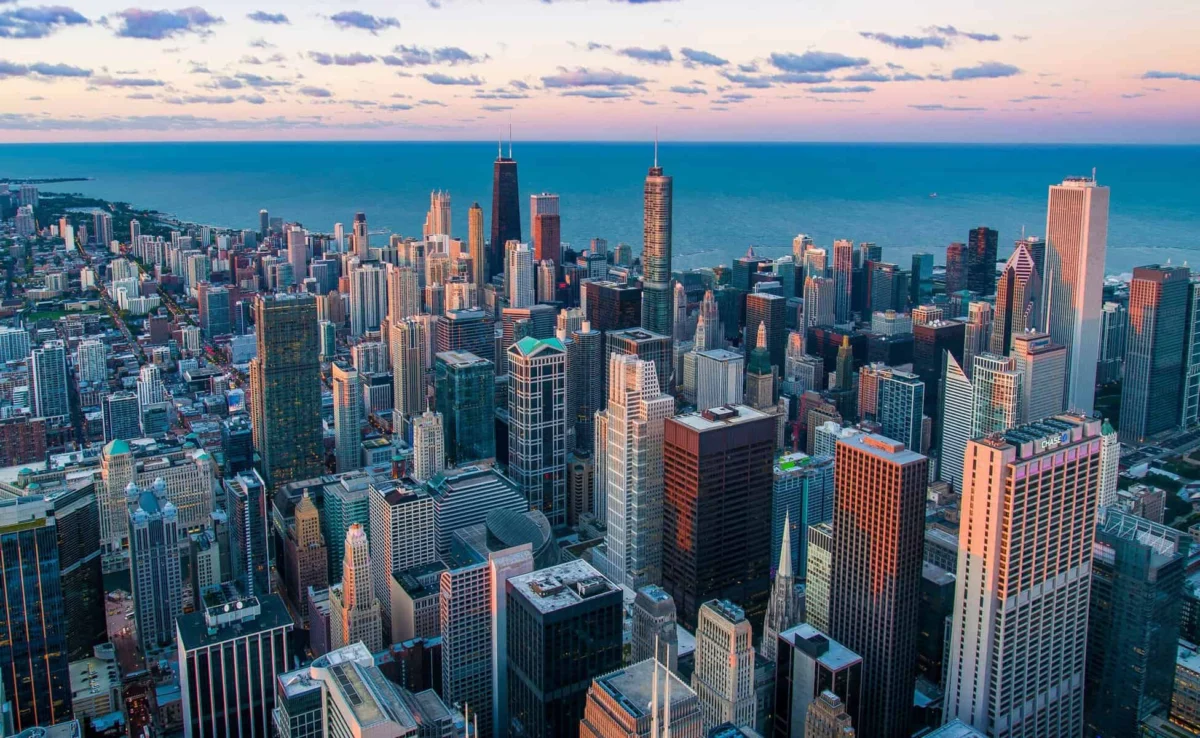
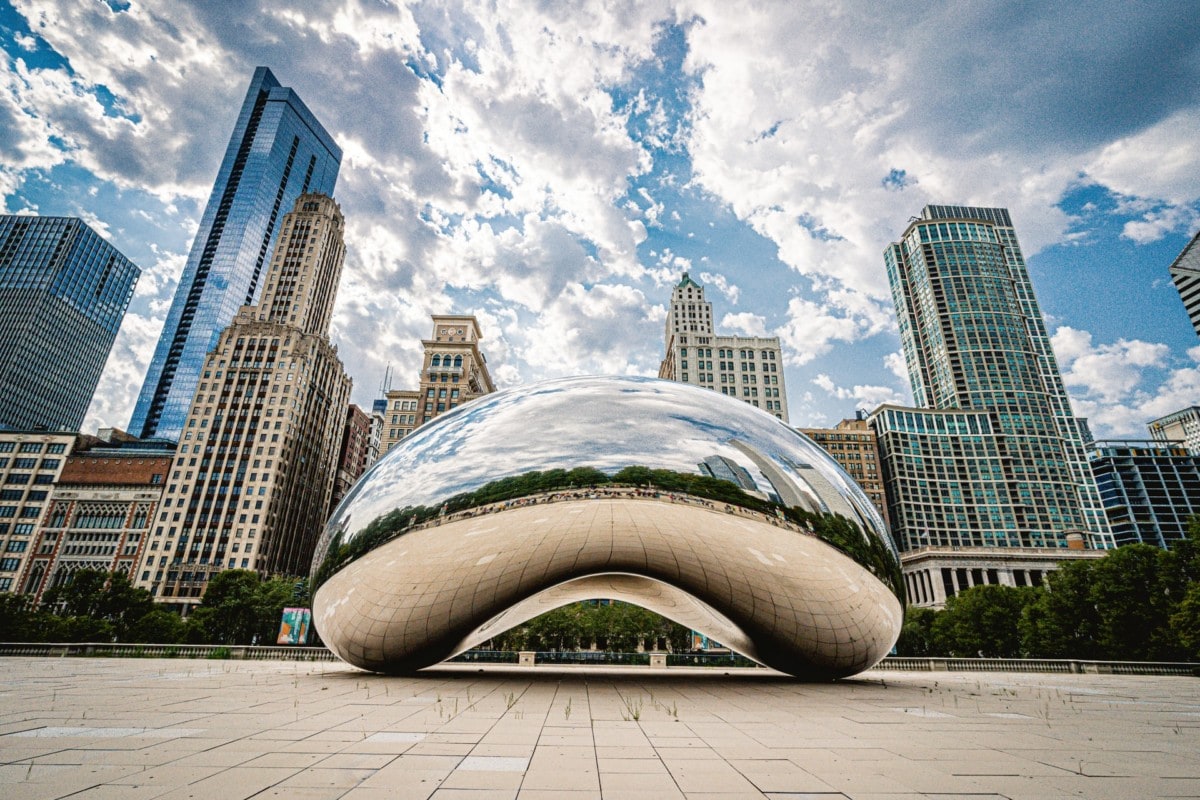
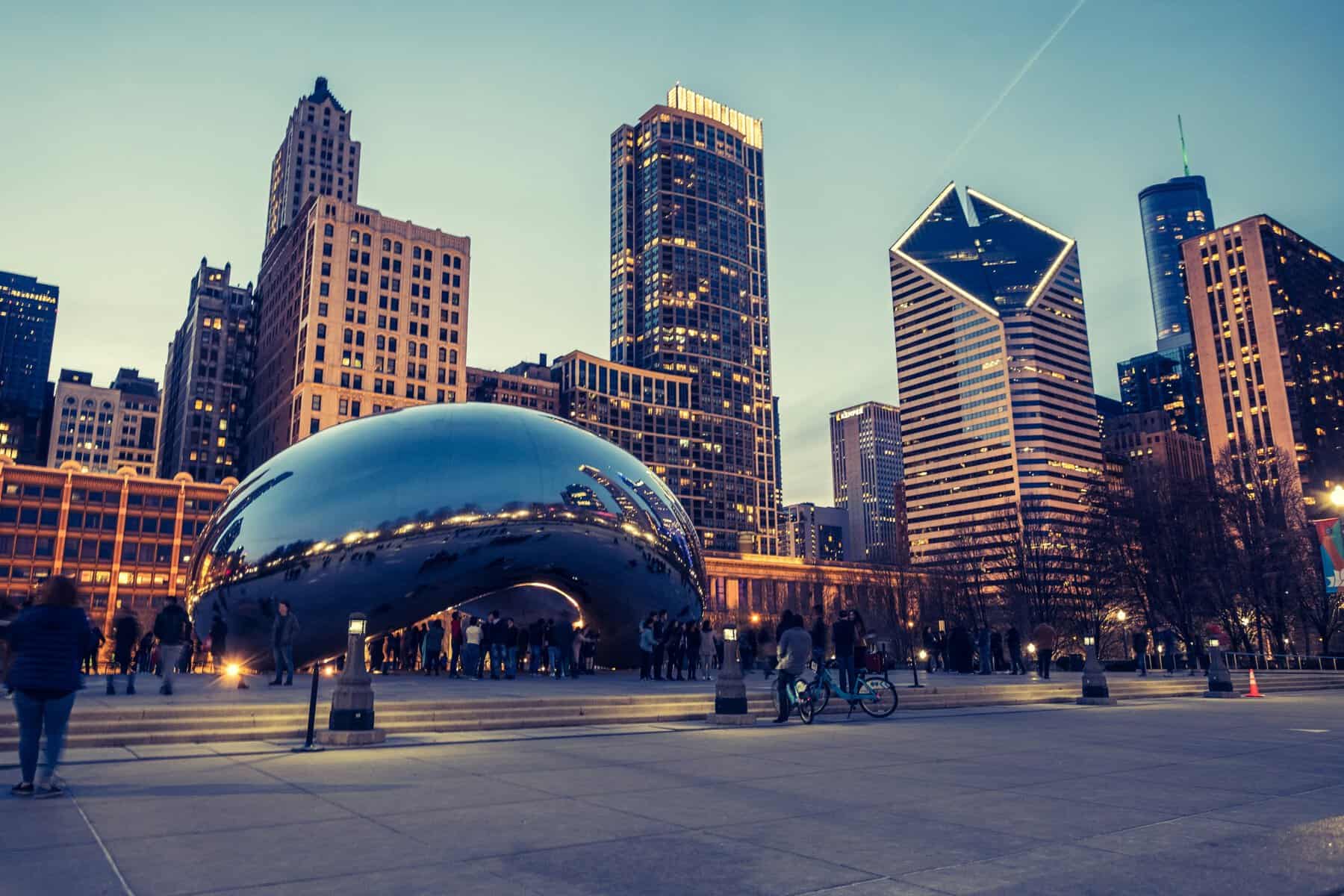
Chicago is globally renowned for its architectural marvels, world-class museums, and the iconic "Bean" that anchors Millennium Park. However, beneath the surface of the Windy City’s polished tourism facade lies a vibrant, interconnected network of neighborhoods, each harboring intimate pockets of history, culture, and culinary brilliance. For residents and prospective homeowners alike, the true spirit of Chicago is found not in the crowded tourist corridors, but in the quiet, cobblestone alleys and neighborhood bistros where local life thrives.
Main Facts: A City of Neighborhoods
Chicago is a city of 77 officially designated community areas, each functioning as a "city within a city." While visitors often flock to the downtown Loop or the high-energy atmosphere of Wrigleyville, local experts emphasize that the city’s identity is defined by its diversity—from the German heritage of Lincoln Square to the artistic pulse of the South Loop.
The recent shift in urban living has seen a move toward "hyper-local" exploration. Residents are increasingly seeking out independent businesses that survived the economic fluctuations of the last decade. These businesses—ranging from century-old stables converted into coffee shops to family-run Mediterranean kitchens—serve as the social anchors of their respective communities.
Chronology: From Great Fire to Modern Renaissance
To understand these hidden gems, one must understand the city’s timeline. Much of Chicago’s character was forged in the aftermath of the Great Chicago Fire of 1871. The city’s resilience is physically manifested in the historic buildings that survive today, such as the structures housing Hero Coffee Bar in the Loop, which date back to the late 19th century.
- 1871: The Great Chicago Fire destroys much of the city, leading to a massive architectural rebuilding effort that defines the current cityscape.
- Early 20th Century: Waves of European immigration, including German and Polish communities, establish the cultural identity of neighborhoods like Lincoln Square and Portage Park.
- Late 20th Century: The industrial decline leads to the repurposing of manufacturing districts, such as River North, into the art and dining hubs seen today.
- 2020–Present: The pandemic-era pivot forces local businesses to innovate, leading to the creation of community-centric spaces like the Hot Dog Box in the Six Corners district.
Supporting Data: The Value of Neighborhood Vitality
Real estate trends in Chicago indicate that proximity to "walkable, character-rich" neighborhoods is a primary driver for home seekers. According to local real estate experts, the desire for "third places"—spaces outside of home and work—has spiked.
In neighborhoods like Streeterville and the Gold Coast, while high-rises dominate the skyline, the data shows that home values and resident satisfaction are highest in areas where historic greystones are preserved. Furthermore, the "art-driven" economic model in the South Loop’s Wabash Arts Corridor has shown that public art installations can increase foot traffic to local businesses by an estimated 15-20% during peak tourism months.
Official Responses and Local Perspectives
To curate the ultimate list of hidden gems, we consulted with the people who know these streets best: local business owners, photographers, and community advocates.
The Loop: Reimagining the City Center
"When in the city, ditch the car," suggests the team at Chicago Real Estate Media. They advocate for a multi-modal approach: renting a Divvy bike to traverse the lakefront and using the Chicago Water Taxi to view the city’s architectural skyline from the river. For a quieter escape, the Art Institute South Garden offers a Mediterranean-inspired oasis that remains one of the city’s most overlooked tranquil spots.
South Loop: The Artistic Corridor
The Wabash Arts Corridor is a masterclass in urban revitalization. Stretching from Harrison to 16th Street, this outdoor gallery features murals from Columbia College students and international artists alike. Bane from Lock Chicago recommends experiencing the corridor via electric scooter, noting, "It’s a unique intersection of academia and street art that captures the modern Chicago vibe."
Streeterville & Gold Coast: The Quiet Luxury
While tourists pack Navy Pier, local experts at Ryan Corporate Housing suggest the lakefront paths just north of the pier. "The Gold Coast’s side streets provide a glimpse into the city’s opulent history," they explain. "The dining scene here is far more intimate than the major tourist strips, offering a window into how locals actually live."
River North: Beyond the Galleries
Often labeled solely as a gallery district, River North has evolved. The speakeasy-style atmosphere of Untitled serves as a focal point for those looking for a sophisticated night out. As Tamika from Bottle Rocket Media notes, "The experience of walking through those heavy doors into a world of jazz and high-end mixology is irreplaceable."
Wrigleyville & North Side: Cultural Anchors
The Music Box Theatre remains a bastion of cinema history. Mark Toland, a local performer, emphasizes that the theater is not just a venue but a time capsule. "Watching a classic film on actual celluloid is a transformative experience," he states. Similarly, in Lincoln Square, The Book Cellar offers a community-driven environment where literature and local wine intersect.
Portage Park & St. Ben’s: Heritage and Heart
The "Six Corners" district in Portage Park has seen a resurgence thanks to the Hot Dog Box, a father-daughter project born from pandemic necessity. It represents the "new" Chicago—entrepreneurial, family-friendly, and community-focused. Meanwhile, in St. Ben’s, Laschett’s Inn continues to anchor the neighborhood with authentic German cuisine, serving as a reminder of the area’s 100-plus-year-old roots.
Implications for Future Explorers
The trend of seeking "hidden gems" implies a broader shift in how we travel and live. Residents are no longer satisfied with checking off boxes on a travel itinerary; they are looking for authenticity, human connection, and a sense of place.
Why These Spots Matter
- Economic Resilience: Supporting these smaller, independent businesses keeps the local economy diverse and prevents "retail homogenization," where every neighborhood looks identical.
- Mental Well-being: Spaces like the Art Institute South Garden and the quiet lakefront paths provide necessary psychological respite from the sensory overload of a major metropolitan area.
- Community Cohesion: Local institutions like The Book Cellar or Red June Café function as the town squares of the 21st century, facilitating connections between neighbors who might otherwise never interact.
How to Explore Like a Local
If you are planning to visit or relocate to Chicago, consider these tips for uncovering your own gems:
- Adopt a "Neighborhood First" approach: Spend a full day in one neighborhood rather than trying to visit three in an afternoon.
- Use Local Transit: The "L" train and Divvy bikes offer perspectives of the city that are impossible to see from a rideshare vehicle.
- Engage with Business Owners: Most of the hidden gems listed above are successful precisely because the owners are present and invested in their customers. Ask them about their history—you’ll likely find a story that isn’t in any guidebook.
Conclusion
Chicago’s true magic is not a static object or a single monument; it is the sum of its parts. From the lavender-infused lattes in a hidden alley to the centuries-old sausages served in St. Ben’s, the city rewards the curious. Whether you are a lifelong resident or a newcomer looking for a home in "Chi Town," remember that the best parts of the city are often found just one block off the beaten path. By choosing to engage with these hidden corners, you aren’t just visiting Chicago—you are becoming a part of its ongoing, vibrant, and ever-evolving history.