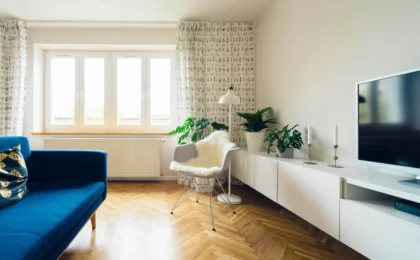
When a prospective buyer steps across the threshold of a property, the clock starts ticking immediately. Research in real estate psychology consistently suggests that the "emotional decision" to buy—or at least to move forward with a serious inquiry—is often cemented within the first few minutes of a viewing. Whether a home is located in a bustling urban center or a quiet suburban enclave, the principles of human perception remain the same: buyers are not just looking for a structure; they are looking for a feeling.
Mastering the art of the first impression is no longer just about staging a dining table with fresh flowers. It has become a sophisticated blend of sensory management, strategic lighting, and environmental control. For sellers, understanding how to influence this rapid-fire decision-making process is the key to minimizing time on the market and maximizing final sale price.
The Pre-Entry Mindset: Curb Appeal as the Gatekeeper
Before a buyer ever touches the door handle, they have already begun to form a narrative about the home. This "curb appeal" phase acts as a filter; a well-maintained exterior suggests a well-maintained interior, while a neglected facade prompts the buyer to enter with a critical, defensive mindset.
"When a buyer gets to the property, curb appeal is the first thing they notice," explains Mayur Arora of One Flat Fee. "The power of a fresh paint job along with some fresh mulch and freshening up the yard is tremendous. If the house presents itself beautifully, everything from there on is positive. If it lacks curb appeal, buyers often start looking for the negatives."
The Chronology of Arrival
The buyer’s experience is a linear journey that begins at the curb:
- The Approach: The visual condition of the lawn, driveway, and landscaping.
- The Transition: The threshold, the condition of the front door, and the hardware.
- The Entry: The immediate olfactory and visual sensation upon opening the door.
Simple, high-impact improvements—such as power washing walkways, applying a fresh coat of paint to the front door, and clearing overgrown foliage—serve to lower the buyer’s guard. When the exterior suggests care and pride of ownership, the buyer is psychologically primed to view the interior features as "assets" rather than "projects."
Sensory Management: The Invisible Influencers
While most sellers focus on the visual, the most powerful psychological triggers are often sensory. A home that looks perfect but smells of dampness or pets will fail to convert a buyer.
The Olfactory Impact
Scent is the sense most closely linked to memory and emotion. Lingering odors, such as cigarette smoke, stale cooking oils, or pet dander, act as immediate red flags. They suggest a home that hasn’t been properly maintained, regardless of how new the appliances might be.
To curate an inviting atmosphere, sellers should:
- Deep Clean: Move beyond surface cleaning to include carpets, upholstery, and drapes where odors hide.
- Neutralize: Use air purifiers and open windows to circulate fresh air.
- Avoid Overpowering Scents: Heavy perfumes or synthetic candles can suggest the owner is trying to "hide" something. Aim for a neutral, clean scent profile.
The Auditory Environment
Noise is a silent deal-breaker. Whether it is the drone of traffic, the hum of a noisy HVAC system, or the barking of a neighbor’s dog, unwanted sound pulls the buyer out of the "dreaming" phase and back into reality. Sellers should strive to create a quiet sanctuary. Turning off televisions, silencing mobile devices, and scheduling showings during off-peak traffic hours can significantly improve the buyer’s focus on the home’s layout rather than its surroundings.
Lighting and the Architecture of Space
The way a room is lit dictates how a buyer perceives its size and cleanliness. A dark, cavernous room feels small and dated; a bright, airy room feels expansive and modern.
"One of the first things buyers notice when they enter a home is how the space makes them feel," notes Farah Dhalla-Singh, Owner and Principal Designer of ATL Interiors. "Natural light, thoughtful furniture placement, and a clutter-free environment immediately create a sense of openness and allow buyers to envision themselves living there. A commonly overlooked detail is lighting. Replacing dated fixtures and ensuring every room is well lit can dramatically elevate a home’s first impression."
Strategic Lighting Techniques
- Layering Light: Use a combination of ambient, task, and accent lighting. Ensure that dark corners are illuminated by floor lamps.
- The Power of Natural Light: Clean windows and remove heavy, outdated curtains. The goal is to maximize the connection between the indoor space and the outside world.
- Fixture Modernization: If your home features brass or glass fixtures from the 1990s, replacing them with contemporary, matte-black or brushed-nickel options provides an immediate return on investment by signaling that the home is current.
The Ergonomics of Comfort: Temperature and Flow
If a buyer is sweating or shivering, they are not focused on your crown molding or hardwood floors. They are focused on the thermostat.
A comfortable home environment—ideally kept at a moderate temperature regardless of the weather outside—encourages the buyer to linger. If a buyer stays longer, they are statistically more likely to develop an emotional attachment to the property. Furthermore, furniture placement must facilitate "flow." If a room is packed with oversized furniture that forces a buyer to weave through a maze, the space will inherently feel smaller and less functional.
The "Invisible" Maintenance: Flooring and Decluttering
Flooring represents the largest surface area in any home. Scratched, stained, or uneven floors are the first thing a buyer’s eye tracks. Even if the kitchen has been recently renovated, if the floors are in disrepair, the buyer will perceive the entire property as needing "work."
The Decluttering Mandate
Clutter is the enemy of imagination. When a home is filled with personal items, photos, and excessive furniture, the buyer struggles to project their own life into the space. James from FSBO Home Listings emphasizes that cleanliness and organization are non-negotiable.
"Cleanliness, natural light, and a fresh, uncluttered environment create an immediate positive impression," James notes. "For sellers, focusing on presentation before a showing is one of the easiest ways to make a home feel more inviting and memorable."
Actionable Steps for Decluttering:
- The 50% Rule: Clear out at least half of the items in your closets and cabinets to make them look larger.
- Depersonalize: Remove family photos and highly specific decor to create a "blank slate."
- Clear Walkways: Ensure every path through the house is unobstructed to maximize the sense of flow and square footage.
Implications for the Modern Seller
The modern real estate market is driven by high-speed digital browsing and rapid in-person assessments. When a buyer enters a home, they are subconsciously looking for reasons to rule it out. By controlling the sensory, visual, and environmental factors of the property, a seller can shift the buyer’s perspective from "finding faults" to "envisioning a future."
Data and Market Realities
Supporting data from major real estate platforms shows that homes that are "show-ready"—meaning they are professionally staged, deep-cleaned, and properly lit—consistently spend fewer days on the market. In competitive markets like New Haven or Livermore, these minor details are often the deciding factors in multi-offer situations.
Final Takeaway
The sale of a home is as much an emotional transaction as it is a financial one. While you cannot change the square footage or the location, you have total control over the atmosphere. By investing time into the sensory and visual details—from the curb to the ceiling—you are not just tidying up; you are curating an experience that invites the buyer to stop looking at the house as a property and start looking at it as their home.
In the final analysis, the goal is to remove every possible distraction. When the smell is neutral, the light is bright, the temperature is comfortable, and the floors are pristine, the buyer is left with only one thing to focus on: the potential of the life they could lead within those four walls.