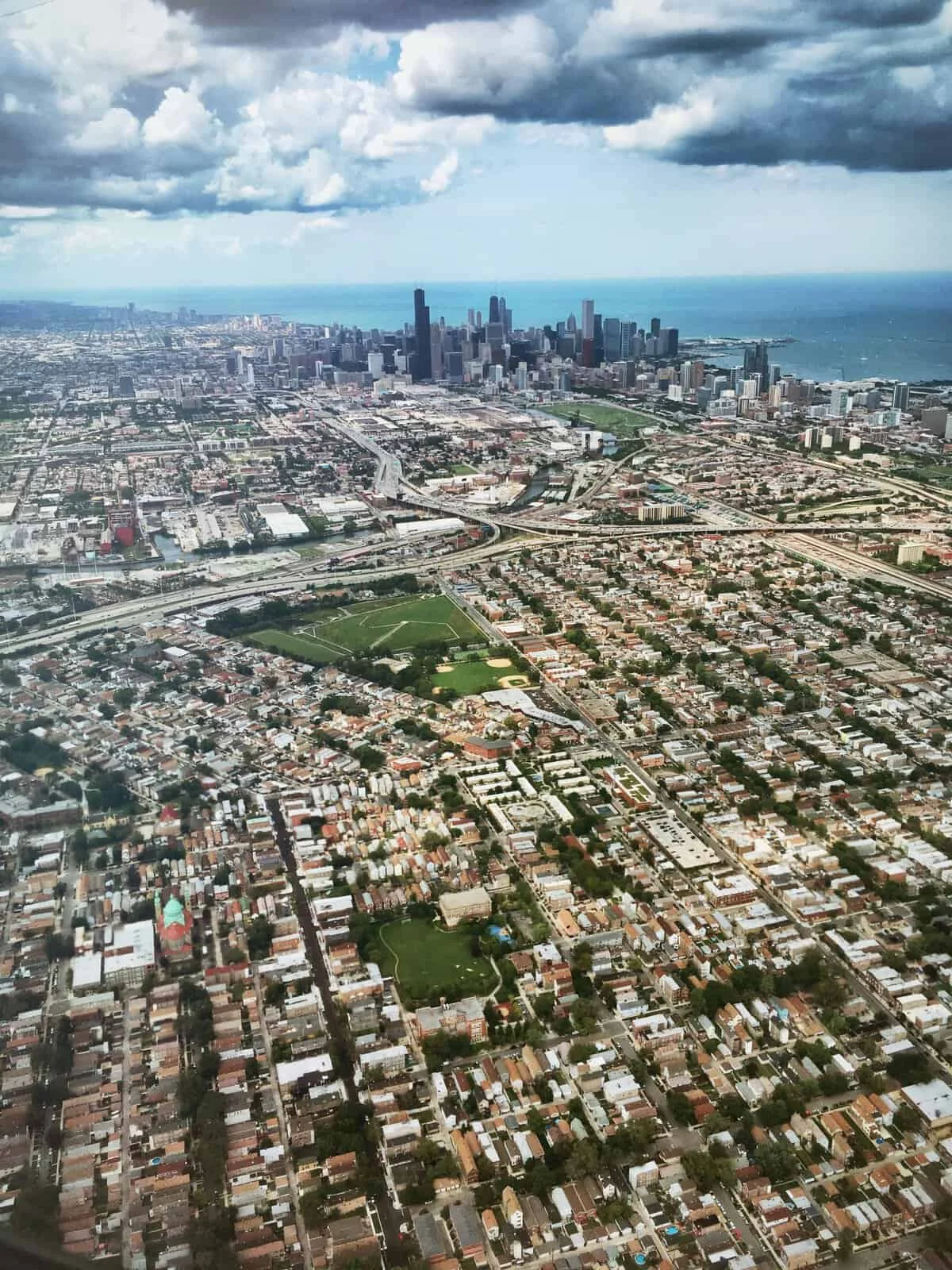
Chicago is a city of superlatives. It is the home of the skyscraper, the birthplace of deep-dish pizza, and a titan of industry sitting proudly on the shores of Lake Michigan. Yet, for the millions who call the Windy City home, the true essence of Chicago is rarely found in the crowded observation decks or the high-traffic tourist corridors of the Magnificent Mile. Instead, it is found in the quiet, tree-lined streets of Ravenswood, the vibrant murals of Pilsen, and the hidden, speakeasy-style bars that whisper stories of the city’s Prohibition past.
Whether you are a transplant settling into a new home, a prospective resident scouting neighborhoods, or a long-term local looking to break your weekend routine, there is always a new layer of Chicago to peel back. To better understand what makes this city tick, we interviewed local residents, small business owners, and community experts to curate a guide to the Chicago that locals actually love.
1. The Art Institute of Chicago: A Sanctuary for the Senses
While the Art Institute of Chicago (AIC) is a world-renowned landmark, it remains a pillar of daily life for residents. It serves as a sanctuary from the harsh midwestern winters and a hub for cultural enrichment.
Main Facts and Cultural Significance
Founded in 1879, the Art Institute is one of the oldest and largest art museums in the United States. Its collection spans over 5,000 years of human creativity, ranging from ancient artifacts to contemporary digital installations. For locals, the museum is not just a tourist attraction; it is a vital repository of the city’s history.
Martin, a local Chicagoan and representative of SmartMoneyMatch, emphasizes that the museum remains an essential destination regardless of the season. "It’s always worth a visit," Martin notes. "It’s filled with masterpieces from every era, from Georges Seurat’s iconic A Sunday on La Grande Jatte—which defines the pointillist movement—to Andy Warhol’s vibrant print of actress Elizabeth Taylor."
Why It Matters
For those living in the city, the AIC provides a necessary sense of scale. Amidst the rapid pace of urban development and the noise of the L-train, the quiet galleries of the Art Institute allow residents to disconnect and engage with global history. It is a place where the city’s elite, its students, and its visitors converge on equal footing.
2. Chicago’s Nature Spots: A Playground Beyond the Beach
When the brutal winter thaw finally concludes, Chicago undergoes a metamorphosis. The city’s gray, industrial exterior gives way to a lush, green landscape, and the lakefront becomes the city’s true backyard.
Chronology of a Perfect Chicago Day
For locals, the best way to experience nature is to move away from the high-density tourist beaches and into the city’s more serene pockets.
- Morning: Start your day at the lakefront. As photographer Matt Mansueto observes, the sunrise over Lake Michigan is the city’s greatest daily show. "One of my favorite places to watch Chicago wake up is anywhere along the lakefront, from Rogers Park all the way south to Promontory Point. You watch the sun rise over Lake Michigan, lighting up the skyline while runners, cyclists, and dog walkers begin their day."
- Mid-Day: Explore the Alfred Caldwell Lily Pool. This hidden gem, nestled near the Lincoln Park Zoo, offers a peaceful, prairie-style escape that feels miles away from the city.
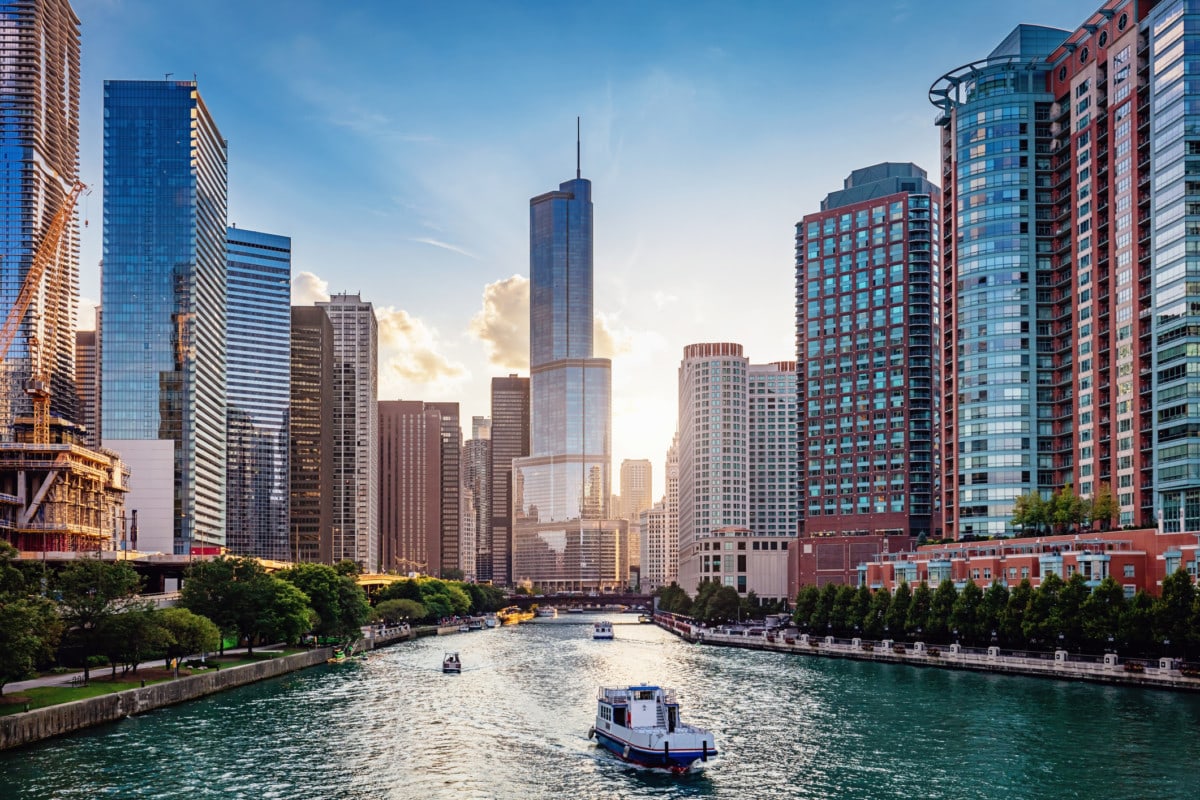
- Afternoon: Head to the Chicago River. As Jane Simon Ammeson points out, the river is no longer just an industrial corridor; it is a modern playground. "I love to paddle the waters and listen to stories during a Ghost and Gangster kayak tour," she says. "Then, I’ll stroll along the Riverwalk with a glass of Spanish Rioja, choosing a place to dine while the boats drift by."
- Evening: Conclude your day at Belmont Harbor, watching the sailboats dock as the sun dips behind the skyline.
Supporting Data and Neighborhood Character
Beyond the parks, the city’s "authentic character" is found in its distinct neighborhoods. Crystal Tran, a local expert, highlights Andersonville, Ravenswood, and Pilsen as essential stops. These areas host independent boutiques, community-focused eateries, and public art that reflect the diverse populations of Chicago.
3. The Neighborhood Mosaic: Life in the City’s Pulse
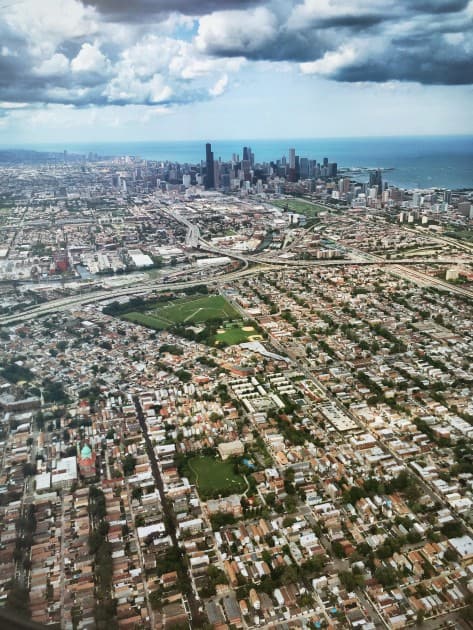
Chicago is famously a "city of neighborhoods." Unlike other major metropolises that center around a single downtown core, Chicago functions as a collection of villages, each with its own municipal identity, political heartbeat, and culinary tradition.
Official Perspectives on Community Engagement
The And Then We Had Kids podcast duo, Jenny and Sheena, suggest that the key to enjoying Chicago is finding spots that bridge the gap between "family-friendly" and "genuinely cool." Their top recommendation, Park & Field in Logan Square, is a prime example of this local philosophy.
"Logan Square is a perfect snapshot of current Chicago culture," they explain. "You have this blend of historic architecture and modern, dog-friendly spaces. Park & Field hosts bottomless brunches and family events, making it a community hub rather than just a restaurant."
Implications for Residents
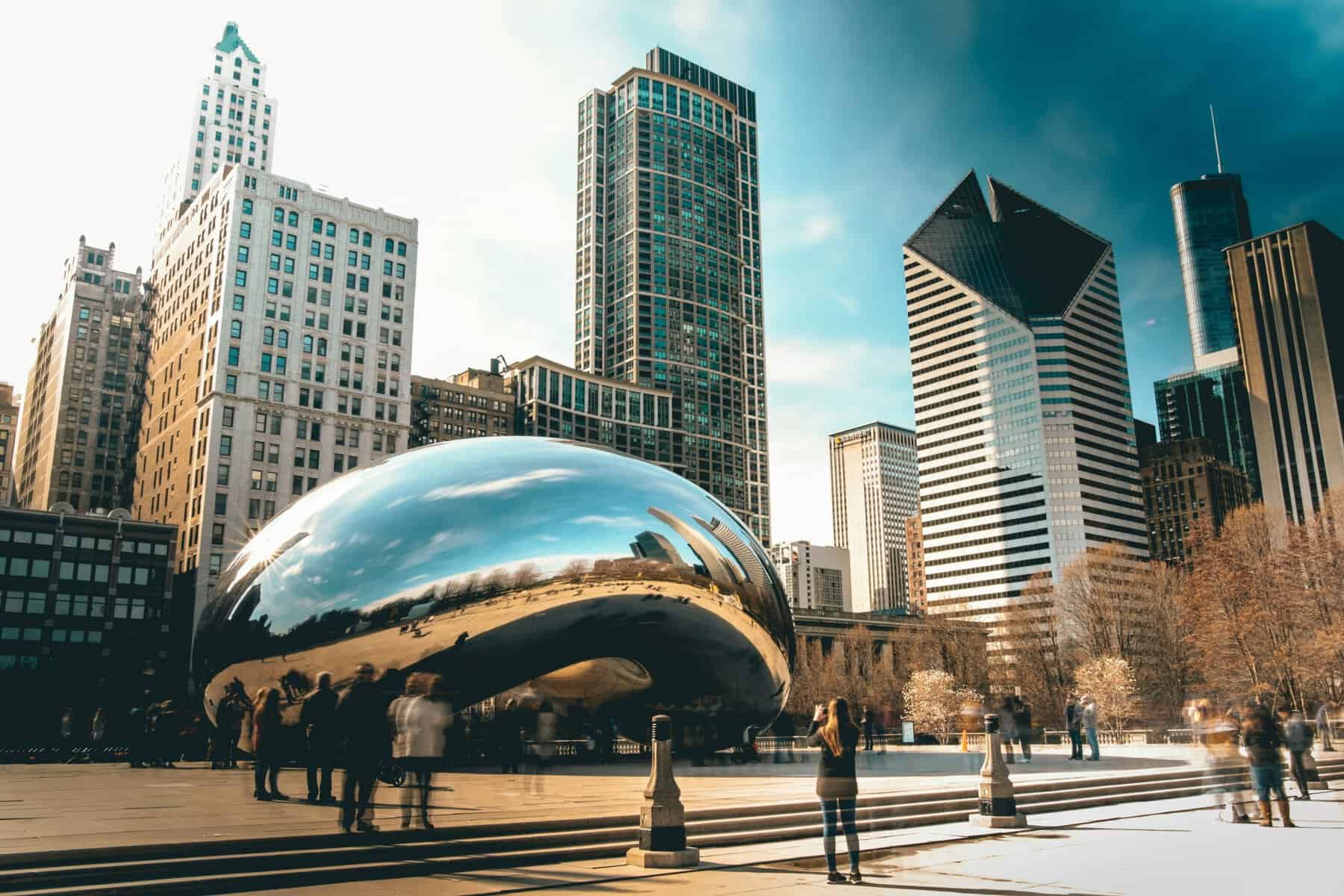
For those considering moving to Chicago, the choice of neighborhood is not just a real estate decision; it is a lifestyle choice. Whether you prefer the fast-paced, high-rise environment of River North or the artistic, bohemian feel of Edgewater, the city offers a specific "vibe" for every stage of life.
4. Culinary Tourism: Exploring Through the Palate
Food in Chicago is a religion. While deep-dish pizza and Italian beef get the headlines, the city’s culinary scene is defined by its international diversity and its commitment to local sourcing.
The Pilsen Experience
The team at Suite Home Corporate Housing suggests that for an authentic Chicago experience, one must travel to the 18th Street corridor in Pilsen.
"Pilsen is one of the city’s most vibrant and creative neighborhoods," the team notes. Their itinerary for an afternoon in Pilsen is comprehensive:
- Cultural Immersion: View the 16th Street murals and visit the National Museum of Mexican Art.
- Local Commerce: Shop at Semillas Plant Studio or browse the shelves at Pilsen Community Books, a leader in the employee-owned business movement.
- Refueling: Grab a coffee at Anticonquista Café or La Malinche.
- Dining: The options are endless—from Novel Pizza to the legendary tacos at Carnitas Uruapan or 5 Rabanitos.
- Nightlife: End the night with a concert at Thalia Hall, a historic landmark that serves as the anchor of the neighborhood’s entertainment scene.
The Speakeasy Culture
For those seeking a more refined, upscale experience, Vess from Bus Connection highlights Bavette’s Bar and Boeuf. "It’s a hidden gem that captures the essence of a Prohibition-era speakeasy," Vess says. "With red velvet booths and a sultry jazz soundtrack, it offers an intimacy that is hard to find in larger, more commercial establishments."
5. Sofar Sounds: The Secret Economy of Live Music
Perhaps the most "insider" tip provided by our local panel is the participation in Sofar Sounds events.
What is Sofar Sounds?
Sofar Sounds operates on a model of mystery and intimacy. Attendees book tickets to a show without knowing the specific venue or the lineup of artists. The address is revealed only 36 hours before the performance.
Emily from Mezz Entertainment swears by this model. "My recommendation for a truly unique thing to do is to attend these secret concerts," she says. "You might end up in a historic warehouse in the Loop or a quaint courtyard in Lincoln Park. You aren’t just seeing a band; you are discovering new music in an environment that strips away the distractions of a typical concert venue."
Why This Matters for the City
This trend speaks to a broader movement in Chicago: the desire for authentic, unmediated experiences. By decentralizing the entertainment scene, Sofar Sounds encourages residents to explore parts of the city they might otherwise ignore, fostering a sense of discovery that keeps the Chicago spirit vibrant and unpredictable.
Conclusion: The Unfinished Map
Chicago is a city that rewards the curious. It is a place where the architecture is grand, but the experiences are intimate. By moving beyond the guidebooks and engaging with the neighborhood-level culture—whether that’s a morning sunrise at Promontory Point, a Sunday afternoon at the Art Institute, or a secret concert in a hidden venue—residents find a connection to the city that transcends a simple mailing address.
As Chicago continues to evolve, its core identity remains rooted in its people: the business owners in Pilsen, the photographers on the lakefront, and the neighbors who make the city feel like home. To truly live in Chicago is to never stop exploring.