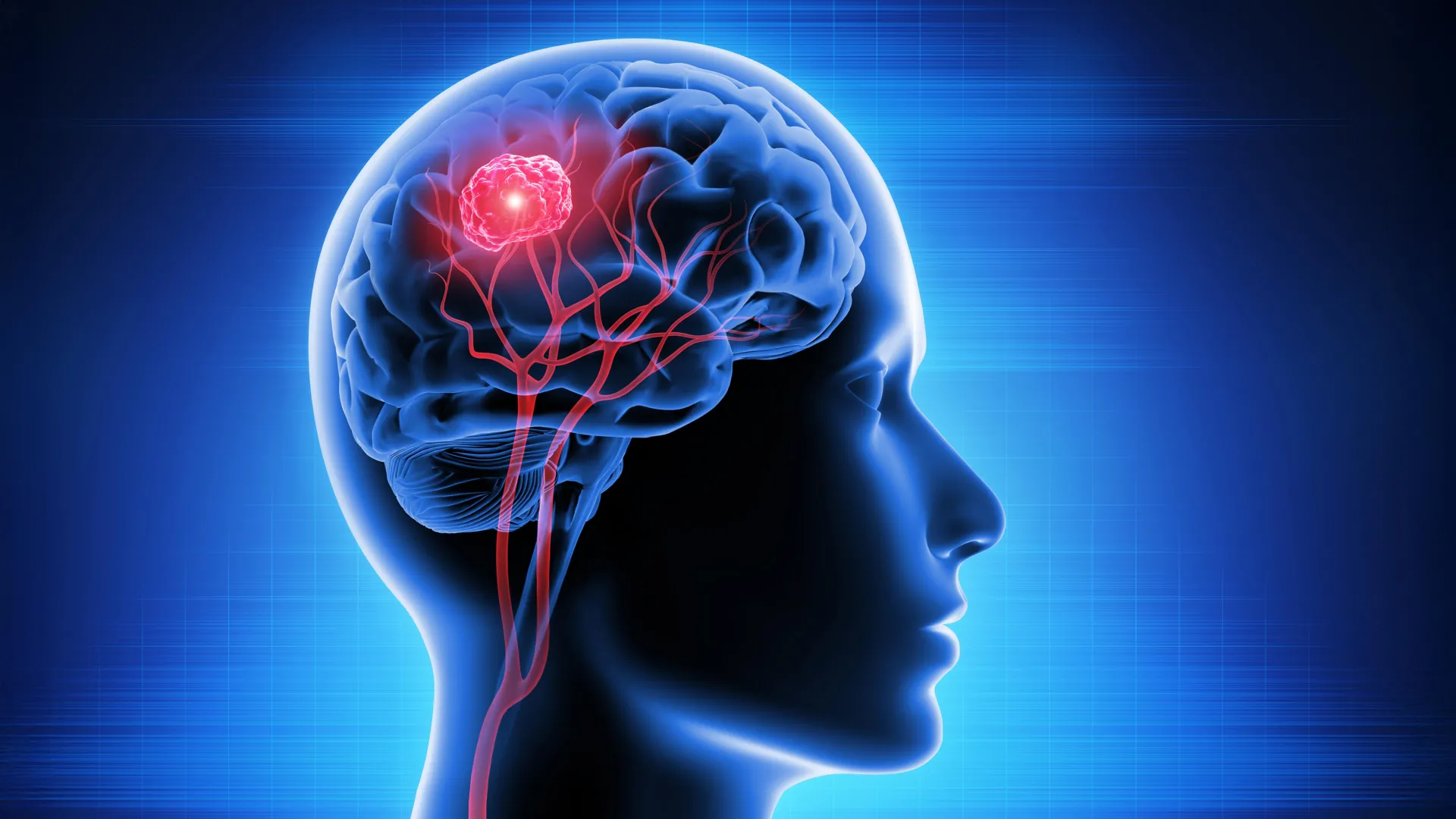
Glioblastoma multiforme (GBM) has long been considered the "final frontier" of oncology. As the most aggressive and malignant form of primary brain cancer, its clinical prognosis remains grim. Despite the aggressive standard-of-care regimen—consisting of surgical resection, followed by radiotherapy and the chemotherapy agent temozolomide—patients often face a median survival time of less than 15 months. The primary obstacle is not just the tumor’s intrinsic resistance, but the anatomical fortress protecting it: the blood-brain barrier (BBB).
However, a groundbreaking study recently published in the journal Oncoscience offers a glimmer of hope. Titled "Selective blood-brain barrier penetration and tumor targeting of nitrosylcobalamin in glioblastoma: Pharmacokinetics, tissue distribution, and synergistic activity with trail and temozolomide," the research introduces a novel therapeutic agent: nitrosylcobalamin (NO-Cbl). By repurposing a modified form of vitamin B12, researchers have developed a compound capable of bypassing the BBB and delivering targeted, tumor-killing nitric oxide directly into the heart of the malignancy.
The Core Innovation: Repurposing Vitamin B12
Led by Joseph A. Bauer of Nitric Oxide Services, LLC, and the Cleveland Clinic Foundation Taussig Cancer Center, the research team sought to exploit a biological loophole. Cancer cells are known for their voracious metabolic demands; they often exhibit a heightened requirement for cobalamin (vitamin B12) to support rapid DNA synthesis and cell division.
By utilizing NO-Cbl—a cobalamin derivative that acts as a nitric oxide (NO) donor—the researchers hypothesized that they could "trick" the brain’s protective barriers into allowing the therapeutic agent to pass through, subsequently accumulating in the tumor tissue due to the cancer cells’ increased vitamin uptake.
A Chronology of the Discovery
The path to this discovery was methodical, moving from broad-spectrum laboratory testing to specific neuro-oncological applications.
- Phase I: NCI-60 Screening: The initial phase involved testing NO-Cbl against the NCI-60 human tumor cell line panel. This comprehensive screening demonstrated that the compound possessed intrinsic antitumor activity across a diverse range of cancer types. Notably, tumor cells of central nervous system (CNS) origin showed moderate, consistent sensitivity to the treatment, providing the green light for further neuro-specific investigation.
- Phase II: Pharmacokinetic and Distribution Studies: The research transitioned to animal models (rats) harboring glioblastoma tumors. The goal was to track the systemic movement of NO-Cbl. The results were striking: the compound successfully navigated the circulatory system and penetrated the BBB.
- Phase III: Synergistic Efficacy: Following the confirmation of distribution, the team investigated how NO-Cbl interacted with existing therapeutic protocols, specifically temozolomide and TRAIL (TNF-related apoptosis-inducing ligand).
- Phase IV: Mechanistic Validation: The final stage of the pilot study involved analyzing how the compound influenced signaling pathways within the tumor, specifically looking at how it might reverse treatment resistance.
Supporting Data: Breaking the Barrier
The study’s most compelling data points revolve around the selective accumulation of NO-Cbl within brain tumor tissues. According to the research, once the compound was administered systemically, it did not merely dissipate. Instead, it showed a distinct affinity for the tumor microenvironment.
Evidence of Sustained Activity
A critical challenge in cancer therapy is "half-life"—ensuring the drug remains active long enough to have an impact. The research team monitored nitrate levels—a byproduct of nitric oxide activity—as a marker for the compound’s presence. They observed that while nitrate levels in healthy brain tissue and other organs returned to baseline relatively quickly, the levels within the glioblastoma tumors remained significantly elevated for at least 24 hours.
Figures 2 and 3 of the study provide visual evidence of this disparity, showing that cobalamin-related metabolites persisted in tumor tissue long after they had been cleared from the rest of the body. This suggests a "depot effect," where the tumor essentially traps the medication, ensuring a sustained release of nitric oxide directly into the cancerous cells.
Synergistic Effects and Overcoming Resistance
One of the most persistent issues in treating GBM is its ability to develop resistance to standard therapies like temozolomide. The study highlights that NO-Cbl is not merely a standalone therapy; it is a powerful adjuvant.
In laboratory models using U87 and D54 glioblastoma cells, the combination of NO-Cbl with TRAIL or temozolomide yielded results superior to any monotherapy. The synergy was observed across multiple dose ranges, suggesting that the compound could potentially allow for lower, less toxic doses of chemotherapy while maintaining high levels of tumor suppression.
Addressing Biological Resistance
The study elucidates the mechanism by which NO-Cbl helps circumvent resistance:
- Caspase-8 Activation: It promotes apoptosis (programmed cell death) by activating the caspase-8 pathway.
- NF-κB Suppression: It effectively suppresses the NF-κB survival signaling pathway, a common mechanism used by cancer cells to avoid death.
- TRAIL Receptor Strengthening: Through S-nitrosylation, the compound strengthens the signaling of TRAIL receptors, essentially "re-sensitizing" tumor cells that had become resistant to standard interventions.
Official Responses and Expert Perspective
While the study has garnered significant attention, the authors—led by Joseph A. Bauer—remain measured in their assessment. They categorize this work as a "pilot translational study," emphasizing that while the mechanism is sound and the early results are promising, the leap from laboratory to clinic is substantial.
The research community has noted that the use of vitamin B12 as a "Trojan Horse" is a clever strategy that addresses one of the most fundamental problems in brain tumor treatment. By masking a cytotoxic agent within a essential nutrient, the research team has potentially found a way to "sneak" medicine past the body’s most sophisticated gatekeeper.
Clinical Implications: The Road Ahead
The implications of this study are profound for the field of neuro-oncology. If validated, NO-Cbl could represent a paradigm shift in how we treat not only glioblastoma but potentially other primary and metastatic brain tumors.
Future Research Directions
The authors have outlined a roadmap for the next stages of development:
- Orthotopic Validation: Moving from systemic models to orthotopic models (where tumors are implanted in the brain) to replicate the exact anatomical environment of human GBM.
- Dosing Optimization: Refining the administration schedule to maximize the "depot effect" observed in the initial trials.
- Long-term Monitoring: Developing non-invasive imaging techniques to track nitric oxide activity in real-time, allowing clinicians to tailor treatment schedules to the individual patient’s metabolic rate.
- CNS Tumor Diversification: Testing the efficacy of the compound against a broader array of central nervous system malignancies, including pediatric brain tumors.
Conclusion
The findings published in Oncoscience represent a significant step forward in the struggle against glioblastoma. By successfully leveraging the metabolic requirements of tumor cells to penetrate the blood-brain barrier, the researchers have opened a new door for potential therapeutic interventions.
While the journey toward clinical availability will require years of rigorous testing, the integration of NO-Cbl into the existing treatment arsenal offers a tangible path toward overcoming the resistance that makes GBM so lethal. For the millions of patients and families affected by this devastating diagnosis, this research serves as a reminder that even in the most challenging fields of medicine, innovation remains the most powerful tool for change. As the scientific community looks toward the next phase of trials, the promise of a vitamin-based therapy that hits hard and hits precisely remains a beacon of progress in the fight against brain cancer.