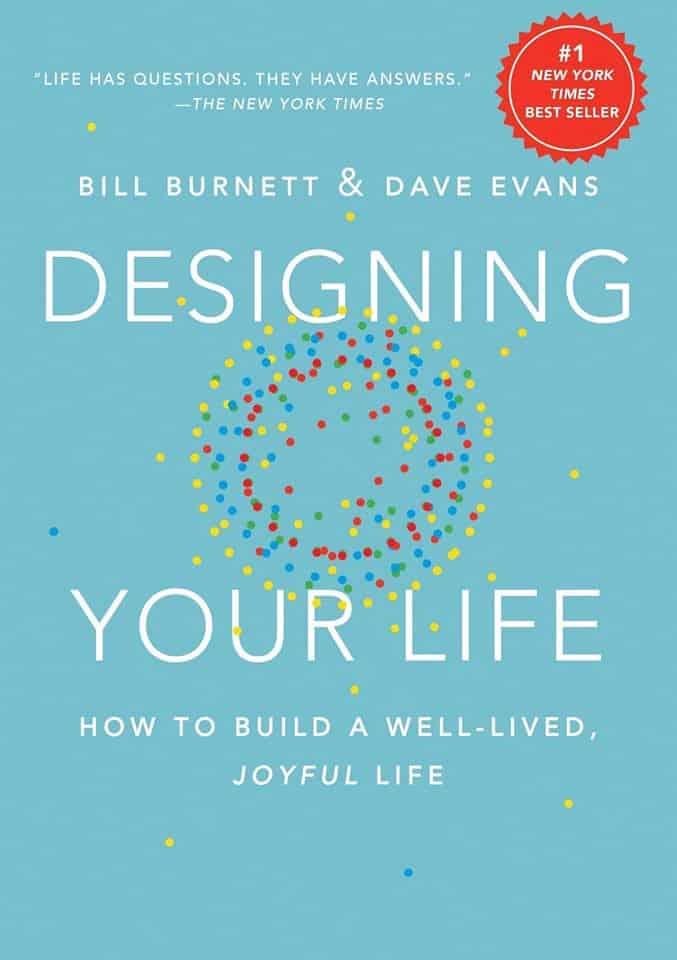
In an era defined by rapid technological shifts and constant economic flux, many individuals find themselves drifting through their careers and personal lives without a clear sense of direction. The perennial question—"What do I want to be when I grow up?"—is no longer reserved for college students; it has become a central concern for professionals at every stage of their journey. Recently, a growing movement toward intentional life design has gained momentum, spurred in part by the seminal work of Stanford design professors Bill Burnett and Dave Evans in their book, Designing Your Life.
By applying the principles of design thinking—empathy, prototyping, and iteration—to the human experience, Burnett and Evans offer a framework for navigating uncertainty. This article explores the initial phases of this design process, drawing on the experiences of those currently working through the curriculum to uncover how a structured approach to self-reflection can catalyze meaningful life changes.
The Foundations of Life Design: Starting Where You Are
The first step in the "Designing Your Life" methodology is a radical act of honesty: starting where you are. Much like the process of auditing one’s finances to determine net worth, this stage involves a comprehensive, non-judgmental assessment of one’s current reality.
Burnett and Evans identify four critical pillars of a balanced life: health, love, play, and work. Participants are encouraged to rate each of these areas and provide a narrative description of their status. This exercise is not intended to be immediately actionable; rather, it serves as a "you are here" marker on a map. By establishing a baseline, individuals can begin to identify the discrepancies between their current state and their desired future. This snapshot provides the necessary clarity to move beyond vague dissatisfaction and toward specific, intentional change.
Building a Personal Compass: Workview and Lifeview
Once the current state is established, the design process moves toward navigation. The second chapter of the methodology introduces the creation of a "Workview" and a "Lifeview." These mini-essays serve as a metaphorical compass, offering a consistent point of reference when faced with the inevitable forks in the road of life.
The Philosophy of Work
The Workview is a statement of purpose regarding one’s professional contributions. It forces the writer to grapple with the "why" of their labor. For many, this involves reconciling the necessity of earning a living with the desire for personal fulfillment.
Craig, a long-term colleague and participant in this study, views work as a balance between financial stability and the pursuit of "right livelihood"—a Buddhist concept centered on work that does not cause harm and contributes to the restoration of natural systems. Similarly, J.D., another practitioner of this method, views work as an intersection of personal fulfillment and societal contribution, often referred to as ikigai. Both individuals prioritize tangible output and the ethical implications of their labor, signaling a departure from traditional corporate models that emphasize status and wealth above all else.
The Meaning of Life
The Lifeview is a deeper exploration of existential purpose. It invites individuals to define their core values, their relationship with the broader world, and their moral framework. In discussions between Craig and J.D., a striking alignment emerged. Both participants concluded that life possesses no inherent, pre-written meaning. Instead, they embrace the freedom to construct their own purpose.
Their shared values—kindness, curiosity, mutual aid, and rational self-centeredness—highlight a growing trend toward valuing "social capital." This term, popularized by Robert Putnam’s Bowling Alone, refers to the networks of relationships that allow society to function effectively. The participants identified a troubling decline in this capital within modern society, exacerbated by digital isolation, and they expressed a shared desire to use their "Lifeviews" to foster stronger community bonds.
Chronology of the Design Journey
The process of designing one’s life is inherently iterative. For those embarking on this journey, the following timeline outlines the structured approach:

- Phase One: Audit (Week 1): The initial assessment of the four pillars (health, love, play, work). This establishes the "Current Reality" snapshot.
- Phase Two: Orientation (Week 2): The drafting of the Workview and Lifeview essays. This phase is designed to reveal hidden biases and core beliefs.
- Phase Three: Engagement (Weeks 3-6): The implementation of the "Good Time Journal." During this period, participants log their daily activities, specifically noting moments of high engagement and energy.
- Phase Four: Synthesis (Week 7+): Mind-mapping the data from the journal to identify patterns and potential "prototypes" for future life directions.
This methodical approach prevents the paralysis that often accompanies "big" life decisions. By breaking down the nebulous concept of "purpose" into manageable tasks, participants maintain momentum.
Supporting Data: The Value of Community and Mentorship
The success of the "Designing Your Life" framework appears to be significantly bolstered by communal accountability. The collaborative nature of the process—where friends and partners discuss their findings—serves as a catalyst for deeper introspection.
When comparing notes, participants often find that shared academic or ideological backgrounds lead to similar conclusions. For instance, the recurring theme of "not unto ourselves alone are we born" (the motto of Willamette University) appears to be a guiding principle for those who share similar worldviews. This suggests that while the design process is personal, the context in which one develops their values plays a massive role in their eventual goals.
The inclusion of external perspectives, such as those found in Stephen Cope’s The Great Work of Your Life or the concept of ikigai, provides a intellectual scaffolding that prevents the exercise from becoming overly introspective or self-indulgent.
Implications for Modern Professional Development
The broader implication of this study is that professional satisfaction is inextricably linked to personal alignment. Traditional HR models of career planning often focus on skills and job titles, but the "Designing Your Life" approach posits that an individual’s professional path will only be sustainable if it is rooted in their fundamental Lifeview.

The Shift Toward Intentionality
As the global workforce continues to shift toward remote work and freelance models, the ability to "self-design" becomes a critical survival skill. Professionals who possess a clear compass—a documented set of values and an understanding of what energizes them—are better equipped to pivot during economic downturns.
Filling the Gaps in Traditional Education
There is a notable gap in contemporary education regarding "purpose-finding." While students are taught how to perform specific roles, they are rarely taught how to build a life that supports their psychological and emotional needs. The adoption of these design exercises into corporate workshops and coaching programs could represent a significant shift in how we approach human capital management, moving from "productivity-first" to "purpose-first" models.
Conclusion: Looking Ahead
The journey of life design is not a destination but an ongoing practice. As the participants move into the next phase—keeping a "Good Time Journal"—they will begin to collect data on their actual daily lives, moving from abstract philosophy to tangible evidence. This transition from reflection to data-gathering is where the "design" truly happens.
By treating life as a series of prototypes rather than a fixed trajectory, individuals can alleviate the fear of failure. If one path does not lead to the desired outcome, it is merely data to be incorporated into the next iteration. For those feeling lost, the message is clear: start where you are, build your compass, and remain open to the process of becoming. In the end, the most important design project we will ever undertake is the one we build for ourselves.