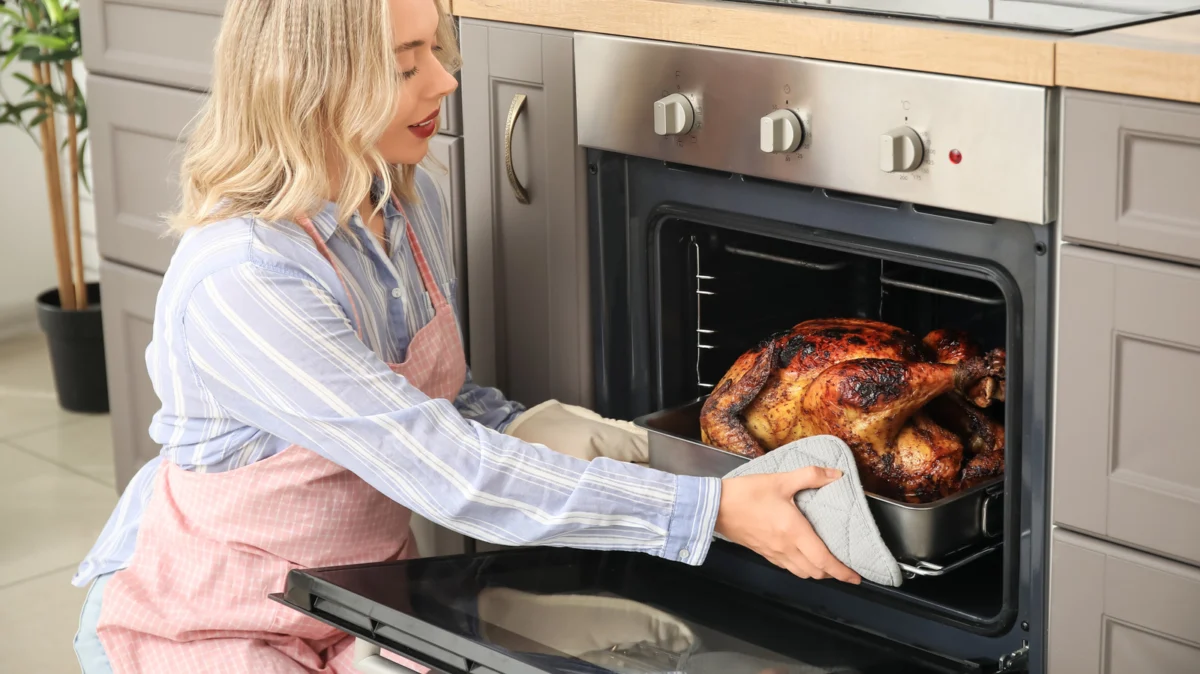
The kitchen oven is the undisputed heart of the culinary home. From the early morning tray of muffins to the late-night roast or a quick air-fried snack, our ovens facilitate our daily nutrition and comfort. Yet, despite being the workhorse of the kitchen, it is frequently the most neglected appliance when it comes to hygiene. While most home cooks are diligent about wiping down the stovetop or clearing crumbs from the toaster, the interior of the oven is often relegated to an "out of sight, out of mind" status.
However, ignoring the accumulation of grease, carbonized food particles, and spills can lead to more than just an unsightly appearance. According to expert insights, your oven may be signaling that it is time for a professional-grade deep cleaning—and ignoring these signs could compromise your air quality, your cooking results, and even the longevity of your appliance.
The Core Indicators: When to Stop Ignoring Your Oven
To understand the critical juncture between a "quick wipe" and a "deep clean," we consulted Alexis Rochester, an investigative chemist and the founder of Chemistry Cachet. Rochester highlights three distinct "red flags" that indicate your oven is past the point of casual maintenance.
1. Persistent Smoke During Operation
If you find yourself reaching for the fire extinguisher or opening every window in the kitchen every time you preheat your oven, you have a problem. While a small amount of smoke can be normal when cooking fatty proteins at high heat, recurring smoke during standard baking cycles is a definitive sign of carbonized food buildup. When old spills are reheated, they undergo a process of pyrolysis, effectively burning again and releasing smoke into your kitchen.
2. Uneven Cooking Performance
Have you noticed that your cookies are brown on one side and raw on the other, or that your roasts seem to take significantly longer than the recipe suggests? A dirty oven is an inefficient oven. Heavy grease buildup on the walls, floor, and even the convection fan can interfere with heat distribution. A clean oven interior reflects heat properly, whereas a crusty, carbon-coated interior absorbs or obstructs it, leading to inconsistent temperature regulation.
3. The "Burnt Smell" Upon Activation
Even if you aren’t actively cooking a meal, turning the oven on to preheat should not result in an acrid, burnt odor. If your kitchen smells like a charcoal grill the moment the heating element kicks in, it is a clear indicator that food debris—likely trapped in the bottom tray or near the heating element—is being scorched.
The Science of Buildup: Why Delaying Cleaning Is Dangerous
"This can be troubling because it can impact indoor air quality," Rochester explains. "It might also be a sign of something more serious, like a mechanical issue. This is why keeping your oven clean is important!"
From a chemical perspective, the longer food residue remains in the oven, the more difficult it becomes to remove. Every time you turn the oven back on, you are essentially "curing" the grease onto the metal surfaces. This creates a hard, polymerized layer of carbon that is resistant to standard dish soap and water.
Chronology of Maintenance: The Recommended Deep-Clean Schedule
Many homeowners wait until a catastrophic spill occurs before they decide to tackle the interior of the oven. However, preventative maintenance is far more effective than reactive scrubbing.
- Weekly Maintenance: A simple wipe-down of the glass door and the floor of the oven using a mild dish soap and water solution can prevent the buildup of fresh grease.
- Monthly Inspection: Check the heating elements and the corners of the oven for any loose debris.
- The Deep Clean Interval: Depending on your household’s cooking habits, Rochester recommends a full deep cleaning every three to six months. "The more you cook, the more often it will need to be deep cleaned," she notes. For heavy users—those who roast meats or bake multiple times a week—a quarterly schedule is essential to prevent the "hard-to-clean" stage of carbonization.
Supporting Data: Strategies for Effective Remediation
When you finally commit to the deep clean, it is important to choose methods that are effective without damaging the oven’s enamel or heating components.
Natural Solutions
For those looking to avoid harsh chemicals, a paste made of cream of tartar and water is a surprisingly effective abrasive. The mild acidity of the cream of tartar helps break down grease, while the paste consistency allows it to cling to vertical surfaces like the oven door.
Commercial Options
If the buildup is extensive, professional-grade products like The Pink Stuff Miracle Paste have gained significant traction for their ability to lift stubborn, burnt-on particles without requiring excessive elbow grease.
The Pumice Stone Debate
While many cleaning hacks suggest using a pumice stone for "crusty" ovens, experts urge caution. A pumice stone is an abrasive. If used with too much pressure or on the wrong type of surface, it can scratch the oven’s interior coating, which may lead to rust or further grease accumulation in the micro-scratches. Always test a small, inconspicuous area first and use minimal pressure.
Official Perspectives and Implications
The implications of a neglected oven extend beyond the kitchen. Poor indoor air quality is a growing concern for residential health. When an oven smokes, it releases volatile organic compounds (VOCs) and particulate matter into the living space. For families with children, the elderly, or those with respiratory sensitivities, these emissions can be particularly irritating.
Furthermore, there is a financial implication. Modern ovens use complex sensors and fans to maintain precise temperatures. When these components are coated in a layer of grease, the appliance must work harder to reach the target temperature, leading to higher energy consumption and premature wear and tear on expensive parts like the thermostat or the convection motor.
Conclusion: Establishing a Sustainable Routine
The transition from a "dirty oven" to a "spotless oven" does not have to be a monumental, day-long task. By integrating small habits—such as catching spills as they happen, using liners to prevent drips, and performing a quick weekly wipe—you significantly reduce the labor required for the quarterly deep clean.
"I like to wipe out the oven weekly or after each use," Rochester says. This simple shift in behavior is the difference between a kitchen chore that takes ten minutes and one that takes three hours of scraping. By staying ahead of the grease, you ensure that your oven remains a reliable tool for your culinary endeavors, maintaining not just the quality of your food, but the quality of your home’s air.
Whether you opt for steam cleaning with vinegar, a baking soda paste, or one of the many commercial cleaners on the market, the most important step is consistency. Your oven has served you well; it is time to return the favor with proper care.