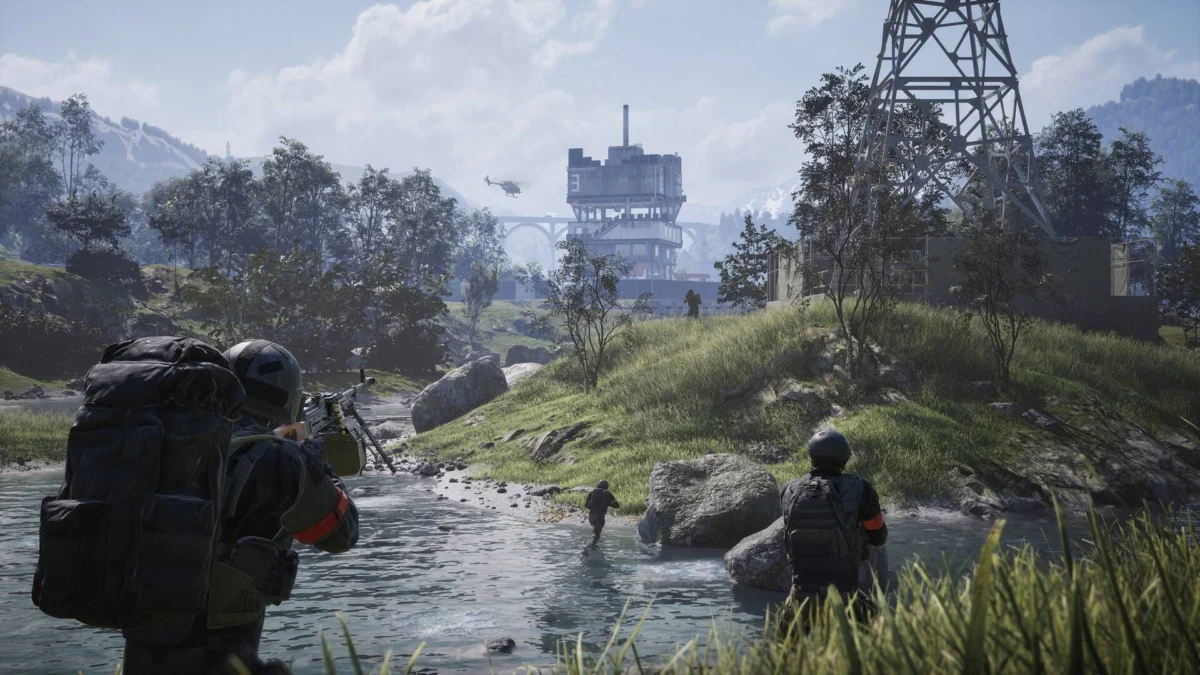
In the hyper-competitive landscape of first-person shooters (FPS), developers are often caught in a tug-of-war between two extremes: the frantic, twitch-reflex arcade gameplay of Call of Duty and the unforgiving, ultra-realistic simulation of titles like Escape From Tarkov or Hell Let Loose. Bridging this divide is Wardogs, the latest project from Bulkhead, a studio aiming to define a new sub-genre: the "tactical all-out warfare" experience designed specifically for players who value strategy over raw mechanical speed.
The Core Philosophy: "Selfish Teamwork"
At its heart, Wardogs is an ambitious multiplayer project featuring 100-player matches, fully destructible environments, a sophisticated cash-based metagame, and a progression system that mimics the grind-heavy satisfaction of RuneScape. However, the game’s most revolutionary feature might be its design philosophy, which Bulkhead CEO and co-founder Joe Brammer describes as "selfish teamwork."
In most tactical shooters, players who lack the time to practice for hours are often left behind, becoming liabilities to their team. Wardogs flips this narrative. By gamifying individual goals—such as sniping from the periphery or securing specific zones for personal profit—the game ensures that every player’s selfish pursuit of rewards inadvertently contributes to the broader team objective.
"Let’s say you just want to make in-game cash," Brammer explains. "The way you do that is by getting kills, or maybe you snipe, hanging out on the edge of the zone to pick off opposition players. Obviously, you’re getting kills, so you’re taking away from the other teams’ pool of players, but you’re also in the zone contributing to the objective."
This creates a psychological feedback loop where the player feels like they are "playing their way," yet the team dynamics remain balanced and effective.
A Chronology of Development: From Arenas to Warfare
To understand the trajectory of Wardogs, one must look at the studio’s roots. Bulkhead first garnered industry attention with Battalion 1944, a refined, high-speed arena shooter that drew heavy inspiration from classic titles like Counter-Strike and Call of Duty. In that era, the development team was composed of younger, reflex-heavy players who could dominate in the competitive scene.
However, as the years passed, the development team evolved. The transition from Battalion 1944 to Wardogs represents a fundamental shift in the studio’s internal culture.
- 2016–2018: The Battalion 1944 era. The team focuses on twitch-based mechanics, high-intensity esports viability, and fast-paced engagement loops.
- 2022–2024: The shift in focus. As the core members of Bulkhead entered their thirties, the reality of adult life—full-time jobs, parenthood, and the scarcity of free time—began to reshape their gaming habits.
- 2025–2026: The development of Wardogs. The studio officially pivots toward a "dad gamer" demographic, focusing on games that reward game knowledge and tactical positioning over frame-perfect flick shots.
- June 2026: Current status. Wardogs enters closed pre-alpha testing, with a public early access launch slated for later in the year.
The "Dad Gamer" Demographic: Redefining Skill
The term "dad gamer" is often used dismissively in the industry to imply a lack of skill, but Brammer reframes it as a shift in priorities. It is not about a lack of capability; it is about a lack of time to maintain the grueling practice schedules required to compete in modern, high-intensity shooters.
"I haven’t got time to be as good as the younger crowd now," Brammer admits. "It didn’t have to be a gap in the market for us; it just had to be something that we thought was cool. And what we knew from Battalion 1944 was, when we make games that we want to play in our evenings, we make a better game because of it."
The studio’s internal playtesting provides a fascinating look at this demographic shift. In a telling anecdote, Brammer recalls the company’s operations team—largely composed of non-gamers in their twenties—participating in playtests. Despite their lack of traditional FPS experience, they found success through communication and defensive positioning.
"When they’re playtesting, they think they’re actually in a war. They’re so afraid of dying that they sit inside a building," Brammer notes. "One of them would be like, ‘You watch the window, you watch the door,’ and they wouldn’t move. But because it matters how many people you have in the control zone, whoever had the operations team on their side was winning. There were five people just sitting there, still contributing to the team effort."
This anecdote highlights the core promise of Wardogs: creating a space where defensive, deliberate, and communicative play is just as valuable—if not more so—than aggressive, high-risk maneuvers.

Supporting Data and Features
Wardogs aims to support its philosophy through a suite of robust gameplay systems:
- Skills Progression: Inspired by the addictive nature of RuneScape, players level up skills simply by performing them. If you want to be a master of logistics, you drive vehicles; if you want to be a sniper, you take shots. This removes the "grind" of traditional XP bars and ties progression directly to active gameplay.
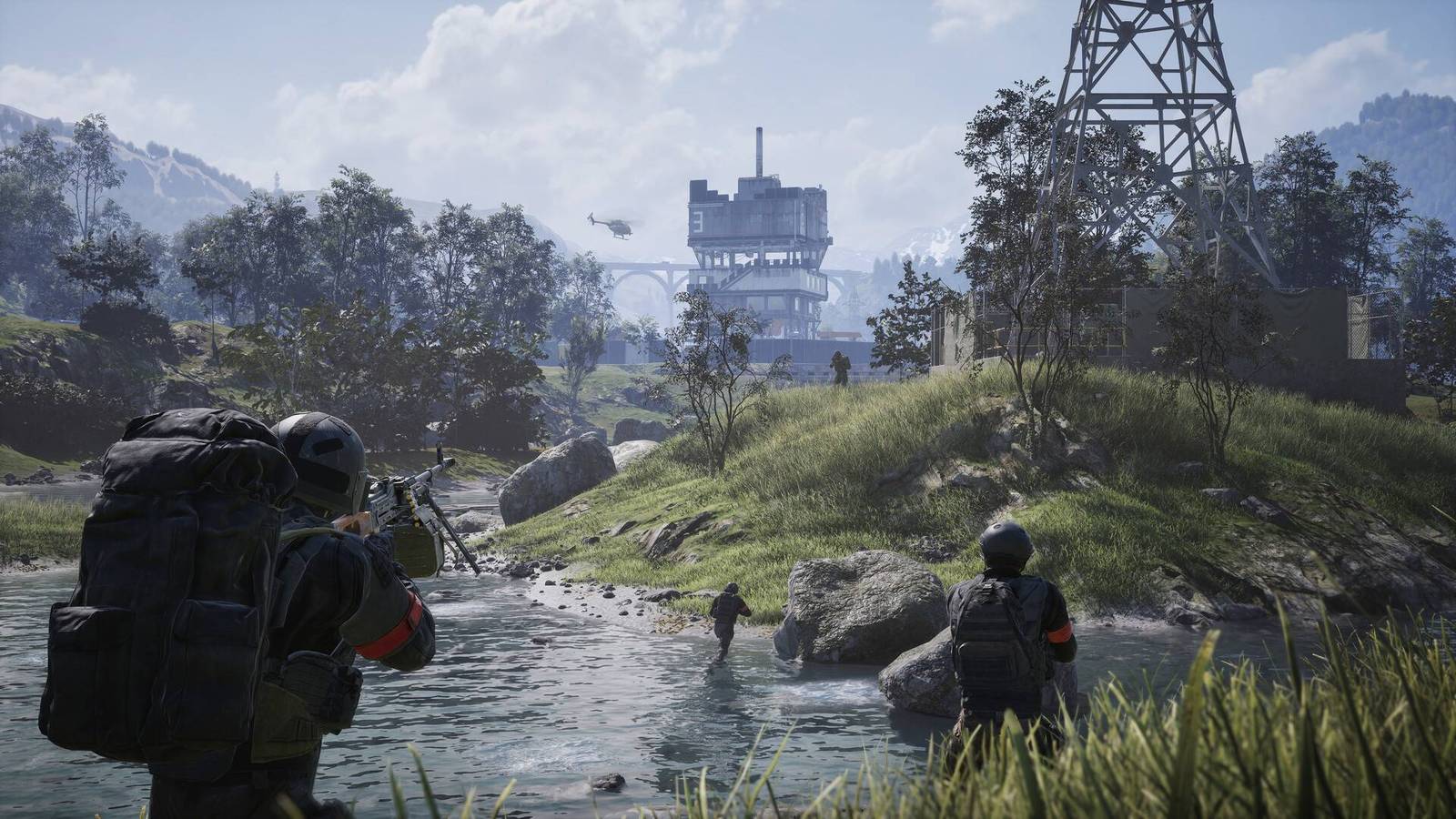
- Destructible Environments: By allowing players to reshape the battlefield, the game rewards tactical intelligence over rote map memorization. A building that was a fortress one minute can be reduced to rubble the next, forcing players to adapt on the fly.
- 100-Player Scaling: By supporting large-scale conflicts, the game ensures that individual players don’t have to carry the weight of an entire team, a common pressure in 5v5 shooters that often burns out older players.
- Base-Building: Integrating construction elements allows for permanent or semi-permanent strategic advantages, further rewarding the "slow and steady" playstyle preferred by the target audience.
Industry Implications: The Shift Toward Accessibility
The industry at large is currently grappling with a "fatigue" problem. Titles like Call of Duty: Warzone and Apex Legends have reached a level of mechanical complexity that makes them increasingly inaccessible to casual players. Wardogs represents a counter-movement: a "middle-ground" shooter that retains the scale of Battlefield but adds the depth of an RPG and the accessibility of a team-first objective system.
If Wardogs succeeds, it could signal a broader industry trend toward "lifestyle gaming," where developers prioritize the player’s retention and long-term enjoyment over the fleeting thrills of high-speed competition. By catering to the "dad gamer"—the person who has a life, a family, and limited time—Bulkhead is betting on the idea that there is a massive, underserved market waiting for a shooter that respects their time while still delivering the adrenaline of a war zone.
Final Outlook
As the game approaches its early access release, the stakes are high. Bulkhead has successfully transitioned from an arena-shooter developer into a studio capable of managing complex, large-scale systems. The success of Wardogs will hinge on whether their "selfish teamwork" mechanic can effectively balance the individual’s desire for reward with the team’s need for victory.
For now, the project remains one of the most anticipated entries in the genre. It is a testament to the idea that the best games are often the ones the developers themselves want to play, and in the case of the Wardogs team, that means a game that values, above all else, the tactical mind over the twitching trigger finger.