
The Evolution of Excellence: Inside the 2026 Audi A3 Technical and Visual Refresh

In the fiercely competitive landscape of the European compact-car segment, the Audi A3 has long served as a benchmark for premium build quality and understated sophistication. As the automotive industry pivots toward greater digital integration and electrification, Audi has unveiled a comprehensive technical and visual refresh for its A3 lineup. Arriving in showrooms in mid-September 2026, this update is not merely a cosmetic exercise; it is a fundamental recalibration of the A3’s interior environment, digital ecosystem, and driver-assistance capabilities, ensuring the nameplate remains at the vanguard of the segment.
Main Facts: A Holistic Refinement
The refresh spans the entire A3 family, encompassing the classic Sportback, the elegant Sedan, and the adventurous allstreet crossover. Furthermore, the high-performance S3 and the flagship RS3 variants receive parallel updates, maintaining their status as the athletic pillars of the range.
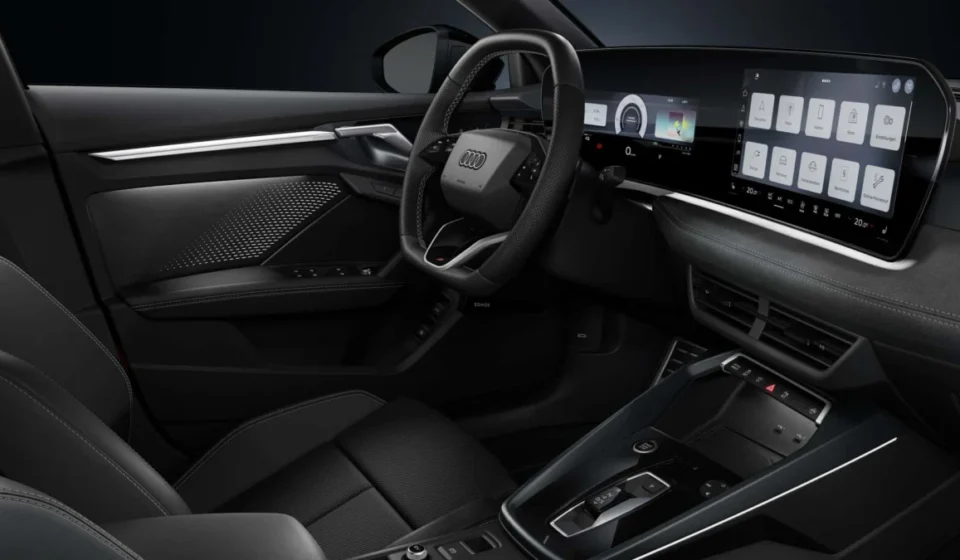
The most significant shift is found within the cabin. Audi has moved away from the traditional dashboard architecture in favor of a "panoramic" digital cockpit, centered on an 11.9-inch Virtual Cockpit and a sprawling 12.8-inch MMI touchscreen. This transition marks a departure from tactile, physical climate controls—a move that prioritizes minimalist aesthetic harmony at the potential expense of traditional haptic feedback.
Under the hood, the A3 continues to offer a versatile range of gas and diesel powertrains, alongside a sophisticated plug-in hybrid (PHEV) system that boasts significant gains in electric-only range and charging efficiency.
Chronology: The Journey to 2026
The A3’s journey toward this refresh began with the market introduction of the allstreet variant in the spring of 2024, which introduced a more rugged, crossover-oriented aesthetic to the lineup. Following the success of this model, Audi engineers spent the subsequent two years refining the vehicle’s digital infrastructure.
The development timeline focused heavily on the integration of "Functions on Demand," allowing owners to unlock software-based features over-the-air long after the vehicle has left the factory. By mid-2026, the final iteration of this refreshed A3 was locked in, balancing the needs of the traditional Audi enthusiast with the increasing demands of a tech-centric demographic.
The Redesigned Interior: A Digital Sanctuary
The cabin of the 2026 Audi A3 has been completely re-engineered to reflect a new design language. The centerpiece is undoubtedly the curved display array, which replaces the previous integrated screen with a floating, panoramic aesthetic. A wider trim inlay runs seamlessly across the dashboard, creating a horizontal emphasis that makes the cabin feel wider and more open.
Audi has placed a premium on material variety. Owners can now select from four distinct interior material themes, including premium carbon fiber for a sporty aesthetic, Dinamica microfiber for a sustainable luxury feel, and unique textile options such as "Impressum Black" and "Light Crepe."
However, the transition to an all-digital interface is the most contentious element of the design. By eliminating physical buttons for climate control, Audi is leaning into a streamlined, clean dashboard. To offset this, the center console has been ergonomically revised; the phone storage compartment now faces the driver directly and includes a 25-watt wireless charging pad, signaling Audi’s commitment to smartphone-centric usage. The steering wheel, too, has been updated with new multifunction controls featuring mechanical rollers, available in both double-spoke and performance-oriented flat-bottomed configurations.
Supporting Data: Intelligence and Assistance
Audi’s commitment to safety is evident in the reorganization of its driver-assistance systems into three tiered packages: Tech, Tech Plus, and Tech Pro.
Adaptive Driving Assistant Plus
The crown jewel of these systems is the Adaptive Driving Assistant Plus. Capable of operating at speeds up to 130 mph, this system facilitates both longitudinal and lateral control. It doesn’t just react to the car in front; it uses swarm data to adjust vehicle speed based on the average pace of traffic on a specific route. Furthermore, the system enables:
- Automatic Lane Changes: Activated via the turn signal, the vehicle manages the maneuver independently.
- Intelligent Traffic Management: The car can automatically slow down for red lights and resume movement once the light turns green.
- Urban Lane Guidance: Using online data, the system can maintain lane positioning in rural and urban areas, even where lane markings are faded or non-existent.
The Parking Revolution
Parking has been transformed through the Park Assist Pro system. Utilizing four wide-angle cameras to generate a 3D, 360-degree view, the car can autonomously identify and execute parking maneuvers into parallel and perpendicular spaces. Perhaps most impressively, the "Trained Parking" feature allows users to record up to five specific parking maneuvers—each up to 164 feet long—which the vehicle can then replicate automatically.
Official Responses and Strategic Implications
Audi’s strategy with the 2026 A3 reflects a broader industry trend: the monetization of vehicle software. Through the "Functions on Demand" program, Audi is shifting its business model. Features such as specialized audio playback optimization and virtual surround-sound functions can be activated post-purchase. This provides flexibility for owners while creating a recurring revenue stream for the manufacturer.
From a performance standpoint, Audi remains steadfast in its dedication to driving dynamics. The S3, with its 328-hp turbocharged engine, and the RS3, with its iconic 394-hp five-cylinder powerplant, both utilize a sophisticated torque-splitter system on the rear axle. This hardware, paired with the new digital daytime running light signatures—which allow drivers to choose between four distinct patterns—ensures that the performance models retain their emotional, visceral appeal despite the increased focus on digital convenience.
Economic Outlook: Pricing and Market Positioning
The launch of the refreshed A3 signals a clear intent to dominate the premium compact segment. In the German market, the entry-level A3 Sportback will start at €31,850. The plug-in hybrid variants, which represent a significant technological leap with up to 89 miles of electric-only range (WLTP) and 30-minute DC fast-charging capability, are positioned at €45,350.
For those seeking the pinnacle of performance, the S3 is priced at €57,200, while the high-performance RS3 commands a premium of €68,500. These prices reflect the added value of the upgraded driver-assistance hardware, the enhanced digital cockpit, and the increased towing capacity of the hybrid models, which has grown by 661 pounds to 3,748 pounds.
Implications for the Future
The 2026 Audi A3 refresh serves as a case study for the "digital-first" vehicle. By merging high-performance engineering with an increasingly software-defined user experience, Audi is betting that the modern consumer values connectivity and automated convenience as much as horsepower.
The decision to move climate controls to the screen and rely on swarm data for adaptive cruise control shows that the barrier between consumer electronics and automotive engineering has effectively vanished. As the A3 hits the road in September 2026, the true test will be whether this blend of traditional Audi quality and cutting-edge digital integration resonates with the brand’s loyal base. If the early reception to the refined allstreet and hybrid models is any indication, the A3 is well-positioned to maintain its status as the king of the compact luxury segment for years to come.