
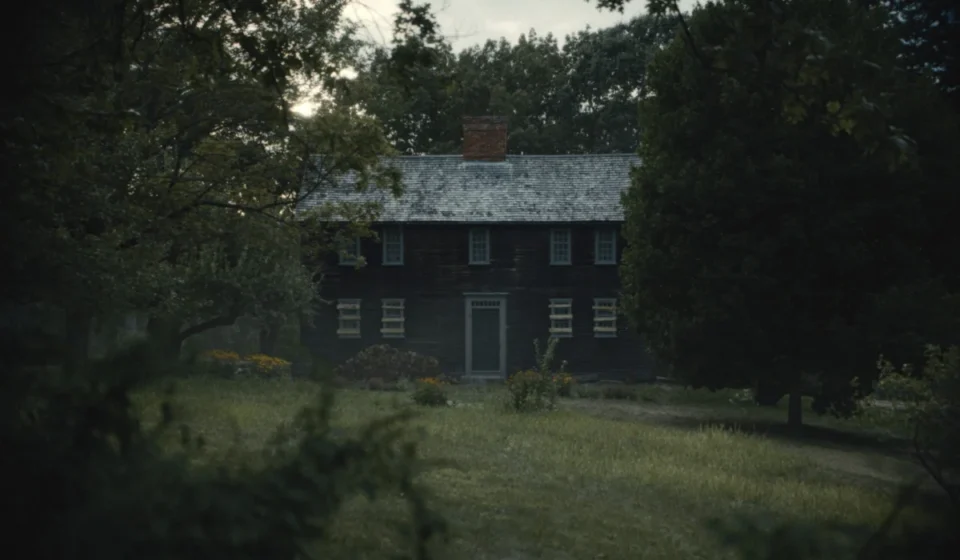
The Haunted Success of ‘Widow’s Bay’: Why Apple TV’s Genre-Bending Thriller is the Streaming Event of 2026

In the increasingly crowded landscape of prestige streaming, few series manage to capture the cultural zeitgeist with the sudden, atmospheric gravity of Widow’s Bay. Since its premiere, the Apple TV+ original has transformed from a quiet dark-horse contender into the streaming giant’s undisputed titan of 2026. With the first season having reached its conclusion just last week, the industry buzz surrounding the show has transitioned from speculative praise to concrete celebration: Apple has officially renewed Widow’s Bay for a second season, a move that was finalized well before the season one finale even graced screens—a testament to the series’ unprecedented viewership metrics and critical acclaim.
The Premise: A Collision of Bureaucracy and the Supernatural
At its core, Widow’s Bay is a masterclass in tonal dissonance. The narrative follows Tom Loftis, portrayed with weary, grounded charm by Matthew Rhys. As the newly installed mayor of the titular New England island town, Loftis arrives with the earnest, perhaps naive, intention of revitalizing the local economy. His agenda is mundane: fix the spotty Wi-Fi, boost the tourism industry, and modernize the town’s crumbling infrastructure.
However, the town of Widow’s Bay is not merely a geographic location; it is a character unto itself, steeped in the suffocating weight of a centuries-old curse. As Loftis attempts to drag the island into the 21st century, his pragmatic, secular worldview is systematically dismantled. The series expertly blurs the lines between administrative comedy—highlighting the absurdity of local politics—and creeping, psychological horror. As the town’s ancient myths begin to manifest in increasingly visceral ways, Loftis finds himself caught in a existential vice, forced to reconcile his desire for progress with a reality that defies the laws of nature.
A Chronology of a Breakout Hit
The trajectory of Widow’s Bay has been meteoric. The series was developed by Katie Dippold, whose pedigree in balancing humor and high-stakes tension—honed during her tenure on Parks and Recreation—serves as the show’s narrative spine.
- Developmental Phase: Apple TV+ greenlit the project under the watchful eye of Hiro Murai, whose visual language has defined modern classics like Atlanta and Station Eleven.
- The Premiere: Upon its debut earlier this year, the show was immediately noted for its atmospheric cinematography and the sharp, dry wit of its script.
- Mid-Season Surge: By episode four, data aggregators indicated that Widow’s Bay was experiencing a rare "word-of-mouth" amplification, with social media discourse focusing on the show’s intricate mysteries and the magnetic performances of its ensemble cast, which includes Kate O’Flynn, Stephen Root, and Dale Dickey.
- The Renewal: Recognizing the momentum, Apple TV+ announced the season two renewal in mid-June, mere days before the season one finale, signaling a level of institutional confidence rarely seen in the current cost-cutting streaming climate.
The Architectural Blueprint: Why the Show Works
The success of Widow’s Bay is not accidental; it is the result of a deliberate, ambitious creative experiment. Hiro Murai, who directed five of the season’s episodes, has been instrumental in shaping the show’s identity. In a recent interview, Murai spoke to the challenges of the production: "I tend to gravitate towards stories about people who are sort of at odds with their environment, who are feeling kind of displaced or disconnected, and a lot of the surreal terror that comes out of that disconnection."
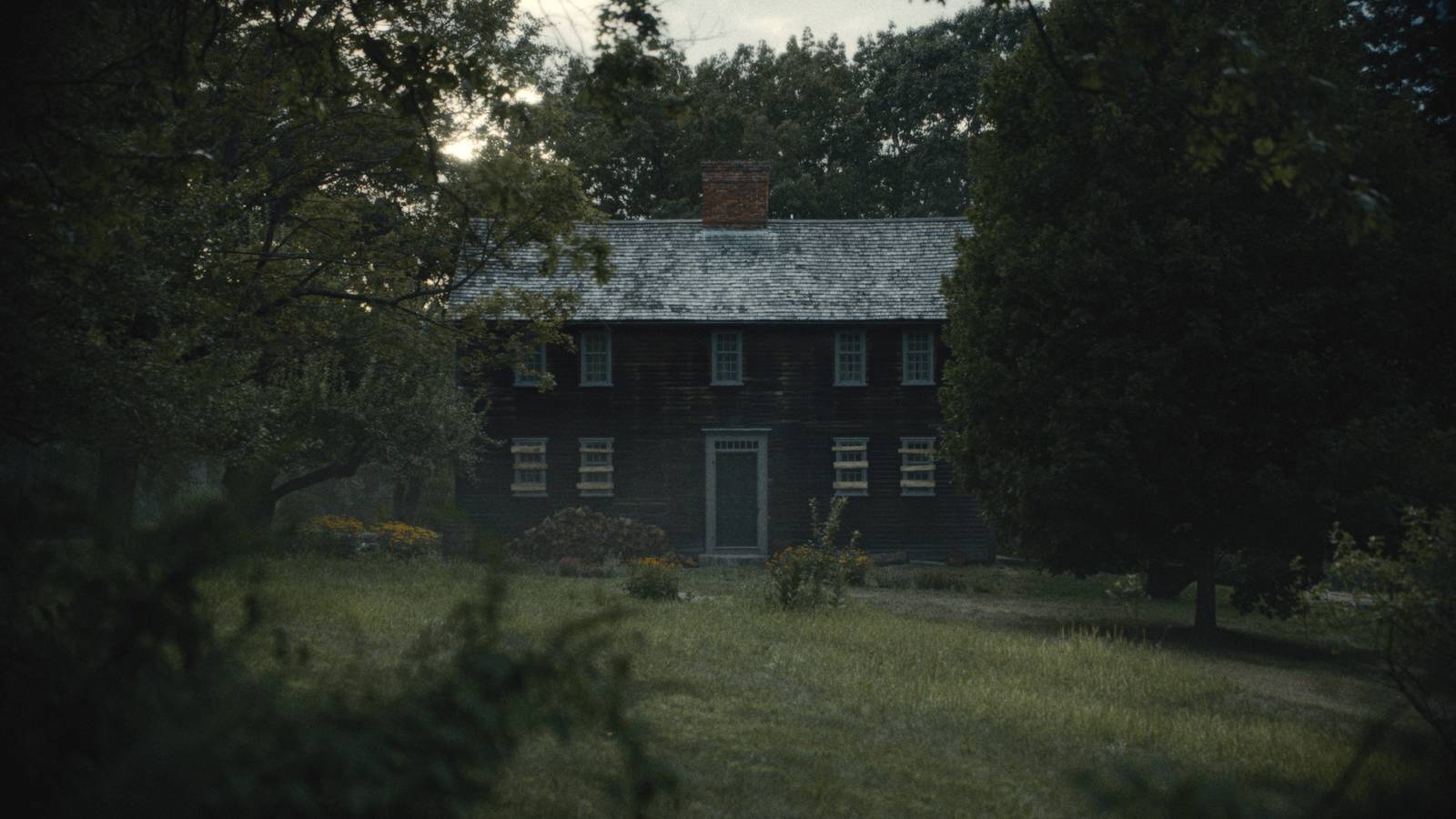
The "surreal terror" Murai references is achieved through a painstaking balance of genre elements. The show is neither a pure comedy nor a pure horror; it occupies a liminal space where the absurdity of a town council meeting can pivot, in a single cut, to a scene of profound, existential dread. For the production team, the challenge was ensuring that neither element undercut the other. "There were a lot of questions about whether this could be pulled off," Murai admitted. "The tonal balance felt really difficult to execute. The ambition of trying to be both felt really exciting and sort of new."
Official Responses and Creative Vision
The executive suites at Apple have been effusive in their praise for the series. Matt Cherniss, head of programming at Apple TV+, noted the unique appeal of the project in his official statement regarding the renewal. "From the moment audiences arrived in Widow’s Bay, they’ve been hooked on every eerie mystery, unexpected laughs, and cursed secret that Katie, Hiro, Matthew, and the entire team have created," Cherniss remarked. "It’s become one of those shows everyone’s talking about, and we’re thrilled to see audiences continue to embrace it."
Creator Katie Dippold has maintained a cryptic, yet playful, outlook on the show’s future. In a statement following the announcement of her new multiyear deal with Apple, she teased the trajectory for the sophomore season: "Season two is about how everything is great on the island and there’s nothing to worry about." While delivered with a wink, this statement hints at the "calm before the storm" aesthetic that will likely define the upcoming episodes.
Character Dynamics: The Ensemble of the Damned
While Matthew Rhys anchors the series as the beleaguered Mayor Loftis, the depth of the supporting cast has been vital to the show’s longevity. The interplay between the local residents—who seem to know more than they let on—and the outsider officials provides the show with its most compelling dramatic tension.
Looking ahead to season two, there is already significant speculation regarding character arcs. Murai has expressed a particular fascination with the enigmatic lighthouse keeper, Garrett. "I’m sort of obsessed with Garrett," Murai noted. "I don’t know if he can sustain an episode or what I want out of an episode with Garrett, but I am very curious to learn more about him." This interest from the director suggests that season two may delve deeper into the periphery characters who populate the darker corners of the island.

Implications for Apple TV+
The success of Widow’s Bay is not an isolated incident but rather a continuation of a larger, strategic victory for Apple TV+. In a year where competitors have struggled to find consistent hits, Apple has carved out a niche as the premier destination for high-concept genre television. Shows such as Severance, Silo, For All Mankind, and the recent Pluribus have established a brand identity rooted in intellectual curiosity, visual prestige, and uncompromising storytelling.
By securing Widow’s Bay for an extended run, Apple is reinforcing its commitment to "showrunner-driven" television. The multiyear deal signed with Dippold suggests that Apple is looking to build a long-term pipeline of high-quality content, moving away from the "one-and-done" limited series model that has dominated streaming in recent years. This shift indicates a belief in the power of world-building—the idea that if an audience is hooked on the world of a show, they will remain loyal viewers for years to come.
The Cultural Impact and What’s Next
As the dust settles on the season one finale, the cultural impact of Widow’s Bay is clear. It has become a reference point for how to successfully execute "elevated genre" content—a term often bandied about in Hollywood but rarely realized with such precision.
The show’s refusal to provide easy answers, combined with its willingness to embrace the absurd, has created a fertile ground for fan theorizing and deep-dive analysis. In an era where viewers are often overwhelmed by content, Widow’s Bay has managed to make itself "appointment television." Whether it is through the meticulous production design of the titular island or the nuanced, layered performance of Matthew Rhys, the show demands the audience’s full attention.
As we look toward the horizon of season two, the questions remain: What is the true nature of the curse? Is it a supernatural entity, or a collective psychological manifestation of the islanders’ isolation? And more importantly, can Mayor Loftis ever truly bring the Wi-Fi to a town that seems determined to remain disconnected from the modern world?
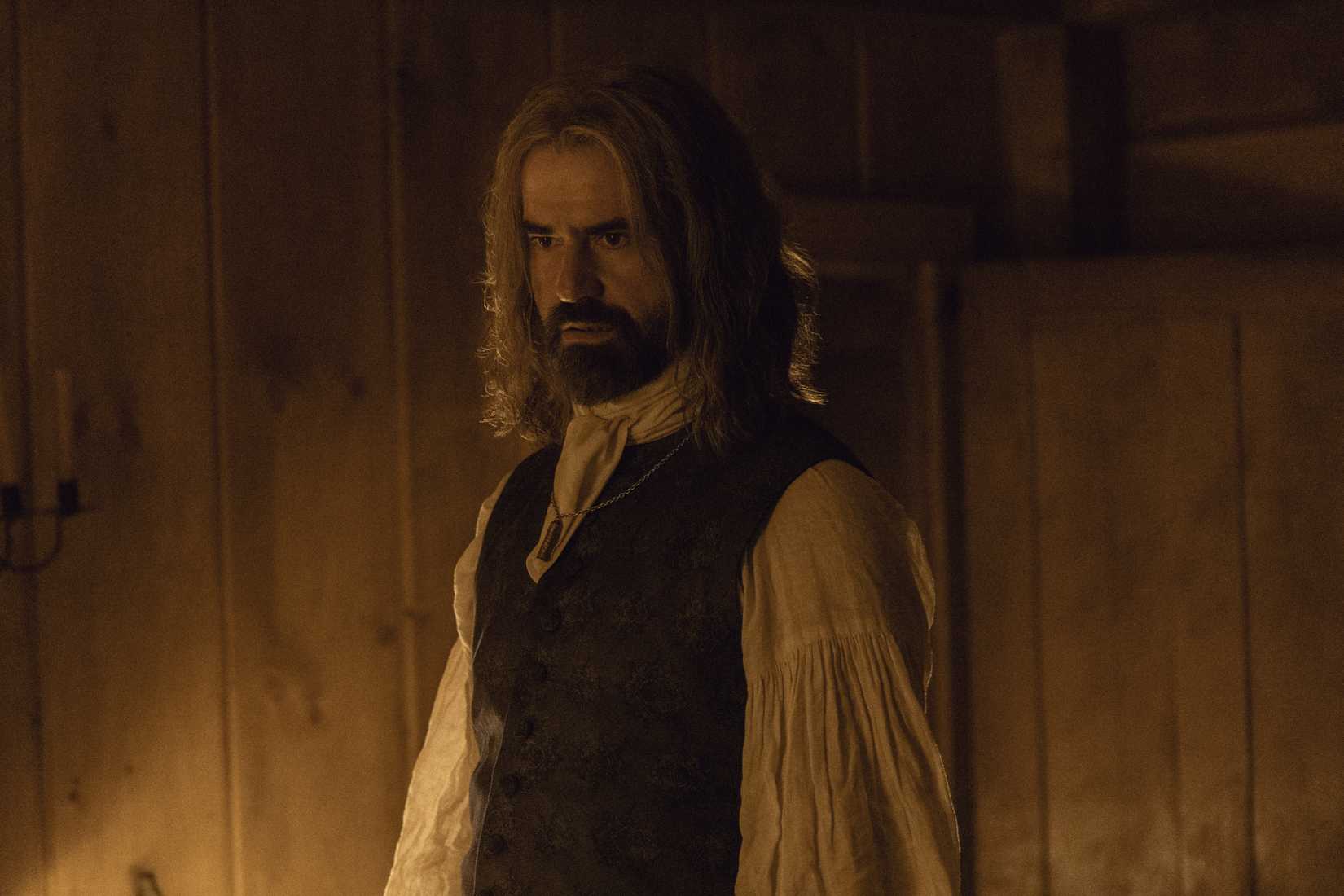
If the first season is any indication, the answers will be as terrifying as they are humorous. For now, the residents of Widow’s Bay—and the audience that has fallen in love with them—are waiting for the next chapter. One thing is certain: everything is definitely not "great" on the island, and that is exactly why we will be watching.
Widow’s Bay season 1 is currently available for streaming in its entirety on Apple TV+.