
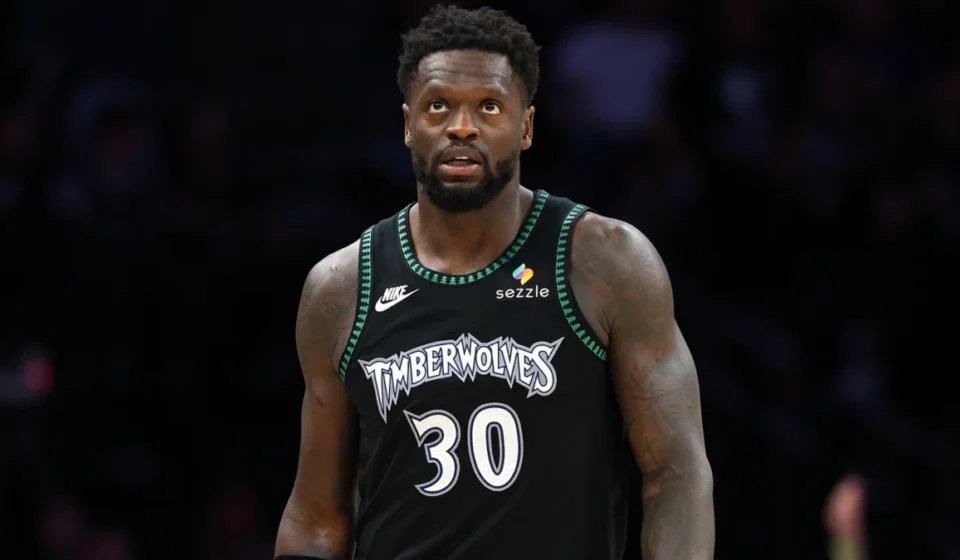

In a flurry of activity that briefly shifted the gravity of the 2026 NBA offseason, the Minnesota Timberwolves, Brooklyn Nets, and Chicago Bulls orchestrated a significant three-team trade late Monday night. The move, which centered on former All-Star Julius Randle, signals a clear change in philosophy for the Timberwolves, a desperate pivot for the Nets, and a calculated roster-building gamble for the rebuilding Bulls.
The transaction, which occurred just moments before the Miami Heat dominated the headlines with their blockbuster acquisition of Giannis Antetokounmpo, has left analysts scrambling to decipher the long-term ramifications for the Eastern and Western Conferences.
The Core Transaction: A Summary of Movements
The framework of the deal is multifaceted, involving draft capital and veteran talent. The primary components are as follows:
- Minnesota Timberwolves: Send Julius Randle and the No. 28 overall pick in the 2026 NBA Draft to the Brooklyn Nets. In return, they acquire the No. 33 overall pick (the third pick in the second round) from Brooklyn and create a massive $33.33 million trade exception.
- Brooklyn Nets: Acquire Julius Randle and the No. 28 pick from Minnesota. They part ways with center Nic Claxton, who is headed to Chicago.
- Chicago Bulls: Acquire Nic Claxton, absorbing his contract into their significant available salary cap space without sending players back in the immediate deal.
A Chronological Look at the Deal
The trade, finalized late Monday evening, marks the culmination of weeks of front-office maneuvering. For the Minnesota Timberwolves, the decision to move Randle was not a sudden impulse but the conclusion of an internal evaluation following their second-round exit from the 2026 playoffs.
The timeline began with the Timberwolves seeking a path to improve their financial flexibility. Having invested heavily in a roster that peaked with back-to-back Western Conference Finals appearances in 2024 and 2025, Minnesota found themselves stifled by the NBA’s stringent second-apron restrictions. By Monday afternoon, negotiations between Minnesota, Brooklyn, and Chicago had reached a tipping point. As the draft loomed, all three teams finalized the terms, clearing the way for the Timberwolves to re-sign key asset Ayo Dosunmu to a five-year, $112 million extension shortly after the deal was reported.
Supporting Data: Why the Move Was Made
The statistical case for the trade lies in the stark contrast between Minnesota’s offensive output with and without Randle, combined with the growing effectiveness of Naz Reid.
Efficiency Comparison (Randle vs. Reid)
| Lineup | Minutes | Off. Rtg. | Def. Rtg. | Net Rtg. |
|---|---|---|---|---|
| Randle ON / Reid OFF | 1,492 | 118.6 | 112.8 | +5.9 |
| Reid ON / Randle OFF | 913 | 110.9 | 107.2 | +3.7 |
While the raw numbers suggest the team was slightly more productive offensively with Randle, the defensive stability provided by Reid—coupled with his trajectory—convinced Minnesota’s brass that a transition was necessary. Randle’s struggles in the 2026 postseason, where he shot just 34.2% from the field against the San Antonio Spurs, were the final nail in the coffin for his time in Minneapolis.
For the Nets, the move is a statistical bet on veteran production. Having bottomed out with a 20-62 record in 2025-26, Brooklyn needed a high-volume scorer. Despite his inconsistencies, Randle has maintained an average of 20+ points per game in five of the last six seasons, providing the Nets with a legitimate offensive focal point for the first time in years.
Official Front Office Perspectives
While official press conferences are pending, the maneuvers speak volumes about the internal logic of each franchise.
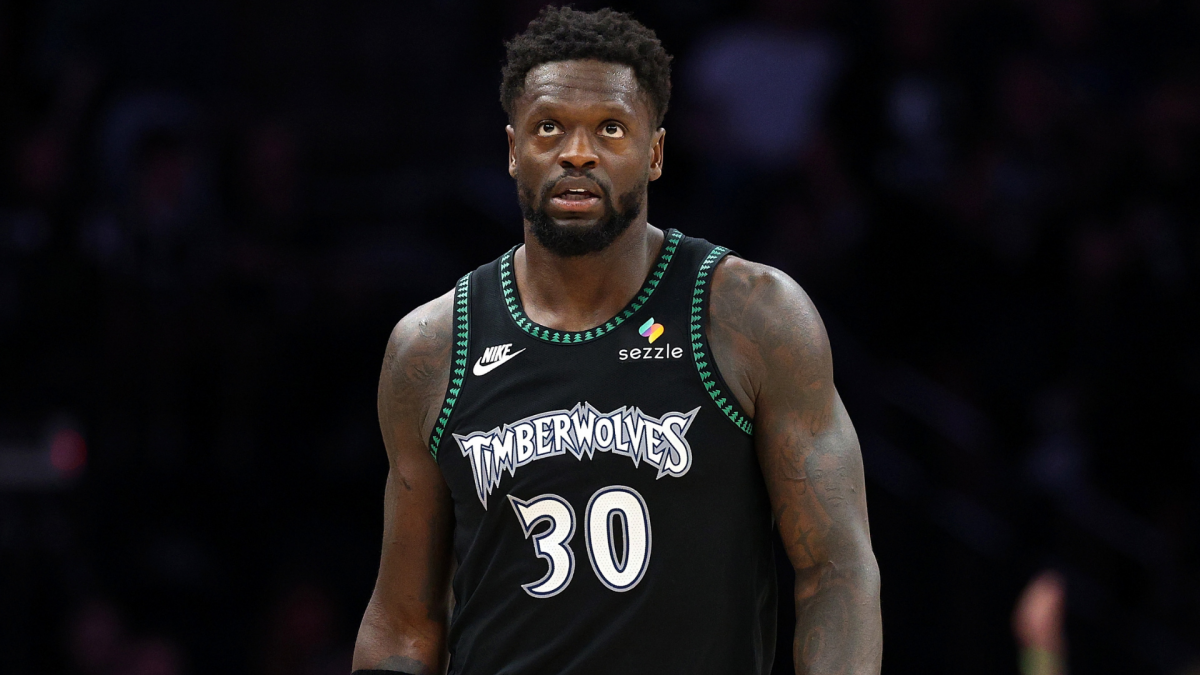
Minnesota: The Pivot to Flexibility
The Timberwolves’ front office has clearly prioritized long-term cap health over short-term star power. By moving Randle, the team dropped $63 million under the second apron and $43 million under the luxury tax. This level of breathing room was essential to retaining Ayo Dosunmu. The creation of a $33.33 million trade exception acts as a "war chest," allowing the Timberwolves to aggressively pursue a different archetype of player before the trade deadline.
Brooklyn: Breaking the Cycle of Irrelevance
Brooklyn’s decision to move on from Nic Claxton was not made lightly. However, the Nets were in a state of stagnation. After the failed "Superteam" era of Durant, Harden, and Irving, the organization found itself with an abundance of draft picks but a lack of identity. General manager Sean Marks has signaled that the team is no longer interested in the "tanking" model. By bringing in a proven All-Star like Randle, they are attempting to restore a winning culture and provide a veteran anchor for a roster that was arguably the most rudderless in the league last season.
Chicago: The New Era
The Bulls are currently undergoing a total systemic reset. With the hiring of Tiago Splitter as head coach and the appointment of Bryson Graham as executive vice president, the organization is cleaning house. Acquiring Claxton is a low-risk, high-reward move. They have the cap space to absorb his salary without sacrificing their future, and they are betting that the 27-year-old center can regain his form when paired with the elite playmaking of Josh Giddey.
Implications for the League
1. The Timberwolves’ "New Look"
Minnesota is officially transitioning to the "Naz Reid Era." Reid, the reigning Sixth Man of the Year, has proven to be a fan favorite and a tactical fit for the modern game. Moving him into the starting lineup allows Minnesota to play faster and with more defensive versatility. If they can utilize their trade exception effectively, they may actually emerge as a more dangerous team in the West than they were with the Randle-led rotation.
2. Brooklyn’s Play-In Aspirations
The Nets are clearly positioning themselves to challenge for a spot in the Play-In Tournament. With Randle and Michael Porter Jr. leading the charge, the Nets have a legitimate puncher’s chance to remain competitive in the East. While they are unlikely to challenge the conference elite, they have effectively ended the "rebuild-at-all-costs" phase of their cycle.
3. The End of the "Tanking" Era
Perhaps the most significant takeaway from this trade is how it reflects the NBA’s new economic landscape. Between the second-apron penalties and the league’s anti-tanking initiatives, teams are finding that bottoming out is no longer a viable path to success. The Nets and the Bulls both utilized their cap space to acquire talent rather than sitting on their hands, signaling a shift in how mid-tier teams approach the offseason.
Final Analysis: The Verdict
The trade is a fascinating study in contrast. The Timberwolves have accepted a slightly lower ceiling in exchange for long-term fiscal stability and a change in team culture. The Nets have chosen to accelerate their timeline, trading away a defensive staple in Claxton to gamble on the erratic brilliance of Randle. Meanwhile, the Bulls have quietly executed the smartest move of the bunch, acquiring a starting-caliber big man for free using nothing but their cap space.
As the dust settles, one thing is certain: the 2026-27 season will look very different for these three franchises. Minnesota must now prove that their roster depth can compensate for the loss of a 20-point scorer, while Brooklyn and Chicago must demonstrate that their new additions can catalyze a return to relevance. The off-season has only just begun, but with this deal, the hierarchy of the league has been nudged into a new, more uncertain, and infinitely more interesting configuration.