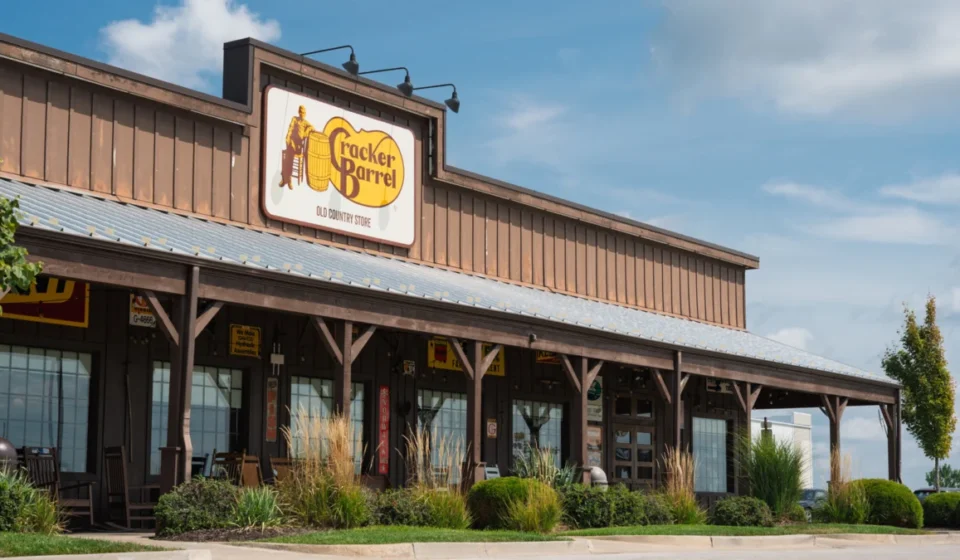

For generations, Cracker Barrel Old Country Store has served as a sanctuary of Southern-style comfort. With its iconic front porch rocking chairs, peg games, and a menu anchored by staples like chicken fried steak and meatloaf, the chain has built a brand identity around consistency and nostalgia. However, for a dedicated subset of diners—and a vocal contingent of former employees—there is a gaping hole in the Cracker Barrel legacy: the legendary ribeye steak.
Though the restaurant continues to feature beef on its menu today, the absence of the ribeye remains a frequent topic of conversation on internet forums and social media, marking a shift in the chain’s culinary evolution.
The Main Facts: A Beloved Menu Staple
For decades, the Cracker Barrel ribeye was something of an anomaly in the fast-casual landscape. While the chain was never positioned as a high-end steakhouse, it managed to deliver a product that consistently exceeded expectations.
According to anecdotal evidence from long-time customers, the steak was not merely a filler item; it was a primary draw. The consensus among fans is that the ribeye was distinguished by its preparation. Unlike the stovetop-seared steaks found in many casual chains, Cracker Barrel’s ribeye was traditionally cooked on a char-broiler. This specific method of cooking imparts a distinct, smoky flavor and creates a charred, textured crust that locks in the juices of the meat, elevating the "buttery beefiness" that defines a high-quality ribeye.
Chronology: The Rise and Fall of the Ribeye
To understand the significance of the loss, one must look at the timeline of the dish’s presence on the menu.
The 1990s: The Golden Era
Former employees who worked for the chain during the 1990s recall the ribeye as a central component of the dinner menu. During this period, the chain reportedly served 10-ounce portions of USDA Choice, wet-aged beef. At the time, the menu was smaller and more focused on traditional "country" staples, and the ribeye sat comfortably alongside T-bone steaks as a premium dinner option.
The 2010s: A Resilient Favorite
Despite changing market trends and the increasing costs of beef, the ribeye managed to survive well into the late 2010s. Reports from former staff members who worked at the chain between 2017 and 2020 describe the steak as a "fan favorite" that maintained its quality despite the high volume of a busy restaurant. Reviews on platforms like TripAdvisor from as recently as 2019 confirm that the steak was still being served with high marks for both taste and value.
Post-Pandemic: The Silent Disappearance
The removal of the ribeye appears to have occurred in the post-pandemic period. As supply chain disruptions and labor shortages forced many restaurant chains to streamline their menus, Cracker Barrel pivoted toward more labor-efficient dishes. By 2021 and 2022, the ribeye had vanished from most locations, replaced by a menu that prioritized high-margin, low-complexity items like pot roast and steak tips.
Supporting Data: Why It Worked
The success of the Cracker Barrel ribeye can be attributed to a combination of sourcing and technique. Industry analysis of the chain’s historical preparation methods suggests three core pillars of its success:
- Meat Quality: By utilizing USDA Choice, wet-aged beef, the chain ensured a level of marbling and tenderness that provided a reliable experience for the average consumer.
- The Char-Broiler Factor: The use of a gas-fired char-broiler is a significant capital investment for a restaurant. The high heat of the broiler caramelizes the fat on the surface of the ribeye, creating the "crust" that distinguishes a grilled steak from one that has been pan-seared or griddled.
- Price-to-Value Ratio: In the 90s and even the late 2010s, Cracker Barrel occupied a "sweet spot" in the dining market. Customers could receive a high-quality steak dinner at a price point significantly lower than a dedicated steakhouse, making it an accessible luxury for families.
Official Responses and Corporate Strategy
Cracker Barrel has rarely issued formal press releases regarding the removal of specific menu items, opting instead to allow its menu to evolve according to data-driven metrics. However, in various earnings calls and investor updates, the company has emphasized a strategy of "menu simplification."
This strategy involves reducing the number of individual ingredients required for the kitchen to keep on hand. While the ribeye was popular, it required specific storage protocols, higher refrigeration costs, and more complex cooking techniques than, for example, the slow-cooked pot roast. By removing the ribeye, the chain was able to reduce waste and improve kitchen efficiency—a trade-off that the company clearly deemed necessary in a challenging economic climate.
Implications: Where the Steak Lover Goes Now
The departure of the ribeye has forced Cracker Barrel fans to recalibrate their expectations. While the current menu still offers beef, the offerings are largely confined to ground meat dishes (like meatloaf) or braised options (like pot roast). For those who specifically crave the char-broiled experience of a whole-cut steak, the chain no longer serves that need.
The Alternatives: Navigating the Chain Steak Market
For those seeking a similar experience at a comparable price point, the current market landscape provides several alternatives:
- Texas Roadhouse: Widely considered the current leader in the "budget-friendly steakhouse" category, Texas Roadhouse continues to rely heavily on its proprietary hand-cut steaks and in-house char-broiling. Their bone-in ribeye is frequently cited by critics as the best value-to-quality cut available in the casual dining segment.
- Longhorn Steakhouse: Longhorn has carved out a niche by focusing on "the steakhouse experience" without the fine-dining price tag. Their "Outlaw Ribeye," a 20-ounce bone-in cut, has become a benchmark for the industry, offering a significant step up in quality for those willing to pay a premium over standard menu prices.
- Outback Steakhouse: While once a dominant force, Outback has struggled with consistency in recent years. Analysts note that their standard 13-ounce ribeye often carries a higher price point than its competitors without offering a commensurate increase in quality, leading many former Cracker Barrel fans to look toward Texas Roadhouse or Longhorn instead.
Conclusion: Will the Ribeye Return?
The story of the Cracker Barrel ribeye is a classic example of the tension between culinary nostalgia and corporate efficiency. While the data suggests that the steak was a high-performing item, the operational costs of maintaining a high-quality steak program in a restaurant that focuses on slow-cooked, Southern-style comfort food proved to be an insurmountable hurdle.
For now, the ribeye remains a "ghost" of the Cracker Barrel menu—a memory preserved in Reddit threads and Facebook groups. Whether the chain decides to reintroduce a steak program in the future depends on shifting consumer demands and the company’s long-term vision. Until then, fans are left with their memories of a perfectly charred, 10-ounce cut, served alongside a side of hashbrown casserole and the signature Southern hospitality that defines the brand. The ribeye may be gone, but its legacy as a benchmark for "reasonable quality" in the casual dining space remains untarnished.