As the summer sun hits its zenith, the annual tradition of the backyard barbecue takes center stage. For pitmasters, both amateur and professional, the centerpiece of these gatherings is almost invariably the pulled pork roast—a dish that, when executed correctly, represents the pinnacle of comfort food. Yet, even the most tender, slow-smoked pork shoulder can fall flat if the seasoning profile lacks depth.
While the technique of "low and slow" smoking is the foundation of great barbecue, flavor is its architecture. Culinary experts and seasoned smokehouse enthusiasts are increasingly pointing to a single, transformative technique to elevate the dish: the post-pull seasoning method. By strategically applying a secondary layer of spice rub after the meat has been shredded, you can amplify the flavor profile tenfold, turning a standard roast into an unforgettable culinary event.
The Main Facts: Understanding the Flavor Profile of Pork
Pork shoulder, or "pork butt," is a unique cut of meat. Its high collagen content makes it perfect for long, slow cooking, which renders the connective tissue into a succulent, gelatinous texture. However, the meat itself is relatively mild. It acts as a blank canvas, absorbing the smoky notes of hardwood charcoal and the aromatic qualities of spices.
The traditional approach involves applying a dry rub to the raw meat before it ever touches the smoker. While this creates a delicious "bark"—the flavorful, caramelized crust that forms on the exterior—the internal fibers of the meat often remain under-seasoned once the roast is pulled. This is where the 10x flavor trick comes into play. By reserving a portion of your rub and incorporating it into the meat only after it has been pulled, you ensure that every strand of pork is coated in a concentrated burst of seasoning, bridging the gap between the flavorful bark and the milder interior.
Chronology: The Lifecycle of a Perfectly Seasoned Roast
Achieving barbecue perfection is a disciplined process that spans several hours, if not days. Understanding the timeline of flavor application is essential for anyone looking to master the craft.
Phase 1: The Pre-Smoke Foundation
The process begins at least three to four hours before the meat hits the smoker. At this stage, the goal is to create a flavor base. A balanced rub—typically featuring a mix of brown sugar for caramelization, salt for flavor enhancement, and a blend of paprika, garlic, and onion powder for depth—should be massaged thoroughly into the meat. This allows the salt to penetrate the surface and begin the process of moisture retention through osmosis.
Phase 2: The Low and Slow Evolution
During the 8- to 12-hour smoking process, the internal temperature of the pork must be monitored closely. As the bark develops, the rub on the surface undergoes a Maillard reaction, intensifying in flavor. During the final two hours, many pitmasters advocate for transferring the pork to a roasting pan. This captures the "liquid gold"—the natural drippings—which are essential for the final seasoning step.
Phase 3: The "10x" Transformation
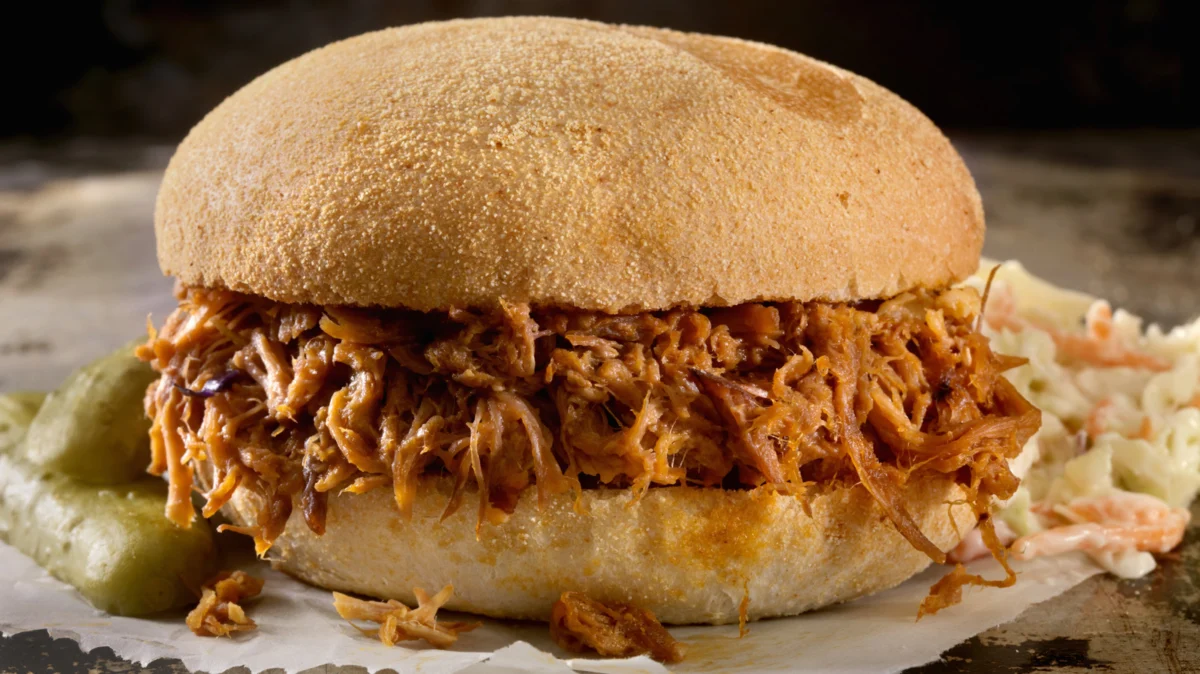
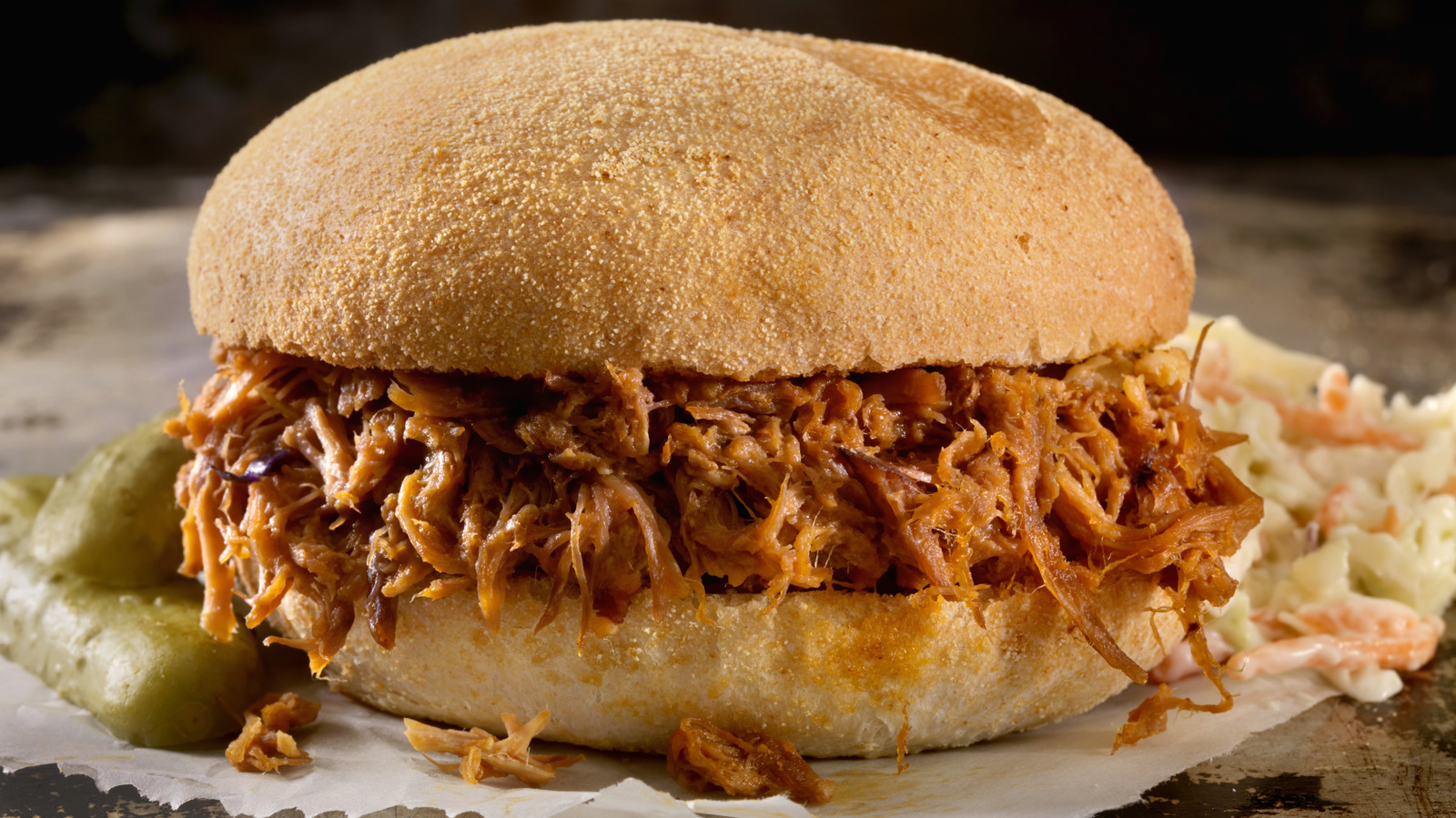
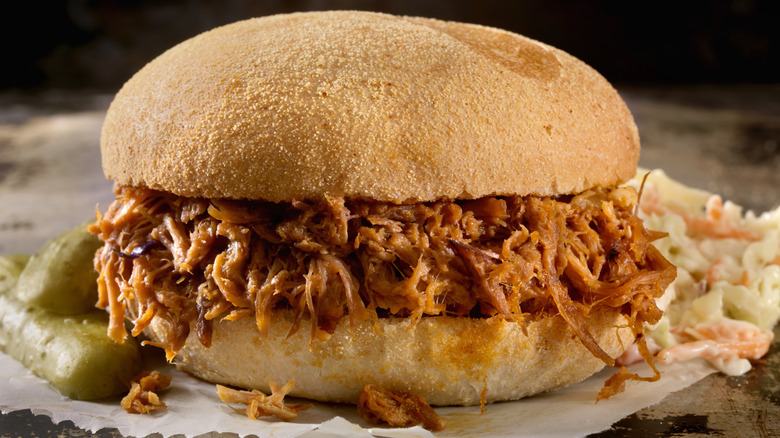
Once the pork has reached an internal temperature of approximately 200–205 degrees Fahrenheit, it must rest. After resting, the meat is shredded. It is in this final moment, when the pork is exposed and at its most absorbent, that the remaining reserved rub is introduced. Folding this fresh, un-cooked spice blend into the warm, shredded meat—along with the captured pan drippings or a knob of butter—creates an immediate explosion of flavor that cannot be achieved through exterior seasoning alone.
Supporting Data: Why This Method Wins
Culinary science supports the efficacy of this layered approach. Flavor perception is heightened by the interaction between fat and spice. By adding the rub to the hot, rendered fat of the pork, you are essentially creating a flavorful sauce that coats the meat fibers.
Community-driven platforms like Reddit’s r/smoking have become hubs for this kind of experimentation. Pitmasters frequently discuss the "butter and rub" technique, where cold butter is melted into the hot, pulled pork alongside the spices. This not only adds a rich mouthfeel but also acts as a carrier for the fat-soluble flavor compounds in the spices, such as those found in chili powder and cumin, ensuring the flavor is distributed evenly throughout the dish.
Official Perspectives and Expert Tips
When building your own signature rub, consistency is key. Professional chefs recommend a standard ratio of 4 parts salt and sugar, 2 parts paprika, and 1 part of each aromatic (garlic, onion, cumin, etc.). If you prefer to opt for store-bought solutions, products like The Notorious P.I.G. Rub provide a complex, pre-balanced profile that saves time while ensuring professional-grade results.
For those looking to innovate, consider the following expert-approved tips:
- Acid Balance: If your rub is very sweet or savory, add a dash of apple cider vinegar when tossing the pulled pork. The acid cuts through the fat and makes the spices "pop."
- The "Roasting Pan" Method: Always pull your pork in a vessel that can catch the juices. Reincorporating these juices with the rub is the secret to avoiding dry, lackluster meat.
- Temperature Control: Add your final layer of rub while the meat is still warm. Heat helps the spices bloom and release their essential oils.
Implications: The Versatility of High-Flavor Pulled Pork
The implications of mastering this seasoning technique go far beyond the initial barbecue feast. A highly seasoned batch of pulled pork is a versatile workhorse in the kitchen.
From Sandwich to Gourmet Entrée
Once your pork is properly "10x-ed," it becomes a foundational ingredient for multiple meals:
- Pulled Pork Mac & Cheese: The salt and smoke of the pork cut through the richness of a creamy béchamel sauce, creating a balanced, decadent dish.
- Elevated Grilled Cheese: A grilled cheese sandwich stuffed with seasoned pulled pork and sharp cheddar offers a sophisticated take on a childhood favorite.
- The Loaded Baked Potato: A fluffily baked potato topped with the pork, sour cream, and chives provides a hearty, protein-packed dinner that feels like a restaurant-quality meal.
Conclusion: The Future of Your Backyard Menu
The journey to the perfect pulled pork is one of patience and precision. By moving away from the "set it and forget it" mentality and embracing the active role of a secondary rub application, you fundamentally change the quality of the final product.
This simple, easy-to-execute trick is more than just a culinary hack; it is a commitment to the craft of barbecue. Whether you are hosting a neighborhood gathering or simply preparing a week’s worth of meals, the "10x flavor" strategy ensures that your pulled pork will never be just a side note—it will be the undisputed star of the show. So, next time you fire up the smoker, remember: the process doesn’t end when you pull the meat; that is exactly when the real magic begins.