Senate Judiciary Committee Advances Landmark Bill to Combat AI Deepfakes, Igniting Debate Over Digital Rights and Free Speech

Washington D.C. – In a significant move signaling growing federal intent to regulate the rapidly evolving landscape of artificial intelligence, the Senate Judiciary Committee has advanced a groundbreaking bill aimed at curbing the proliferation of unauthorized deepfake images and voices. Dubbed the "Nurture Originals, Foster Art, and Keep Entertainment Safe," or NO FAKES Act, the legislation seeks to establish a robust intellectual property right for individuals over their voice and visual likeness, mandating the removal of AI-generated content that has not been explicitly licensed by the person portrayed.
The bill, approved by a voice vote on Thursday, represents a bipartisan effort to address the escalating challenges posed by generative AI, particularly its capacity to create highly realistic digital replicas that can mislead, defame, and exploit individuals. While garnering widespread support from the creative industries and some tech giants, the legislation has also sparked intense debate among lawmakers and industry groups regarding its potential impact on free speech and the practicalities of its implementation.
Main Facts
The NO FAKES Act is designed to empower individuals with control over their digital identities, a right that proponents argue is increasingly vital in an age where AI can seamlessly mimic human appearance and sound. At its core, the bill proposes two main pillars:
- Intellectual Property Right: It would legally recognize an individual’s intellectual property right to their unique voice and visual likeness. This foundational right would grant individuals the authority to decide how their digital selves are used, particularly when AI is involved in generating content.
- Mandatory Removal of Unauthorized Deepfakes: Online platforms would be legally obligated to remove unauthorized deepfake images and audio if they are not licensed by the person depicted. This provision places a significant burden on platforms to monitor and act upon reported violations, with substantial financial penalties for non-compliance.
Beyond these core tenets, the legislation also prohibits the distribution of unauthorized deepfakes and the offering of products or services primarily designed for their creation. This aims to tackle the issue at multiple points in the deepfake lifecycle, from generation to dissemination.
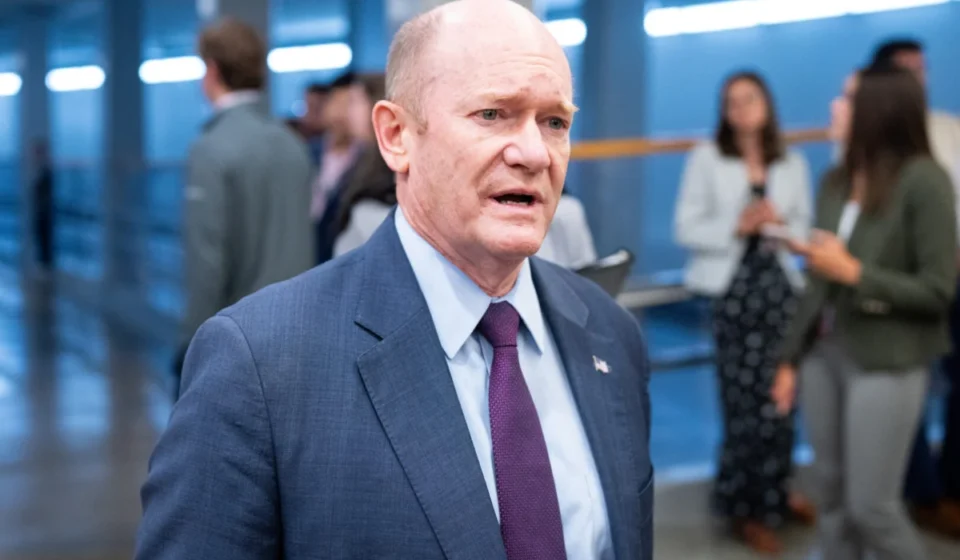
Sponsored by Senator Chris Coons (D-Delaware), the NO FAKES Act boasts a formidable coalition of 15 co-sponsors, a balanced mix of seven Democrats and eight Republicans, underscoring the bipartisan concern over AI’s potential misuse. Notable proponents include Senators Marsha Blackburn (R-Tennessee) and Amy Klobuchar (D-Minnesota), who have been vocal advocates for AI regulation and online safety.
To navigate the delicate balance between protecting individual rights and upholding constitutional guarantees of free speech, the bill includes several crucial exemptions. These exemptions apply to content created for parody, news reporting, and documentaries, among other categories, recognizing the legitimate uses of digital likenesses in creative and journalistic contexts. Furthermore, it establishes a counter-notification system, allowing individuals to challenge the removal of their content if they believe it has been mistakenly flagged as an unauthorized deepfake.
Senator Coons emphasized the collaborative nature of the bill’s development, describing it as the product of extensive conversations with diverse stakeholders and a "real compromise." He articulated the bill’s philosophical underpinning, stating, "This bill is about protecting what’s most personal to us, what makes us us: our voice and our likeness. Every American should have the right to decide how their voice and likeness will be used, especially when generative AI can create highly realistic digital replicas that make it look like we said things we never said and did things we never did." His words encapsulate the profound implications of AI for personal autonomy and identity in the digital realm.
Legislative Journey and Chronology
The journey of the NO FAKES Act reflects a growing awareness and urgency within Congress to grapple with the societal implications of advanced AI technologies. While the bill itself has recently gained traction, its intellectual lineage can be traced back to earlier legislative efforts and the rapid advancements in generative AI.
From Concept to Committee Approval: The Path of the NO FAKES Act
The concept of granting individuals explicit rights over their digital voice and likeness has been a subject of increasing discussion in legal and policy circles as AI’s capabilities have expanded. Prior to the NO FAKES Act, state-level initiatives began to emerge, recognizing the immediate need for protection. A key inspiration for the federal bill is the Tennessee law passed in 2024, known as the Ensuring Likeness Voice and Image Security, or ELVIS Act.
The ELVIS Act marked a pioneering effort at the state level to establish a right to an individual’s voice and visual likeness. Crucially, it included provisions designed to protect not only individuals but also music labels holding contracts with recording artists, acknowledging the significant financial and creative investments in artists’ personas. Senator Coons’ bill, recognizing the value of such protections, contains a similar provision, extending its scope to safeguard the economic interests of industries built around human talent. This demonstrates a deliberate effort to learn from existing frameworks and apply them to a broader national context.
Senator Coons, along with his bipartisan co-sponsors, likely began drafting the NO FAKES Act in response to the escalating concerns over deepfake technology, which moved from a niche concept to a widespread threat in a relatively short period. The bipartisan nature of the sponsorship suggests that the issue transcends traditional political divides, appealing to lawmakers concerned about privacy, intellectual property, and national security.
The bill’s introduction to the Senate Judiciary Committee marked a critical step in its legislative progression. Committee hearings and extensive stakeholder consultations, as alluded to by Senator Coons, would have allowed for input from tech companies, civil liberties advocates, creative unions, and legal experts. This iterative process of refinement is crucial for crafting legislation that is both effective and constitutionally sound.
During the committee’s review, a manager’s amendment was adopted without objection. This amendment served to further refine the bill’s scope and address specific concerns. It notably limited liability in cases where a deepfake bore only a coincidental resemblance to a non-famous person, acknowledging the practical challenges of identifying and attributing every digital likeness. Furthermore, it laid out clear procedures for registering rights to the voice or visual likeness of a person who died within the 10 years preceding the bill’s enactment, extending protection beyond the immediate living.
The voice vote approval by the Senate Judiciary Committee on Thursday signifies a strong consensus among its members regarding the necessity of such legislation. While some senators voiced concerns, the overall agreement to advance the bill highlights the urgency lawmakers feel in confronting the deepfake phenomenon. This committee approval now paves the way for the bill to be considered by the full Senate, marking a significant milestone in its journey toward becoming federal law. The timing of this advancement also places it squarely within a broader national discourse on AI regulation, indicating a concerted push by Congress to establish guardrails for this transformative technology.
Supporting Data and Context
The urgency driving the NO FAKES Act stems from the rapid, often alarming, advancements in generative artificial intelligence and the consequent proliferation of deepfake technology. What was once the domain of highly skilled specialists is now increasingly accessible to the general public, leading to a surge in malicious applications.
The Proliferation of Deepfakes: A Growing Threat
Deepfakes, synthetic media in which a person in an existing image or video is replaced with someone else’s likeness, have evolved dramatically in sophistication and ease of creation. Enabled by powerful AI algorithms like Generative Adversarial Networks (GANs) and variational autoencoders, these fakes can now be produced with startling realism, often indistinguishable from authentic media to the untrained eye. This technological leap has opened a Pandora’s box of potential harms:
- Reputational Damage and Defamation: Individuals, particularly public figures, are vulnerable to deepfakes that depict them saying or doing things they never did, leading to severe damage to their personal and professional reputations. These can range from fabricated scandalous videos to manipulated speeches that distort their views.
- Non-Consensual Intimate Imagery (NCII): One of the most insidious uses of deepfake technology is the creation of non-consensual intimate imagery, often targeting women. This form of digital sexual abuse can have devastating psychological impacts on victims.
- Financial Fraud and Impersonation: Deepfake audio can be used to impersonate individuals, including executives or family members, to perpetrate sophisticated phishing scams and financial fraud. The ability to mimic a voice can bypass security measures and deceive unsuspecting victims.
- Election Interference and Disinformation: Malicious actors can deploy deepfakes to spread disinformation, create political propaganda, or impersonate candidates to influence public opinion and undermine democratic processes, posing a significant threat to national security and societal cohesion.
- Erosion of Trust: The widespread availability and use of deepfakes contribute to a general erosion of trust in digital media, making it increasingly difficult for the public to discern truth from fabrication. This "liar’s dividend" effect can have far-reaching consequences for journalism, public discourse, and the justice system.
The ease with which these tools can be accessed and deployed, sometimes even through user-friendly apps, has amplified the scale of the problem. Public concern has surged, creating a strong impetus for legislative intervention to restore a sense of control and accountability in the digital sphere.
Defining "Likeness" and "Voice" in the Digital Age
The NO FAKES Act’s central innovation lies in establishing an intellectual property right to an individual’s "voice and visual likeness." This moves beyond traditional concepts of copyright, which typically protect creative works, and publicity rights, which protect against commercial exploitation of one’s name or image. This new right directly addresses the unique challenges posed by AI’s ability to create digital doppelgängers.
- Voice: This refers to the unique audible characteristics of an individual’s speech, including tone, pitch, timbre, and accent. AI can now generate highly convincing synthetic voices that can mimic a person’s vocal patterns with remarkable accuracy.
- Visual Likeness: This encompasses all recognizable visual attributes of a person, including their face, body, distinctive mannerisms, and overall appearance. Deepfake technology can superimpose faces, alter expressions, and create entirely new visual scenarios featuring an individual.
The inclusion of music labels’ rights, mirroring the ELVIS Act, is particularly significant. It acknowledges that the "likeness" and "voice" of recording artists are not just personal attributes but also valuable commercial assets, central to the music industry’s business model. Protecting these rights ensures that the substantial investments made by labels in developing and promoting artists are not undermined by unauthorized AI replication. This provision highlights the bill’s attempt to provide comprehensive protection across various sectors where personal identity holds significant economic value.
Mechanisms of Enforcement and Exemptions
The efficacy of the NO FAKES Act hinges on its enforcement mechanisms and its ability to strike a balance with First Amendment rights.
- Removal Requirements for Platforms: The bill places a direct onus on online platforms to remove unauthorized deepfakes. While the exact operational details of what constitutes a "good-faith effort" are likely to be refined, it implies a reactive system where platforms must act upon legitimate reports from individuals or their representatives. The challenge for platforms will be to develop scalable and accurate detection and removal processes without over-censoring legitimate content.
- Counter-Notification System: To mitigate the risk of erroneous removals or censorship, the bill includes a counter-notification system. This mechanism allows content creators or distributors to challenge a removal, asserting that their content falls under an exemption or is otherwise authorized. This system is crucial for safeguarding legitimate expression and preventing the weaponization of removal requests.
- Exemptions: The inclusion of exemptions for parody, news, and documentaries is vital for the bill’s constitutional viability. The First Amendment protects freedom of speech, including satirical and journalistic uses of public figures’ likenesses.
- Parody: Allows for humorous or critical imitation, a long-standing protected form of speech.
- News and Documentaries: Safeguards the ability of journalists and filmmakers to use likenesses for informative and educational purposes, often crucial for public discourse.
- These exemptions are intended to draw a clear line between malicious or exploitative deepfakes and legitimate artistic or journalistic endeavors.
- Financial Penalties: To ensure compliance, the bill introduces significant financial penalties. For individuals distributing unauthorized deepfakes, penalties would act as a deterrent. For online platforms, the stakes are much higher, with potential fines reaching up to $750,000 per embodiment of an unauthorized work. This substantial penalty aims to incentivize platforms to invest in robust content moderation and removal systems.
- Manager’s Amendment: The adopted manager’s amendment further clarifies the bill’s scope.
- Coincidental Resemblance: By limiting liability for deepfakes bearing a coincidental resemblance to a non-famous person, the amendment acknowledges the technical limitations and practical impossibilities of universally protecting every individual’s likeness in every digital creation. It focuses enforcement on deliberate exploitation rather than accidental likenesses.
- Posthumous Rights: The provision for registering rights to the voice or visual likeness of a person who died within 10 years preceding the bill’s enactment ensures that the legacy and commercial value of recently deceased individuals, particularly artists and public figures, can continue to be protected by their estates or designated heirs.
These intricate mechanisms reflect a careful attempt by lawmakers to craft a comprehensive yet nuanced regulatory framework that addresses the complexities of AI-generated content while respecting fundamental constitutional rights.
Official Responses and Stakeholder Perspectives
The advancement of the NO FAKES Act has elicited a range of responses from across the political spectrum, the technology industry, and the creative community, highlighting the multifaceted nature of the debate surrounding AI regulation.
Congressional Voices: Bipartisan Support and Lingering Concerns
Sen. Chris Coons (D-Del.): Architect of the Legislation
Senator Coons has been the driving force behind the NO FAKES Act, framing it as essential legislation for protecting personal autonomy in the digital age. His statements consistently emphasize the bill’s core objective: to give individuals control over their most personal attributes. "This bill is about protecting what’s most personal to us, what makes us us: our voice and our likeness," Coons reiterated, underscoring the profound implications of generative AI for identity. He has also stressed the collaborative nature of the bill’s development, highlighting "extensive conversations with stakeholders" and describing the bill as a "real compromise" designed to balance competing interests. His leadership has been crucial in forging the bipartisan coalition necessary to move such complex legislation forward.
Sen. Marsha Blackburn (R-Tenn.): A Broader AI Regulatory Push
Senator Marsha Blackburn, a key Republican co-sponsor, has positioned the NO FAKES Act as a critical component of a much broader legislative agenda aimed at establishing comprehensive AI regulation and enhancing online safety. As a vocal advocate for these issues and currently running for governor in Tennessee, Blackburn has articulated a vision for a unified national framework. "I’ve always said that America needs one set of rules for AI, and NO FAKES is a critical component of that rulebook," she stated, emphasizing the need for consistency across the country.
Blackburn’s office recently confirmed her work on a larger legislative package that would include limited subject-area preemption of some AI and child safety laws. This ambitious initiative aims to standardize regulations across states and encompass several key bills. "Senator Blackburn is spearheading the negotiation with the White House to finalize legislative text of an AI preemption package that includes protections for kids, creators, and communities through the Senate version of KOSA, the NO FAKES Act, and age verification requirements," a spokesperson revealed. This indicates that the NO FAKES Act is seen not as an isolated piece of legislation but as part of a more expansive effort to create a coherent federal strategy for AI and online content, alongside bills like the Kids Online Safety Act (KOSA), which enjoys broad bipartisan support but has yet to advance out of committee.
First Amendment Worries: A Balancing Act
Despite the bill’s bipartisan advancement, several senators voiced significant concerns, primarily centered on safeguarding free speech rights guaranteed by the First Amendment. Senators Alex Padilla (D-California), Ted Cruz (R-Texas), Mike Lee (R-Utah), and Eric Schmitt (R-Missouri) all expressed reservations, highlighting the delicate balance required when regulating speech-related technologies.
Senator Lee, in particular, articulated these concerns forcefully. "The legislation as drafted now raises some potentially significant concerns regarding free speech," Lee cautioned, expressing his hope to collaborate with the bill’s supporters to address these issues. He emphasized the paramount importance of not inadvertently "chill[ing] free speech or undermine[ing] long-standing First Amendment principles" while seeking to protect content creators’ rights. This reflects a common apprehension that well-intentioned legislation, if not carefully crafted, could have unintended consequences for legitimate expression.
Senator Padilla acknowledged that the updated bill "has substantively and substantially improved" in addressing implementation, innovation, and some free expression concerns. However, he also noted that "there are still some issues that warrant additional attention to ensure that the obligations placed on the diverse stakeholders in our communications ecosystem, including music streaming services, video game developers, user-generated content platforms of all sizes and others, ensuring that those are appropriately tailored." Padilla’s remarks underscore the complexity of regulating a vast and varied digital ecosystem, where a one-size-fits-all approach might inadvertently burden or stifle different types of platforms and creative endeavors.
Industry Reactions: Divided Opinions
The technology industry’s response to the NO FAKES Act has been notably mixed, reflecting the diverse interests and business models within the sector.
NetChoice’s Critique: Over-Removal and Burden
NetChoice, a prominent industry group representing various tech companies, issued a strong critique of the bill, arguing that its potential negative impacts outweigh its intended benefits. Amy Bos, Vice President of Government Affairs for NetChoice, stated unequivocally, "Good intentions do not make good law."
Bos elaborated on the group’s concerns, predicting adverse outcomes for online platforms and content creators alike. She contended that, "As written, this bill creates a dangerous financial incentive for platforms to aggressively over-remove lawful content, burdens creators with an unworkable counter-notification system, and fails to deliver the uniform national standard its sponsors promised." NetChoice’s fears center on the potential for platforms, faced with significant financial penalties, to err on the side of caution by removing content preemptively, even if it might be lawful. They also foresee the counter-notification system becoming cumbersome and ineffective for individual creators, and argue that the bill may not achieve the desired nationwide consistency if challenged or interpreted inconsistently across jurisdictions.
Tech Giants’ Support: TikTok and YouTube
In contrast to NetChoice’s reservations, some of the largest social media platforms have expressed support for the NO FAKES Act. TikTok, the immensely popular short-form video platform, publicly praised the bill last month, stating on X (formerly Twitter) that the legislation "reaffirms our commitment to responsible AI use." The company further added, "NO FAKES provides a clear, federal standard to safeguard human creativity and prevent unauthorized AI misuse."
Similarly, Google-owned YouTube has also voiced its support for the bill. This backing from major platforms like TikTok and YouTube is significant. It suggests that some large tech companies may view a clear federal standard as preferable to a patchwork of state laws, which can be difficult and costly to navigate. Furthermore, supporting such legislation could allow them to proactively manage reputational risks associated with deepfakes and demonstrate their commitment to combating AI misuse, potentially shifting some liability to content creators while providing clearer legal frameworks for their own moderation efforts.
Creative Community’s Unanimous Endorsement
The creative arts community, a sector particularly vulnerable to unauthorized AI replication, has overwhelmingly embraced the NO FAKES Act. SAG-AFTRA, the influential union representing actors, broadcasters, recording artists, and other media professionals, has been a leading advocate for the legislation. The union released an open letter with over 16,000 signatures in support of the bill, showcasing widespread unity among its members.
The creative community’s strong endorsement stems from a deep-seated concern about the economic and artistic implications of generative AI. For actors, musicians, and other performers, their voice and likeness are their primary assets and livelihoods. The ability of AI to create perfect digital replicas without consent threatens to devalue their work, undermine their bargaining power, and even replace them entirely. The NO FAKES Act is seen as a crucial protective measure, empowering artists to maintain control over their identity and ensure fair compensation for the use of their digital selves. This broad support underscores the urgent need for legislation that safeguards human creativity in the face of rapidly advancing artificial intelligence.
Implications and Future Outlook
The advancement of the NO FAKES Act by the Senate Judiciary Committee marks a pivotal moment in the ongoing national and global conversation surrounding artificial intelligence regulation. Its potential implications are far-reaching, touching upon legal precedent, technological development, and the fundamental nature of digital identity.
Shaping the Future of AI Regulation
The NO FAKES Act stands as one of the most significant pieces of federal legislation directly addressing the harms of generative AI. If enacted, it would establish a crucial precedent, signaling Congress’s willingness to move beyond abstract discussions and implement concrete legal frameworks for AI governance.
- Federal Precedent: By creating a federal intellectual property right to voice and likeness, the bill sets a national standard that could preempt or influence state-level efforts, creating a more uniform legal landscape. This is particularly relevant given Senator Blackburn’s push for a broader AI preemption package.
- Global Influence: As one of the first major economies to tackle deepfakes with comprehensive legislation, the United States could influence international regulatory efforts. Other nations grappling with similar challenges may look to the NO FAKES Act as a model for their own laws.
- Catalyst for Broader AI Governance: The bill’s success could galvanize further legislative action on other aspects of AI, such as data privacy, algorithmic bias, and accountability for AI developers. It demonstrates that specific, actionable AI regulation is achievable.
The next steps for the bill are crucial. Following its approval by the Judiciary Committee, it must now be considered by the full Senate. If it passes there, it would then move to the House of Representatives for their consideration. The legislative path is often complex, with potential for further amendments, debates, and even strong opposition.
Challenges and Unanswered Questions
Despite its progress, the NO FAKES Act faces several significant challenges and leaves certain questions unanswered, which will likely be central to its implementation and long-term effectiveness.
- First Amendment Interpretation: The most prominent challenge remains the delicate balance with the First Amendment. While the bill includes exemptions for parody, news, and documentaries, the interpretation of these exemptions in court will be critical. Legal challenges are almost inevitable, as free speech advocates and tech companies test the boundaries of the new law. Defining what constitutes "parody" versus mere "imitation" or what falls under "news" versus "disinformation" will be complex.
- Implementation for Platforms: The practical obligations placed on online platforms, particularly the requirement to make "good-faith efforts" to remove unauthorized deepfakes, present a substantial operational challenge.
- Scale: How will platforms, especially those with billions of users and vast amounts of user-generated content, effectively monitor and respond to deepfake reports?
- Accuracy: AI detection tools for deepfakes are improving but are not foolproof. What happens when legitimate content is mistakenly flagged or when sophisticated deepfakes evade detection?
- Cost: Implementing robust detection, reporting, and counter-notification systems will require significant investment, potentially disproportionately impacting smaller platforms.
- The Evolving Nature of AI: The rapid pace of AI development means that laws enacted today might quickly become outdated. Will the NO FAKES Act be agile enough to adapt to new forms of generative AI and new methods of creating synthetic media? This raises questions about the need for ongoing legislative review and updates.
- Jurisdictional Issues: While the bill aims for a federal standard, the internet is global. How will the law apply to deepfakes created or hosted outside the U.S. but accessible within the country? The interplay with international laws and cross-border enforcement will be a complex issue.
- "Non-Famous" Individuals: While the manager’s amendment addresses coincidental resemblance for non-famous people, the general burden of proof and enforcement for an average citizen whose likeness is deepfaked may still be considerable compared to a celebrity with significant legal resources.
A New Era for Digital Rights
Ultimately, the NO FAKES Act represents a bold step towards establishing fundamental digital rights in an increasingly AI-driven world. Senator Coons’ vision of individuals having the right to control their "digital selves" speaks to a broader societal need to adapt legal frameworks to technological realities.
The bill, if passed, would signify a recognition that our voices and likenesses are not merely physical attributes but valuable forms of personal property in the digital sphere, deserving of protection from unauthorized replication and manipulation. This could pave the way for a new era of digital ethics, influencing how AI is developed, deployed, and regulated globally. By empowering individuals and holding platforms accountable, the NO FAKES Act aims to foster greater trust in online content, safeguard creative industries, and protect personal identity in the face of technological disruption, shaping a future where human creativity and authenticity can thrive alongside artificial intelligence.