
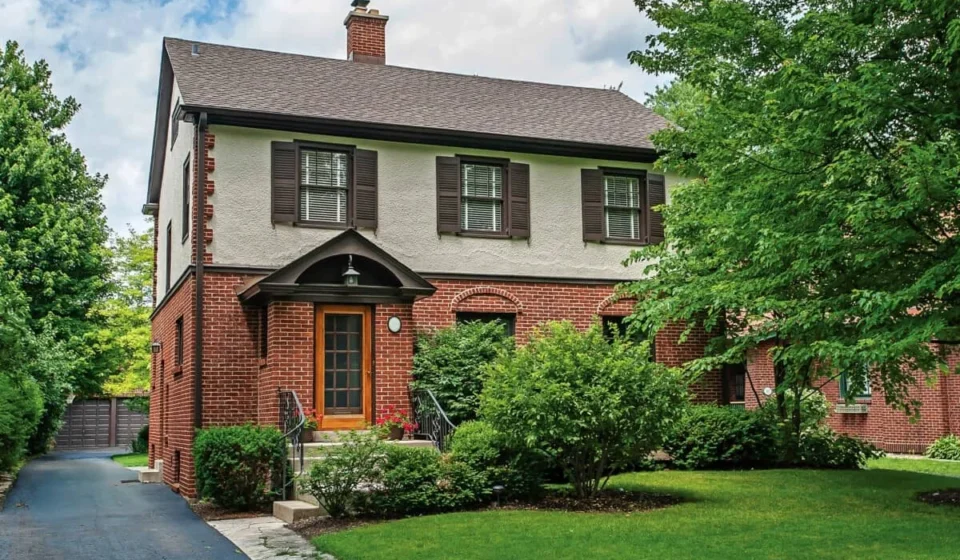

The dream of homeownership remains a cornerstone of the American narrative, yet as of mid-2026, it has transformed into a complex financial endurance test. With the national median home sale price hovering at $400,894—a staggering 30% increase compared to five years ago—prospective buyers are navigating a landscape defined by record-high valuations, fluctuating interest rates, and an increasingly precarious affordability threshold.
While the housing market has entered a period of cooling, characterized by a sluggish pace and a shift toward buyer-favorable conditions in many regions, the financial barrier to entry remains formidable. To purchase a home in today’s environment, one must look beyond the sticker price. The true cost of acquisition involves a multifaceted architecture of down payments, closing fees, insurance premiums, and the ongoing, often overlooked, costs of maintenance and utilities.
The Anatomy of Upfront Costs: Breaking Down the $86,000 Barrier
For the average American, the path to the closing table requires significant liquidity. Beyond the down payment, which currently averages 15% ($60,134) of the purchase price, buyers must be prepared for a series of "hidden" costs that can easily escalate into the tens of thousands.
A Typical Breakdown of Closing Expenses
When accounting for the median home price of $400,894, the initial capital outlay required for a successful transaction is estimated at approximately $86,559. This figure encompasses:
- Down Payment (15%): $60,134
- Closing Costs (Estimated 5%): $20,044
- Inspection and Appraisal Fees: $800
- Mortgage Insurance (PMI): $213 (Monthly)
- Cash Reserves (Two months of mortgage): $4,368
- Moving Expenses: $1,000
These figures represent a national average, but they fluctuate wildly based on geography. In high-cost hubs like Seattle, WA, where the median price reaches $847,661, these proportional costs effectively double, shifting the financial burden of entry far beyond the reach of the average median-income household.
The Chronology of the 2026 Housing Shift
The current state of the market is the result of a multi-year trajectory that began with the pandemic-era housing boom. From 2021 to 2023, record-low interest rates fueled a frenzy of bidding wars, driving prices to historic peaks.
By late 2025, the market began to show signs of exhaustion. As mortgage rates stabilized at higher levels, buyer fatigue set in, leading to the current 2026 climate. We are now witnessing a "slow and difficult" market. In many metropolitan areas, the velocity of sales has decelerated. This shift has inadvertently provided some relief: in regions where inventory has outpaced demand—such as Nashville, TN, and Miami, FL—sellers are finding themselves in a position where they must concede to buyer demands to finalize a sale. This has resulted in a slight decline in average down payment percentages, as buyers conserve cash to navigate higher monthly carrying costs.
Supporting Data: The Hidden Multipliers of Ownership
While the upfront costs of acquisition are the most visible hurdle, the long-term financial implications are often more punishing. Homeownership is not a static cost; it is a dynamic, monthly commitment that scales with the age of the property and the volatility of the local economy.
Ongoing Annual Obligations
To maintain a home priced at the $400,894 median, a homeowner must budget for a suite of recurring expenses that, when aggregated, total over $48,000 in the first year alone:
- Mortgage Payments: At current rates, the average monthly payment is $2,619, totaling $31,428 annually.
- Utilities: Integrating electricity, natural gas, water, internet, and waste management, the average homeowner spends $595 monthly, or $7,140 per year.
- Property Taxes: While highly dependent on state and local ordinances, the average annual cost sits at $1,889.
- Homeowners Insurance: Escalating risks related to climate and regional volatility have driven the average annual premium to $2,868.
- Maintenance: Financial advisors consistently recommend reserving 1% to 4% of a home’s value annually for repairs. For a median-priced home, this requires a $4,000 annual buffer.
When these figures are combined with HOA fees, the total cost of owning a home—including the initial entry price—can reach $135,504 within the first twelve months of ownership.
Official Responses and Expert Perspectives
Industry analysts at Redfin and other housing authorities emphasize that the 2026 market is defined by a dichotomy: while prices remain high, the power dynamic is shifting toward the buyer.
"We are seeing a transition," notes one market analyst. "In a buyer’s market, the ‘list price’ is merely a starting point for negotiation."
Financial experts are increasingly advising prospective buyers to leverage seller concessions. These are contractual agreements where the seller covers a portion of the buyer’s closing costs. In the current climate, sellers who are motivated to move inventory are frequently willing to absorb inspection fees or contribute to closing costs to ensure a contract is finalized. This strategy serves as a vital tool for first-time buyers who have the income to support a mortgage but lack the immediate cash reserves for the traditional 20% down payment.
Implications: A New Era of Financial Planning
The implications of the 2026 housing market are profound for both the economy and the individual. For the individual, the era of "easy" entry is over. The requirement for significant cash reserves—coupled with the high cost of maintenance—means that prospective buyers must approach homeownership with a level of financial discipline that was not required a decade ago.
Navigating the Landscape
For those currently assessing their ability to purchase, several pathways exist:
- Low-Down Payment Loans: Qualified buyers should investigate VA and USDA loans, which offer zero-down options, though these require strict qualification criteria.
- Assistance Programs: First-time homebuyer grants and state-sponsored down payment assistance programs are becoming more prevalent as policymakers attempt to mitigate the affordability crisis.
- Market Analysis: Utilizing tools like the Redfin Data Center allows buyers to track localized market trends. Understanding whether a specific neighborhood is a buyer’s or seller’s market is the difference between paying full asking price and negotiating a concession.
Conclusion: The Path Forward
Buying a home in 2026 is an exercise in strategic planning. The headline median price of $400,894 is a necessary starting point, but it is insufficient for a complete financial plan. By accounting for the full spectrum of upfront costs—from appraisals to cash reserves—and preparing for the reality of monthly maintenance and utility burdens, buyers can protect themselves from the "house poor" scenario that often follows a significant real estate purchase.
As the market continues to evolve, the most successful buyers will be those who view their purchase not just as a lifestyle choice, but as a long-term capital investment. By negotiating aggressively, utilizing available assistance programs, and maintaining a robust emergency fund for ongoing repairs, the dream of homeownership remains attainable, provided one is armed with the right data and a realistic financial blueprint.