By the Kiplinger Financial News Desk
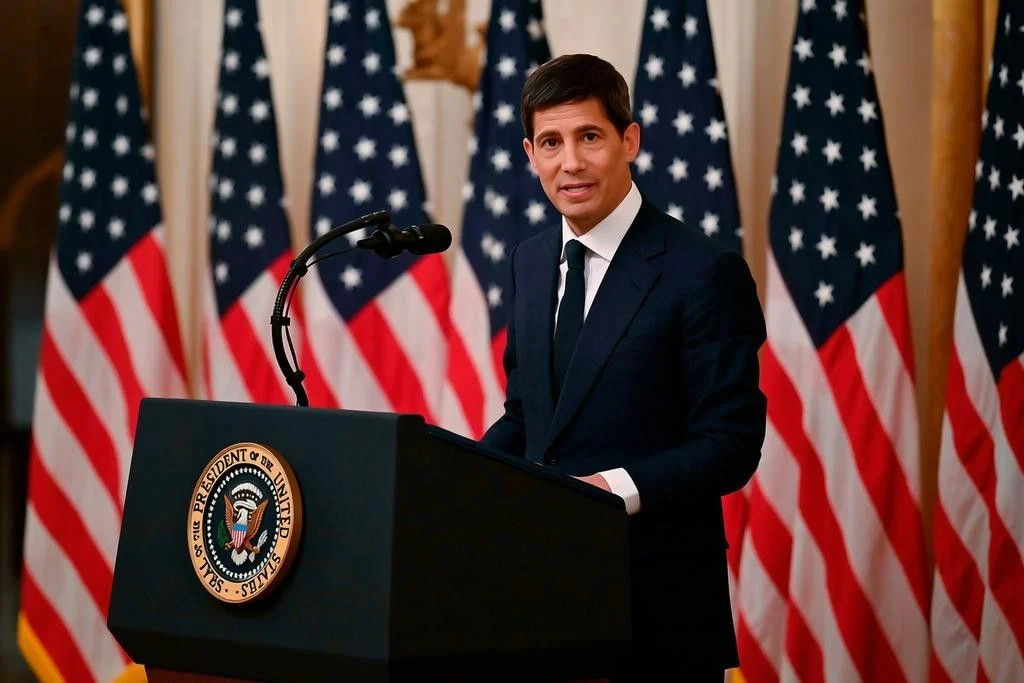
As the calendar turns to mid-June 2026, all eyes in the global financial community are fixed on the Eccles Building in Washington, D.C. The Federal Open Market Committee (FOMC) convenes this Tuesday, June 16, for a two-day policy gathering that carries more weight than most. This meeting is not merely a routine check-in on the economy; it represents a significant transitional moment for the central bank under the leadership of new Federal Reserve Chair Kevin Warsh.
With persistent inflationary pressures and volatile energy markets serving as the backdrop, investors are bracing for the committee’s decision on the federal funds rate. While consensus forecasts suggest the Fed will maintain the status quo, the real drama lies in the potential shifts in communication style and policy philosophy that Chair Warsh may introduce during his debut post-meeting press conference.
The Core Mandate: Inflation vs. Economic Stability
The primary challenge facing the FOMC this week is the persistent acceleration of inflation. Despite various cooling measures implemented over the past eighteen months, consumer prices remain stubbornly high. Energy costs, a primary driver of headline inflation, have refused to retreat to comfortable levels, forcing the Federal Reserve to walk a tightrope between stifling economic growth and allowing inflation to become entrenched.
Most economists surveyed on Wall Street expect the FOMC to hold the federal funds rate steady at this session. The rationale is clear: the committee needs to assess the lag effects of previous rate hikes while keeping a close watch on the incoming data. By keeping rates unchanged, the Fed is signaling a "wait-and-see" approach, allowing the economy to absorb the current tightening cycle before committing to further aggressive action.
However, the "wait-and-see" stance is increasingly risky. If inflation continues to outpace the Fed’s 2% target, the committee may find itself forced to pivot toward a more hawkish stance later this year, potentially risking a contractionary impact on the broader economy.
Chronology of a High-Stakes Week
The anticipation surrounding this week’s meeting has been compounded by a flurry of geopolitical and economic developments.
Monday: A Market Rally Fueled by Geopolitics
The week began on an optimistic note for the stock market. As traders prepared for the Fed’s announcement, news broke over the weekend that a landmark peace deal had been reached between the United States and the Islamic Republic of Iran. The announcement, confirmed by President Donald Trump following initial reports from Pakistani Prime Minister Shehbaz Sharif, provided a significant boost to investor sentiment.
On Monday, the markets responded with enthusiasm:
- The Dow Jones Industrial Average surged 1%, closing at 51,928.
- The S&P 500 climbed 1.9% to reach 7,573.
- The Nasdaq Composite saw a robust gain of 3%, ending the day at 26,667.
Bond markets also reflected this "risk-on" sentiment. The yield on the 2-year Treasury note dipped 3.3 basis points to 4.052%, while the 10-year Treasury yield fell 2.4 basis points to 4.461%, suggesting that investors are hopeful that a de-escalation in geopolitical tensions may alleviate some of the supply-side inflationary pressures currently plaguing the global economy.
Tuesday and Wednesday: The Deliberations
The formal FOMC meeting begins Tuesday morning. Throughout these two days, the twelve voting members of the committee will review the latest Labor Department reports, regional manufacturing data, and the sensitive energy price indices.
The meetings are designed to be insulated from outside influence. The members will debate the trajectory of the economy behind closed doors, culminating in a policy statement released at 2:00 PM EST on Wednesday. This statement will serve as the first major signal of the "Warsh Era" at the Federal Reserve.
Who is Kevin Warsh? A Profile of the New Chair
The confirmation of Kevin Warsh as Federal Reserve Chair on May 13—following a 54-45 Senate vote—marked the end of the Jerome Powell era, which had spanned since 2018. Warsh is not a newcomer to the halls of power, and his background is being scrutinized by analysts attempting to predict his future policy leanings.
Warsh’s pedigree is significant. He served on the Federal Reserve Board from 2006 to 2011, acting as a crucial lieutenant to then-Chair Ben Bernanke during the harrowing days of the 2008-09 global financial crisis. His role as the primary liaison to Wall Street earned him a reputation for being pragmatic and deeply connected to the realities of capital markets.
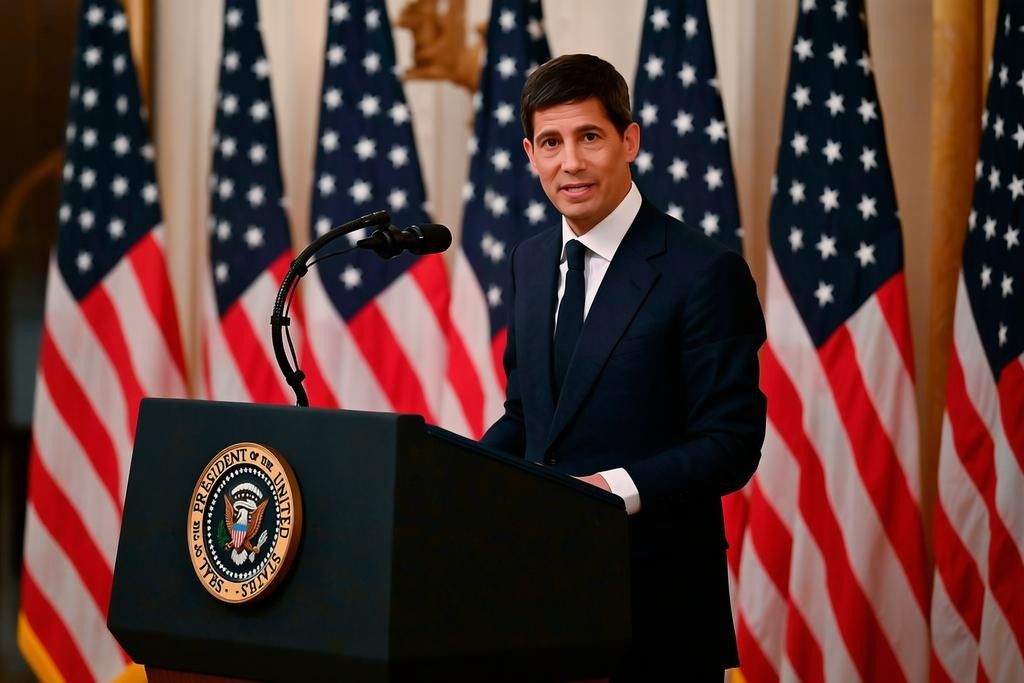
Before his return to the Fed, Warsh served as a special assistant to the president for economic policy under George W. Bush and spent seven years at Morgan Stanley. His academic tenure at Stanford’s Hoover Institution and his role on the Congressional Budget Office’s Panel of Economic Advisers round out a career that balances high-level government service with private sector expertise.
A "Hawk" in Sheep’s Clothing?
Warsh is historically categorized as a "hawk"—a policymaker who prioritizes price stability and tends to favor higher interest rates to combat inflation. However, his recent commentary suggests a nuanced evolution. In mid-2025, Warsh emphasized the importance of the Fed’s independence regarding monetary policy while acknowledging that the institution is not a monolith. Analysts are eager to see if his past preference for higher rates remains his guiding principle or if he will pivot toward the lower-rate environment he has more recently suggested might be necessary for long-term growth.
The Mechanics of the FOMC: Understanding the Vote
To understand the decision-making process this week, it is essential to look at the composition of the committee. The Federal Open Market Committee is composed of 12 voting members, whose influence dictates the cost of capital for the entire nation.
The Permanent Voting Members:
- Chair Kevin Warsh
- Vice Chair Philip Jefferson
- Fed Governor Michael Barr
- Fed Governor Michelle Bowman
- Fed Governor Lisa Cook
- Fed Governor Jerome Powell
- Fed Governor Christopher Waller
- New York Fed President John Williams
The 2026 Rotating Members:
- Cleveland Fed President Beth Hammack
- Minneapolis Fed President Neel Kashkari
- Dallas Fed President Lorie Logan
- Philadelphia Fed President Anna Paulson
The rotation ensures that regional economic perspectives—from the manufacturing hubs of the Midwest to the energy-centric economies of the South—are represented. In 2027, the roster will shift again, with presidents from Chicago, Richmond, Atlanta, and San Francisco taking their seats.
Implications for the American Household
For the average taxpayer and investor, the implications of this week’s meeting are profound. The Federal Reserve’s decisions ripple through the economy, affecting mortgage rates, credit card APRs, and the interest paid on savings accounts.
Tax and Investment Planning
As noted in recent financial analyses, the transition to a new Fed chair often correlates with shifts in how fiscal policy is perceived. Because the Federal Reserve influences the cost of government borrowing, its actions can indirectly impact tax policy and the broader tax burden for households in 2026 and beyond. Investors are currently adjusting their portfolios to account for potential volatility in the bond market as Chair Warsh establishes his own communication style.
The Press Conference Factor
Perhaps the most anticipated element of this week is the Wednesday press conference. Chair Warsh has been a vocal critic of the traditional Fed press conference format, often arguing that it creates unnecessary volatility and relies too heavily on forecasting, which he views as inherently unreliable. Should he break from tradition—perhaps by limiting the frequency of these sessions or changing the format of his remarks—it would signal a significant departure from the transparency-focused era of his predecessors.
Looking Ahead: The 2026 Roadmap
The June meeting is the fourth of eight scheduled gatherings for the year. According to Kiplinger contributor Dan Burrows, the convention of holding eight meetings per year was solidified following the extreme market volatility of 1981, providing the committee with regular intervals to adjust to changing economic winds.
The remainder of the 2026 schedule is as follows:
- July 28–29
- September 15–16
- October 27–28
- December 8–9
As the Fed moves toward these later dates, the data gathered this week—and the market’s reaction to Chair Warsh’s debut—will serve as the foundation for the central bank’s autumn and winter strategy. Whether the Fed remains in a holding pattern or decides to adjust the levers of the economy will depend heavily on whether the current inflation data proves to be transitory or structural.
For now, the financial world waits. The consensus is for a pause, but in the realm of high-stakes monetary policy, the silence between the lines of the FOMC statement is often louder than the decision itself. As the Kiplinger team continues its live reporting throughout the week, the focus will remain on the words and actions of a leader who is now arguably the most important economic figure in the world.